Anorexia Nervosa

By: Cosette Verna

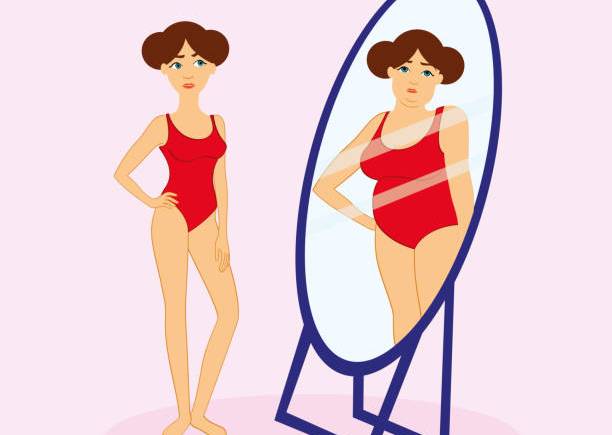
Anorexia Nervosa (anorexia) is an eating disorder characterized by abnormally low body weight, distorted perception of weight, and intense fear of weight gain. These distortions may cause behavioral symptoms in those suffering from anorexia, including excessive exercise, severe restriction of food intake, calorie counting, and abuse of diuretics, laxatives, or enemas.

Anorexia is typically a manifestation of one’s emotional issues and feelings of inadequacy, to which one strives for extreme thinness as a measure of self-worth. Physical symptoms of anorexia include (but are not limited to) extreme weight loss, loss of menstrual cycle, fatigue, insomnia, dizziness/fainting, constipation, hair breakage, irregular heart rhythms, dehydration, growth of body hair, and dry and/or yellowish skin.

Though anorexia is typically associated with extreme low body weight, those suffering from Atypical Anorexia Nervosa are not to be overlooked. Atypical Anorexia Nervosa patients have all the symptoms of anorexia aside from extreme thinness, and have typically been overweight historically. Though they may physically appear to be in a healthy weight range, their body is under extreme stress in order to maintain a weight that is not healthy for the individual. Atypical anorexia is just as serious as anorexia- percentages of those hospitalized with atypical anorexia is similar to hospitalizations from typical anorexia.

If you or someone you know is struggling with anorexia nervosa, please contact our psychotherapy offices in New York or New Jersey to talk to one of our licensed professional psychologists, psychiatrists, psychiatric nurse practitioners, or psychotherapists at Arista Counseling & Psychotherapy. Contact our Paramus, NJ or Manhattan, NY offices respectively, at (201) 368-3700 or (212) 722-1920 to set up an appointment. For more information, please visit http://www.counselingpsychotherapynjny.com/

References:

https://www.mayoclinic.org/diseases-conditions/anorexia-nervosa/symptoms-causes/syc-20353591

https://childmind.org/article/what-is-atypical-anorexia-nervosa/

Restrictive Eating Disorder: Orthorexia

By: Sanjita Ekhelikar

“Sugar-free,” “low-calorie,” “antioxidant-rich,” “organic.” These are all words we are surrounded by in a world where healthy eating is so greatly stressed and strived for. We are educated from an early age about how it is important to choose healthier options in order to maintain our wellbeing and avoid illnesses. Healthy eating seems to be failproof – nothing could possibly go wrong with wanting to make healthy food choices, right?

Wrong. While healthy eating is extremely beneficial in reasonable amounts, it can take an unhealthy turn when the desire to eat clean becomes obsessive. This condition is defined as orthorexia, an obsession with eating healthy foods and eliminating those which do not fall under this category. Although not formally diagnosed, this illness can truly affect one’s wellbeing. People with orthorexia completely ban foods that they do not think are healthy, and often restrict calories as well, thus destroying their relationships with food.

There are many symptoms of orthorexia to note. Individuals with this disorder excessively look at nutritional facts and caloric information. They are continually concerned about health information and ingredients, and cut out foods that do not qualify as healthy (such as sugars, carbs, and fats). Orthorexia can cause individuals to spend lots of time thinking about the foods they need to consume, and makes them uncomfortable if they are only surrounded by “unhealthy” food choices. Orthorexia is often comorbid with obsessive compulsive disorder. As a result of orthorexia, individuals deprive themselves of key nutrients and essential calories for proper functioning. They and can develop issues such as decreased blood pressure, blood sugar fluctuations, digestive issues, impaired brain functioning and concentration, sleeping difficulties, hair loss, loss of menstrual cycle, and muscle cramping.

Although healthy eating can be advantageous, it must be encouraged in a realistic and reasonable way. People should be informed that having a well-balanced diet is important, and involves eating foods such as carbs, sugars, and fats which may be believed to be “unhealthy”. Overall physical health can be maintained even if eating those “junky” meals every now and then and not obsessively restricting one’s diets. By promoting this, we can also certify that we encourage both good physical AND mental health.

If you or someone you know is suffering from orthorexia and/or other eating issues, please contact our psychotherapy offices in New York or New Jersey to talk to one of our licensed professional psychologists, psychiatrists, psychiatric nurse practitioners, or psychotherapists at Arista Counseling & Psychotherapy. Contact our Paramus, NJ or Manhattan, NY offices respectively, at (201) 368-3700 or (212) 722-1920 to set up an appointment. For more information, please visit http://www.counselingpsychotherapynjny.com/.