Relationships: How does mental illness affect romantic relationships?

By: Mara Gonzalez

Romantic relationships are characterized as a form of connection through physical, emotional, sexual, mental attraction and intimacy towards one another. With strong feelings for each other, romantic relationships lead to strong commitment bonds. But romantic relationships aren’t always perfect. Over 40 million people in the United States, alone, are suffering from a mental disorder such as depression, anxiety, or bipolar disorder (Stein). Mental disorders can affect a person’s life in many different ways, including a romantic relationship. Since intimate relationships require attention from both parties, the function and stability of the relationship can vary if one of the partners is affected by a mental disorder. As some of mental illness can affect day-to-day functions, relationships can be affected by the wellbeing of one or both of the partners.

Although every person diagnosed with a mental disorder can experience different symptoms, some common signs of a mental disorder can be loss of appetite and sleep, extreme mood swings, burnout, increase/decrease of certain emotions, unhealthy coping habits and/or unusual emotional outburst. One example of how the effect on the relationship can be seen is codependency. Due to the unstable emotions, the person affected by a mental disorder might need to rely on their partner for everyday things like needing help to:  

  • Stay balanced with a healthy eating style
  • Getting a good number of hours of sleep
  • Setting appropriate boundaries
  • Enabling healthy behaviors

A fear that is common amongst people with a mental health issue and their romantic relationship is pushing the other partner away. Dealing with a mental disorder is not easy, and can negatively consume a person’s life. The fear of pushing your partner away comes from not knowing if you would be accepted by your partner due to your mental health issue(s), if your partner is willing to help you and your needs, if your partner is okay with intimacy, and many more. Tory Miller, a Clinical Program Manager at Diversus Health, stated, “Sometimes we have our own stigma associated with disclosing our mental health struggles. We hesitate to share with our partner for fear of pushing them away”.

Disclosing a mental health disorder is important because it helps keep the trust and open communication, as well as having a stable foundation in the relationship. It can be seen as healthy to disclose mental health disorders so your partner is not confused by your symptoms and is able to provide adequate support for you and give you a safe place to be yourself. It is important to understand that all relationships have struggles and challenges, and it may be a good idea to establish reliance and healthy boundaries.

Sources: Stein, Catherine H et al. “Strengths, Struggles, and Strategies: How Adults with Serious Mental Illness Navigate Long-Term Romantic Relationships.” Community mental health journal vol. 60,7 (2024)

“How Mental Illness May Affect Relationships.” Edited by Diversus Health, How Mental Illness May Affect Relationships – Diversus Health, diversushealth.org/mental-health-blog/how-mental-illness-may-affect-relationships/.

If you or someone you know is struggling with mental health, please contact our psychotherapy offices in New York or New Jersey to talk to one of our licensed professional psychologists, psychiatrists, psychiatric nurse practitioners, or psychotherapists at Arista Counseling and Psychotherapy. Contact our Paramus, NJ, or Manhattan, NY offices respectively, at (201) – 368-3700 or (212)-722-1920 to set up an appointment. For more information, please visit https://www.counselingpsychotherapynjny.com/

Relationships: How to Maintain Long Distance Relationships

Relationships: How to Maintain Long Distance Relationships

By Colleen Susanto

Long distance relationships aren’t easy. We always want to be with the person we love, stay by their side, and spend time with them. Our emotional and mental well-being are very much important and relationships affect these.  A long distance relationship or LDR requires the proper attention for it to keep blooming. It’s easy to feel hopeless, but being in an LDR can bring out the best in partners.

As we all probably know, communication is the key. Whether in an LDR or not, it’s the backbone of a relationship and it becomes more crucial when miles apart. Set clear expectations on how to communicate with your partner. Another key is honesty. In an LDR, transparency matters even more. Talk about your feelings with your partner and open up about how you feel whether you feel sad, insecure, angry, or happy. Hiding emotions creates unnecessary tension between you and your partner.

Just because you are not next to each other, doesn’t mean you can’t share your world. Small gestures help create a sense of connection. You can talk about your daily experiences or send random pictures to make your partner included. Long distance relationships require patience, communication, and trust, but they can be deeply rewarding. When both partners put in the effort, distance can strengthen the bond rather than break it. Remember that it’s not the miles between you, but it’s the love between the two of you that does.

If you or someone you know is struggling with mental health or relationships, please contact our psychotherapy offices in New York or New Jersey to talk to one of our licensed professional psychologists, psychiatrists, psychiatric nurse practitioners, or psychotherapists at Arista Counseling and Psychotherapy. Contact our Paramus, NJ, or Manhattan, NY offices respectively, at (201)-368-3700 or (212)-722-1920 to set up an appointment. For more information, please visit https://www.counselingpsychotherapynjny.com/

https://wellbeing.jhu.edu/blog/2022/07/22/how-to-have-a-healthy-long-distance-relationship/

https://bumble.com/en/the-buzz/longdistancetips

Self-Love: Learning to Love YourSELF

Self-Love: Learning to Love YourSELF

By: Michelle Cocone

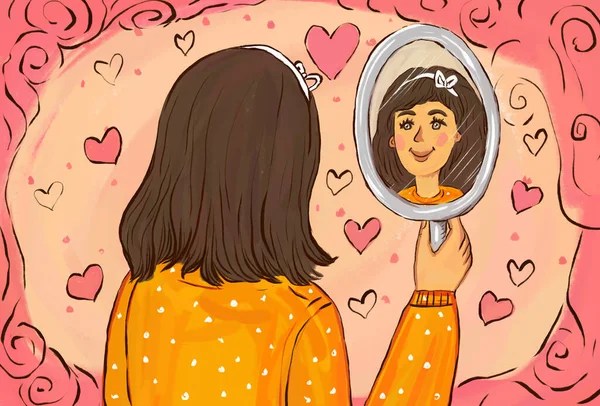
February is known to be the month of love, spreading love to our loved ones. We spend a lot of time trying to share that love that we often forget about ourselves. It’s important to learn how to love yourself. It helps us lead a healthier life and have better mental health. When we don’t love ourselves, it takes a toll on us, possibly leading to depression, anxiety, or an eating disorder. There are many ways to show love to ourselves, here are a couple ways.

Shift Your Perspective

  • Focusing on the bad aspects of ourselves won’t lead to anywhere good
  • Shift your perspective towards a more positive outlook
  • Don’t always see the cons, recognize the pros as well, they need love too

Affirmations

  • Write out a list of what you like + love about yourself
  • Tell yourself that you appreciate all parts of  your body/personality
  • Embrace the beauty of it all
  • Remember your body does plenty of work to keep you going every day
  • Keep telling yourself all these affirmations throughout the low points you may have

Practice Self-Love

  • Focus on the hobbies that you enjoy
  • Pour yourself  into becoming better at your hobbies
  • Be kind to yourself, you only have one body, so take care of it
  • Learn to forgive yourself when you haven’t accomplished everything you hoped for
  • Learn to forgive yourself when you aren’t kind to yourself
  • It’s okay to say “No.” You don’t have to please others all the time.

The most important relationship you can have is with yourself.  You may have heard this saying once or twice but it’s true, “Learn to love yourself first so you can spread love to others.”  Make time to focus and nourish your own self. It doesn’t all get done in one day. As long as you work on yourself a little bit every day that’s all that matters.

If you or someone you know is struggling with self-love, please contact our psychotherapy offices in New York or New Jersey to talk to one of our licensed professional psychologists, psychiatrists, psychiatric nurse practitioners, or psychotherapists at Arista Counseling and Psychotherapy. Contact our Paramus, NJ or Manhattan, NY offices respectively, at (201) – 368-3700 or (212)-722-1920 to set up an appointment. For more information, please visit https://www.counselingpsychotherapynjny.com/

References

Improving every area of your life starts with self-love. Improving Every Area of Your Life Starts with Self-Love | Tony Robbins. (n.d.). https://www.tonyrobbins.com/ultimate-relationship-guide/how-to-fall-in-love-with-yourself?srsltid=AfmBOoq4CvACby5hWenBdEGAH5zBgxAPOtKzEvtobHDRZ6cGfT9MaFtn


Pomlett, M. (2020, December 21). Learn how to self-love. Psychological Health Care. https://www.psychologicalhealthcare.com.au/blog/learn-how-to-self-love/

Relationships & Long Distance: Strategies to Succeed

Relationships & Long Distance: Strategies to Succeed

By Caroline Buchanan

One of the ultimate tests for a romantic relationship is maintaining the relationship despite the distance. As a result, this could lead to distinct challenges and obstacles. While research from 2018 suggests that couples who live farther than an hour apart tend to break up, at least 60% of partnerships still make their long distance relationship succeed. What are these people probably doing to make it work? The best answer seems to be making the distance work for your relationship, and not working around it (Psych Central). There are strategies that can be implemented to help manage and avoid these common roadblocks.

Strategies:

  • Communication

Your communication method may be the key difference in whether your relationship lasts or falls apart. Phone calls or video calls should be used for heartfelt conversations or heavier discussions. Arguments in text based conversations can lead to misinterpreting the intention behind a message. Use texting mainly for casual contact such as “good morning” and “enjoy your day” type messages.           

  • Acknowledging Fear-based behaviors

 Long distance relationships tend to bring out fears: Fear that the other partner doesn’t care anymore or is going to leave you for someone else. While it’s not uncommon to feel these fears, it is important to recognize these negative thinking patterns. If you are open and clear in your communication with your partner, this may help prevent or subside fears. Let your partner clarify situations that may be bothersome to you.

  • Intimacy

 If you both are comfortable in your relationship, you could imitate the physical connection and enjoy pleasure together by trying erotic conversations, video sex, or phone sex. Make sure you are open and honest about your expectations in engaging in these activities.

While it requires intent and effort, maintaining love in a long-distance relationship is possible. Take the time to think about seeking the help of a mental health professional if you’re experiencing challenges or feeling anxiety in your relationship. This would help you develop specific skills to be able to establish secure bonds.

If you or someone you know is struggling in a long distance relationship, please contact our psychotherapy offices in New York or New Jersey to talk to one of our licensed professional psychologists, psychiatrists, psychiatric nurse practitioners, or psychotherapists at Arista Counseling & Psychotherapy. Contact our Paramus, NJ or Manhattan, NY offices respectively, at (201) 368-3700 or (212) 722-1920 to set up an appointment. For more information, please visit http://www.counselingpsychotherapynjny.com/


https://psychcentral.com/lib/how-to-make-long-distance-relationships-work

Narcissistic Personality Disorder: Being the Child of a Narcissistic Parent

Narcissistic Personality Disorder: Being the Child of a Narcissistic Parent

By, Dyami Efroimson

                Narcissistic Personality Disorder is characterized by having an inflated sense of importance. Those that have this disorder crave attention and admiration from those around them and have an obsession with others agreeing with their convictions. If these people feel as though they are not receiving this validation, they can be unpredictable in their reactions, sometimes lashing out at the people around them. Having narcissistic parents can result in an unstable household that leads to harmful personality traits in developing children. Some of these traits include

  1. Fawn Effect: This act of befriending and appeasing a perceived threat is also known as people pleasing and can manifest in children going along with whatever they believe will make their parents happy out of fear of retaliation. From this, their lives may begin to revolve around the happiness of others.
  2. Poor self-esteem: Because narcissistic parents desire to have the spotlight on them at all times, they may tear down their children and play off of their insecurities to then build themselves up, leading to their children holding a low opinion of themselves.
  3. Inability to set boundaries: After being trained to consider their parents wants and needs before everything, children of narcissistic parents can have trouble setting boundaries and doing what is best for themselves without feeling guilty.

                Although these traits can make transitioning into adulthood incredibly difficult for these children, it is possible for them to break out of these ingrained processes through therapy and can lead a healthy and happy life.

If you or someone you know is struggling with having a narcissistic parent or with their mental health please contact our psychotherapy offices in New York or New Jersey to talk to one of our licensed professional psychologists, psychiatrist, psychiatric nurse practitioners, or psychotherapists at Arista Counseling and Psychotherapy. Contact our Paramus, NJ or Manhattan, NY offices respectively, at (201) 368-3700 or (212) 722-1920 to set up an appointment. For more information, please visit http://www.counselingpsychotherapynjny.com/

Sources:

https://www.verywellmind.com/how-to-deal-with-a-narcissistic-parent-7373070

The Courage to Love Again-The Psychology of Heartbreak

The risk of loving someone is the fact that heartbreak may come one day. It is associated with singlehood, neurotic tendencies, and an anxious/avoidant attachment. After the heartbreak one starts the fear being hurt again or/and you start to believe that there is something about you that makes it impossible for someone to love you properly.

Romantic love activates in the caudate nucleus through dopamine.  Psychologist refer to this part of the brain as the “reward system”, emphasizing the idea that love does trigger emotion but essentially it is more of a motivational state, the motivation to obtain and retain the objects affection. This part of the brain lights up when someone is in love and when someone is a cocaine addict, meaning you are essentially an addict. Getting over your lost love will be tedious but well worth it. Researchers have found that if a person was no longer in love but still in pain from a break up their brain would still be in motivation mode, and expecting a reward. Hence why heartbreak can bring visceral pain, your body is not getting what it wants. The grieving person has numerous neural circuits devoted to the lost person, and each of these has to be brought up and reconstructed to take into account the person’s absence.

Specifically, the pain may be caused by the simultaneous hormonal triggering of the sympathetic activation system (fight-or-flight system that increases the activity of the heart and lungs) and the parasympathetic activation system (rest-and-digest response, social engagement system). It’s like heart’s accelerator and brakes are pushed simultaneously, creating the feeling of heartbreak.

What can help?

  • Give yourself time to grieve and reflect
  • Forgive the other person and yourself
  • Work on rebuilding good feelings about yourself and a life on your own
  • Avoid assumptions that keep you mired in the wreckage of your past relationship
  • Be aware of old relationship patterns
  • Be open to someone who is different
  • Give love time to grow

If you or someone you know is seeking therapy due to heartbreak, please contact our psychotherapy offices in New York or New Jersey to talk to one of our licensed professional psychologists, psychiatrists, psychiatric nurse practitioners, or psychotherapists at Arista Counseling & Psychotherapy. Contact our Paramus, NJ or Manhattan, NY offices respectively, at (201) 368-3700 or (212) 722-1920 to set up an appointment. For more information, please visit http://www.counselingpsychotherapynjny.com/

https://greatergood.berkeley.edu/article/item/this_is_your_brain_on_heartbreak

https://www.psychologytoday.com/us/blog/complicated-love/202011/love-after-heartbreak

https://www.psychologytoday.com/us/blog/complicated-love/202011/love-after-heartbreak

Healthy Relationships: What does a healthy relationship look like

Healthy Relationships: What does a healthy relationship look like

By: Alexa Greenbaum 

As humans, we seek genuine relationships in which both parties are satisfied and attain benefits from being a part of the relationship. Every relationship is unique, and people come together for many different reasons, but the key elements to a healthy relationship remain. Healthy relationships bring out the best in you and make you feel good about yourself. However, a healthy relationship does not mean that it is perfect, no one is healthy 100% of the time. 

Healthy relationships manifest themselves as healthy communication and proceed at a comfortable pace that feels enjoyable to each person. There is a common goal for where both parties want the relationship to go. Trust is also a component of a healthy relationship. Trust can help you feel secure and give you the confidence that your partner would not do anything to hurt or ruin the relationship. When there is honesty, it can allow yourself to be truthful and candid without fearing how the other person will respond. Independence from a significant other can strengthen a relationship because it can give you the space to be yourself outside of the relationship. No one person can meet all your needs. Maintaining outside interests and relationships can sustain your own identity as well as stimulate and enrich your romantic relationship. Mutual respect is also critical. When there is respect, you value each other’s beliefs and opinions and love one another for who you are as a person.  

Overall, a healthy relationship does not only require trust, honesty, and independence, healthy relationships also require reciprocation and care. A good relationship is where both parties do things for each other and care about the relationship by voluntarily investing time and energy into the relationship. This means that there is equality within the relationship. The relationship feels balanced so that everyone puts the same effort into the success of the relationship. Equity allows both parties to maintain a meaningful emotional connection. Doing things for each other should be done out of kindness. Kindness means that you are caring and empathetic to one another. Kindness also means that you provide comfort and support, kindness makes each other feel loved and emotionally fulfilled. 

In times of conflict, taking responsibility and owning your actions and words, avoiding placing blame, and admitting when you make a mistake is critical in healthy relationships. Conflict can be healthy if handled correctly and respectfully. If conflicts are handled appropriately, it should not make couples fear disagreement. Healthy conflict is when parties within a relationship openly and respectfully discuss issues but confronting disagreement non-judgmentally. Lastly, a healthy relationship is fun. Fun in a healthy relationship means that you enjoy spending time together that you bring out the best in each other.

If you or someone you know is struggling in their relationship or another crisis, please contact our psychotherapy offices in New York or New Jersey to talk to one of our licensed professional psychologists, psychiatrists, psychiatric nurse practitioners, or psychotherapists at Arista Counseling & Psychotherapy. Contact our Paramus, NJ or Manhattan, NY offices respectively, at (201) 368-3700 or (212) 722-1920 to set up an appointment. For more information, please visit http://www.counselingpsychotherapynjny.com/ .

Sources

10 Signs of a Healthy Relationship

https://www.helpguide.org/articles/relationships-communication/relationship-help

Image Source

https://www.betterhelp.com/advice/relations/counseling-for-couples-as-part-of-a-healthy-relationship/

Anxiety: Generalized Anxiety Disorder

By: Gabriella Phillip

Anxiety is normal as we all worry from time to time about meeting deadlines for work or school, or being on time for a scheduled appointment. However, people with generalized anxiety disorder, or GAD, experience a chronic state of severe worry and tension, often without provocation. People with GAD aren’t usually able to shift their focus from their concerns, even though they are aware that much of their anxiety is unwarranted. These worries can include overthinking plans and solutions, inability to set aside or let go of a worry, or severe difficulty with handling uncertainty. People diagnosed with generalized anxiety disorder undergo persistent, excessive worry that occurs on more days than not for at least six months and show at least 3 symptoms of the disorder.

For patients with GAD, worrying is often accompanied by physical symptoms including headaches, irritability, muscle tension, difficulty sleeping or concentrating, sweating, hot flashes, and restlessness. Generalized anxiety disorder affects around 6.8 million American adults; women are twice as likely as men to be afflicted. Onset age of this disorder can occur at any point in one’s life, but usually begins between childhood and middle age. Generalized anxiety disorder can affect all areas of life including social life, school, work, and family. According to a national survey conducted by the Anxiety Disorders Association, 7 out of 10 people diagnosed with GAD noted that their persistent anxiety has a clear impact on their romantic relationships and two-thirds reported that that this disorder has had a negative effect on their friendships. Generalized anxiety disorders are the most common cause of workplace disability.

Treatment for GAD commonly includes medication, cognitive behavior therapy (CBT), talk therapy (psychotherapy), exposure therapy, and anxiety management; some of these treatments are used simultaneously. There is no single optimal treatment since what works for one patient might not be as effective for another patient. A combination of modalities is usually most effective.

If you or someone you know is struggling with Generalized Anxiety Disorder, Arista Counseling and Psychotherapy can help as we are able to provide a combination of treatments which have proven to be effective. Please contact our psychotherapy offices in New York or New Jersey to talk to one of our licensed professional psychologists, psychiatrists, psychiatric nurse practitioners, or psychotherapists. Contact our Paramus, NJ or Manhattan, NY offices respectively, at (201) 368-3700 or (212) 722-1920 to set up an appointment. For more information, please visit http://www.counselingpsychotherapynjny.com/ .


Sources

Click to access July%2015%20GAD_adaa.pdf

https://www.psychologytoday.com/us/conditions/generalized-anxiety-disorder


Listening: Three Ways to Become a Better Listener

listening

By: Tamar Asayan

All anyone ever wants is to be listened to when they are going through a difficult time in their life. An act as simple as listening can be the biggest help anyone can ask for. However, it can also be the hardest thing to do because listeners have a habit of relating issues back to themselves. The aim of listening is not to try to fix them or tell them what to do; instead it is to show them that you care and feel for them as they are struggling. Oftentimes, it is better to not relate issues back to yourself. People feel the need to be listened to because they want to make sure their thoughts are rational, and do not want to overthink. When we listen it reassures the person that we care and that they are not alone.

Three easy steps to becoming a better listener is to listen, understand, and respond appropriately.

  1. Listen
    • Pay attention to not only what the speaker is saying but body language as well.
    • Do not interrupt the speaker.
  2. Understand
    • This is the time to process everything the person has told you so you know how to respond appropriately.
    • Ask questions; the best types of questions to ask are open ended and reflective questions.
    • This allows the speaker to open up even more and explain what they are going through.
  3. Response
    • Address the speaker’s points.
    • Restate what they have told you.
    • Don’t complete the speaker’s sentences. This can come off rude, and interrupts your time to listen and for them to speak. Interrupting and assuming what the speaker is feeling will make them think you do not want to listen.

Sources:

https://blog.udemy.com/importance-of-listening/

https://psychcentral.com/blog/the-generosity-of-listening/

https://psychcentral.com/lib/become-a-better-listener-active-listening/

Image: http://throwthediceandplaynice.com/2017/12/listening-up-in-2018.html

If you or someone you know may be having trouble with communication speak with one of our licensed professional psychologists, psychiatrists, psychiatric nurse practitioners, and psychotherapists. Contact us at our Paramus, NJ or Manhattan, NY offices at (201) 368-3700 or (212) 722-1920 respectively to set up an appointment. For more information, visit http://www.counselingpsychotherapynjny.com/.


Self-Esteem and Shaming Parents

By Stephanie Osuba

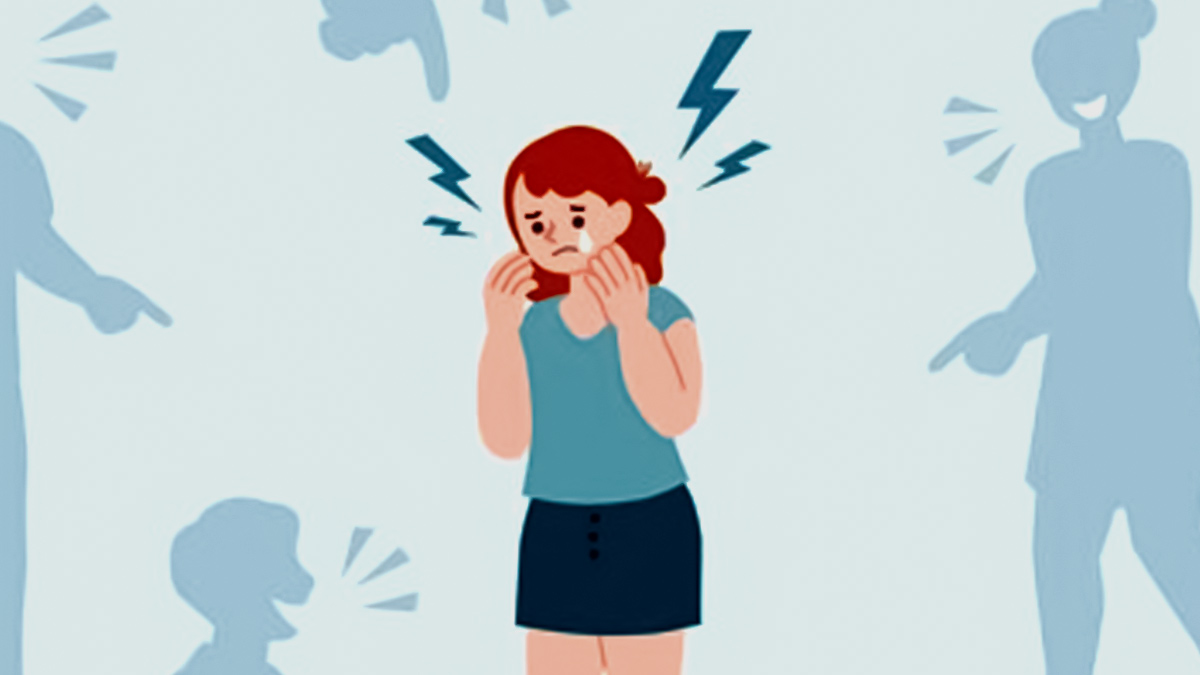
We have all felt, in one way or another, like we weren’t good enough or even felt embarrassed after making a mistake at work. This is healthy in that we are expressing sadness or just reflecting on a situation that could have been handled differently, but we move on and eventually feel valued and confident again. However, for some, that feeling of shame and guilt never goes away. Some believe they are inherently flawed, worthless, and inferior to everyone else. These negative emotions and lack of self-esteem are largely rooted in repeated childhood and adolescence trauma that is often left unprocessed. Internalization of this emotional abuse leads to a conditioning of sort, usually by the primary caregiver, that the negative emotions constantly felt reflect who one is as a person. This person comes to genuinely believe that he or she is a bad person, unlovable, never good enough, and deserves to be treated with disrespect.

The constant shame is also accompanied by a constant feeling of guilt. Everything is his or her fault, regardless of the context. There is a sense of unjust responsibility for other people’s emotions and the outcome of all situations. Its no wonder why low self-esteem can manifest itself in anxiety, self-harm or poor self-care, or on the other extreme, narcissism and antisocial tendencies. Here are some behaviors that can be a manifestation of low self-esteem:

  • Lack of healthy self-love: poor self-care, self-harm, lack of empathy, and inadequate social skills
  • Emptiness: loneliness, lack of motivation, and finding distractions from emotions
  • Perfectionism: this is often a behavior that manifests as adults because of the unrealistic standards these children were held to by their parents and were punished for not meeting
  • Narcissism: grandiose fantasies of who they want others to perceive them to be; even if they do succeed however, this protective personality doesn’t numb the negative emotions they truly feel.
  • Unhealthy relationships: people with low self-esteem are incapable of building and maintaining a relationship with others, largely because they don’t know what a healthy relationship looks like. Both parties are usually extremely dependent.
  • Susceptibility to manipulation: the constant self-doubt, shame and guilt make it too easy to bend a person with low self-esteem to an experienced manipulator’s will.

Source: Cikanavicius, D. (2018, September 03). A Brief Guide to Unprocessed Childhood Toxic Shame. Retrieved from https://blogs.psychcentral.com/psychology-self/2018/09/childhood-toxic-shame/ 

If you or someone you know is struggling with self-esteem, the licensed psychologists, psychiatrists, psychiatric nurse practitioners, and psychotherapists at Arista Counseling & Psychotherapy can assist you. Contact our Paramus, NJ or Manhattan, NY offices respectively, at (201) 368-3700 or (212) 722-1920 to set up an appointment. For more information, visit http://www.counselingpsychotherapynjny.com/