If you hear someone you know is in couples counseling you might assume they are fighting with their partner, unhappy, and on the verge of breaking up or getting a divorce. But contrary to popular belief, couples therapy can be used simply for maintenance purposes. Couples may want to work on strengthening their relationship, learn strategies to deal with future challenges, or see the sessions as ways to prioritize each other despite a hectic schedule.
Many couples seek out a professional only once they are in an active crisis. Often times, this can cause difficulties in successfully addressing the issue(s) at hand. If a couple begins therapy when they are in a good place, future challenges can often be mitigated and addressed before they become detrimental. Having scheduled time to talk with each other can also be very helpful in making sure partners are communicating with each other. Many people enjoy therapy with their partner as they get to learn more about each other that they might not have otherwise known. Additionally, through carving out time to actively focus on their relationship, a couple may already be one step closer to avoiding future conflict.
Eliminating the notion that couples therapy is only for those who are in a relationship emergency is crucial. Many couples who would not classify their relationship as “rocky” or “troubled” can benefit immensely from sessions with a trained professional. Couples who do engage in this maintenance therapy sessions may prevent future problems, grow closer to each other, and feel overall happier and satisfied in their relationship.
If you or someone you know is interested in pursuing couples counseling, please contact our psychotherapy offices in New York or New Jersey to talk to one of our licensed professional psychologists, psychiatrists, psychiatric nurse practitioners, or psychotherapists at Arista Counseling & Psychotherapy. Contact our Paramus, NJ or Manhattan, NY offices respectively, at (201) 368-3700 or (212) 722-1920 to set up an appointment. For more information, please visithttp://www.counselingpsychotherapynjny.com/
Social Anxiety: The Surprising Ways Parents Contribute to Social Anxiety in Their Kids
By, Maro Mikhaeil
Being a parent means you will have a defining influence on your child’s emotional and social development. From an early age, your child’s distinct temperament will control how they would respond to the environment. Temperament refers to personality traits that determine individuals’ interactions with their environment. While some children are ready for new experiences, others may demonstrate shyness or uneasiness when faced with unpredictable events. Shyness is a feature of childhood; however, children whose shyness, hesitation to engage in social interactions, or other inhibited behaviors are consistent from infancy to adolescence are more likely to be diagnosed with anxiety disorders such as social anxiety in their teenage years. Discovering this connection could aid you in nurturing your child’s emotional health from birth.
Moreover, a child that shows signs of shyness may hesitate when contacting new people and places, only look down or ignore other children or adults they do not know, and feel uncomfortable to express themselves when participating in social activities. Although, shyness can be temporary, the occurrence of shy behavior in several stages of childhood may mean that there is a need for such a child to have some extra support in their social skills.
Research highlights the crucial role of early intervention as children with shy or cautious natures during their early years have a higher chance of developing social anxiety disorder in their teenage years (Chronis-Tuscano et al., 2009). Researchers considered the possibility that kids who have been shy or anxious from infancy through childhood are more likely to develop anxiety disorders as teenagers (Chronis-Tuscano et al., 2009).
In a similar study, Poole and other researchers followed a group of infants from the age of four months. They monitored their social and emotional development until they were 13 years old. They wanted to know if the infants’ type of response to new situations (positive, negative, or neutral) would influence their behavior and social skills in the future as they grow older. Their research outlined how social anxiety can evolve and how early characteristics may influence these paths (Poole et al., 2022).
For example, if your child’s shyness is why they cannot participate in activities that are part of their day-to-day life or make friends. Then, it may be time to seek the help of a pediatrician or a clinical psychologist. The early intervention could assist in identifying any anxiety that might be the root cause of the problem, and your child will be equipped with the required abilities for a better future. Knowing that temperament from early on can influence mental health later on, one can take active roles in building the child’s development. It’s important to work out open communication with your child and make sure that you pay attention to their emotional needs. The more you do, the better it will be for your child to build these skills and establish valuable social interactions to help children reach their full potential.
If you or someone you know is struggling with social anxiety or mental health, please contact our psychotherapy offices in New York or New Jersey to talk to one of our licensed professional psychologists, psychiatrists, psychiatric nurse practitioners, or psychotherapists at Arista Counseling & Psychotherapy. Contact our Paramus, NJ or Manhattan, NY offices respectively, at (201) 368-3700 or (212) 722-1920 to set up an appointment. For more information, please visithttp://www.counselingpsychotherapynjny.com/
Chronis-Tuscano, A., Degnan, K. A., Pine, D. S., Perez-Edgar, K., Henderson, H. A., Diaz, Y., Raggi, V. L., & Fox, N. A. (2009). Stable early maternal report of behavioral inhibition predicts lifetime social anxiety disorder in adolescence. Journal of the American Academy of Child & Adolescent Psychiatry, 48(9), 928–935. https://doi.org/10.1097/chi.0b013e3181ae09df
Poole, K. L., Degnan, K. A., Harrewijn, A., Almas, A., Fox, N. A., & Henderson, H. A. (2022).Trajectories of socially anxious behavior from age 5 to 13: Temperamental and sociocognitive pathways. Child Development, 93(5), 1334–1346. https://doi.org/10.1111/cdev.13767
Panic Attacks vs. Anxiety Attacks: Understanding the Differences and Seeking Help
By, Maro Mikhaeil
Have you ever felt your heart racing and felt completely detached from the world? Chances are, you may be experiencing a panic attack. Or have you ever felt so irritable and restless to the point where it’s disrupting your sleep? Well, in that case, you may be experiencing anxiety or an anxiety attack. Don’t get the two confused, as there are differences between them.
Panic attacks are intense, unexpected feelings of terror, fear, or discomfort. They are unexpected because they aren’t triggered by specific events and may occur without reason. Panic attacks are typically brief and only last several minutes. Physical symptoms include trembling, tingling, rapid heart rate, chest pain, feeling tightening in arms and hands, chills, etc. Symptoms vary from person to person, but these are the most common.
Anxiety attacks or anxiety are characterized by feeling restless and fearful that something is going to happen. Unlike panic attacks, anxiety attacks are triggered by specific events. Some physical symptoms include feeling lightheaded, dizzy, stomach knots, rapid heart rate, heavy breathing, hot flashes, nausea, headaches, backaches, and frequent sweating. Frequent anxiety attacks can indicate a type of anxiety disorder. Anxiety may not always be rational and may just occur because of fearing something bad is going to happen, even though it may just be all in your head.
It’s important to understand how you can differentiate between the two and to seek help when you need it. Often people don’t want to seek help, which can cause symptoms to worsen. Don’t be afraid to seek help, as there are many options available, such as therapy, medication, and lifestyle changes. It’s important to prioritize your mental health and take care of yourself. Remember that you are not alone, and many others have experienced similar symptoms. It’s okay to ask for help and take the steps necessary to manage your anxiety or panic attacks. With the right treatment and support, you can overcome these challenges and live a fulfilling life.
If you or someone you know is struggling with anxiety or panic attacks, please contact our psychotherapy offices in New York or New Jersey to talk to one of our licensed professional psychologists, psychiatrists, psychiatric nurse practitioners, or psychotherapists at Arista Counseling & Psychotherapy. Contact our Paramus, NJ or Manhattan, NY offices respectively, at (201) 368-3700 or (212) 722-1920 to set up an appointment. For more information, please visithttp://www.counselingpsychotherapynjny.com/
Sources:
Diagnostic and Statistical Manual of Mental Disorders Fifth Edition by the American Psychiatric Association (DSM-IV)
REM Sleep: The Consequences of Disrupting your Sleep Pattern
By, Maro Mikhaeil
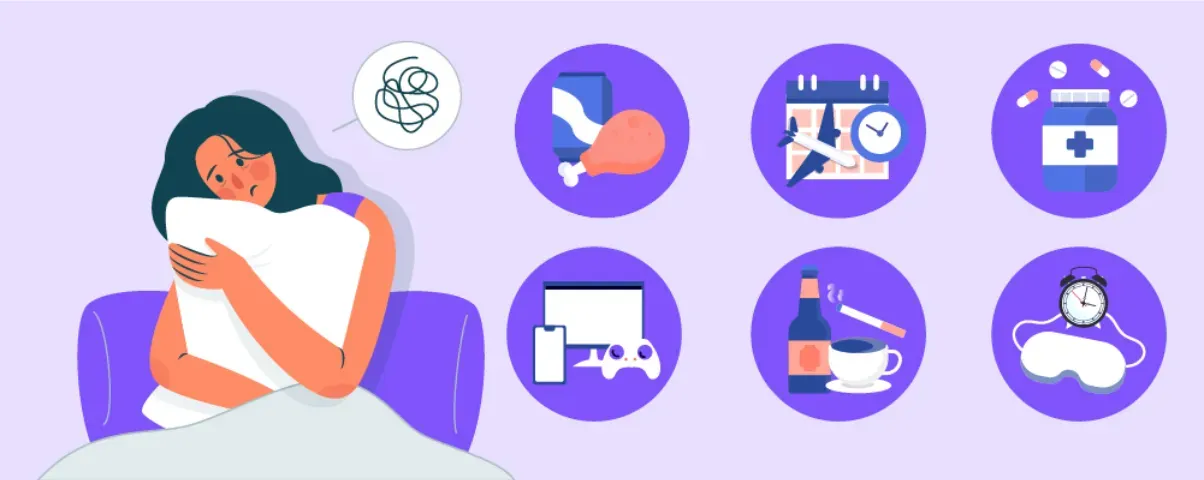
Believe it or not, lack of sleep affects you more than just feeling groggy the next day. In fact, sleep plays an important role when it comes to brain function. Your brain needs the time to rest and prepare for the next day.
There are four stages of sleep: the first three stages are called NREM which stands for non-rapid eye movement and the fourth and final stage is called REM, which stands for rapid eye movement. These stages of sleep cycle multiple times throughout the night. They each last between 90-120 minutes. REM sleep is the deepest stage of sleep and where you might start to experience dreaming.
What people might not realize is that REM sleep is the stage of sleep where memories from the events that happened the previous day are forming and being engraved in your brain. Think of your brain as this filing cabinet where sleep would be the best time for your brain to start sorting all these memories. Even emotions and emotional memories are processed in REM sleep. Making sure you have adequate sleep helps with learning and being able to recall what you just learned. So next time, if you feel like neglecting sleep, think again!
If you or someone you know is struggling with sleeplessness, or mental health, please contact our psychotherapy offices in New Jersey to talk to one of our licensed professional psychologists, psychiatrists, psychiatric nurse practitioners, or psychotherapists at Arista Counseling & Psychotherapy. Contact our offices at (201) 368-3700 or (212) 722-1920 to set up an appointment. For more information, please visit http://www.counselingpsychotherapynjny.com/
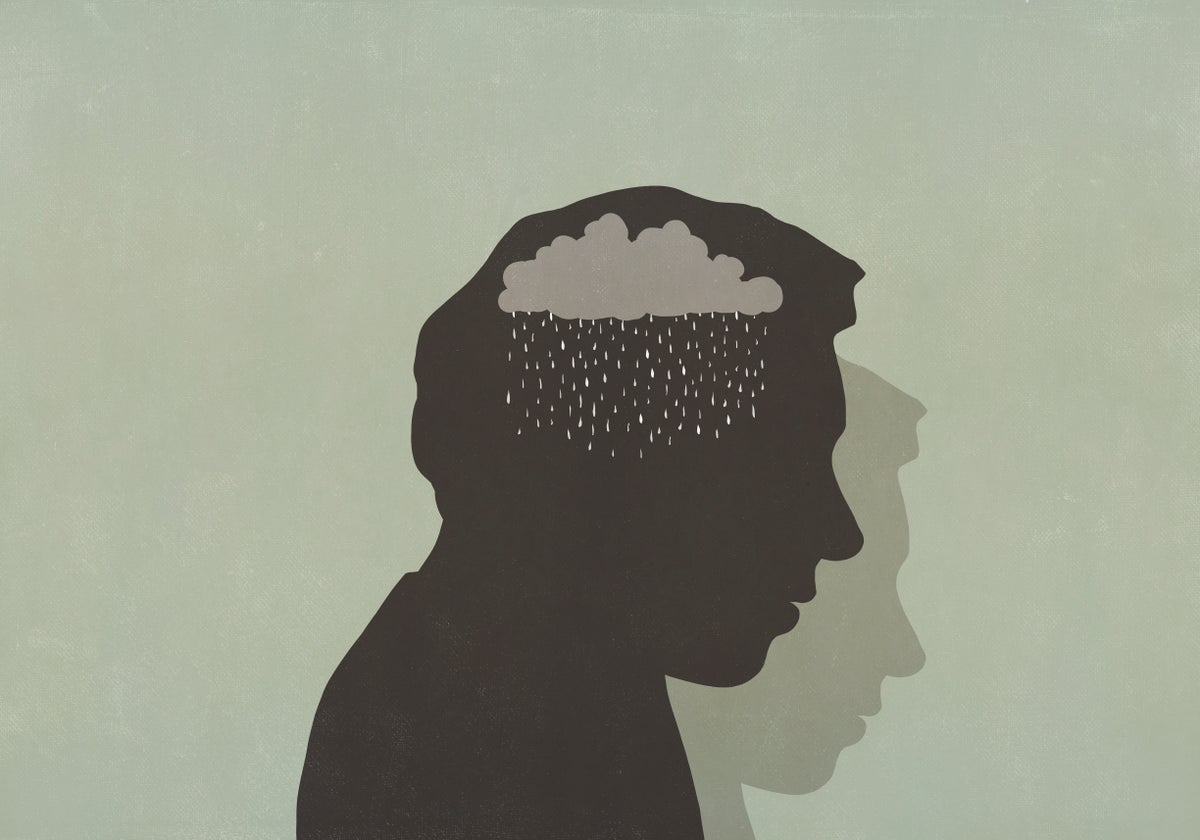
High-functioning depression, also known as dysthymia, is a type of depression that can be described by persistent feelings of sadness, low energy, and a lack of pleasure in activities. People that have high-functioning depression may experience a wide range of symptoms, such as feelings of hopelessness, fatigue, difficulty concentrating, low self-esteem, sleep disturbances, and/or a lack of interest in activities that were once enjoyable. One of the main differences between high-functioning depression and other forms of depression is the severity of symptoms. Individuals with major depressive disorder may experience highly intense feelings of hopelessness and despair; however those with high-functioning depression may have a more subtle experience of these symptoms. Those with high functioning depression may still be able to fulfill their responsibilities such as work or school, and maintain their relationships, but they may constantly battle with feelings of emptiness and sadness. Another difference has to do with the perception of others. People with high-functioning depression are oftentimes misunderstood and since they appear to be functioning well, others may minimize or dismiss their issues or attribute their feelings to mere moodiness.
Psychotherapy is an effective treatment approach for high-functioning depression. By working with a therapist to identify and transform negative thought patterns, people are able to improve their wellbeing by exploring healthy ways of managing emotions and stress. In some cases, medication may be part of the treatment plan for high-functioning depression. Antidepressant medications, such as selective serotonin reuptake inhibitors (SSRIs), can help alleviate symptoms and improve overall well-being.
If you or someone you know is having mental health difficulties and/ or experiencing symptoms of depression, please contact our psychotherapy offices in New Jersey to talk to one of our licensed professional psychologists, psychiatrists, psychiatric nurse practitioners, or psychotherapists at Arista Counseling & Psychotherapy. Contact our offices at (201) 368-3700 or (212) 722-1920 to set up an appointment. For more information, please visit http://www.counselingpsychotherapynjny.com/
Do you find yourself seeking the approval of people yet being bullied in return? Often, we feel the need to be liked by others and we find ourselves changing who we are. When you are continuously attempting to impress others by pretending to be someone you are not or hiding your genuine self, you are manifesting a fear of rejection. Unfortunately, others may be able to notice your fears and use them against you since you are trying too hard to “fit in”.
Emotional abuse is real, and it may be just as harmful as physical abuse. Emotional abuse creates distress in the individual’s emotional or psychological state. Kids can be harsh, and the Pew Research Center reports that at least 59% of kids in the United States have been bullied. Bullying can lead to low self-esteem and increased self-consciousness. This creates a negative feedback loop in which bullied people are more inclined to suffer from social anxiety, and vice versa. Bullying can potentially escalate into physical violence, resulting in pain on both fronts.
But what is Social Anxiety?
According to the DSM-IV, Social Anxiety is defined as feeling frightened or worried in social situations, which may lead to the desire to avoid social encounters altogether. Unfortunately, bullying does not help; instead, it can worsen symptoms as anxiety sets in, when anything one does is criticized and, as a result, is emotionally abused.
What can you do about it?
First and foremost, in dealing with the disorder, you must not feed the desire to avoid social interactions. The more we care about what others think, the more we lose ourselves and suppress our genuine identities. It is crucial to remember that bullying occurs more frequently than you think and if you allow it to disrupt your life, you are merely hurting yourself.
If you or someone you know is a victim of bullying and/or experiencing social anxiety, please contact our psychotherapy offices in New York or New Jersey to talk to one of our licensed professional psychologists, psychiatrists, psychiatric nurse practitioners, or psychotherapists at Arista Counseling & Psychotherapy. Contact our Paramus, NJ or Manhattan, NY offices respectively at (212) 722-1920 or (201) 368-3700 to set up an appointment. For more information, please visit https://www.counselingpsychotherapynjny.com
Binge-Eating Disorder: The Link between Mental Health and Binge-Eating in College Students
By, Maro Mikhaeil
Have you heard of the commonly used expression, the “Freshman 15”? This expression is used to describe how the first year of college can be very challenging as one is transitioning to a different stage of their life. It is so challenging that it could lead to an excessive amount of stress and anxiety leading to the need to compensate those feelings. Food can very well help compensate those feelings, but if it comes to a point where it becomes a habit, you’ve got problems. Overeating may start to occur and that’s where the “Freshman 15” expression comes in. “15” in the expression refers to the amount of weight gain as a result of the high stress and anxiety levels that comes with freshman year of college. Unfortunately this could cause long term problems associated with overeating such as Binge-Eating Disorder.
Binge-Eating Disorder is characterized as overeating frequently in a short amount of time. The binge-eater experiences trouble controlling their consumption. According to the DSM-IV, in order to be diagnosed with Binge-Eating Disorder, one must have three or more episodes of:
Excessively eating more consistently than normal
Overeating until feeling uncomfortably full
Eating big portions of food without being hungry
Having the preference of eating alone due to embarrassment
Feeling guilty after indulging in food.
If you or someone you know is struggling with their mental health or binge-eating disorder, please contact our psychotherapy offices in New York or New Jersey to talk to one of our licensed professional psychologists, psychiatrists, psychiatric nurse practitioners, or psychotherapists at Arista Counseling & Psychotherapy. Contact our Paramus, NJ or Manhattan, NY offices respectively at (212) 722-1920 or (201) 368-3700 to set up an appointment. For more information, please visit https://www.counselingpsychotherapynjny.com
Sources:
Diagnostic and Statistical Manual of Mental Disorders Fifth Edition by the American Psychiatric Association (DSM-IV)
Obsessive compulsive disorder is comprised of a pattern of unwanted thoughts and or fears known as obsessions. These obsessions lead one to do repetitive behaviors, also called obsessions. These obsessions and compulsions interfere with much of one’s daily activities and can cause a lot of distress. Ultimately, one feels driven to carry out compulsive acts to reduce their stress. Examples of common content of obsessional thoughts include the fear of contamination, disturbing sexual thoughts or images, religious and blasphemous thoughts, or ritualized hand washing. Ordering things in a particular way, repeated cleaning of objects or repeatedly checking locks, appliances etc. Compulsions can even include the need to constantly seek approval or reassurance. Often there are peole with OCD that recognize or suspect their obsessional thoughts are not realistic though some may think they could be true. Even if they are aware of their intrusive thoughts are not realistic, people struggling with OCS have difficulty disengaging from the obsessive thoughts or stopping the compulsive behaviors.
Cognitive behavioral therapy (CBT) is a type of psychotherapy that is effective for many of those that struggle with OCD. Exposure and response prevention (ERP) is a part of CBT therapy which involves exposing a person over time to the feared object or obsession, such as dirt. Then one learns ways not to do their compulsive rituals. ERP takes time and practice, but it has been proven to help those struggling with OCD improve their life quality once they learn to manage their symptoms. Patients with mild to moderate OCD symptoms are usually treated with either CBT or medication depending on their preference. It also depends on their cognitive abilities, level of insight and the presence or absence of associated psychiatric conditions, as well as treatment availability. Hypnosis has often also been used to successfully eliminate OCD symptoms. Hypnosis is a relatively short treatment of several sessions which helps the person rid themselves of harmful, repetitive behaviors.
If you or someone you know is having mental health difficulties and/ or experiencing symptoms of OCD, please contact our psychotherapy offices in New Jersey to talk to one of our licensed professional psychologists, psychiatrists, psychiatric nurse practitioners, or psychotherapists at Arista Counseling & Psychotherapy. Contact our offices at (201) 368-3700 or (212) 722-1920 to set up an appointment. For more information, please visit http://www.counselingpsychotherapynjny.com/
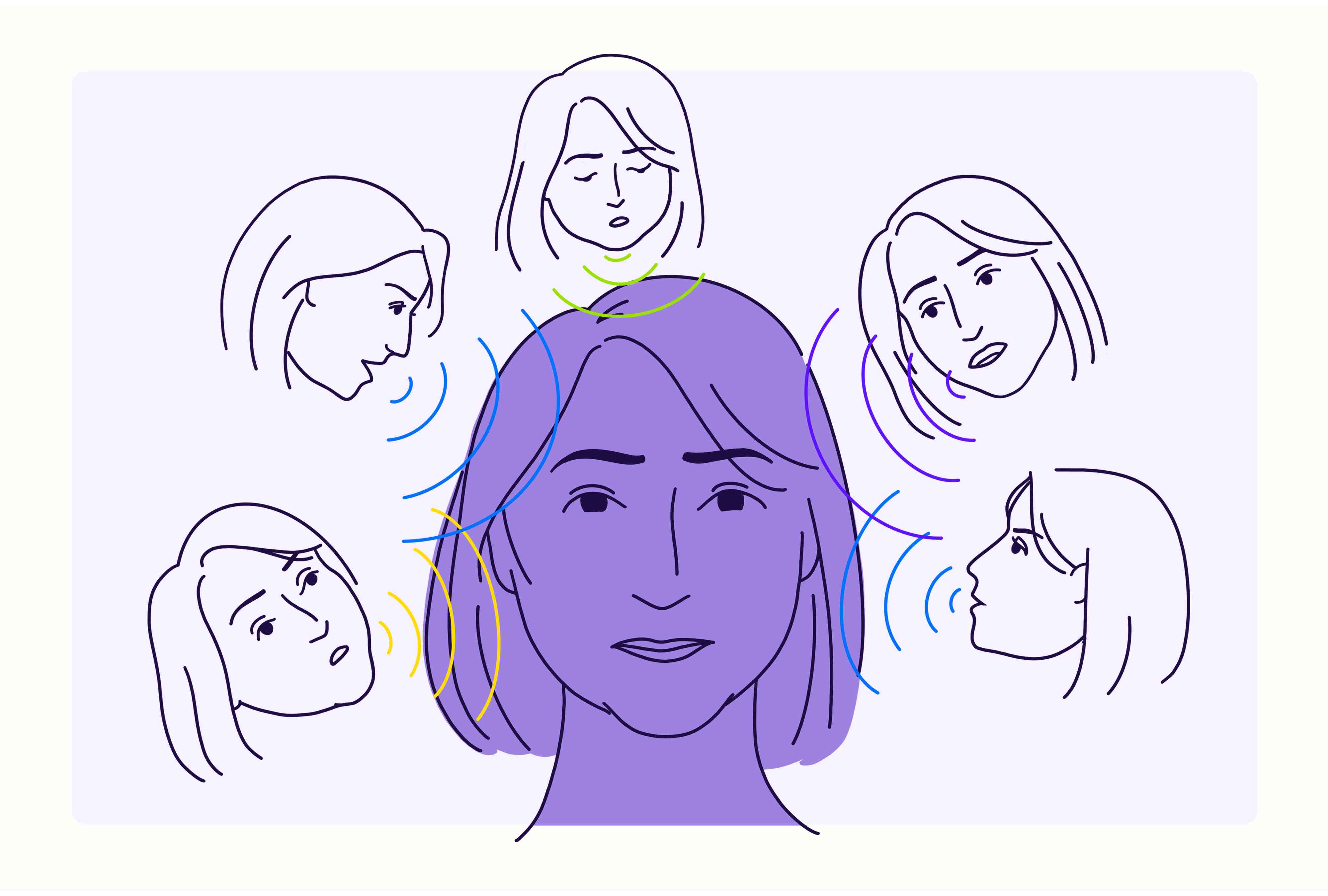
Schizophrenia is a severe mental disorder that impacts the way a person thinks, acts, expresses emotions, and perceives reality. Schizophrenia isn’t as common as other mental illnesses, however it can be the most chronic and disabling.Psychosis refers to symptoms categorized by a loss of touch with reality that comes from a disruption in the way one’s brain processes information. During a psychotic episode a person’s thoughts and perceptions are distorted, and may have difficulty differentiating what is real and what is not is not. Symptoms fall into three major categories which are positive, negative, and disorganized. Positive symptoms include hallucinations, such as hearing or seeing things that do not exist, paranoia and distorted perceptions, beliefs and behaviors. Negative symptoms include the loss or decrease in the ability to speak, express emotion or find pleasure. Disorganized symptoms include confused and disordered thinking and speech, difficulties with logical thinking and sometimes bizarre behavior or abnormal movements.
While there is no cure for schizophrenia, many patients do well on medication and these have minimal symptoms. There are numerous anti-psychotic medications that are effective in not only reducing the psychotic symptoms present in the acute phase of the illness, but also in helping limit the potential for future episodes. Psychological treatments such as cognitive behavioral therapy or supportive psychotherapy may aid in the reduction of symptoms and help enhance overall functioning by reducing stress, or improving social skills.
If you or someone you know is having mental health difficulties and/ or experiencing symptoms of schizophrenia, please contact our psychotherapy offices in New Jersey to talk to one of our licensed professional psychologists, psychiatrists, psychiatric nurse practitioners, or psychotherapists at Arista Counseling & Psychotherapy. Contact our offices at (201) 368-3700 or (212) 722-1920 to set up an appointment. For more information, please visit http://www.counselingpsychotherapynjny.com/
Depression vs. Grief: Are you depressed or are you just grieving?
By, Maro Mikhaeil
Did you experience a loss of some kind, whether it was a loved one, a job, a pet, or even a relationship? Often times, individuals will think that they are experiencing depression when that may not be the case at all. In fact, depression does not solely occur when a traumatic event has occurred but may occur due to genetics or even your environment. However, it may be hard for individuals to distinguish grieving from depression due to the similarities. This is why psychologists or psychiatrists will often ask for your history to determine treatment. Grieving and depression are both characterized by intense feelings of sadness and may have the same cause of trauma and loss. Some individuals may experience both depression and bereavement, commonly known as a process of grief, which causes significant symptoms and functional impairment and is worse than either depression or bereavement alone.
The Differences between Depression and Grief
Depression is characterized by a variety of depressive disorders, such as disruptive mood dysregulation disorder, major depressive disorder, premenstrual dysphoric disorder, substance-induced depressive disorder, medication-induced depressive disorder, and other unspecified and specified depressive disorders. Major depressive disorder is the most common and known type of depressive disorder, as it is the classic condition amongst all the other depressive disorders. It is characterized by depressive episodes that have been occurring for at least 2 weeks and/or longer, which is longer than the grieving process. Major depressive disorder is also more persistent and has more obvious characteristics because individuals will be feeling depressive symptoms everywhere, as opposed to bereavement, which is more of a fluctuating state and varies from person to person. Bereavement entails this grieving process where these negative feelings are accompanied by positive feelings, and as time passes, the wave of negative emotions will spread further and further apart. The grieving process and the associated feelings will also come to an end as the individual fully visualizes their loss through a good recollection rather than a more devastating one.
Treatment options
Despite the differences between the two, major depressive disorder and bereavement are both treatable. Psychotherapy, also known as talk therapy, can definitely treat both major depressive disorder and bereavement. Antidepressants, antipsychotics, and anxiolytics can also target the symptoms of major depressive disorder, and people find them useful in conjunction with psychotherapy.
All in all, it’s important to be mindful of all the similarities and differences and to take action when needed. Your mental health is just as important as your health; you should not let it derail your life, as there is a way out. Remember that you are not alone, as individuals all over the world are experiencing what you may be experiencing right now.
If you or someone you know is experiencing grief or depression, please contact our psychotherapy offices in New York or New Jersey to talk to one of our licensed professional psychologists, psychiatrists, psychiatric nurse practitioners, or psychotherapists at Arista Counseling & Psychotherapy. Contact our Paramus, NJ or Manhattan, NY offices respectively at (201) 368-3700 or (212) 722-1920 to set up an appointment. For more information, please visit https://www.counselingpsychotherapynjny.com




 CounselingRx