Alcoholism: A Life Altering Disorder

By: Charleene Polanco

According to Mayo Clinic, alcoholism, also known as alcohol use disorder, is defined as an alcohol use pattern that involves the inability to control ones drinking. For many who are on track to become an alcoholic, it seems pretty easy to keep convincing themselves that they have the ability to quit whenever they want. However, when he or she realizes their alcohol tolerance has increased, and that he or she experiences withdrawal symptoms when not drinking, an alcohol use disorder has developed. The common symptoms of alcoholism include:

  • Uncontrolled alcohol consumption
  • Using alcohol in unsafe situations, such as driving
  • Failure to fulfill major school or work obligations because of repeated alcohol use
  • Craving/ urges to drink alcohol
  • Withdrawal symptoms like nausea, sweating, and shaking
  • Unsuccessful attempts to cut down on the amount of alcohol consumed

Alcoholism is an important issue, because it affects a huge number of the American population. As many as 18 million Americans suffer from alcoholism, and about 100,000 die as a result. Alcoholism is also associated with other social and domestic problems, like job absenteeism and spousal/child abuse. With such a significant portion of the U.S. population suffering from this terrible disorder, and its effects on the individual and loved ones, it is imperative that a person seek help when afflicted with alcohol use disorder.

If you or someone you know is suffering from alcohol use disorder, please contact our psychotherapy offices in New York or New Jersey to talk to one of our licensed professional psychologists, psychiatrists, psychiatric nurse practitioners, or psychotherapists at Arista Counseling & Psychotherapy. Contact our Paramus, NJ or Manhattan, NY offices respectively, at (201) 368-3700 or (212) 722-1920 to set up an appointment. For more information, please visit http://www.counselingpsychotherapynjny.com/.


Sources:

Mayo Clinic. (2018, July 11). Alcohol use disorder. Retrieved October 9, 2018, from https://www.mayoclinic.org/diseases-conditions/alcohol-use-disorder/symptoms-causes/syc-20369243

WebMD. (2018). Understanding Alcohol Use Disorder — the Basics. Retrieved October 9, 2018, from https://www.webmd.com/mental-health/addiction/understanding-alcohol-abuse-basics#1

 

Assertiveness and Anxiety: How Expressing Yourself Can Lead to a Happier Self

By: Sanjita Ekhelikar

“Communication is key” is a phrase we are all familiar with, yet many struggle with actually acting on it. The most effective form of communication is through assertiveness, which involves expressing one’s views in a straightforward manner, and in standing up for one’s needs while still being considerate of others. This differs from aggressiveness in that it does not involve being outwardly emotional or insulting to others, and differs from passivity in that the individual clearly states their feelings and desires. Being assertive involves open communication, which can be difficult to engage in, especially for people struggling with anxiety. However, through practicing and learning assertiveness, people with anxiety can actually feel less worry and more confident in themselves.

Anxiety describes the uncomfortable feelings of turmoil and dread that one might have in anticipation that results in physical sensations such as rapid heartbeat, sweating, and rumination. For many who struggle with anxiety, the thought of being assertive with others makes them anxious. They often worry that being assertive will come off as being mean, creating conflict, and being inconsiderate. Therefore, many choose passive communication, and never voice their views or feelings. This worsens their state of worry, as they are not properly understood by those around them and can easily be taken advantage of. They are often misunderstood which increases their worry. Others often take advantage of them because of their meek manner and visible anxiety.

Contrary to what those with anxiety believe, assertiveness can actually help them feel better. Often times, those with anxiety create situations in their mind about everything that will go wrong if they voice themselves to another person. However, such a form of open communication can create a better understanding between two people. It allows the person with anxiety to be properly understood, to dispel the fearful thoughts in their head, and become more confident in themselves and their views.

How can people with anxiety begin working towards being more assertive? By stating their views using “I,” individuals can avoid putting blame on others by expressing their own opinions. In addition, reminding themselves that their fears are not rational and that it is their anxiety talking to them can help them become increasingly comfortable with being assertive. Finally, practice makes perfect – keep trying and speak up!

If you or someone you know is suffering from anxiety, please contact our psychotherapy offices in New York or New Jersey to talk to one of our licensed professional psychologists, psychiatrists, psychiatric nurse practitioners, or psychotherapists at Arista Counseling & Psychotherapy. Contact our Paramus, NJ or Manhattan, NY offices respectively, at (201) 368-3700 or (212) 722-1920 to set up an appointment. For more information, please visit http://www.counselingpsychotherapynjny.com/.

The Effects of Divorce on Children

By: Estephani Diaz 

In today’s world, about 50 percent of marriages end in divorce. But what about the children? Whether the break up is about money, infidelity, or other causes, divorces have an effect on children no matter how old they are.

In most situations, children blame themselves for their parents’ divorce. They believe that it is their fault, and many times attempt to get mom and dad back together. Other times, children get emotional, confused, and/or angry. They might cry themselves to sleep or misbehave for attention. Also, they might put the blame on one parent causing them to pick sides. Children might believe that their parents don’t love them anymore or will stop loving them.

The child’s living situation changes completely as well. They have to adjust to spending time with one parent one day and the other parent the next day. After a divorce, the child now has two homes to consider home. The new lifestyle can confuse a child completely.

If you or someone you know is going through a divorce, please contact our psychotherapy offices in New York or New Jersey to talk to one of our licensed professional psychologists, psychiatrists, psychiatric nurse practitioners, or psychotherapists at Arista Counseling & Psychotherapy. Contact our Paramus, NJ or Manhattan, NY offices respectively, at (201) 368-3700 or (212) 722-1920 to set up an appointment. For more information, please visit http://www.counselingpsychotherapynjny.com/.

Anxiety: Social Anxiety Disorder

By: Charleene Polanco

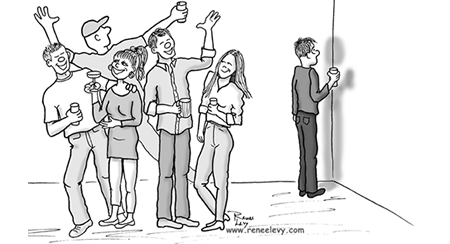
Social anxiety disorder is characterized by an intense fear of being rejected by people. Many people feel some level of anxiety when they are placed into unknown social situations. However, those suffering from social anxiety disorder may avoid socializing altogether, because they cannot handle being judged or seen in a negative way by others. A person with social anxiety disorder, can experience anxiety during many different situations like; going on a date, eating in front of people, making eye contact, public speaking, or going to parties. Some of the symptoms of social anxiety include:

  • Rapid heartbeat
  • Uneasy stomach/diarrhea
  • Muscle tension
  • Lightheadedness
  • Sweating

Social anxiety can cripple a person’s life, because normal everyday interactions are triggers of anxiety and discomfort. This is why many people who suffer from social anxiety disorder choose to isolate themselves from everyone. In order to reduce the fear of rejection, people with social anxiety disorder are encouraged to be exposed to social situations, not run away from them. Although being around others is what brings them distress, socializing is also what allows people with social anxiety to change the way they think about social engagements. Instead of having negative perceptions about the way people view them, the more they socialize and are accepted by others, the more socially anxious people see that those perceptions are not true.

If you or someone you know is suffering from social anxiety, please contact our psychotherapy offices in New York or New Jersey to talk to one of our licensed professional psychologists, psychiatrists, psychiatric nurse practitioners, or psychotherapists at Arista Counseling & Psychotherapy. Contact our Paramus, NJ or Manhattan, NY offices respectively, at (201) 368-3700 or (212) 722-1920 to set up an appointment. For more information, please visit http://www.counselingpsychotherapynjny.com/.

Sources:

Anxiety and Depression Association of America. (2018). Social Anxiety Disorder. Retrieved October 01, 2018, from https://adaa.org/understanding-anxiety/social-anxiety-disorder

Nordqvist, C. (2018, February 05). What’s to Know About Social Anxiety Disorder? Retrieved October 01, 2018, from https://www.medicalnewstoday.com/articles/176891.php

WebMD. (2018). What Is Social Anxiety Disorder? Retrieved October 01, 2018, from https://www.webmd.com/anxiety-panic/guide/mental-health-social-anxiety-disorder#1


Phobias

By: Estephani Diaz

The average person has at least two or more fears that they wish to never encounter. Some are afraid of heights, while others are terrified of flying. Others scream at the sight of a spider on the wall and others fear being lost in a large crowd of people. Now, phobias are more intense than you average fear. Phobias are defined as a persistent fear of a situation, activity, or thing causing one to want to avoid it.

Phobias are categorized into three separate types: social, agoraphobia and specific phobias. Social phobias would include the fears of public speaking, crowds, meeting new people, etc. Agoraphobia is the fear of being outside. For example, those with agoraphobia are afraid of shopping centers or public transportation due to the belief that it is unsafe. Lastly, specific phobias are directed to exact things and/or situations. This would include: aichmophobia (fear of sharp objects), coulrophobia (fear of clowns), nomophobia (fear of being without a cellphone), and many more.

Common responses to coming in contact with your phobia/s are:

  • Rapid heartbeats
  • Sweating
  • Panic attacks
  • Strong desire to get away
  • Shortness of breathe
  • Stress
  • Nausea

According to research, phobias can be developed after experiencing a traumatic event and/or influenced by one’s upbringing, culture or lifestyle. For example, if an individual is a victim of a car accident, it is possible for them to develop a fear of driving, known as Vehophobia.

Recommended treatment for those with phobias is to seek psychotherapy and if needed, medication. It is also suggested to expose oneself to their fear/s or similar situations to slowly overcome them.

If you or someone you know is struggling with a phobia/s, please contact our psychotherapy offices in New York or New Jersey to talk to one of our licensed professional psychologists, psychiatrists, psychiatric nurse practitioners, or psychotherapists at Arista Counseling & Psychotherapy. Contact our Paramus, NJ or Manhattan, NY offices respectively, at (201) 368-3700 or (212) 722-1920 to set up an appointment. For more information, please visit http://www.counselingpsychotherapynjny.com/.

Anxiety: Test Anxiety

By: Charleene Polanco

Have you ever had a moment of extreme panic, right before the beginning of a test? How about feeling like you are about to faint, or excessive sweat during an exam? If these symptoms describe your test-taking experience, then you might be suffering from test anxiety.

Test anxiety is defined as a psychological condition where people experience severe distress and anxiety during exams. Some causes of test anxiety are fear of failure and lack of preparation. A fear of failure can result from wanting to perform well. One who associates their self-worth with a test’s outcome, can feel devastated when the grade is not what he or she expected. This creates a vicious cycle, where because the person is afraid of feeling worthless, when they fail, they become anxious while taking the exam.  As a result, their performance level on tests drops. Lack of preparation is another cause of test anxiety, which occurs when students do not study properly for an exam. For those who like to wait until the night before an exam, to cram five chapters worth of information into their brain, tests are a constant source of anxiety and stress.

Symptoms of test anxiety can be split up into three categories; physical, emotional, and behavioral/cognitive symptoms. Some physical symptoms include headaches, nausea, excessive sweating, and rapid heartbeat. Emotional symptoms can be expressed as feelings of anger, fear, helplessness, and disappointment.  Behavioral/cognitive symptoms are difficulty concentrating and negative thinking.

To help manage test anxiety, here are some tips;

  • Properly prepare for exams
  • Develop good test-taking skills
  • Engage in relaxation techniques, like taking deep slow breaths
  • Keep a positive mindset

If you or someone you know is suffering from test anxiety, please contact our psychotherapy offices in New York or New Jersey to talk to one of our licensed professional psychologists, psychiatrists, psychiatric nurse practitioners, or psychotherapists at Arista Counseling & Psychotherapy. Contact our Paramus, NJ or Manhattan, NY offices respectively, at (201) 368-3700 or (212) 722-1920 to set up an appointment. For more information, please visit http://www.counselingpsychotherapynjny.com/.

Source:

“Test Anxiety.” Anxiety and Depression Association of America, ADAA, Anxiety and Depression Association of America , 2018, adaa.org/living-with-anxiety/children/test-anxiety

Stress: The Detrimental Effects of Stress on the Body

By: Charleene Polanco

Stress is something that everyone experiences at some point in their lives. Stress is defined as a physical, mental, or emotional strain or tension, and whether it is about taking a final exam for class, going off to college for the first time, or work-related, stress can affect the way we perform. If gone unchecked, stress can lead to a variety of negative consequences on the body, which will be discussed. Stress has been linked to a number of physical and emotional disorders, like depression, anxiety, heart attacks and stroke. A constant high level of stress, can lead to immune system disturbances, which can cause an increase in your body’s susceptibility to infections. Stress can also have direct effects on the skin leading to rashes and hives.

Unlike rashes and hives, which are visible, stress can affect various systems, organs, and tissues within the body, signs that are not seen, and are, therefore, much harder to notice. Some parts of the body affected by stress are the nervous and cardiovascular systems. When stressed, the nervous system signals the body’s adrenal glands to secrete adrenalin and cortisol. Since both of these hormones cause high blood pressure, a person who is under constant stress, also has elevated blood pressure which can lead to heart problems in the future. Even if a stress episode is considered to be minor, repeated minor stress episodes can negatively impact a person’s cardiovascular system by causing inflammations in the coronary arteries. This can eventually cause heart attacks. In order to prevent the negative consequences of untreated high levels of stress, it is important to recognize the symptoms. There are multiple symptoms of stress, some of which include, frequent headaches, cold hands/feet, dry mouth, heartburn, depression, forgetfulness, and rapid or mumbled speech.

If you or someone you know is suffering from stress, please contact our psychotherapy offices in New York or New Jersey to talk to one of our licensed professional psychologists, psychiatrists, psychiatric nurse practitioners, or psychotherapists at Arista Counseling & Psychotherapy. Contact our Paramus, NJ or Manhattan, NY offices respectively, at (201) 368-3700 or (212) 722-1920 to set up an appointment. For more information, please visit http://www.counselingpsychotherapynjny.com/.

Source:

“Stress Effects.” Common Signs and Symptoms of Stress, The American Institute of Stress, 4 Jan. 2017.

Communication Differences Between Genders


By: Dianna Gomez

Where would the world be without communication? Whether it be conscious or unconscious, we communicate in one way or another with those around us every minute of every day. We communicate in the work place, in relationships, with our friends and family – sometimes even when passing by strangers walking down the street. You would think that with the amount of communicating we do as a human species on a daily basis, we would have it all down to a “ T ” by now but that is far from the truth. Every once in a while we experience miscommunication and other frustrations related to interacting with the people around us. In order to improve the quality of communication in one’s own life, it is important to begin by understanding the different methods of communication between each gender. There are so many fundamental differences regarding the way in which men and women behave and think when it comes to communication. On average, women tend to speak more than men and when each gender is communicating, they do so for different reasons and from different perspectives.

Here is a list of these differences:

  1. Reasons For Talking
  • Men believe that communication should always have a clear purpose. Whether there is a problem in need of a solution or a specific question needing an answer, men use communication to get to the bottom of any topic of conversation in the most efficient way possible. On the other hand, a woman views communication as a way to discover how she may feel about something. Women like to lay all the potential pros and cons out on the table and discuss each more thoroughly. When it comes to relationships, communication is a way in which women increase intimacy with their significant others. They share their thoughts to rid themselves of any negative feelings they may be having.

2. How Much Should Be Said

  • Similarly to the first point, men always put productivity and efficiency at the very top of their lists. When telling a story, men only share the details that are absolutely necessary to get to the point. Women tend to share as much detail as possible, even if it isn’t necessarily needed. This is often times why men may interrupt women half way through an explanation when they have already received the point that is ultimately trying to be made.

3. What Does It Mean To “Listen?

  • When a woman first initiates a conversation with a man, she assumes they are doing so to obtain some type of advice or assistance. They automatically think to themselves “what can we actually do about this?” From the woman’s perspective, having the conversation all on it’s own is a way of finding a solution to any problem. Women just want to feel like they are being heard and understood, and if they feel this is happening any problem will already feel partially solved.

Communication is so important in every aspect of our lives. Especially when it comes to having relationships with significant others, if these fundamental differences aren’t already understood, there will be many disagreements and arguments about things that there wouldn’t be otherwise. Regardless of what gender you are, the next time you find yourself feeling frustrated when communicating with the opposite sex, take a step back and try to see the situation from their point of view. If this is done over a long enough period of time, you will find that life will soon go a lot smoother in all areas of your life.


If you or anybody you know may be having trouble with communication or may be having relationship problems they can’t seem to resolve, the licensed psychologists, psychiatrists, psychiatric nurse practitioners, and psychotherapists at Arista Counseling & Psychotherapy can assist you. Contact our Paramus, NJ or Manhattan, NY offices respectively, at (201) 368-3700 or (212) 722-1920 to set up an appointment. For more information, visit us at http://www.counselingpsychotherapynjny.com/.

Social Anxiety and College: How to Cope This Semester

By Samantha Glosser

College is a stressful time for most students and it can quite often seem too difficult to cope with the pressures commonly found on college campuses. For someone with social anxiety, a disorder characterized by persistent fear of negative evaluation by others in social situations, this reality is all too real. They are faced with public speaking, graded class participation, and the anxiety of interacting with other students in clubs, organizations, and even at parties. And don’t forget the terror of meeting your new roommate! Being completely emerged in these situations makes it easy to feel like your social anxiety is inhibiting you in all aspects of your college life; however, this does not need to be the case.

There are plenty of things you can do to treat your social anxiety before it gets in the way of your college experience. For some, self-help techniques are useful. Participating in deep breathing exercises and positive self-talk are such techniques. Deep breathing helps to alleviate some of the physical symptoms of social anxiety, while positive self-talk can lessen the effect that anxiety has on negative thoughts. However, others benefit from psychotherapy, such as cognitive behavioral therapy, or medications (antidepressants) targeted for social anxiety. This treatment plan typically includes exposure therapy, which gradually places you in anxiety-provoking situations while simultaneously teaching you relaxation skills to cope with your anxiety. It can help you to understand the irrational basis of your worries. A combination of psychotherapy, medication, and at home self-help strategies are an effective way to prevent your social anxiety from taking over your college experience.

If you or someone you know appears to be suffering from social anxiety disorder, the licensed psychologists, psychiatrists, psychiatric nurse practitioners, and psychotherapists at Arista Counseling & Psychotherapy can assist you. Contact our Paramus, NJ or Manhattan, NY offices respectively, at (201) 368-3700 or (212) 722-1920 to set up an appointment. For more information, visit http://www.counselingpsychotherapynjny.com/

Schizophrenia

Schizophrenia: Symptoms

By: Cassie Sieradzky

Schizophrenia is a chronic and often debilitating mental disorder. Schizophrenia affects all aspects of functioning and consequently, sufferers may appear to have lost touch with reality. Symptoms of schizophrenia usually begin between ages 16 and 30. The symptoms fall into three categories: positive, negative, and cognitive.

The positive symptoms of schizophrenia consist of behaviors that are not usually seen in individuals without schizophrenia. Individuals displaying positive symptoms appear to lose touch with reality. These may include, hallucinations (hearing voices), delusions (being controlled by aliens), thought disorders (incoherent speech), and movement disorders (agitated body movements) are classified as positive symptoms.

The negative symptoms of schizophrenia are classified as deviations to normal emotions and behaviors. Flat affect, reduced expression of emotions, are commonly seen in individuals with schizophrenia. Someone who displays flat affect may speak in a monotone manner and show little facial expression. Some other examples of negative symptoms include loss of pleasure in activities and reduced speaking or communication.

The cognitive symptoms of schizophrenia include disruptions in executive functioning (the ability to understand information and use it to make decisions), trouble focusing, and deficits with working memory (the ability to use information immediately after learning it).

Antipsychotic medications can be very beneficial in the treatment of schizophrenia. Additionally, psychotherapy is helpful in order to foster coping skills to address the everyday challenges of their diagnosis. Studies show that individuals who participate in psychotherapy are less likely to have relapses or be hospitalized.

If you or a loved one appears to be suffering from schizophrenia, the licensed psychologists, psychiatrists, psychiatric nurse practitioners, and psychotherapists at Arista Counseling & Psychotherapy can assist you. Contact our Paramus, NJ or Manhattan, NY offices respectively, at (201) 368-3700 or (212) 722-1920 to set up an appointment. For more information, visit http://www.counselingpsychotherapynjny.com/


Schizophrenia. (2016, February). Retrieved April 30, 2018, from https://www.nimh.nih.gov/health/topics/schizophrenia/index.shtml