Seasonal Affective Disorder

By: Nicole Cutaia

Seasonal Affective Disorder

As the autumn leaves fall, everyone copes with the seasons changing differently. Some embrace the changes, while others may have difficulty with the adjustments. Seasonal Affective Disorder (SAD) is a type of depression that occurs during specific seasons. Typically, Seasonal Affective Disorder is most common in the fall and winter months when there is reduced sunlight. The lack of sunlight affects the body’s internal clock, hormone levels, and chemical messengers, Various symptoms of Seasonal Affective Disorder range from feelings of sadness, low energy, irritability, difficulty sleeping, and changes in appetite.

Multiple treatments are available for managing Seasonal Affective Disorder such as light therapy, counseling or psychotherapy, medication such as selective serotonin reuptake inhibitors (SSRIs), and cognitive behavioral therapy (CBT).

Additionally, there are coping methods individuals can try at home. The methods include going outside to get natural sunlight, eating vitamin D-enriched foods, taking vitamin D supplements, avoiding stressful situations, and consuming a healthy and balanced diet. Other methods one can try are getting plenty of outdoor and indoor exercise, talking to family and friends about Seasonal Affective Disorder, making your space as light and airy as possible, and sleeping for at least 7 to 8 hours every night.

It can be difficult to see a loved one struggle with Seasonal Affective Disorder. If you or a family member are struggling with mental health, please contact our psychotherapy offices in New York or New Jersey to talk to one of our licensed professional psychologists, psychiatrists, psychiatric nurse practitioners, or psychotherapists at Arista Counseling & Psychotherapy. Contact our Paramus, NJ, and Manhattan, NY offices respectively at (201) 368- 3700 or (212) 722- 1920 to set up an appointment. For more information, please visit http://www.counselingpsychotherapynjny.com/

Smoking Cessation

Smoking Cessation

Amelia Amen

               Efforts to quit smoking can be a challenging process for individuals who have developed a dependency on nicotine. When an individual tries to remove smoking from their daily routine, they may be prone to experiencing withdrawals. Such withdrawals include irritability, headaches, difficulty concentrating, and a strong craving for nicotine. According to the Centers for Disease Control and Prevention, smoking is one of the leading preventable causes of death in the U.S and often causes diseases such as lung cancer, heart disease, diabetes, and more.

               Hypnosis has been found to be a successful technique which aids in smoking cessation and other harmful behaviors. Hypnosis focuses on reducing and changing negative habits and developing self-control over certain emotions and behavior. It can be a source of treatment for helping the smoker to remove many unwanted behaviors and habits. In the case of nicotine addiction, hypnosis is used to diminish the craving within the mind. Hypnosis targets the parts of our minds that can be the root cause of the motivation to smoke. The desire to smoke is often triggered by stress and anxiety, finishing a meal, going to a social event, driving, boredom, and more. Hypnosis is a collaborative process between the therapist and patient. Hypnosis only works when the patient wants to learn hypnosis. Eventually, the therapist teaches the patient how to achieve a state of hypnosis so they will be able to substitute positive messages for the prior negative ones which will help achieve their goal to stop smoking.

               When a therapist performs hypnosis, he or she will guide the individual into a meditative state. Within this state of mind, the therapist may compare the odor of cigarette smoke to an unpleasant one such as truck exhaust. Another suggestion a therapist may make is that smoking will do nothing but poison your body, and how you should protect your body from such poisons. Our methods were taught to us by Dr. Herbert Spiegel of Columbia University, he is well known for his smoking cessation hypnosis technique. One of the goals of hypnosis is to help the patient become receptive of new ideas and thoughts about smoking. Although hypnosis is an effective way to aid smoking cessation, it is important to keep in mind that it will be most effective with continuous sessions along with the commitment of quitting.

If you or someone you know is seeking hypnosis to stop smoking or other negative behaviors that are troubling you, please contact our psychotherapy offices in New York or New Jersey to talk to one of our licensed professional psychologists, psychiatrists, psychiatric nurse practitioners, or psychotherapists at Arista Psychotherapy & Psychiatric Services. Contact our Manhattan, NY or Paramus, NJ offices respectively at (201) 368-3700 or (212) 722-1920 to set up an appointment. For more information, please visit https://www.counselingpsychotherapynjny.com

Source: https://www.cdc.gov/tobacco/data_statistics/fact_sheets/fast_facts/index.htm#:~:text=Cigarette%20smoking%20remains%20the%20leading,death%20in%20the%20United%20States.

Hypnosis for Smoking Cessation

Hypnosis for Smoking Cessation

Amelia Amen

               Efforts to quit smoking can be a challenging process for individuals who have developed a dependency on nicotine. When an individual tries to remove smoking from their daily routine, they may be prone to experiencing withdrawals. Such withdrawals include irritability, headaches, difficulty concentrating, and a strong craving for nicotine. According to the Centers for Disease Control and Prevention, smoking is one of the leading preventable causes of death in the U.S and often causes diseases such as lung cancer, heart disease, diabetes, and more.

               Hypnosis has been found to be a successful technique which aids in smoking cessation and other harmful behaviors. Hypnosis focuses on reducing and changing negative habits and developing self-control over certain emotions and behavior. It can be a source of treatment for helping the smoker remove many unwanted behaviors and habits. In the case of nicotine addiction, hypnosis is used to diminish the craving within the mind. Hypnosis targets the parts of our minds that can be the root cause of the motivation to smoke. The desire to smoke is often triggered by stress and anxiety, finishing a meal, going to a social event, driving, boredom, and more. Hypnosis is a collaborative process between the therapist and patient. Hypnosis only works when the patient wants to learn it. Eventually, the therapist teaches the patient how to achieve a state of hypnosis so they will be able to substitute positive messages for the prior negative ones which will help achieve their goal to stop smoking.

               When a therapist performs hypnosis, he or she will guide the individual into a meditative state. Within this state of mind, the therapist may compare the odor of cigarette smoke to an unpleasant one such as truck exhaust. Another suggestion a therapist may make is that smoking will do nothing but poison your body, and how you should protect your body from such poisons. Our methods were taught to us by Dr. Herbert Spiegel of Columbia University, he is well known for his smoking cessation hypnosis technique. One of the goals of hypnosis is to help the patient become receptive of new ideas and thoughts about smoking. Although hypnosis is an effective way to aid smoking cessation, it is important to keep in mind that it will be most effective with continuous sessions along with the commitment of quitting.

If you or someone you know is seeking hypnosis to stop smoking or other negative behaviors that are troubling you, please contact our psychotherapy offices in New York or New Jersey to talk to one of our licensed professional psychologists, psychiatrists, psychiatric nurse practitioners, or psychotherapists at Arista Psychotherapy & Psychiatric Services. Contact our Manhattan, NY or Paramus, NJ offices respectively at (201) 368-3700 or (212) 722-1920 to set up an appointment. For more information, please visit https://www.counselingpsychotherapynjny.com

Source:

https://www.cdc.gov/tobacco/data_statistics/fact_sheets/fast_facts/index.htm#:~:text=Cigarette%20smoking%20remains%20the%20leading,death%20in%20the%20United%20States.

ADHD: What Symptoms Should You Look for?

ADHD: What Symptoms should you look for?

By: Diane Ulloa

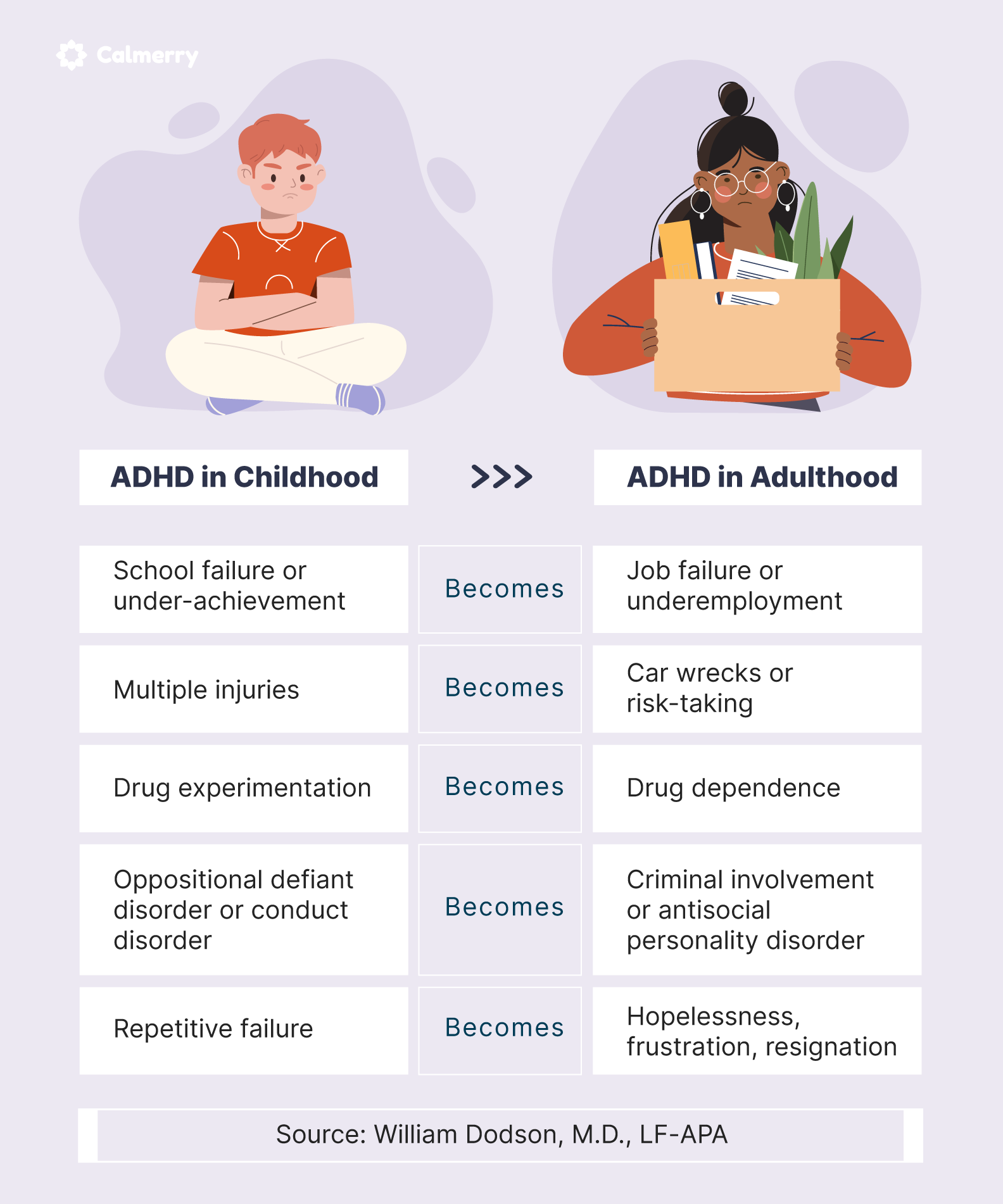
For many people who have ADHD it is difficult for them to pinpoint a specific action or reaction that is attributed to their neurodivergent mind. For many, ADHD comes with difficulty towards staying focused or forgetfulness. For others, it can be expressed differently. Sometimes it is shown in how one manages their money or perhaps one’s emotions in a traffic jam or impatience waiting in line. There are many symptoms that can be explained by ADHD diagnosis. If someone is struggling with ADHD but is unaware of how to identify it, they can look for these symptoms:

  • Impulsiveness
  • Disorganization
  • Problems prioritizing
  • Poor time management skills
  • Problems focusing on a task
  • Trouble multitasking
  • Excessive activity or restlessness
  • Poor planning
  • Low frustration tolerance
  • Frequent moodswings
  • Problems following through and completing tasks
  • Hot temper
  • Trouble coping with stress

Although it may feel like everyone and anyone has these symptoms, ADHD is diagnosed when the symptoms are severe and interfere with everyday activities.

Patients with ADHD generally also have another mental health disorder such as depression or anxiety. Psychotherapy helps people manage these symptoms and uses Cognitive-behavioral therapy [CBT] which is one of the most commonly used treatments for patients with ADHD. CBT is also considered to be the most effective psychotherapy. CBT for ADHD involves changing people’s thoughts, attitudes, and behaviors to better deal with everyday situations. Psychotherapy gives people with ADHD tailored support and advice, and improved communication skills, along with the opportunity to develop coping skills for stress and many situations that will occur in daily life.

If you or someone you know is struggling with mental health please contact our psychotherapy offices in New Jersey to talk to one of our licensed professional psychologists, psychiatrists, psychiatric nurse practitioners, or psychotherapists at Arista Psychotherapy & Psychiatric Services. Contact our NJ offices respectively at (201)368-3700 to set up an appointment. For more information, please visit https://counselingpsychotherapynjny.com

Sources: https://www.mayoclinic.org/diseases-conditions/adult-adhd/symptoms-causes/syc-20350878

https://www.nytimes.com/2023/08/30/business/women-adhd-money.htmlhttps://www.medicalnewstoday.com/articles/adhd-psychotherapy#Types