Toxic Relationships and their effects on Mental Health

      Mental Health/ Toxic Relationships

By: Ingrid Guevara

A relationship where the behaviors of one person in the relationship are emotionally and, in some cases physically damaging to the other, is what is defined as a toxic relationship. In a toxic relationship you see behaviors like: constant belittlement, guilt-tripping, extreme jealousy, blaming and using manipulation to fulfill personal desires. Such behaviors take a tremendous toll on a person’s mental health. Toxic relationships lead to decline in self-esteem, energy levels and your overall happiness. Being in a toxic relationship creates feelings of insecurities and self -doubt which also leads the person to live in extreme caution while in the relationship. Realizing that a relationship is toxic is a crucial step in prioritizing and protecting your mental health. Then comes taking steps to setting boundaries, seeking support from loved ones or professionals and engaging in activities that bring you joy, all things that promote healing and personal growth. Always keep in mind that everyone deserves a nurturing and healthy relationship. It is okay to step away from relationships that negatively affect your mental health because your mental health is crucial and should always be put first.

If you or someone you know is struggling with their mental health, please contact our psychotherapy offices in New York or New Jersey to talk to one of our licensed professional psychologists, psychiatrists, psychiatric nurse practitioners, or psychotherapists at Arista Counseling & Psychotherapy. Contact our Paramus, NJ or Manhattan, NY offices respectively, at (201) 368-3700 or (212) 722-1920 to set up an appointment. For more information, please visit http://www.counselingpsychotherapynjny.com/

References:

Binge Eating Disorder

Binge Eating Disorder

By: Cosette Verna

Binge eating disorder (BED) is an eating disorder characterized by consuming extreme amounts of food and feeling unable to stop eating. This is different than overeating at a meal- BED is driven by a compulsion to continue eating and being unable to resist the urges, despite extreme fullness and cognitive awareness of overeating.

Behavioral symptoms of BED include (but are not limited to) feeling like eating behaviors are out of control, binging on unusually large amounts of food in a short time frame, eating despite feelings of fullness, eating in secret, deep feelings of shame, disgust, depression, and/or guilt surrounding eating, and eating rapidly during binges.

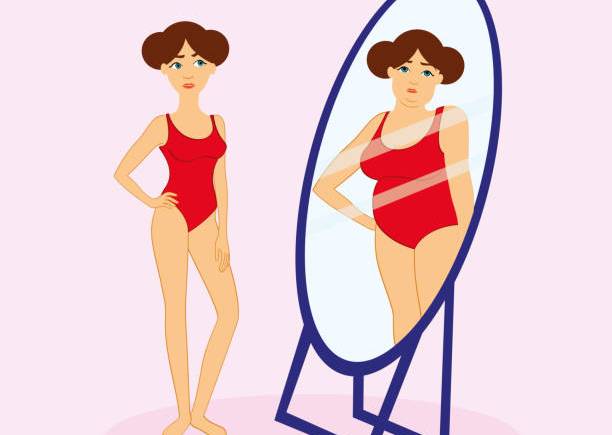
Emotional and behavioral signs of BED include (but are not limited to) frequent dieting, extreme concern around body weight, disruption in normal eating behaviors, frequent body checking (e.g., obsessively looking in the mirror to check appearance) the development of food rituals (e.g., using particular cutlery, excessive chewing), eating alone out of shame or embarrassment, and feelings of low self-esteem. Physical signs of BED include noticeable weight fluctuations, gastrointestinal pain, and difficulties concentrating.

If you or someone you know is struggling with binge eating disorder, please contact our psychotherapy offices in New York or New Jersey to talk to one of our licensed professional psychologists, psychiatrists, psychiatric nurse practitioners, or psychotherapists at Arista Counseling & Psychotherapy. Contact our Paramus, NJ or Manhattan, NY offices respectively, at (201) 368-3700 or (212) 722-1920 to set up an appointment. For more information, please visit http://www.counselingpsychotherapynjny.com/

References:

https://www.mayoclinic.org/diseases-conditions/binge-eating-disorder/symptoms-causes/syc-20353627

https://www.nationaleatingdisorders.org/learn/by-eating-disorder/bed

Depression: Does Social Media Cause Depression?

Depression: Does Social Media Cause Depression?

By: Michelle Chinchilla

Around 4.62 billion of us are engaging on social media platforms. You can like someone’s post or share a picture or video- there is always a new update or post. After endless amounts of scrolling it can be pretty tiring. Social media as a whole can make a person feel so many different ways: meaningful, euphoric, isolated, and even depressed.

What type of depression can social media be caused by?

Social media isn’t inherently harmful to your mental health, especially if it doesn’t replace other forms of healthy social interaction. However, exposure to harmful behavior and rhetoric through social media can impact your mood and even cause depressive symptoms. Comparison, jealousy, addiction, and many more are reasons to feeling down.

Prevention

Do you notice you’re feeling more sad, lonely, isolated, or depressed when you spend time on social media? Or do you walk away feeling recharged, or like you have spent your time meaningfully? If you have an iPhone, consider using the “Screen Time” feature to track how you’re using your phone. When social media becomes too distracting, consider turning off notifications for a while or removing the app from your phone until you feel like you’re in a better place to log in again.

If you or someone you know is struggling with depression, contact our psychotherapy offices in New York or New Jersey to talk to one of our licensed professional psychologists, psychiatrists, psychiatric nurse practitioners, or psychotherapists at Arista Psychotherapy & Psychiatric Services. Contact our Manhattan, NY or Paramus, NJ offices respectively at (201)368-3700 or (212)722-1920 to set up an appointment. For more information, please visit https://counselingpsychotherapynjny.com

Reference: https://psychcentral.com/depression/does-social-media-cause-depression#tips

Anorexia Nervosa

By: Cosette Verna

Anorexia Nervosa (anorexia) is an eating disorder characterized by abnormally low body weight, distorted perception of weight, and intense fear of weight gain. These distortions may cause behavioral symptoms in those suffering from anorexia, including excessive exercise, severe restriction of food intake, calorie counting, and abuse of diuretics, laxatives, or enemas.

Anorexia is typically a manifestation of one’s emotional issues and feelings of inadequacy, to which one strives for extreme thinness as a measure of self-worth. Physical symptoms of anorexia include (but are not limited to) extreme weight loss, loss of menstrual cycle, fatigue, insomnia, dizziness/fainting, constipation, hair breakage, irregular heart rhythms, dehydration, growth of body hair, and dry and/or yellowish skin.

Though anorexia is typically associated with extreme low body weight, those suffering from Atypical Anorexia Nervosa are not to be overlooked. Atypical Anorexia Nervosa patients have all the symptoms of anorexia aside from extreme thinness, and have typically been overweight historically. Though they may physically appear to be in a healthy weight range, their body is under extreme stress in order to maintain a weight that is not healthy for the individual. Atypical anorexia is just as serious as anorexia- percentages of those hospitalized with atypical anorexia is similar to hospitalizations from typical anorexia.

If you or someone you know is struggling with anorexia nervosa, please contact our psychotherapy offices in New York or New Jersey to talk to one of our licensed professional psychologists, psychiatrists, psychiatric nurse practitioners, or psychotherapists at Arista Counseling & Psychotherapy. Contact our Paramus, NJ or Manhattan, NY offices respectively, at (201) 368-3700 or (212) 722-1920 to set up an appointment. For more information, please visit http://www.counselingpsychotherapynjny.com/

References:

https://www.mayoclinic.org/diseases-conditions/anorexia-nervosa/symptoms-causes/syc-20353591

https://childmind.org/article/what-is-atypical-anorexia-nervosa/

Emotional Dysregulation Disorder: What is it?

Emotional Dysregulation Disorder: What is it?

By Sherry Yang

Emotional dysregulation disorder (EDD), also known as borderline personality disorder, is a mental illness that is characterized by severe emotional instability. Those with EDD are constantly changing their feelings about themselves and others, and only feel emotions on extreme levels. EDD significantly affects impulsivity, self-image, and relationships. It can be caused by family history, brain structure, or environmental factors such as trauma. Symptoms may include:

  • A pattern of unstable relationships with loved ones
  • Distorted and unstable sense of self
  • Impulsive and possibly dangerous behaviors
  • Self-harming or suicidal thoughts
  • Difficulties controlling anger
  • Feelings of dissociation
  • Intense and unstable moods and emotional episodes
  • Problems with real or perceived abandonment

Although EDD may appear similar to another mental illness, bipolar disorder, these two are notably different. Bipolar disorder causes extreme mood swings with emotional highs and lows; the highs are feelings of mania and the lows are feelings of depression. This disorder does not have as much emphasis on relationships and self-image, which are key to EDD.

If you or someone you know is struggling with emotional dysregulation disorder, please contact our psychotherapy offices in New York or New Jersey to talk to one of our licensed professional psychologists, psychiatrists, psychiatric nurse practitioners, or psychotherapists at Arista Counseling and Psychotherapy. Contact our Paramus, NJ or Manhattan, NY offices respectively at (201)-368-3700 or (212)-722-1920 to set up an appointment. For more information, please visit https://www.counselingpsychotherapynjny.com

References:

https://www.nimh.nih.gov/health/publications/borderline-personality-disorder

https://www.mayoclinic.org/diseases-conditions/bipolar-disorder/symptoms-causes/syc-20355955

Postpartum Depression: New Mothers

Postpartum Depression: New Mothers

By Sherry Yang

Giving birth to a child is a major life change for any new mother. 1 in 9 new moms will experience postpartum depression, which impacts those with a personal or family history of depression or bipolar disorder, as well as those with life factors that have already put them at risk of depression. Affected mothers may have feelings of intense depression and emptiness that significantly interfere with their lives and motherhood for longer than 2 weeks after childbirth. Insecurities, stress, mood swings, and feeling sad or overwhelmed are relatively common, but if these symptoms are severe and do not pass within a few days, they are likely signs of something more serious. Symptoms of postpartum depression may include:

  • Lack of interest or connection with the baby
  • Thoughts of hurting yourself or the baby
  • Feeling worthless, guilty, or like a bad mother
  • Lack of energy, motivation, or focus
  • Self-isolation and loss of interest in activities usually enjoyed
  • Poor eating and sleep patterns
  • Difficulty taking care of yourself or your baby

If left untreated, effects can continue to impact the baby’s childhood, the mother’s later parenting, and their relationship. Some mothers with postpartum depression might avoid seeking help out of embarrassment or guilt for feeling this way after the birth of a new child. However, this absolutely does not mean someone is a bad mother, and reaching out to professionals can provide a path to effective treatment.

If you or someone you know is struggling with postpartum depression, please contact our psychotherapy offices in New York or New Jersey to talk to one of our licensed professional psychologists, psychiatrists, psychiatric nurse practitioners, or psychotherapists at Arista Counseling and Psychotherapy. Contact our Paramus, NJ or Manhattan, NY offices respectively at (201)-368-3700 or (212)-722-1920 to set up an appointment. For more information, please visit https://www.counselingpsychotherapynjny.com

Reference: https://www.womenshealth.gov/mental-health/mental-health-conditions/postpartum-depression

Facilitating Medication Compliance

Facilitating Medication Compliance

By: Irene Tussy

No matter how effective a medicine is, it will only work for a patient if it is taken properly. Patient health outcomes are evaluated based on the eradication or recurrence of symptoms, emergency room visits, hospitalization, readmission rate, morbidity, and mortality. Medication noncompliance contributes to all these factors, as well as an increase in the cost of healthcare and increased spending on healthcare.

Education is the most effective tool to combat medication noncompliance, and it is equally important that all involved in a patient’s care are educated. The responsibility for compliance is shared by both patient and doctor. Prescribers need to be aware of the importance of communicating clearly with their patients about the medicines they prescribe.  This includes having a conversation about what they are treating and why, as well as addressing not only the side effects of the medicine but the effect of not taking the medicine as well. Prescribing instructions need to be clear and should be reviewed with the patient before dismissal, in writing if at all possible. 

Another important factor for prescribers to review with their patients is the dosage regimen. Patients may be more likely to adhere to a single-dosing approach than they are to a multi-dosing approach. Extended release medications are a great option to consider. If a single-dosing regimen is not possible or is more efficacious, the prescriber needs to make sure that the patient understands the potential repercussions of missing doses.

Pharmacies also play an important role in medication compliance. Automatic refills or refill reminders should be offered to all patients. Text messaging or automated phone calls are viable options. If a patient cannot afford medicine, pharmacies should make available patient information pamphlets from drug companies that often provide a sliding scale or other options to make their drugs more available to those in need. For their part, drug companies need to offer price reductions or sliding scale options to their patients from all socioeconomic backgrounds.  They should also evaluate dosing schedules and try to offer more extended release options on a regular basis. Creating multiple formulations may be useful, such as pills, capsules that tend to be easier to swallow, or liquid for those with dysphagia.

Ultimately, the responsibility for medication compliance lies with the patient, after all, it is their health and well-being that is at risk. A regular medication regimen needs to be set up at home, while on vacation, or on a business trip. Patients should never leave their doctor’s office with unanswered questions about their medications, and if any arise after the visit, a phone call needs to be made to the office as soon as possible, before the question is forgotten. 

If you or someone you know is struggling with medication compliance, contact our psychotherapy offices in New York or New Jersey to talk to one of our licensed professional psychologists, psychiatrists, psychiatric nurse practitioners, or psychotherapists at Arista Psychotherapy & Psychiatric Services. Contact our Manhattan, NY or Paramus, NJ offices respectively at (201)368-3700 or (212)722-1920 to set up an appointment. For more information, please visit https://counselingpsychotherapynjny.com

Reference: https://www.ncbi.nlm.nih.gov/pmc/articles/PMC9498383/

Understanding medication adherence: Why is it important?

Understanding medication adherence: Why is it important?

By: Irene Tussy

Doctors prescribe medication all the time, yet actually taking medication as instructed may not be as common for patients. So, what does it mean to be prescribed medication with specific instructions, and why is it important to take the medicine we are prescribed? What will happen if the medications we are prescribed are not taken properly? These questions can all be answered by focusing on one main idea: medication adherence. Medication adherence is the act of taking medications as they are prescribed and following the medication plan that you and your doctor(s) have made.

The concept of medication adherence is important for a multitude of reasons, all of which will allow your medication treatment plan to be as effective as possible. Most importantly, adherence allows your medications to work properly. Most medications take about 4-6 weeks to start working. Therefore, it is important to be patient, keep taking your medication, and allow it to have the proper time to perform as expected.

There are many reasons for non-adherence, including denial, embarrassment, or simply just forgetting to take your medication. Failing to take your medications as prescribed by your doctor increases the risk of your condition becoming worse, can diminish your quality of life and can increase the possibility of your return to a clinic or hospital. So, it is important to make a medication plan that may be easily implemented into your daily life and to make a conscious effort to adhere to it!

Now that you have a better understanding of the importance of medication adherence, there are many easy habits you can form to be consistent with your meds. These habits include (but are not limited to) pairing medications with something you do every day, using a weekly pill box, enrolling in an automatic refill program, and having prescriptions mailed to your home. Being consistent with these habits will decrease the chance of non-adherence and allow you to find success in your medication plan.

If you or someone you know is struggling with medication adherence, contact our psychotherapy offices in New York or New Jersey to talk to one of our licensed professional psychologists, psychiatrists, psychiatric nurse practitioners, or psychotherapists at Arista Psychotherapy & Psychiatric Services. Contact our Manhattan, NY or Paramus, NJ offices respectively at (201)368-3700 or (212)722-1920 to set up an appointment. For more information, please visit https://counselingpsychotherapynjny.com
Reference: https://www.nami.org/About-Mental-Illness/Treatment/Mental-Health-Medications/Medication-Adherence

Single Parenting Stress

Single Parenting Stress

By: Mercedes Renter

Raising children on your own can result in an overwhelming amount of stress and pressure into parenting. Aside from the financial obligations of raising a family and maintaining a roof over your head with food on the table, single parenting comes with more obstacles than one may think. Emotionally, a single parent must take on the role of both parents at once which leaves them to be both “bad” and “good” cop all at once. This can allow one to feel lonely and isolated when it comes to decision making because they often feel lost without another opinion. Guilt will arise from these situations but your own well-being it is better to focus on any accomplishments.

There are many ways to reduce the stress and attempt to live in a calmer environment. One thing that can be done is to set up a support system. All parents need a little help here and there so do not feel ashamed to ask for it. Maintaining a daily routine can allow you to find yourself with more time to relax. For example, set up a schedule for meals, chores, bedtimes and anything else that is included in your day to day routine. Treat your children like children; although the other parent is absent you should not rely too heavily on the child. A way to notice if you are relying on them too much is if your frustration is being shown more on them than in any other aspect of your life. Lastly, stay positive and take time for yourself.

If you or someone you know is struggling with single parenting stress contact our psychotherapy offices in New York or New Jersey to talk to one of our licensed professional psychologists, psychiatric, psychiatric nurse practitioners, or psychotherapists at Arista Psychotherapy & Psychiatric Services. Contact our Manhattan, NY, or Paramus,NJ offices respectively at (201) 368-3700 or (212) 722-1920 to set up an appointment. For more information please visit https://counselingpsychotherapynjny.com

References: https://www.healthychildren.org/English/family-life/family-dynamics/types-of-families/Pages/Stresses-of-Single-Parenting.aspx

https://www.parents.com/parenting/dynamics/single-parenting/10-ways-to-reduce-single-parent-stress/

Communication in romantic relationships: Healthy communication and its importance

Communication in romantic relationships: Healthy communication and its importance

By: Anna Giammanco

Communication is key to maintaining a stable and healthy relationship. Whether romantic or platonic, open communication can help deal with conflict by vocalizing issues and concerns within a relationship. Working through obstacles can create a stronger relationship.

Tips for healthy communication:

  • Be clear and concise about what you want to communicate. Make sure your partner understands what it is you are trying to communicate and doesn’t misconstrue your words.
  • Talk about the situation and how it has been affecting you.
  • Use ‘I’ statements such as “I feel …” “I need …” “I want …”
  • Accept responsibility for your own actions, feelings, and mistakes.
  • Listen to what your partner has to say and put aside your own thoughts for the time being to completely hear them out.
  • Share positive feelings with your partner. Let them know that they are appreciated and important to you.
  • Be aware of your tone of voice.
  • Negotiate and try to compromise on the issue.

If you or someone you know needs help please contact our psychotherapy offices in New York or New Jersey to talk to one of our licensed professional psychologists, psychiatrists, psychiatric nurse practitioners, or psychotherapists at Arista Psychotherapy & Psychiatric Services. Contact our Manhattan, NY or Paramus, NJ offices respectively at (201)368-3700 or (212) 722- 1920 to set up an appointment. For more information, please visit https://counselingpsychotherapynjny.com

References: https://www.betterhealth.vic.gov.au/health/healthyliving/relationships-and-communication