Social Anxiety: The Impact of Social Media on Social Anxiety
By: Josette DeFranco
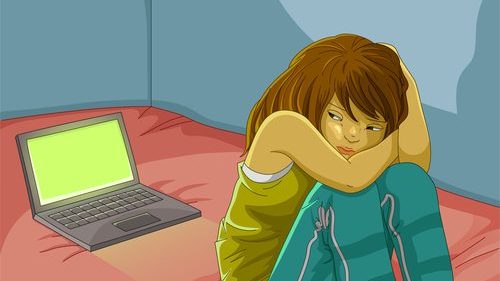
Social anxiety is very common and can be a part of your everyday living whether it is online or offline. Social anxiety means you have persistent fears about being in social situations. Social media has become society’s major way of communicating. It has allowed users to create their own distinctive profiles and content to share with others. It has been found that social media use has caused unrealistic goals and expectations. This can create low self-esteem and a lack of in-person interactions. This may lead to anxiety because you may feel like you don’t live up to your social media image. Nonetheless, it may cause you to feel judged by your choices or appearance. It is important to pay attention to your emotions when logged onto social media and to remember that others experience similar thoughts.
Should you take a break from social media?
Social media can affect individuals differently. However, if you notice social media is causing damage to your mental health, self-esteem, social interactions, and making your moods worse then you may want to consider a social media break. Having a social media break even for a week or a month could enhance your mental state, allowing you to reflect and focus on your mental health needs. It has been noticed that individuals felt more grounded and less anxious, isolated, and depressed.
If you or someone you know is struggling with their mental health, please contact our psychotherapy offices in New York or New Jersey to talk to one of our licensed professional psychologists, psychiatrists, psychiatric nurse practitioners, or psychotherapists at Arista Counseling & Psychotherapy. Contact our Paramus, NJ or Manhattan, NY offices respectively, at (201) 368-3700 or (212) 722-1920 to set up an appointment. For more information, please visit https://aristapsychiatrypsychotherapy.com/
Have you ever felt an immense feeling of fear before flying? There are many symptoms that indicate that you may have aerophobia. Some symptoms include excessive sweating, increased heart rate, shaking, and nausea. These symptoms can occur anywhere between before and during a flight. Typically these symptoms occur during take-off, landing, and while in the air. There can be many reasons why an individual has a fear of flying. These include the fear of takeoff and landing, fear of heights, turbulence, and news stories about violence and crashes.
There are a few ways to get help for aerophobia.
One form of therapy is exposure therapy. This type of therapy exposes people to various kinds of air travel. People can use virtual reality tools to help with their fear. People with this type of therapy are put through a simulation of a flight.
Another treatment for aerophobia is cognitive behavioral therapy. This helps individuals change the way they feel about flying.
Hypnotherapy is another great way to overcome the fear of flying. During hypnotherapy your therapist will help you get into a state of relaxation. Your therapist will then work with you to identify and address the cause of your fear of flying. It will be easier to think about flying since you are in a deep state of relaxation.
Another way to help aerophobia is practicing meditation before and during the flight. You can try breathing techniques that will help reduce your anxiety while traveling by air. A great method is the 5-5-5 technique. Breathe in for 5 seconds, hold your breath for 5 seconds, and exhale for 5 seconds.
1If you or someone you know is struggling with their mental health, please contact our psychotherapy offices in New York or New Jersey to talk to one of our licensed professional psychologists, psychiatrists, psychiatric nurse practitioners, or psychotherapists at Arista Counseling & Psychotherapy. Contact our Paramus, NJ, or Manhattan, NY offices respectively, at (201) 368-3700 or (212) 722-1920 to set up an appointment. For more information, please visit https://aristapsychiatrypsychotherapy.com/
The other day I was sitting in my college Renaissance History course, learning about the joy, beauty, and creative innovation of an era that spanned three centuries following roughly 1,000 years of life so bleak and horrible that it gained an additional name: the “Dark Ages.” At one point during the lecture, my professor made an off-the-cuff remark about how since every generation spans more or less 20 years, and within that generation, everything that happens in the world is considered “current events,” the 23rd anniversary of the tragic day that is 9/11 is now considered “history.” We all sat there a little shocked and confused because how could over twenty years have passed and how could something discussed so frequently in the United States be considered history?
On the morning of Tuesday, September 11, 2001, first responders flocked by the thousands to the only building complex in the 10048 zip code in Lower Manhattan upon hearing the devastation that was unfolding in New York City. Thousands of therapists (social workers, psychologists, other mental health professionals, and so on) rushed to Manhattan in what psychologist Ghislaine Boulanger described as a “feeding frenzy” of therapists hurrying to help, (some even walking to fire stations and simply standing outside in case someone wanted therapy) all without knowing what helping would entail, all to assist in the efforts taking place in the aftermath of such a traumatic event witnessed live by hundreds of thousands of people. Boulanger, along with psychoanalyst and interfaith chaplain Margaret Klenck, described how at first the mental health professionals on the scene at that time were diving right into “the nitty-gritty” of therapy or “overmedicating people with tranquilizers and antidepressants,” when in reality, Klenck said, they were not depressed. They were traumatized and grieving, so naturally they were crying.
Psychologist Donna Bassin, who was a therapist for victims and their family members following 9/11, noticed that she was “emotionally transformed” by being a therapist during that time. “I started becoming more aware of community trauma, realizing how much people needed each other, not just 45 minutes in the psychotherapy office.” Years of trauma research and research on effective therapeutic practices have proven that most clients do not respond positively to long, detailed, and intense therapy immediately following a traumatic event. Richard McNally, a psychologist at Harvard, remarked how one of the most impactful lessons that were learned due to 9/11 was that people are far more resilient than we, specifically therapists in this case, thought.
As we look back on the past 23 years following a day that caused a loss of life for nearly 3,000 people and injured over 6,000, one lesson is starkly clear: we, as a community and as a nation, are more resilient than we think. We have built a bronze memorial, and etched in its surface the names of every single victim. We have built a new building in its place, 1,792 feet in the air, looking down over not only the historical New York City but also the 70-foot-deep memorial for the buildings. Therapists, first responders, the government, and doctors alike have all discovered new and more effective ways to deal with a country wreaked by terror and tragedy, and have created and discovered new ways to help people, built on the ashes of terror of times past.
Just like the “rebirth” that the Renaissance was, in 2024 we, too, can usher in our own enlightenment.
Psychiatric disorders associated with trauma exposure: PTSD, major depressive disorder, generalized anxiety disorder, panic disorder, and substance abuse disorders.
If you or someone you know is struggling with trauma-related disorders or with mental health in general, please contact our psychotherapy offices in New York or New Jersey to talk to one of our licensed professional psychologists, psychiatrists, psychiatric nurse practitioners, or psychotherapists at Arista Counseling & Psychotherapy. Contact our Paramus, NJ or Manhattan, NY offices respectively, at (201) 368-3700 or (212) 722-1920 to set up an appointment. For more information, please visit http://www.counselingpsychotherapynjny.com/
Drug Overdose: Frequency of Non-Substance Related Mental Health Disorders Among Drug Overdose Deaths
By Madison Gesualdo
Fatal drug overdoses in the United States have been on the rise in recent years, with the Center for Disease Control (CDC) reporting nearly 108,000 drug overdose deaths in 2022. However, a new study by the CDC suggests that screening and treatment for non-substance related mental health disorders, which frequently exhibit comorbidity with substance use disorders, may help lower the rate of overdoses in the United States.
The CDC found that approximately one in five individuals (22%) who died of a drug overdose in 2022 had a co-occurring, non-substance-related mental health disorder, with depression, anxiety, and bipolar disorders being the most prevalent. Additionally, it was reported that nearly 25% of these individuals had at least one opportunity for intervention with these disorders shortly before their death, including but not limited to visits to emergency departments and the locations where they were actively being treated at for their substance use disorder. With respect to this data, the CDC emphasizes the importance of integrating more screening practices for non-substance-related mental health disorders during interventions in individuals suffering from substance use disorders in order to improve mental health among these individuals and, potentially, decrease the amount of fatal overdoses.
Help and treatment are available to individuals with substance use disorders. Below are some of the many resources available to assist individuals with the screening and treatment of these disorders:
If you or someone you know is struggling with drug addiction and abuse or with mental health, please contact our psychotherapy offices in New York or New Jersey to talk to one of our licensed professional psychologists, psychiatrists, psychiatric nurse practitioners, or psychotherapists at Arista Counseling & Psychotherapy. Contact our Paramus, NJ or Manhattan, NY offices respectively, at (201) 368-3700 or (212) 722-1920 to set up an appointment. For more information, please visit http://www.counselingpsychotherapynjny.com/
References:
Dinwiddie, A.T., Gupta, S., Mattson, C.L., O’Donnell, J., & Seth, P. (2024, August 29). Reported non–substance-related mental health disorders among persons who died of drug overdose — United States, 2022. MMWR Morb Mortal Wkly Rep 2024;73:747–753. http://dx.doi.org/10.15585/mmwr.mm7334a3
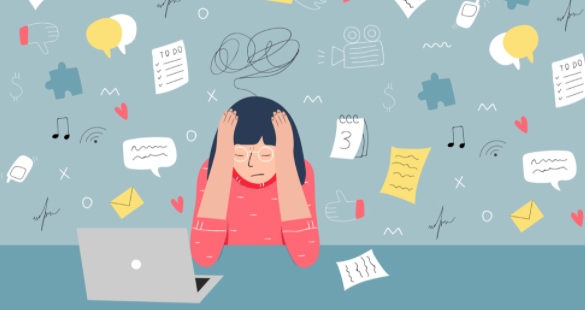
The first few weeks before school is back in session have greatly affected children and college students. Believe it or not, back-to-school anxiety is common and a manageable issue. Anxiety can impact a student’s concentration, memory, and ability to be engaged in activities. Also, another area being affected by back-to-school anxiety is social development. School is a main scene for socialization allowing students to build relationships and develop effective communication skills. Managing back-to-school anxiety is great for academic performance. Dealing with anxiety can help prevent social isolation, low self-esteem, and difficulty in forming healthy peer relationships.
There are many ways to make the change much easier and less stressful. Below are a few tips to help manage back-to-school anxiety.
Practice self-care
Create a support system
Focus on the positive
Rehearse the drop-off
Visit the school
Take deep breaths
If you or someone you know is struggling with their mental health, please contact our psychotherapy offices in New York or New Jersey to talk to one of our licensed professional psychologists, psychiatrists, psychiatric nurse practitioners, or psychotherapists at Arista Counseling & Psychotherapy. Contact our Paramus, NJ or Manhattan, NY offices respectively, at (201) 368-3700 or (212) 722-1920 to set up an appointment. For more information, please visit https://aristapsychiatrypsychotherapy.com/
Freshman Year of College: Life Transitions & Mental Wellness
By: Kristen Thauer
Everyone who has attended college or university knows that the first year can be daunting. For many American teenagers, the transition to college has become increasingly fraught with anxiety. Some are excited to meet new people, attend interesting classes and move away from home. Others may worry about the financial hardships and potential isolation that comes with moving away from friends and family. Tuition costs have skyrocketed over the past few decades. The college experience our parents or even grandparents had seems like a distant memory.
While college is an incredible opportunity for growth, not only academically but socially and emotionally, many do struggle with the transition. Transferring colleges has become increasingly common as many students end up feeling as though their first choice was not the right fit. These experiences can sometimes make it more difficult to foster new friendships and a sense of community on campus. Unfortunately, many colleges have seen a dip in student engagement since COVID-19, meaning less and less students are going to club meetings, sporting events and even class.
Many of these hardships students are facing today are caused by an uptick in mental health concerns. According to the American College Health Association’s database, 36% of college students have been diagnosed with depression and 26% of students have been diagnosed with anxiety. Regardless of the many factors that may be at play, students need mental health support both on and off campus. Reaching out for therapy in your college years can be a helpful and transformative experience as you navigate this life transition. There is no reason to suffer alone!
If you or someone you know is struggling with their mental health, please contact our psychotherapy offices in New York or New Jersey to talk to one of our licensed professional psychologists, psychiatrists, psychiatric nurse practitioners, or psychotherapists at Arista Counseling & Psychotherapy. Contact our Paramus, NJ or Manhattan, NY offices respectively, at (201) 368-3700 or (212) 722-1920 to set up an appointment. For more information, please visit https://aristapsychiatrypsychotherapy.com/
Alcoholism, or Alcohol Use Disorder, has drastic effects on the individual, and it also takes a toll on the people surrounding them including their family, friends, and colleagues. Alcoholism always has a financial tie and can easily create instability within a family.
Alcoholism can result in martial conflict, stress, and domestic violence. It is important for a family member or friend to consider their own mental health when supporting someone who has Alcohol Use Disorder (AUD). A risk that spouses face when put in this situation is codependency, focusing all of their efforts onto their partner or family member. This forms an unhealthy relationship and may lead to them blaming themselves for the addiction.
It also has detrimental effects on children living in the household. According to the American Academy of Child and Adolescent Psychiatry (AACAP), 1 in every 5 adult Americans resided with a relative who misused alcohol during their adolescence. They often face strong feelings of anger, anxiety, and confusion with some struggling with friendships, school, and mental health. Living via an alcoholic puts the child at a higher likelihood of developing AUD. It is important to set boundaries with the individual, for example, how much alcohol you are comfortable having in the house.
Considerations:
Learn about AUD and how it may affect your loved one
Try to avoid enabling them
Remove yourself from dangerous situations
Have an open conversation
Speak to a therapist or licensed professional
If you or someone you know is interested is dealing with Alcoholism or is an individual close to someone with Alcoholism, please contact our psychotherapy offices in New York or New Jersey to talk to one of our licensed professional psychologists, psychiatrists, psychiatric nurse practitioners, or psychotherapists at Arista Counseling & Psychotherapy. Contact our Paramus, NJ or Manhattan, NY offices respectively, at (201) 368-3700 or (212) 722-1920 to set up an appointment. For more information, please visit https://www.counselingpsychotherapynjny.com/
Eating Disorder: Supporting a loved one with an eating disorder
By: Maya Weisberg
When someone you know is struggling with an eating disorder, you may feel at a loss for how to help them. Afraid to say the wrong thing or push your loved one farther away, you may hold back and say nothing even when you know they need help and support. While there is nothing you can say that will magically cure them, there are certain things you can say and do to help. There are also certain things you should not say or do.
If you start to notice signs that your loved one may be dealing with an eating disorder, gently encourage them to seek out professional help. You may face resistance at this suggestion and your loved one may even get angry with you for suggesting they need help. Remind yourself that they are not truly angry with you; they are just taking out their frustration on you. Hold your ground and continue to encourage them when you can, emphasizing that you only want to help them live their happiest life.
Outside of professional help, there are several things you can do that may help alleviate some of the suffering your loved one is experiencing. First is assuring them that they are not to blame for their eating disorder nor are they one entity with their eating disorder. Reminding them that the eating disorder is something they have, not something they are, is often something that they need to hear. Second, it is important to make sure that you do not discuss diets, weight, or body shape. Talking about these things, even if you think it is in a positive light, can be triggering and may reinforce the eating disorder. A third action is to help your loved one during meal times. This can take the form of eating with them, helping them stay busy after a meal so they cannot dwell on it, or making sure that nutrition information is hidden away. Offering to go grocery shopping or cooking for/with your loved one may also be helpful. Lastly, if your loved one is responsive, ask them what they would like you to do. Every eating disorder is different so it’s important to get direct feedback and suggestions from your loved one.
Sometimes your loved one may reject any outright help from you. In these cases there are still things you personally can do that may help even if it’s not explicit. The first is to educate yourself on eating disorders. Learn about the misconceptions and causes of eating disorders as well as what the experience is like of living with an eating disorder. There are many internet resources as well as books and podcasts. Educating yourself will enable you to better understand what your loved one is experiencing and how you can help. Think about if there are any behaviors you do that may be enabling an eating disorder. These behaviors may not be obvious at first but even just talking about how you were so busy today that you didn’t have time to each lunch can be triggering. Commenting on a the body of a person you each know is another example of a behavior that may enable the eating disorder. As you educate yourself, these types of behaviors will become more apparent to you. Lastly, remember to take care of your own mental health. Without taking care of yourself, you cannot effectively help someone else.
If you or someone you know is interested is dealing with an eating disorder, please contact our psychotherapy offices in New York or New Jersey to talk to one of our licensed professional psychologists, psychiatrists, psychiatric nurse practitioners, or psychotherapists at Arista Counseling & Psychotherapy. Contact our Paramus, NJ or Manhattan, NY offices respectively, at (201) 368-3700 or (212) 722-1920 to set up an appointment. For more information, please visithttp://www.counselingpsychotherapynjny.com/
Vector illustration
Domestic Violence and Sports By: Camillia Ghavami
When we watch sports games many of us feel passionate about whether our teams win or lose. Many find excitement in watching their favorite teams battle it out for the win, others may be terrified.
Tubi’s famous Super Bowl commercial in 2023, that made it seem like someone was changing the channel, is an example of the fear many women live in while watching sports games. Some may have laughed the prank off with their families, while those in more aggressive households were met with terrifying outbursts of violence. One woman described her experience with her boyfriend violently screaming at her to find the remote and then punching a hole in a wall. Another woman who worked at a sports bar described the whole bar screaming profanities at her.
The reaction to this commercial is bringing to light a relationship few know about between sports and domestic violence. More and more studies are showing that there is a relationship between domestic violence and the wins and losses of professional football teams. Empirical analyses show that in the US, there are more domestic violence arrests on Sundays when there are NFL games than on Sundays when there are no games played. This relationship is not just found in the US. In England, domestic violence reports rose by 38% when the national soccer team lost. Even when the team won, domestic violence still rose by 26%. The biggest cause of this rise in domestic violence might have to do with whether the team wins or loses. One study found upset losses (a team loses when it was predicted to win by 4 or more points) led to a 10% increase in domestic violence by men while the rise in violence after other types of losses (like when the games were expected to be close) were small. This rise in violence is even larger when the games are more important.
The problem of domestic abuse is an epidemic that runs rampant in this country. 1 in 3 women and 1 in 4 men have experienced any form of physical violence done by an intimate partner. Additionally, 1 in 7 women and 1 in 25 men have been injured by an intimate partner. While of course all these instances were not done in reaction to a sports game, imagine if during the next big sports game, famous athletes came together and denounced domestic violence. Maybe this would lead to a new turn in our culture, where the possibility of someone changing the channel during the Super Bowl is not met with violence.
If you or someone you know is suffering from domestic violence, please contact our psychotherapy offices in New York or New Jersey to talk to one of our licensed professional psychologists, psychiatrists, psychiatric nurse practitioners, or psychotherapists at Arista Counseling & Psychotherapy. Contact our Paramus, NJ or Manhattan, NY offices respectively, at (201) 368-3700 or (212) 722-1920 to set up an appointment. For more information, please visit http://www.counselingpsychotherapynjny.com/
Agoraphobia is an often misunderstood and unacknowledged anxiety disorder. It is characterized by feelings of intense anxiety and avoidance of situations or places that are believed to be hard to escape. Agoraphobia is most often developed after having one or more panic attacks, leading to a fear of having another attack and thus avoidance of places that are thought to trigger these attacks. This anxiety is caused because of a fear that if a panic attack were to occur, there would be no easy way to escape or get help. These situations can include being in a car or airplane, being alone outside the home, or in crowded areas. While relatively ignored, this disorder affected 0.9% of US adults in the last year and 1.3% of US adults are expected to develop agoraphobia over the course of their lifetime. Adolescents show higher rates of agoraphobia with 2.4% of US adolescents aged 13-18 having the disorder. Additionally, while there is no gender differences of agoraphobia prevalence for adults, adolescent females tend to be afflicted by this disorder more so than men, 3.4% and 1.4% respectively.
Treatment for this disorder is similar to treatment for most anxiety disorders. First, psychotherapy, including cognitive behavioral therapy (CBT), has been shown to be effective in treating anxiety disorders. CBT teaches people how to be less anxious by altering their thoughts, reactions, and behaviors to situations. An example of this that can be effective for agoraphobia is exposure therapy. Exposure therapy allows people to confront their fears and helps people engage in activities they had been avoiding due to anxiety. Secondly, agoraphobia can also be treated with medications, with the most common being antidepressants, anti-anxiety medications, and beta blockers. There are many ways to treat anxiety, and a health care provider can help you choose the best treatment.
If you or someone you know is suffering from agoraphobia, please contact our psychotherapy offices in New York or New Jersey to talk to one of our licensed professional psychologists, psychiatrists, psychiatric nurse practitioners, or psychotherapists at Arista Counseling & Psychotherapy. Contact our Paramus, NJ or Manhattan, NY offices respectively, at (201) 368-3700 or (212) 722-1920 to set up an appointment. For more information, please visit http://www.counselingpsychotherapynjny.com/