Schizophrenia: The Debilitating Disease

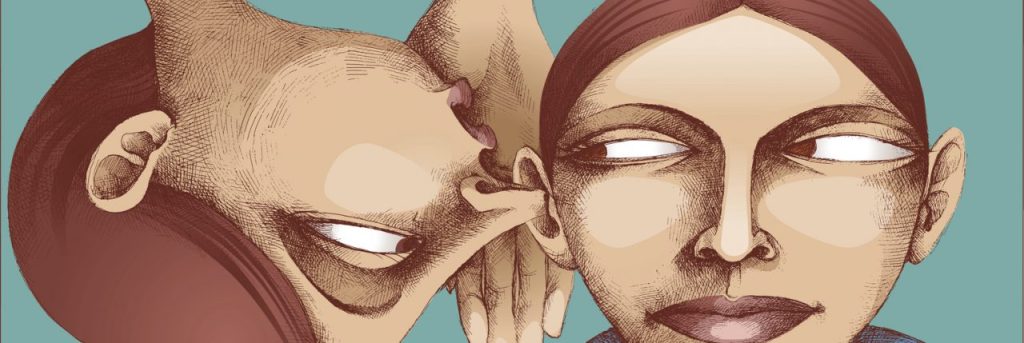
Schizophrenia, one of the most debilitating of mental illnesses, is a serious mental disorder that affects the way one thinks, feels, and behaves. Typically first diagnosed around ages 20-25, Schizophrenia affects about 1% of the US population. Though it is uncommon, Schizophrenia may be genetic, making it a common issue in families who may suffer from it. If a parent has Schizophrenia, the child has a 10% chance of also developing it. 

Contrary to popular belief, Schizophrenia is NOT defined as multiple or split personalities but instead may include:

  • Positive Symptoms: (Those that are abnormally present)
    • Delusions
    • Hallucinations
    • Disorganized speech
    • Trouble thinking
    • Lack of motivation
  • Negative Symptoms: (Those that are abnormally absent)
    • Lack of pleasure
    • Inability to perform daily tasks
    • Becoming distant from friends and family

Unfortunately, there is no known cure for Schizophrenia. However, antipsychotic medications and injectables are available to help suppress symptoms and allow those suffering to live a normal life. Over the years of research we have found that Dopamine plays a large role and has a connection to Schizophrenia, which will hopefully lead to more information regarding the disorder. 

If you or a loved one is suffering from Schizophrenia, please contact Arista Counseling & Psychotherapy, located in New York and New Jersey to speak to licensed professional psychologists, psychiatrists, psychiatric nurse practitioners or psychotherapists. To contact the office in Paramus NJ, call (201) 368-3700. To contact the office in Manhattan, call (212) 722-1920. For more information, please visit http://www.counselingpsychotherapynjny.com/ .

Sources:

https://www.psychiatry.org/patients-families/schizophrenia/what-is-schizophrenia

https://psychcentral.com/schizophrenia/schizophrenia-overview

https://www.psychologytoday.com/us/conditions/schizophrenia

Photo Source:

https://www.psycom.net/schizophrenia

Borderline Personality Disorder and Bipolar Disorder; Distinguishing Between the Two

Borderline Personality Disorder and Bipolar Disorder; Distinguishing Between the Two

By: Stacey Rodriguez

Borderline Personality Disorder (BPD) and Bipolar Disorder (BD) have many overlapping symptoms, causing them to manifest similarly. BPD is characterized by a pattern of unstable emotion, behavior and self-image. Similarly, BD is marked by unusual and extreme shifts in energy and mood.

Mood swings in the context of BPD are more frequent, shorter lived, and triggered by situational factors; they are largely a product of a distorted perception of reality fueled by dysfunctional core beliefs. Contrastingly, manic and depressive episodes experienced by those with BD are not directly induced by external stimuli, but rather a result of chemical imbalances. These episodes last for a minimum of 7 days and can be intersected by symptom free periods. While impulsivity is a key marker in both, it is important to note that in bipolar disorder it occurs most frequently during periods of mania, whereas it is unrelated to mania in BPD.

A common correlation between the two disorders is family history. Though, history of trauma seems to be a distinguishing factor as it is most particular to BPD, whereas genetics seem to play a larger part in BP.

Though BPD and BD are distinctly separate, in some cases, they can co-occur. While being informed on the nature of these two disorders is beneficial, it is essential for an individual to seek help from a mental health specialist if either seem to be present.

If you or someone you know is seeking therapy for Bipolar Disorder or Borderline Personality Disorder, please contact our psychotherapy offices in New York or New Jersey to talk to one of our licensed professional psychologists, psychiatrists, psychiatric nurse practitioners, or psychotherapists at Arista Counseling & Psychotherapy. Contact our Paramus, NJ or Manhattan, NY offices respectively, at (201) 368-3700 or (212) 722-1920 to set up an appointment. For more information, please visit http://www.counselingpsychotherapynjny.com/

Sources: https://www.nami.org/Blogs/NAMI-Blog/June-2017/Borderline-Personality-Disorder-and-Bipolar-Disord

https://www.medicalnewstoday.com/articles/324375#diagnosis

Image Source: https://ibpf.org/how-to-know-if-you-have-bipolar-disorder-adhd-or-borderline-personality-disorder/

Eating Disorders; How Stress Impacts Eating Disorders

By: Jillian Hoff

Stressful situations often can cause individuals to lean on food to cope. When someone has an eating disorder any stressful situation could possibly be one of the triggers for them. It is known that these individuals tend to have an increased desire to binge eat or restrict their diet so that they can feel more in control. This sense of stability to them is a means of a stress reliever. While stress in itself is not healthy for a person, the result of an eating disorder also tends to create problems for a person’s health. Eating disorders can often cause the individual to have a constant worry about their weight and the food that they are eating. At times this constant worry could lead to anxiety, low self-esteem and even depression. It is important especially for individuals who suffer from an eating disorder to find other ways to cope with stress so that they can try to decrease the chance of either binging or restricting food.

Some ways they can cope would to be to have some type of social support system. This would be someone that the individual can talk to at any time whether it is for emotional or financial help. The individual can also choose to focus on calming strategies like meditation or breathing exercises.  Writing down positive messages to yourself would also be a good coping mechanism especially due to the negative thoughts that they might feel due to their eating disorder. Some lifestyle changes could also help. This would include practicing time-management skills so that one does not feel overwhelmed. Also, by trying something new each day it could be used as a way to get your mind off any stressors in your life.

If you or someone you know is seeking therapy for an eating disorder, please contact our psychotherapy offices in New York or New Jersey to talk to one of our licensed professional psychologists, psychiatrists, psychiatric nurse practitioners, or psychotherapists at Arista Counseling & Psychotherapy. Contact our Paramus, NJ or Manhattan, NY offices respectively, at (201) 368-3700 or (212) 722-1920 to set up an appointment. For more information, please visit http://www.counselingpsychotherapynjny.com/

Sources:

https://www.mirasol.net/learning-center/chronic-stress.php

https://www.webmd.com/mental-health/eating-disorders/binge-eating-disorder/stress-binge-eating-disorder

Burnout Syndrome: Causes, Symptoms & Strategies

Burnout Syndrome: Causes, Symptoms & Strategies

By: Stacey Rodriguez

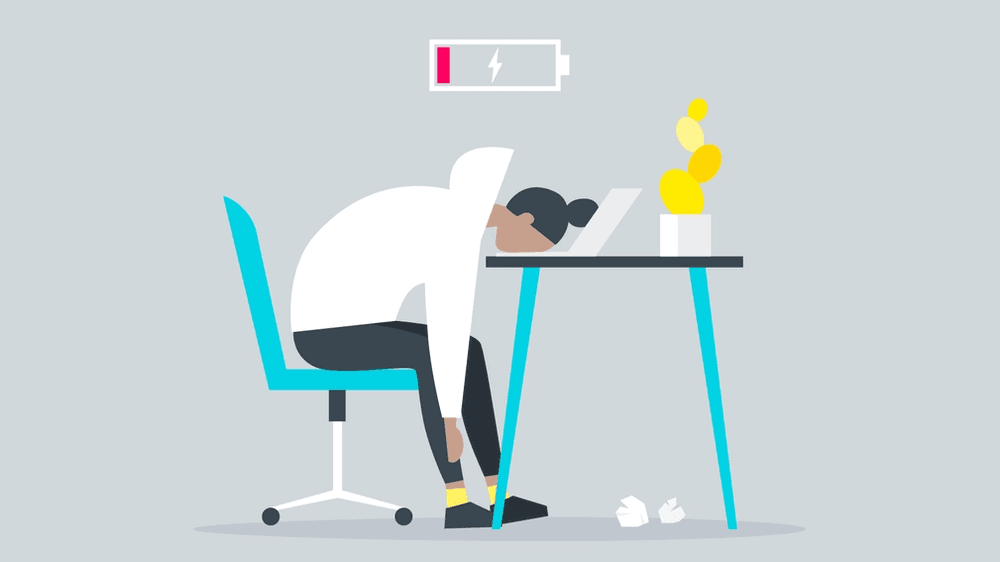
The term “burnout” has been a popular buzzword for the past several decades. In 2019, Burnout became officially been recognized as a syndrome by the World Health Organization (WHO). It is defined as a reaction to chronic occupational stress, however, lifestyle and personality traits often play a role in exacerbating this stress.

 Causes often include:

-Working in a high pressure environment

-Work is mundane or unchallenging

-Lack of recognition/reward

-Not spending enough downtime socializing or relaxing

-Perfectionist tendencies 

The syndrome is characterized by three dimensions: exhaustion, reduced professional efficiency, and cynicism (pessimistic views). These symptoms can manifest physically, emotionally, and behaviorally.

Common symptoms entail:

-Feeling exhausted most of the time

-Decreased satisfaction and sense of achievement

-Frequent headaches or muscle pain

-Changes in appetite or sleep habits

-Isolating yourself from family and friends

-Procrastinating essential tasks

On the surface, burnout may seem like regular stress, though there are several key differences which make the two fundamentally different. For example, stress involves over-engagement, urgency and hyperactivity. If chronic, stress often leads to anxiety disorders and a weakened immune system. On the other hand, burnout is characterized by the disengagement which follows a period of continuous stress, during which emotions are blunted; this produces feelings of helplessness and hopelessness which may lead to detachment and depression.

Now, during the Covid-19 Pandemic, the syndrome has become increasingly more common as the online workforce has melted the boundary between work and home. It’s more important now than ever to have strategies readily available to combat Burnout Syndrome.

Here are some strategies you can try from home:

-Reframe your outlook on work: focus on aspects of work that you enjoy, how your role helps others 

-Set boundaries! Learn how to say “no” so that you don’t overextend yourself

-Eat a healthy diet: minimize sugar, refined carbs, and overly processed food

-Exercise regularly! Try to aim for at least 30 minutes per day

If you or someone you know is seeking therapy for Burnout Syndrome, please contact our psychotherapy offices in New York or New Jersey to talk to one of our licensed professional psychologists, psychiatrists, psychiatric nurse practitioners, or psychotherapists at Arista Counseling & Psychotherapy. Contact our Paramus, NJ or Manhattan, NY offices respectively, at (201) 368-3700 or (212) 722-1920 to set up an appointment. For more information, please visit http://www.counselingpsychotherapynjny.com/

Source: https://www.verywellmind.com/stress-and-burnout-symptoms-and-causes-3144516

Image Source: https://www.google.com/url?sa=i&url=https%3A%2F%2Fwww.range.co%2Fblog%2Fhow-to-prevent-workplace-burnout-on-your-team&psig=AOvVaw2MHvFFbkjHJ9HYa6aqG51h&ust=1631384314382000&source=images&cd=vfe&ved=0CAsQjRxqFwoTCND30I2B9fICFQAAAAAdAAAAABAV

Addiction: Recognizing and Coping with a Loved One’s Opioid Addiction

By: Lydia Gallagher

Opioids are a class of drug that can either come as legal prescription drugs, such as oxycodone, morphine, codeine, and others, or illegal street drugs, like heroin. Misuse of prescription painkillers often leads to addiction, after to the cheaper and more available option of heroin. Opioid addiction, formally known as Opioid Use Disorder, is a heartbreaking disease that causes turmoil to the life of the addict and their loved ones. Recognizing the signs of an opioid addiction is an important step on the road to recovery and rehabilitation.

The common symptoms of opioid addiction are as follows:

  • Weight loss
  • Drowsiness
  • Cravings for opioids
  • Isolation
  • Frequent flu-like symptoms
  • Stealing from family or friends
  • Slurred speech

Addiction is hard to fight alone, and many people need their loved ones to help them. Addiction never discriminates and anyone can fall victim to it. Opioid Addiction doesn’t just hurt the one who is addicted. Family and friends can find it emotionally draining and upsetting to see their loved one suffer from this damaging disease. If you have a loved one suffering from opioid addiction, it is important to be there for them and encourage them to get help. It is also vital to take care of yourself and seek therapy to help you become less distressed.

If you or someone you know is seeking therapy for an opioid addiction, please contact our psychotherapy offices in New York or New Jersey to talk to one of our licensed professional psychologists, psychiatrists, psychiatric nurse practitioners, or psychotherapists at Arista Counseling & Psychotherapy. Contact our Paramus, NJ or Manhattan, NY offices respectively, at (201) 368-3700 or (212) 722-1920 to set up an appointment. For more information, please visit http://www.counselingpsychotherapynjny.com/

Sources:

https://www.drugabuse.gov/drug-topics/opioids

https://www.drugabuse.gov/publications/step-by-step-guides-to-finding-treatment-drug-use-disorders/if-your-adult-friend-or-loved-one-has-problem-drugs/how-to-recognize-substance

https://www.hopkinsmedicine.org/opioids/science-of-addiction.html

Vaping’s Tie to Mental Health

Vaping’s Tie to Mental Health

By: Jaylyn Senise

Vaping has become a recent craze, specifically within the teenage populations.   It has become more popular than even tobacco and marijuana. These vaping devices come in a range of different sizes and shapes, and the most popular of vapes include JUUL and different types of hookahs. Despite the admiration, vaping comes with a plethora of potential risks. The majority of these risks involve physical attributes such as lung disorders and general wellbeing. Oftentimes, this is all that is noticed, while the mental health detriments that become present with vaping are overlooked.

Vaping devices contain nicotine which alters the brain pathway. The synapses, which are the brain cells connections, become formed abnormally due to the nicotine. According to an article written on the National Institute of Health (NIH) website, synaptic dysfunction has been found to be a “casual factor for neuropsychiatric diseases.”   In addition, because the nicotine content of vaping devices is significantly higher than the typical combustible cigarettes, it becomes easier to generate dependence on it.  Dependence to vaping has been found to be associated with impulsivity, mood disorders, anxiety, suicidality and depression; the effect is even higher with adolescent teens.  These devices also have long term effects on mental health. For those with mental health disorders, vaping can exacerbate them due to the interruption of the cerebral dopamine pathway. In turn, this heightens the depressive symptoms.

Those who want to quit vaping should ask a healthcare professional for assistance. To manage nicotine withdrawal, the individual should build a quit plan to better organize and maintain a system, stay hydrated, get a consistent sleep schedule, and try to get support from friends and family. This will help keep the individual accountable. Quitting vaping may seem like a long and laborious process, but the negative health consequences that vaping incurs make the issue urgent.

If you or someone you know is struggling with a nicotine addiction, please contact our psychotherapy offices in New York or New Jersey to talk to one of our licensed professional psychologists, psychiatrists, psychiatric nurse practitioners, or psychotherapists at Arista Counseling & Psychotherapy. Contact our Paramus, NJ or Manhattan, NY offices respectively, at (201) 368-3700 or (212) 722-1920 to set up an appointment. For more information, please visit http://www.counselingpsychotherapynjny.com/

Sources:

https://www.webmd.com/connect-to-care/vaping/what-is-vaping

https://www.ncbi.nlm.nih.gov/pmc/articles/PMC5793422/

Vaping and mental health: What’s the connection?

https://teen.smokefree.gov/quit-vaping/vaping-addiction-nicotine-withdrawal

Image Source

https://www.google.com/url?sa=i&url=https%3A%2F%2Fwww.slingshothealth.com%2Fblog%2F2019%2F04%2F02%2Fis-vaping-worse-than-smoking-the-facts-may-surprise-you%2F&psig=AOvVaw2ZjdYeeLqUE7KTb6ktmgBF&ust=1625928050216000&source=images&cd=vfe&ved=0CAoQjRxqFwoTCPjKt5ec1vECFQAAAAAdAAAAABAD

Eating disorders: How You Can Help a Loved One with an Eating Disorder

Eating Disorders: How You Can Help a Loved One with an Eating Disorder

By: Hallie Katzman

Diet culture and body idealization are staples in society that often encourage people to overthink and become hyperaware of their body image, potentially leading to unhealthy relationships with food and exercise. Due to a combination of genetic and sociocultural factors, unfortunately eating disorders are very common and affect at least 9% of the population. Eating disorders take a strong mental, emotional and physical toll on peoples’ bodies. These symptoms can be scary or distressing for not only the person experiencing the symptoms firsthand, but also for their loved ones. Watching someone you care about struggle can make you feel helpless and worried.

Fortunately, there are supportive ways to help your loved one begin or continue their recovery journey. First, ask them if you can be involved in their eating disorder treatment to let them know that you are there for them and that you support them. Once the supportive, nonjudgmental relationship is fully established, you can consider encouraging them to go to therapy. This could mean group therapy, inpatient therapy or outpatient one on one therapy sessions with a mental health specialist. Additionally, supporting a loved one can be stressful or exhausting. Remember to take care of yourself and your own mental health as well. Be gentle towards your loved one and towards yourself and remember to not lose hope. Recovery is not always a linear process and the road to recovery may not always be easy, but it is possible.

If you or someone you know is struggling with an eating disorder or other mental health concerns, please contact our psychotherapy offices in New Jersey or New York to talk to one of our licensed professional psychologists, psychiatrists, psychiatric nurse practitioners or psychotherapists at Arista Counseling & Psychotherapy. Contact our Paramus, NJ or Manhattan, NY offices respectively, at 201-368-3700 or 212-722-1920 to schedule an appointment. Please visit our website http://www.counselingpsychotherapynjny.com/ for more information.

Sources: https://www.rtor.org/2017/02/07/dos-and-donts-eating-disorder-recovery/?gclid=Cj0KCQjwxJqHBhC4ARIsAChq4au6fNUoIaQpHAwoyO3zvaQaUIPU4IdKB3ioYw5c3kEWhV58aJny_iEaAqtuEALw_wcB

https://anad.org/get-informed/about-eating-disorders/eating-disorders-statistics/?gclid=Cj0KCQjwxJqHBhC4ARIsAChq4atr2S1zgAy3MNj0_y9dXTNv7I6ObnrlxezDutSZg5l9CQrMwknDpQcaAlWGEALw_wcB

Image Source: https://unsplash.com/s/photos/support

Hypochondria during the COVID-19 Pandemic

Hypochondria during the COVID-19 Pandemic

By: Jaylyn Senise

Hypochondria, or the anxiety surrounding one’s health, is characterized by the fear of contracting a disease or illness. This anxiety is more common than one would expect, especially within these current times of COVID-19 where it has been heightened. Prior to the COVID-19 outbreak, according to MedicalNewsToday, approximately 4-6% of the world population deals with clinically significant hypochondria. Today, some people may begin to feel anxious given the highly contagious nature of the disease in addition to the lack of information regarding the future of the disease. Oftentimes, this may lead to physical symptoms that emerge due to the stress associated with being exposed to someone sick or contracting a disease.  With the coronavirus pandemic, hypochondria may be intensified because some of the most common symptoms such as coughing and sore throat are common and may be due to other more common colds other than COVID-19.

Some signs of hypochondria include worrying that you have serious illnesses given minor symptoms, being easily panicked regarding their health status, being preoccupied by one’s wellbeing, and avoiding people and activities in fear of risk. Proper treatment for hypochondria includes behavioral stress management programs, Cognitive Behavioral Therapy, and visiting specialists for anxiety. The usage of antidepressants, for example Prozac and Luvox, and antianxiety medications are advised to control the effects of hypochondria.

If you or someone you know is experiencing hypochondria, please contact our psychotherapy offices in New York or New Jersey to talk to one of our licensed professional psychologists, psychiatrists, psychiatric nurse practitioners, or psychotherapists at Arista Counseling & Psychotherapy. Contact our Paramus, NJ or Manhattan, NY offices respectively, at (201) 368-3700 or (212) 722-1920 to set up an appointment. For more information, please visit http://www.counselingpsychotherapynjny.com/

Sources

https://www.medicalnewstoday.com/articles/hypochondria-and-covid-19

https://www.webmd.com/anxiety-panic/features/worried-sick-help-for-hypochondria

https://www.nytimes.com/ 2018/06/18/well/a-new-approach-to-treating-hypochondria.html

Image Source

https://www.google.com/url?sa=i&url=https%3A%2F%2Fwww.nytimes.com%2F2018%2F06%2F18%2Fwell%2Fa-new-approach-to-treating-hypochondria.html&psig=AOvVaw0M9bcHwiRGDUvI2RSlNcmG&ust=1625755773112000&source=images&cd=vfe&ved=0CAoQjRxqFwoTCIC39a6a0fECFQAAAAAdAAAAABAK

Diet Culture

Diet Culture

By Asha Shetler

                Diets have a 98% failure rate, yet “diet culture” has taken over our world. Diet and weight loss culture in a nutshell? Thinness is beauty, health, and success. Body positivity in a nutshell? The truth: that any body can represent beauty, health, and success. This diet culture, in addition to undermining the body positivity movement, can destroy one’s mental health and/or self-esteem. It tells us that no matter what we look like, we are too fat and we should lose weight; that our bodies are not beautiful and not healthy. Diet culture is reflected in our daily language, in Barbie’s tiny waist, in social media filters, in who’s popular and who’s not. The U.S. weight loss market was an astounding  $72.7 billion in 2018, and is predicted to only grow. Clearly, being fed these lies that spawn from diet culture can make us very self-conscious and sometimes even self-loathing. It sets us up to feel like a failure, as well as normalizes and even encourages disordered eating, such as anorexia or bulimia. So, what can we do to reject this culture? Some of the best approaches are practicing self-compassion and intuitive eating (asking yourself what you need to help you feel best in your body.) If you or someone you know is struggling with diet culture or body image, therapy could be a helpful option for you.   

Sources:

https://www.goodhousekeeping.com/health/diet-nutrition/a35036808/what-is-diet-culture/

https://www.health.com/mind-body/body-positivity/escaping-diet-culture

If you or someone you know is seeking therapy, please contact our psychotherapy offices in New York or New Jersey to talk to one of our licensed professional psychologists, psychiatrists, psychiatric nurse practitioners, or psychotherapists at Arista Counseling & Psychotherapy. Contact our Paramus, NJ or Manhattan, NY offices respectively, at (201)-368-3700 or (212)-722-1920 to set up an appointment. For more information, please visit http://www.counselingpsychotherapynjny.com/

Anxiety: Back to School Anxiety

Anxiety: Back to School Anxiety

By: Hallie Katzman

Although going back to school can be very exciting for children, some kids experience high levels of stress and anxiety associated with the end of summer and the beginning of the new school year. 7.1% of children between the ages of 3 and 17 years old have diagnosed anxiety. Anxiety disorders can be characterized by feelings of tension, intrusive or worried thoughts and physical symptoms such as sweating or a rapid heartbeat. These feelings can be heightened by stressful situations, such the transitional period of going back to school after summer vacation. Children can experience many types of anxiety related to going back to school such as separation anxiety, generalized anxiety, obsessive compulsive disorder, panic disorder or social phobias and specific back to school anxiety.

These anxiety disorders can be treated through therapy plans to help manage or reduce the child’s symptoms through techniques such as rehearsing a school day. Additionally, mental health professionals can also advise the child’s parents of different techniques to help their child ease their back to school anxiety. Family, friends and teachers can help to create a supportive environment for the child when they go back to school to make the transition easier and less anxiety provoking. If the back to school anxiety persists longer than the first couple weeks of typical jitters and is causing distress to the child’s daily life, then meeting with a therapist would be beneficial to help them better manage symptoms.

               If you, your child or someone you know is experiencing back to school anxiety or other anxiety disorders or mental health issues, please contact our psychotherapy offices in New York or New Jersey to talk to one of our licensed professional psychologists, psychiatrist, psychiatric nurse practitioners, or psychotherapists at Arista Counseling & Psychotherapy. Contact our Paramus, NJ or Manhattan offices respectively, at 201-368-3700 or 212-722-1920 to set up an appointment. Please visit http://www.counselingpsychotherapynjny.com/ for more information.

Sources: https://childmind.org/article/back-school-anxiety/

https://nyulangone.org/conditions/anxiety-disorders-in-children/types

https://www.apa.org/topics/anxiety#:~:text=Anxiety%20is%20an%20emotion%20characterized,recurring%20intrusive%20thoughts%20or%20concerns.

https://www.cdc.gov/childrensmentalhealth/features/anxiety-depression-children.html

Image source: https://www.anxietycanada.com/articles/helping-your-child-cope-with-back-to-school-anxiety/