Anxiety in Elementary School Students

Anxiety in Elementary School Students

By Kim Simone

Symptoms of Anxiety

Elementary school students may present with different symptoms of anxiety each day before, during, and after school. Physical manifestations of anxiety may include stomachaches, restlessness, heart palpitations, and complaints of not feeling well enough to attend school. These children often have difficulty falling and staying asleep and may refuse to attend school in the morning. While in the classroom, these students may show difficulty concentrating, show excessive preoccupation with performance, or may perform poorly as a result of excess worry.

Types of Anxiety Presented

Separation anxiety is characterized by excessive worry about being separated from caregivers and commonly affects students of young ages. Social anxiety is another disorder that can be found in children, impacting their ability to participate in the classroom and socialize with their classmates. Another disorder is generalized anxiety disorder (GAD) which affects students who worry about a wide variety of school issues. For instance, students with GAD may struggle with academic perfectionism. Although typically harder to identify in a school setting at a young age, young students may present with symptoms of obsessive-compulsive disorder. Students with this disorder may perform compulsive rituals or behaviors to ease their anxiety. Other anxiety disorders that may affect a student are selective mutism and specific phobias. These often impact academic and social performance.

Treatment Options

Psychotherapy can help children struggling with anxiety. Cognitive behavioral therapy (CBT) is the most commonly used treatment option. This therapy focuses on negative patterns of thoughts and addresses how thoughts affect the way the child feels. Parents of children with anxiety disorders can benefit from speaking to a child psychologist about how they can help. Medications may also be used to ease symptoms for a wide-variety of anxiety disorders. Treatment for anxiety disorders can be done through in-person services and virtual options, which can provide the necessary help to improve daily functioning.

If you or someone you know is struggling with anxiety, please contact our psychotherapy offices in New York or New Jersey to talk to one of our licensed professional psychologists, psychiatrists, psychiatric nurse practitioners, or psychotherapists at Arista Counseling & Psychotherapy. Contact our Paramus, NJ or Manhattan, NY offices respectively, at (201) 368-3700 or (212) 722-1920 to set up an appointment. For more information, please visit http://www.counselingpsychotherapynjny.com/

Sources:

https://childmind.org/article/classroom-anxiety-in-children/

Therapy for Anxiety Disorders

https://www.psychologytoday.com/us/basics/anxiety/children-and-anxiety#:~:text=They%20may%20be%20overly%20or,enough%20to%20go%20to%20school.

Image Source:

Managing Countertransference in Mental Health Professionals

Managing Countertransference in Mental Health Professionals

By Fiona McDermut

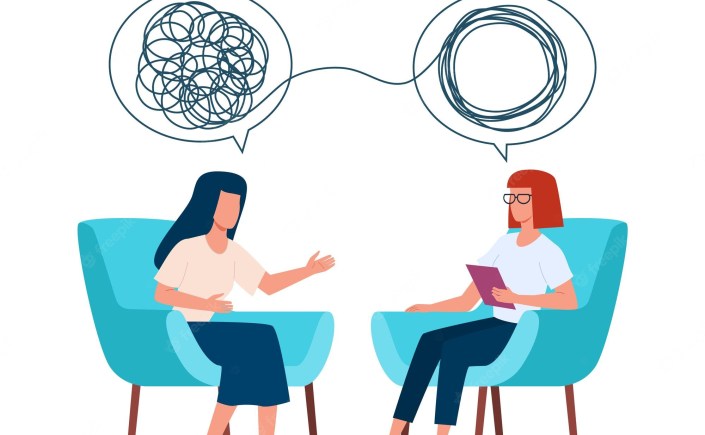
            Although mental health professionals are trained to treat a variety of disorders and psychological distress, we cannot discount their own psychological reactions. Therapists are human too, and they experience similar ups and downs to the people seeking their help. Additionally, many therapists feel a secondary wave of emotions when they can strongly identify with a client’s obstacles. For many people, it is difficult to react to others without involving personal emotions—it is no different for psychologists. In the world of mental health, this reaction based on personal mentality is known as countertransference.

            A therapist’s ability to work objectively with a client is dependent on the management of their own countertransference. Although therapists may develop strong emotional opinions about situations in their clients’ lives, it is important to always decide what is in the best interest of the clients.

Some examples of countertransference in practice include:

  • Disclosing too much personal information to a patient
  • Having unclear boundaries in the patient-doctor relationship
  • Being overly supportive or critical of the client
  • Any other actions in which the therapist allows their personal emotions to interfere with providing proper treatment

            Identifying with a patient’s strife is not necessarily a bad thing. It is important for mental health professionals to feel empathy, and to fully understand a client’s situation in order to develop a comforting therapeutic environment. However, this becomes unproductive when this empathy turns into extreme distress in the therapist and/or interferes with providing high quality care.

Luckily, there are two main ways in which mental health professionals regularly work on managing countertransference:

  • Participating in individual or group supervision or consultation with other therapists
  • Seeking therapy of their own which provides an outlet to discuss and handle personal emotional needs without projecting it onto the patient.

The role of the therapist is ultimately to help the patient, not create more stressors in the client’s life. If the therapist or patient feels that this cannot be done successfully, it may become necessary to terminate the relationship and pursue treatment with a new therapist.

If you or someone you know is experiencing countertransference, please contact our psychotherapy offices in New York or New Jersey to talk to one of our licensed professional psychologists, psychiatrists, psychiatric nurse practitioners, or psychotherapists at Arista Counseling & Psychotherapy. Contact our Paramus, NJ or Manhattan, NY offices respectively, at (201) 368-3700 or (212) 722-1920 to set up an appointment. For more information, please visit http://www.counselingpsychotherapynjny.com/

Source:

https://psychcentral.com/health/countertransference#overview

Image source:

https://www.freepik.com/premium-vector/psychotherapy-concept-psychologist-patient-with-tangled-untangled-mind-metaphor-doctor-solving-psychological-problems-couch-consultation-mental-health-treatment-flat-vector-illustration_19960102.htm

Body Dysmorphic Disorder-Beautiful In Your Own Skin Month

Body Dysmorphic Disorder-Beautiful In Your Own Skin Month

By Fiona McDermut

            In light of the start of “beautiful in your own skin” month, it is important to recognize that many struggle with body image satisfaction. Not all people look in the mirror and feel content with what they see. Even if those around you do not understand your body-related concerns, your feelings are totally valid and can be helped with treatment.

            Body dysmorphic disorder (body dysmorphia) is a mental illness characterized by a hyper fixation on perceived defects in one’s appearance. This interferes with day-to-day life because one may spend a large amount of time worrying or attempting to adjust the perceived flaw. These behaviors usually result in obsessive body comparison to others, avoidance of social interaction, and frequent negative body-checking (looking in the mirror repeatedly at disliked body parts). Unfortunately, many have associated their own happiness with how closely their bodies align with current beauty standards portrayed in the media. As one lets these thoughts progress, they can worsen, and possibly be a precursor to an eating disorder or other disorders associated with body dissatisfaction such as depression and obsessive compulsive disorder.

            While many believe that cosmetic surgery will fix their perceived flaws, research has shown that such surgeries do not improve psychological symptoms of body dysmorphic disorder. The first step to resolving the issue is recognizing that you have a warped view of what you look like. If you or someone you know experiences this, it can be very beneficial to seek psychological/psychiatric assistance. Professionals in the field will be able to decide the best way to treat these disordered thoughts. The most common treatment for body dysmorphia is cognitive behavioral therapy (CBT). Other possible treatments include hypnotherapy, exposure therapy, acceptance and commitment therapy (ACT), and the prescription of antidepressant medication in order to decrease the feelings of dissatisfaction.

            Working with a professional is important in situations like these, but it is still important to remind yourself that your perceived flaws are only noticed by you, and likely not those around you. Nobody is perfect, but with the constant pressure of modern media to be thin, our flaws often appear to be more apparent to ourselves than they are to others. The practice of mindfulness exercises may also help to focus your mind on what you have learned to love about yourself, and of course, do not be afraid to seek help when necessary.

If you or someone you know is struggling with body dysmorphic disorder, please contact our psychotherapy offices in New York or New Jersey to talk to one of our licensed professional psychologists, psychiatrists, psychiatric nurse practitioners, or psychotherapists at Arista Counseling & Psychotherapy. Contact our Paramus, NJ or Manhattan, NY offices respectively, at (201) 368-3700 or (212) 722-1920 to set up an appointment. For more information, please visit http://www.counselingpsychotherapynjny.com/

Sources:

https://www.psychologytoday.com/us/blog/the-couch/201507/whats-the-best-way-deal-negative-body-image

https://www.psychologytoday.com/us/blog/shrink/201409/how-stop-hating-your-body

https://www.sciencedirect.com/science/article/abs/pii/S1740144507000988

Image source: https://www.additudemag.com/adhd-related-body-dysmorphic-disorder/

Maternal Mental Health Month: Postpartum Depression

Maternal Mental Health Month: Postpartum Depression

By Fiona McDermut

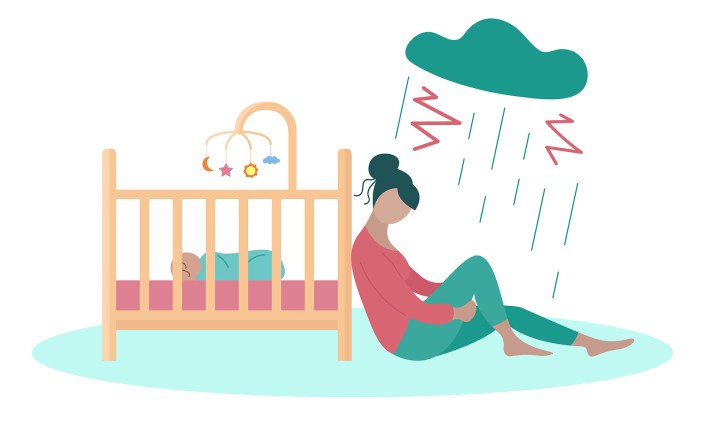
As we come to the end of Maternal Mental Health Month, it is important to recognize postpartum depression which affects one in ten new mothers. Postpartum depression is characterized by significant depressive symptoms following child birth. This is caused by the dramatic drop of hormone levels in the mother. Unfortunately, nearly half of these women are never diagnosed and therefore, never properly treated.

It is crucial to be able to identify what is normal after child birth. It is completely normal to have occasional bouts of sadness due to fluctuation in hormones, also known as “baby blues”. Many women also experience anxious thoughts as a new mother. This is frequent because of the newfound responsibility of being a parent combined with excitement and restlessness. Although these symptoms are not pleasant, they are extremely common and can go away on their own or with simple self-help techniques. Some easy self-help techniques include exercise, listening to music, exposure to morning light, and even physical touch such as more frequent hugs!

On the other hand, worrisome results of childbirth include major depressive disorder (MDD) and psychosis. Although the symptoms of MDD (sadness, lack of pleasure, loss of interest, etc.) are similar to normal feelings after childbirth, if these symptoms persist for more than two weeks, it is no longer something to brush off.

The two main treatments of postpartum depression include psychotherapy and anti-depressant medication. Cognitive behavioral therapy (CBT) and interpersonal therapy (IPT) have shown to be the most effective methods of psychotherapy treatment. Many find that the most effective results come from a combination of psychotherapy and medication. While there are many options for treatment, the best course of action is to get new mothers who are suffering from these symptoms in touch with a psychiatric professional as soon as possible, and to work with the doctor directly to select the most effective treatment plan for each individual.

If you or someone you know is struggling with postpartum depression, please contact our psychotherapy offices in New York or New Jersey to talk to one of our licensed professional psychologists, psychiatrists, psychiatric nurse practitioners, or psychotherapists at Arista Counseling & Psychotherapy. Contact our Paramus, NJ or Manhattan, NY offices respectively, at (201) 368-3700 or (212) 722-1920 to set up an appointment. For more information, please visit http://www.counselingpsychotherapynjny.com/

Sources:

https://www.psychologytoday.com/us/blog/demystifying-psychiatry/201707/possible-new-treatment-post-partum-depression

https://www.psychologytoday.com/us/blog/call/201903/post-partum-depression-what-it-is-and-how-it-is-treated

https://www.psychologytoday.com/us/blog/call/201701/depression-psychiatrist-s-recommendations-self-care

Image Source: https://www.google.com/imgres?imgurl=https%3A%2F%2Fres.cloudinary.com%2Fdyw8mv3b0%2Fimage%2Fupload%2Fc_fill%2Cg_face%2Cq_85%2Cw_710%2Ch_355%2Cf_auto%2Fv1%2Fnews%2F2021_04%2F2561982d-c1d3-4f7d-9529-84b7f2c44e74_xjw2id.jpg&imgrefurl=https%3A%2F%2Fwww.politicshome.com%2Fthehouse%2Farticle%2Fmaternal-mental-health-week&tbnid=t29_QLahacsWRM&vet=12ahUKEwj0tsm7rPj3AhWKrnIEHZiGDJoQMygOegUIARD2AQ..i&docid=VcXxB5YbuIGLWM&w=710&h=355&q=maternal%20mental%20health&ved=2ahUKEwj0tsm7rPj3AhWKrnIEHZiGDJoQMygOegUIARD2AQ

Insomnia: How Depression Is Related to Insomnia

By Kim Simone

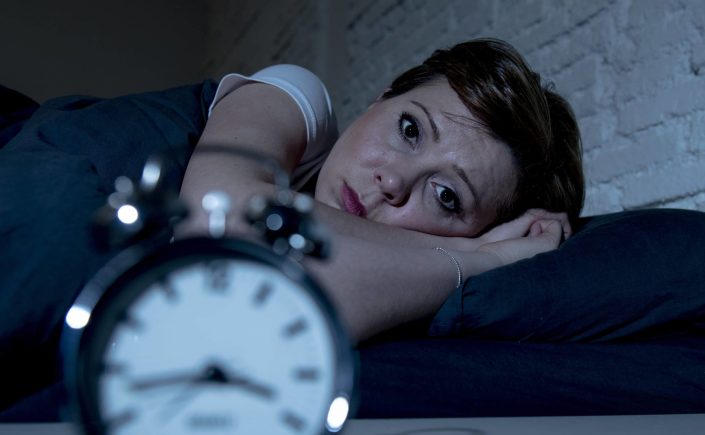
Symptoms of insomnia occur in approximately 33% to 50% of the adult population and undoubtedly affect a variety of areas of an individual’s life. In addition to a complaint of dissatisfaction with sleep quality or quantity, individuals may have difficulty falling asleep, difficulty maintaining sleep, and early-morning awakening with an inability to fall back to sleep. These difficulties may occur at least 3 nights per week and be present for at least 3 months.

Oftentimes, these sleep disturbances affect various parts of an individual’s daily life. As a result of poor sleep, individuals struggling with insomnia may display difficulties behaviorally, socially, academically.

Those struggling with depression oftentimes present with symptoms of insomnia, as the condition may influence their quality and/or quantity of sleep. Depressive symptoms often influence an individual’s quality of sleep and how much they sleep.

On the contrary, those struggling with insomnia oftentimes present with symptoms of depression. Since feelings of depression may cause individuals to lose interest in their daily activities and withdraw from those closest to them, therapy is often the treatment of choice to alleviate the depressive symptoms that result from a lack of quality and quantity of sleep.

Cognitive Behavioral Therapy can be useful in the treatment of insomnia. CBT-I is a form of CBT specifically aimed in treating the sleep condition. It concentrates on the specific thoughts and behaviors that disrupt sleep and helps in reframing the negative thoughts that may be associated with concepts related to sleep, such as “bed” and “sleep”.  As a result of CBT, anxieties related to sleep may be lessened, therefore, lessening the prevalence of insomnia.  

Sufferers of insomnia may need to speak to their therapist weekly over the course of two to three months to see an improvement in the quality and quantity of their sleep. As a result, symptoms of depression may be lessened, which may further improve the quality and quantity of their sleep.

If you or someone you know is struggling with insomnia and is seeking therapy, please contact our psychotherapy offices in New York or New Jersey to talk to one of our licensed professional psychologists, psychiatrists, psychiatric nurse practitioners, or psychotherapists at Arista Counseling & Psychotherapy. Contact our Paramus, NJ or Manhattan, NY offices respectively, at (201) 368-3700 or (212) 722-1920 to set up an appointment. For more information, please visit http://www.counselingpsychotherapynjny.com/

Sources:

https://my.clevelandclinic.org/health/diseases/12119-insomnia#:~:text=They%20affect%20up%20to%2070,at%2010%25%20to%2015%25.

https://www.psychologytoday.com/us/conditions/insomnia

Image Source:

COVID-19: Impact of COVID-19 on Mental Health of College Students

COVID-19: Impact of COVID-19 on Mental Health of College Students

By Celine Bennion

The COVID-19 pandemic has affected us in more ways than just illness itself. From strict isolation measures to mask mandates, several necessary health protocols have changed the way we carry out our daily lives. This is especially true for college students who were forced to transition to online learning, shifting the established routines they once knew.

At the onset of the pandemic, students residing on campus were forced out of their dorms to prevent the spread of COVID-19. Without a place to stay on campus, they moved back home, forcing a drastic change in living situations. Even commuter students had to adjust to new norms, as they were no longer allowed to study on campus. With siblings also engaged in online school and parents working from home, their learning environment quickly changed from a quiet classroom to a bustling household. These changes posed several challenges, as many students found it increasingly difficult to stay focused in lectures and successfully absorb the material they were presented with.

Additionally, because students could not be present on campus, they were no longer able to engage in everyday social interactions. Meeting up with friends to study, attending club meetings, and participating in sports were no longer an option after transitioning to remote learning. These fundamental social interactions are vital for college students to maintain their wellbeing and to properly develop as individuals.

The major academic and social changes that transpired due to the pandemic led to a serious rise in reports of mental health challenges. According to a 2020 Active Minds survey on college students, about 75% of respondents indicated that their mental health had declined during the pandemic. Students specifically reported increased levels of anxiety, loneliness, sadness, and stress. With the many changes that students quickly had to manage, these feelings are understandable.

The rise of mental health challenges has prompted numerous universities to initiate changes to the psychological services that are offered to students. Many students have access to Telehealth counseling sessions and other mental health resources through their university. These resources allow students to obtain proper assistance for navigating their personal challenges.

It is essential that universities acknowledge the struggles their students are facing and make appropriate changes to support them through this difficult time.

If you or someone you know is seeking therapy, please contact our psychotherapy offices in New York or New Jersey to talk to one of our licensed professional psychologists, psychiatrists, psychiatric nurse practitioners, or psychotherapists at Arista Counseling & Psychotherapy. Contact our Paramus, NJ or Manhattan, NY offices respectively, at (201) 368-3700 or (212) 722-1920 to set up an appointment. For more information, please visit http://www.counselingpsychotherapynjny.com/

Sources:

https://www.northjersey.com/story/news/education/2021/09/13/nj-colleges-covid-student-burnout-stress-mental-health-toll/5716116001/

https://online.maryville.edu/blog/stress-in-college-students-recognize-understand-and-relieve-school-stress/ (photo)

March: National Self-Injury Awareness Month

March: National Self-Injury Awareness Month

By: Julia Massa

March is self-injury awareness month. Raising awareness educates those who do not self-harm and reaches out to those who do.

Self-injury or self-harm is characterized by hurting oneself on purpose to release painful emotions, process or distract themselves from their negative feelings, feel something when feeling numb, punish themselves, or develop a sense of control in their life. Self-harm can manifest differently for everyone, including cutting, scratching, burning, carving words into the skin, punching oneself, piercing skin with sharp objects, pulling out hair, or picking at existing wounds. Due to the stigma and shame that surrounds self-injury; many people do not report it. The current self-injury prevalence from statistics in over 40 countries explains that 17% of people partake in self-harm throughout their lifetime and the average age an individual begins to self-harm is 13. 50% of people seek help from friends, but do not commonly seek professional help. Cutting is the most commonly used form, with 45% resorting to cutting to relieve their pain. Since 2009, there has been a 50% increase in reported self-injury among young females.

Warning signs of self-harm include scars, fresh cuts, burns, scratches, bruises, wearing long sleeves or pants even in hot weather, impulsiveness, rubbing an area repeatedly to create a burn, having sharp objects on hand, questioning personal identity, and feelings of worthlessness. Self-harm can cause permanent scars, uncontrollable bleeding that can result in death, infection, addiction to the behavior, shame or guilt, avoiding friends and loved ones, becoming ostracized from loved ones who do not accept or understand the behavior, and interpersonal difficulty from lying to others about their injuries.

With the devastating consequences of self-harm and rates significantly increasing, it is important to advocate for those suffering to try to prevent them from engaging in these behaviors. Additionally, resorting to therapy to treat the underlying cause, such as overwhelming feelings and mood disorders, and finding better ways to cope may be the most effective route for those suffering from self-injury to take. For some, art therapy may help people process emotions and grab a marker instead of a sharp object. Individuals suffering can also text the crisis text line at 741741 when impulses to self-harm come on suddenly.

If you or someone you know is engaging in self-harm, please contact our psychotherapy offices in New York or New Jersey to talk to one of our licensed professional psychologists, psychiatrists, psychiatric nurse practitioners, or psychotherapists at Arista Counseling & Psychotherapy. Contact our Paramus, NJ or Manhattan offices respectively, at (201) 368-3700 or (212) 722-1920 to set up an appointment. For more information, please visit http://www.counselingpsychotherapynjny.com/

https://www.crisistextline.org/topics/self-harm/#what-is-self-harm-1

https://www.nami.org/About-Mental-Illness/Common-with-Mental-Illness/Self-harm

Depression and Anxiety Post Retirement

By: Ashley Marron

While many people look forward to retirement and its freedom, it can also trigger anxiety, stress, and depression. In fact, the chance of a person facing clinical depression increases by 40% after retirement. People tend to give lots of thought when planning their retirement; whether it’s traveling the world, pursuing new hobbies, or spending more time with family and friends. However, they often overlook the psychological impact of retiring from work. While many new retirees find retiring to be a great relief from escaping the daily grind, they also find that after several months they may miss the sense of identity, meaning, and purpose that came with their job. They lose the structure that their job gave their days, as well as the social-aspect of having co-workers. Retirees may now feel bored and isolated, rather than free, relaxed and fulfilled. They may even grieve the loss of their old life, and feel stressed or worried about how they will now spend the future.

Retiring is a major life change, and it can seriously take a toll on one’s mental health. Seeking help from a professional can help provide coping mechanisms with these challenges of retirement. Therapy can also help in the treatment of depression and anxiety. There are certainly healthy ways to adjust to this new chapter in your life, and it should be an exciting time, not a negative experience. Therapy can help to ensure that your retirement is both rewarding and happy.

If you or someone you know is seeking therapy for depression or anxiety, please contact our psychotherapy offices in New York or New Jersey to talk to one of our licensed professional psychologists, psychiatrists, psychiatric nurse practitioners, or psychotherapists at Arista Counseling & Psychotherapy. Contact our Paramus, NJ or Manhattan, NY offices respectively, at (201) 368-3700 or (212) 722-1920 to set up an appointment. For more information, please visit http://www.counselingpsychotherapynjny.com/          

Sources

https://www.msn.com/en-us/health/wellness/post-retirement-depression-recognizing-the-signs/ss-BB1fWAss

Image Source

https://www.msn.com/en-us/health/wellness/post-retirement-depression-recognizing-the-signs/ss-BB1fWAss

The Rise of Eating Disorders in Men

The Rise of Eating Disorders in Men

By: Michaela Reynolds

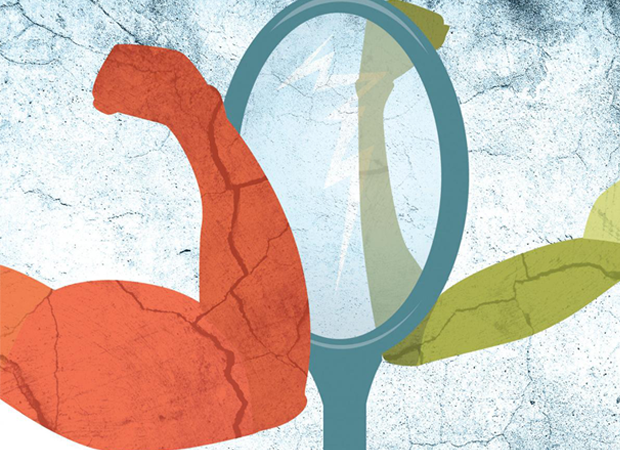
Eating disorders are commonly known to only occur in women and are associated with the desire of wanting to be thin; however, eating disorders still occur in men and look vastly different from the presentation in women. Men are not looking to be thinner, but instead are trying to get muscular and bulk up. Therefore, weight-loss behaviors usually do not apply to them. Masculine body ideals are influencing men to diet and exercise in distinctly different ways than are present in women.

Researchers proposed that the most common eating disorders in men are muscularity or muscle dysmorphia, also known as reverse anorexia. The core symptom of muscle dysmorphia is the fear of not being muscular enough. Behaviors associated with this fear include compulsive exercising, disordered eating that include protein supplements and restrictive eating, and the use of enhancing drugs and steroids. Seeking treatment can be difficult but if left untreated, the eating disorder can cause emotional damage that can lead to serious physical consequences. Due to the emotional, mental, and physical damages of body dysmorphia and reverse anorexia, interventions are crucial so they can lead to a normal life. Intervention allows a male to properly heal from their eating disorder. Also, it is important to note that there is a low awareness of eating disorders in men. Public awareness needs to come in focus as eating disorders cause many dangers.

If you or someone you know appears to be suffering from an eating disorder, please contact our psychotherapy offices in New York or New Jersey to talk to one of our licensed professional psychologists, psychiatrists, psychiatric nurse practitioners, or psychotherapists at Arista Counseling & Psychotherapy. Contact our Paramus, NJ or Manhattan, NY offices respectively, at (201)368-3700 or (212)722-1920 to set up an appointment. For more information, please visit http://www.counselingpsychotherapynjny.com/.

Sources:

https://www.healthline.com/health/eating-disorders/eating-disorders-in-men#What-do-eating-disorders-in-men-look-like?

https://www.verywellmind.com/male-eating-disorders-4140606

https://renewedsupport.org/nedawareness-week-reverse-anorexia/Rise of Eating Disorder in Men

Image:

The Effects of Agoraphobia

The Effects of Agoraphobia

By: Michaela Reynolds

Agoraphobia is an anxiety disorder that causes an individual to feel an intense fear of being overwhelmed, unable to escape, or unable to get help. Due to this intense fear and anxiety, people will often avoid new places and unfamiliar situations. New places or unfamiliar situations include: open or enclosed spaces, places outside their home, crowds, and public transportation. Usually, Agoraphobia begins with a stressful event that makes an individual feel distressed and in turn, limits their contact with the world. This limitation of contact causes avoidant-behaviors with time the individual remains confined to their home. Agoraphobia is also caused by a stressful life event that triggers a panic attack. Due to the unpleasantness of panic attacks, the individuals will avoid any place or situation that will trigger another panic attack. These instances show that agoraphobia develops over time, rather than happening all at once.

The signs of agoraphobia are similar to a panic attack disorder, but the following symptoms can still occur:

  • Chest pain or rapid heart rate
  • Upset stomach
  • Dizziness or lightheadedness
  • Sudden chills or flushing
  • Fearfulness
  • Hyperventilation
  • Excessive sweating

If you or someone you know is struggling with agoraphobia, please contact our psychotherapy offices in New York or New Jersey to talk to one of our licensed professional psychologists, psychiatrists, psychiatric nurse practitioners, or psychotherapists at Arista Counseling & Psychotherapy. Contact our Paramus, NJ or Manhattan, NY offices respectively, at (201) 368-3700 or (212) 722-1920 to set up an appointment. For more information, please visit http://www.counselingpsychotherapynjny.com

Sources:

https://my.clevelandclinic.org/health/diseases/15769-agoraphobia

https://www.betterhealth.vic.gov.au/health/conditionsandtreatments/agoraphobia#complications-of-agoraphobia

 Image: https://www.rismedia.com/2020/11/05/are-you-agraid-you-might-have-agoraphobia/