Child Therapy: Behavioral Issues

Child Therapy: Behavioral Issues

By: Isabella Favuzza

Many assume that children are naïve; however, they are quite receptive to social cues and environmental issues. Children typically sense unpleasant emotions from surrounding adults and internalize these feelings due to an inability to discuss complex situations. Children who experience these larger-than-life moments for their age may resort to behavioral defiance. There are numerous environmental stressors that lead to behavioral outbursts, such as divorce, separation, lack of friends, etc. These stressors may cause aggression, lack of empathy, refusal to adjust behavior, school disruptions, lack of social opportunities, or self-injury. A psychologist assists children challenged with complex obstacles and channels these undesirable emotions into positive, constructive thoughts.

Behavioral therapy identifies unwanted behaviors and enables children to understand said behaviors and their root causes. Children can understand complex issues in latent terms and cope with or adjust their actions to make healthy choices. There are various types of therapeutic techniques to communicate these feelings and provide greater insight. Play therapy involves toys that engage the child while acting out distressing situations. During exposure therapy, the psychologist discusses troublesome triggers and explores solutions if or when a child encounters them. Clinical reconstruction enables children to transform negative, destructive thoughts into positive emotions through therapeutic exercises. Ultimately, behavioral therapy utilizes reinforcement of pleasant actions, trigger identification, and therapeutic techniques to prevent outbursts while modeling proper behavior.

If you or your child is struggling with behavioral issues or mental health please contact our psychotherapy offices in New York or New Jersey to talk to one of our licensed professional psychologists, psychiatrists, psychiatric nurse practitioners, or psychotherapists at Arista Counseling & Psychotherapy. Contact our Paramus, NJ or Manhattan, NY offices respectively, at (201) 368-3700 or (212) 722-1920 to set up an appointment. For more information, please visit http://www.counselingpsychotherapynjny.com/

Source:

https://www.lumierechild.com/blog/does-your-child-need-behavioral-therapy

Divorce Therapy: Former Couples & Children

Divorce Therapy: Former Couples & Children

By: Isabella Favuzza

A divorce marks a challenging time in most people’s lives, especially for the former couple’s children. The couple’s emotions can range from relief and gratitude to grief and fury. The former couple may subconsciously pass these emotions onto their children, creating an unhealthy or unstable home environment. The children may also internalize these feelings, causing behavioral outbursts. Although the former couple no longer loves one another, they do love their children and must work together to ease the transition. Therapeutic services enable the former couple to mutually come together, operating as a united front for the sake of the children.

Many are accustomed to marital counseling to solve issues and prevent a divorce. However, divorce counseling has gained popularity as former couples are unsure of the next steps as parents. Although the former couple has separated, they love the children unconditionally and strive to provide a warm, healthy home free of tension. A psychologist allows the couple to disclose their thought on parenting and next steps without a heated argument. The therapist acts as a guide to put aside the former couple’s unwanted feelings toward each other and create a resolution that benefits the children. The therapist provides insight and parenting styles that ease the effects of the divorce on the children. Ultimately, divorce counseling allows the former couple to put their emotions aside and unite when deciding on parenting styles, communication, living arrangements, etc.

If you or your partner is struggling with divorce or mental health please contact our psychotherapy offices in New York or New Jersey to talk to one of our licensed professional psychologists, psychiatrists, psychiatric nurse practitioners, or psychotherapists at Arista Counseling & Psychotherapy. Contact our Paramus, NJ or Manhattan, NY offices respectively, at (201) 368-3700 or (212) 722-1920 to set up an appointment. For more information, please visit http://www.counselingpsychotherapynjny.com/

Source:

https://www.aamft.org/Consumer_Updates/Children_and_Divorce.aspx

Marriage Therapy: Couples

Marriage Therapy: Couples

By: Isabella Favuzza

A marriage is similar to a long, winding road with hills and valleys. All couples experience upward and downward periods due to life’s challenges. However, couples must actively choose to continue traveling down that road to maintain a healthy relationship. Marital partners may encounter various relationship stressors, such as psychical or mental concerns, financial issues, deciding whether to start a family, infidelity, etc. These stressors can lead to arguments as each individual feels passionately about these topics. Marriage counseling enables couples to strengthen or rebuild their relationship.

A marriage counselor or therapist helps a couple work through these concerns and regain control of their relationship through their love for one another. A psychologist creates a safe space for both individuals to disclose personal issues that are negatively affecting the relationship. When learning about these issues, the therapist remains neutral to support the relationship rather than a sole party. This space improves communication as both partners express their thoughts, concerns, and emotions regarding specific situations. This newly found communication also enables individuals to gain a deeper understanding of their partner and provides a new perspective. Discouraging marital concerns with a therapist aids the couple to resolve conflict without adding fuel to the fire with anger or resentment. Therapy provides the essential foundation for couples to solve future conflicts with a specific set of tools, rather than sweeping issues under the rug. Ultimately, marriage counseling enables couples to deepen their bond and find their way back to each other by shaping respect, improving intimacy, and rebuilding trust.

If you or your partner is struggling with marital issues or mental health please contact our psychotherapy offices in New York or New Jersey to talk to one of our licensed professional psychologists, psychiatrists, psychiatric nurse practitioners, or psychotherapists at Arista Counseling & Psychotherapy. Contact our Paramus, NJ or Manhattan, NY offices respectively, at (201) 368-3700 or (212) 722-1920 to set up an appointment. For more information, please visit http://www.counselingpsychotherapynjny.com/

Source:

https://www.forbes.com/health/mind/does-marriage-counseling-work

Addiction: Drug Abuse

Addiction: Drug Abuse

By: Isabella Favuzza

Many partake in recreational drug use, assuming addiction is nearly impossible due to occasional drug use in social settings. However, more than 70% of individuals who use drugs recreationally develop an addiction and experience negative consequences associated with said addiction. These behaviors involve compulsiveness, the inability to stop using the drug, undesirable emotions, withdrawal, etc. These unpleasant symptoms and behaviors can also negatively affect the addict’s relationships with work, loved ones, etc. A majority of addicts desire to stop using drugs but find it extremely challenging as the drug creates a physical and neurological dependence. No one wants to become a drug addict; however, drug use neurologically alters the brain, making it burdensome to quit.

Counseling services can identify the triggers leading to continued drug use, provide intensive intervention, supply vital behavioral strategies, offer peer support, and reduce the risk of relapse. Psychotherapy, or talk therapy, can help addicts cope with feelings of guilt, shame, anger, sorrow, etc. A psychologist can also provide intensive care to assist with drug detoxification and withdrawal symptoms that can be grueling to experience by oneself. Therapy provides addicts with behavioral and cognitive tools to cope with triggers, understand past drug abuse, and maintain sobriety. Ultimately, therapy enables drug addicts to reclaim their livelihood and relationships with loved ones by relinquishing the negative consequences of drug abuse.

If you or someone you know is struggling with drug addiction or abuse, please contact our psychotherapy offices in New York or New Jersey to talk to one of our licensed professional psychologists, psychiatrists, psychiatric nurse practitioners, or psychotherapists at Arista Counseling & Psychotherapy. Contact our Paramus, NJ or Manhattan, NY offices respectively, at (201) 368-3700 or (212) 722-1920 to set up an appointment. For more information, please visit http://www.counselingpsychotherapynjny.com/

Source:

https://www.hanleycenter.org/five-big-benefits-of-counseling-in-drug-addiction/#:~:text=Counseling%20provides%20additional%20benefits%20to,recovery%2C%20and%20reducing%20the%20risk

Mental Illness Stigma Still Exists

By: Gisela Serrano

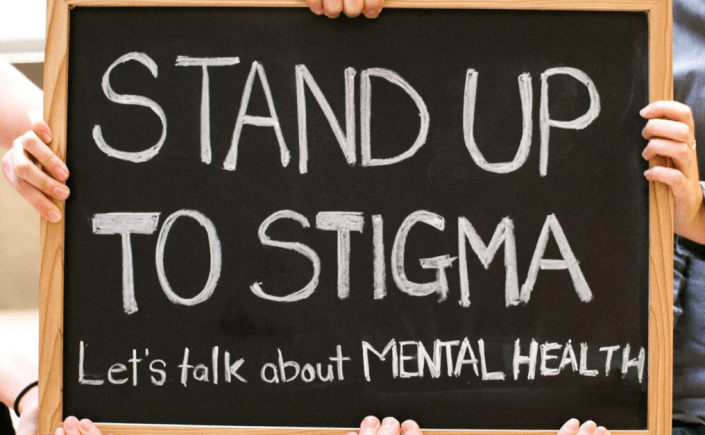
The sad reality is that a stigma on mental illness still exists, although we’d like to think that it has been minimized significantly. There are several people with a voice, including celebrities, who advocate and speak on the importance of mental health; some even give light to their own mental health issues. However, stigma on mental health illnesses is still very much alive today and can prevent many people from seeking professional help, which can be beneficial to them. Ignorance and a lack of education also play a major role in preventing people from reaching out for the help they need. People who are uneducated may not be familiar with the options they have when seeking professional providers and thus limit themselves the access of qualified providers who have more clinical experience and expertise. For this reason, they consult professionals who may not necessarily specialize in the condition from which they are suffering from. People with low income may also not be able to afford high quality care. As a result of these factors, many people usually shy away from searching for help as they unfortunately feel shame and embarrassment.

Overall, many people fear that they would be the subject of criticism, lose friendships and relationships, and lose their jobs if they were to confide in someone about their mental health state. According to David B. Feldman Ph.D., in his post “The Tragedy of Mental Illness Stigma” on Psychology Today, “in half of U.S. states, admitting to a history of mental illness can lead to loss of a driver’s license, inability to serve on a jury or run for office, or even potentially loss of custody of a child.” It makes absolute sense why some people would be hesitant about speaking out or seeking the help they need. The bottom line here is: there is nothing wrong with accepting that you need help – whatever your situation or problem may be. Recognizing that you need help is the first healthy step you can take to achieving mental health and overall taking care of yourself. Stop waiting decades to search for help or receive care. Many mental health illnesses are treatable and for good reasons should not be put off. Talking to your friends and family is also an important step you should consider taking as it can provide you the strong moral support system you need. The sooner you learn to avoid and disregard mental illness stigma, the quicker you can be on the road to recovery.