Depression: What Does Your Messy Room Say About You?

Depression: What Does Your Messy Room Say About You?

By, Maro Mikhaeil

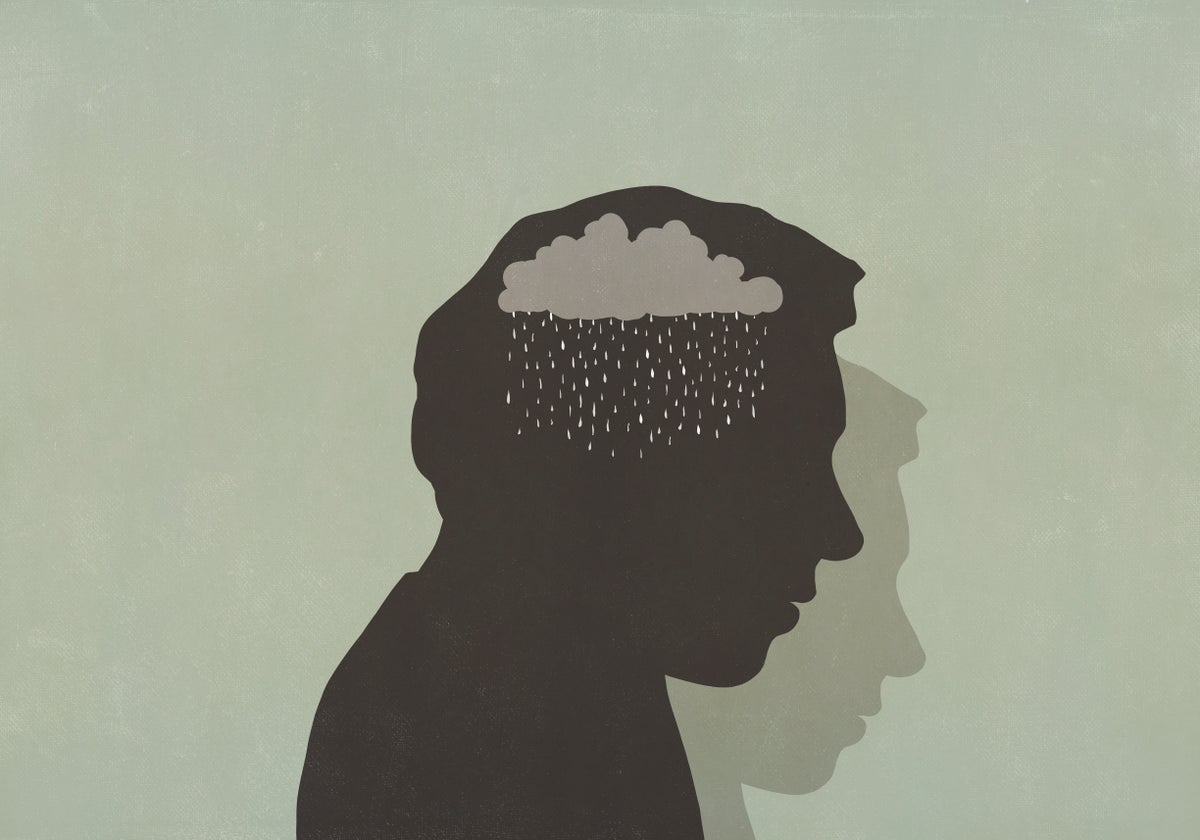
Are you struggling with maintaining a clean room? A messy room may represent a disorganized mind and high stress levels. FMRI scans have shown that disorganization and clutter negatively impacts the way our brains work. Some may even go as far to say that it can be seen as a depressive episode. Depression has been shown to make it hard for individuals to take care of themselves physically, especially when it comes down to cleaning their bedrooms. Individuals with depression also demonstrate lack of motivation doing their daily tasks. It can take significantly more energy and effort to accomplish even the smallest tasks.

What exactly is depression?

Depression is characterized as a mood disorder that causes one to feel constantly low or sad and may even affect your interest to do certain activities. Symptoms in depression can vary from mild to severe and there are psychological scales that can assess the severity of the illness. Depression can affect anyone even children and adolescents and risk factors ranges from brain chemistry to genetics to environmental factors and even to personality. For instance, you can experience extreme lows, which may lead to depression if you receive a poor score on an exam for which you have been studying and expected a higher score.

Is depression treatable?

Depression is in fact treatable and can be treated by the following ways:

  1. Psychotherapy, also known as talk therapy in which focuses on one’s feelings and past experiences. It may help to talk to someone about your low moments.
  2. Medications like antidepressants, antipsychotics, and anxiolytics may help with symptoms
  3. Hypnotherapy, also known as hypnosis which puts you in a trance-like state to relax you and helps reduce anxiety and stress

And more!

Although cleaning one’s room may be difficult for individuals who are depressed, there is certainly a way through it. Perhaps try cleaning just a small part of your room each day until the entire space is clean. Having your room cleaned might help your depression even more, since a clean environment is proven to improve mood and reduce stress.

If you or someone you know is struggling with depression or mental health, please contact our psychotherapy offices in New York or New Jersey to talk to one of our licensed professional psychologists, psychiatrists, psychiatric nurse practitioners, or psychotherapists at Arista Counseling & Psychotherapy. Contact our Paramus, NJ or Manhattan, NY offices respectively, at (201) 368-3700 or (212) 722-1920 to set up an appointment. For more information, please visit http://www.counselingpsychotherapynjny.com/

Sources:

https://www.psychiatry.org/patients-families/depression/what-is-depression#section_2

https://www1.racgp.org.au/newsgp/clinical/what-does-clutter-do-to-your-brain-and-body

https://www.webmd.com/balance/ss/slideshow-clutter-affects-health

Bipolar Disorder: The Impact on Family Dynamics

Bipolar Disorder: The Impact on Family Dynamics

By, Maro Mikhaeil

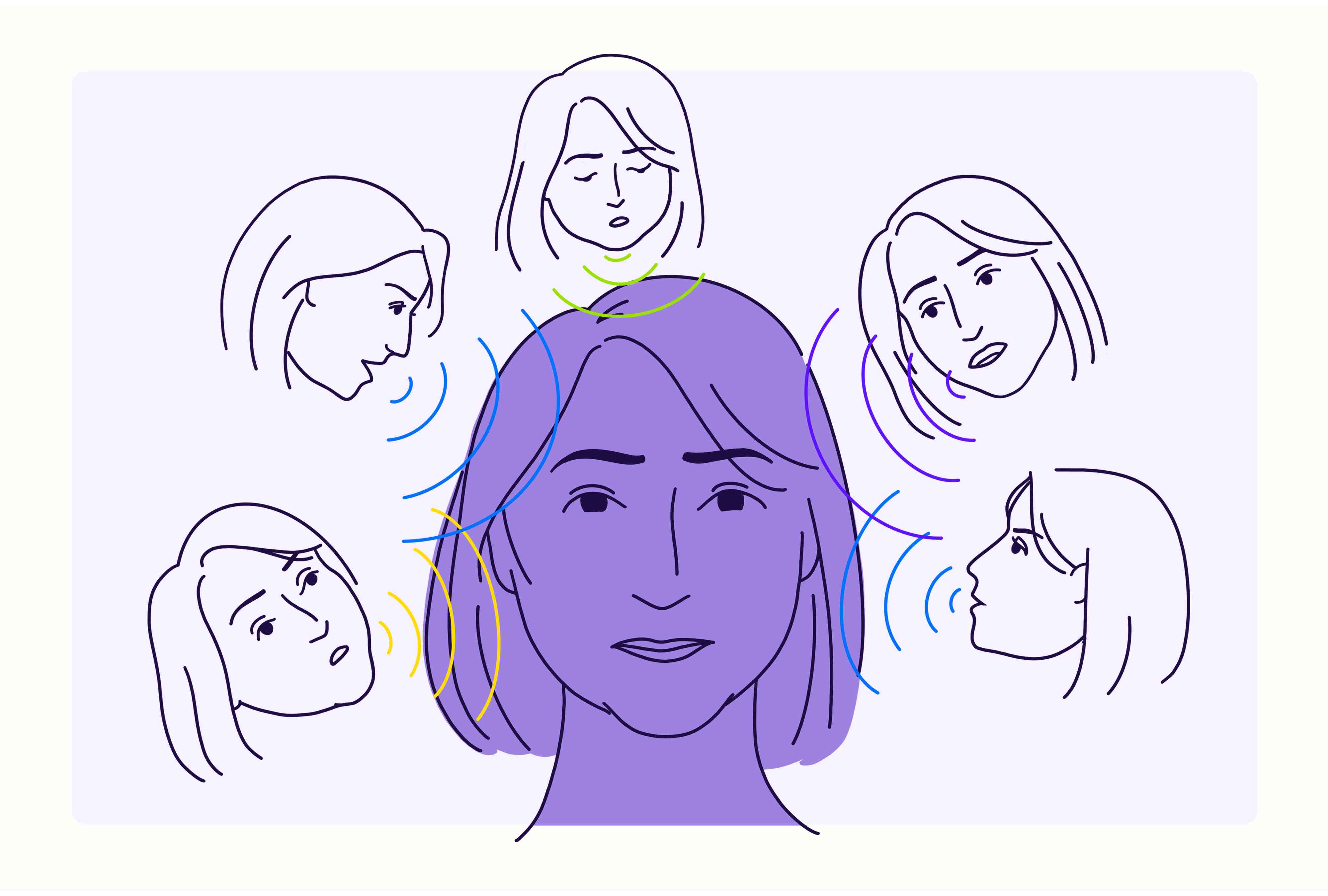
Living with a family member who has a mental illness is never fun. Especially when it comes to bipolar disorder, which is a disorder where the individual will have frequent highs and lows. This can sometimes be hard on the family members as they witness their loved one struggle and take it out on the family. Individuals with bipolar disorder often go through many hardships and, unfortunately, may not always want to seek help. This can lead to broken families and trauma for other family members. Some individuals may even go undiagnosed, which leads to more devastating consequences that will derail their lives in significant ways.

Types of Bipolar Disorder:

There are two types of Bipolar Disorder: Bipolar Disorder I and Bipolar Disorder II. Bipolar Disorder I is more severe than Bipolar Disorder II and usually is characterized by several days of insomnia because of mania. Mania is characterized by increased energy, excessively high moods, extreme irritability, racing thoughts, distractibility, spending sprees, and denial that anything is wrong.  As for Bipolar Disorder II, the disorder is characterized as experiencing hypomanic episodes, but it is also accompanied by severe depression-like symptoms just as severe as Bipolar Disorder I. These disorders are treatable with medications and psychotherapy. Medications may include mood stabilizers, antidepressants, and antipsychotics to manage elevated mood and depressed episodes.

What can I do to help a loved one with bipolar disorder?

Although it can be tough to be around someone with bipolar disorder, it is also important to understand the illness and seek out a professional that can help. A person with bipolar disorder usually feels isolated because of the condition and faces obstacles on a daily basis. Supporting a family member who may be suffering from this condition is essential for their recovery. Keep in mind that people with bipolar disorder can still lead fulfilling lives, but strongly depends on their support system and their willingness to get help.

If you or someone you know is struggling with bipolar disorder or has a family member with the disorder, please contact our psychotherapy offices in New York or New Jersey to talk to one of our licensed professional psychologists, psychiatrists, psychiatric nurse practitioners, or psychotherapists at Arista Counseling & Psychotherapy. Contact our Paramus, NJ, or Manhattan, NY, offices, respectively, at (201) 368-3700 or (212) 722-1920 to set up an appointment. For more information, please visit http://www.counselingpsychotherapynjny.com/.

Sources:

https://www.healthline.com/health/bipolar-disorder/bipolar-1-vs-bipolar-2#treatment

https://www.heretohelp.bc.ca/infosheet/bipolar-disorder-effects-on-the-family

Addiction: Alcoholism

Addiction: Alcoholism

By Isabella Favuzza

American society deems alcoholic beverages such as cocktails a social normality, but many walk the fine line between social drinking and alcoholism. Whether you are drinking to socialize, conform, enhance, or cope you may find yourself unable to control the alcohol cravings. Loved ones may describe you as bad tempered or irritable and you may find yourself yearning for that next sip, regardless of the occasion. Many alcoholics are unaware when they cross that fine line; most don’t remember/feel the change.

Alcoholism is a burdensome journey that should never be traveled alone. Asking for help is the first and most challenging step for alcoholics due to guilt, shame, etc. Therapy provides the appropriate and essential tools to aid struggling alcoholics to cope with these anguishing feelings of resentment, anger, and sorrow. Throughout the course of therapy, a psychologist will help alcoholics identify drinking behavior/patterns, identify risk factors, set goals, think positively, provide intensive intervention/care, and routinely monitor the progress. Therapy is designed to construct a recovery plan that enables alcoholics to recover from drinking, regain control of their livelihood, thrive at work, and connect with loved ones. Ultimately, the alcoholic benefits from therapy by regaining control and reestablishing a healthy relationship with friends and family.

If you or someone you know is struggling with alcohol abuse or addiction please contact our psychotherapy offices in New York or New Jersey to talk to one of our licensed professional psychologists, psychiatrists, psychiatric nurse practitioners, or psychotherapists at Arista Counseling & Psychotherapy. Contact our Paramus, NJ or Manhattan, NY offices respectively, at (201) 368-3700 or (212) 722-1920 to set up an appointment. For more information, please visit http://www.counselingpsychotherapynjny.com/

Insomnia: What can cause Insomnia?

Insomnia: What can cause Insomnia?

By, Maro Mikhaeil

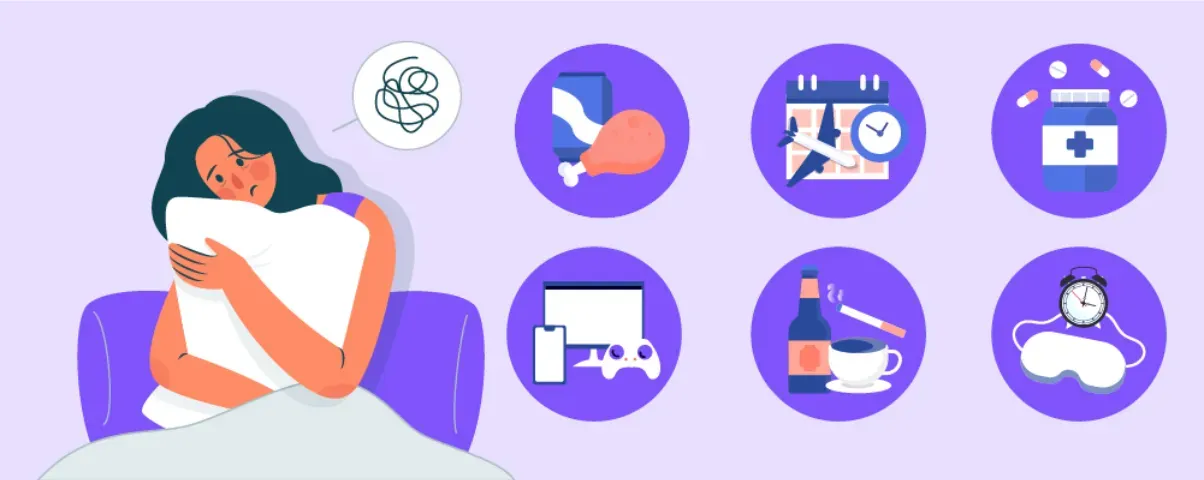
Insomnia is a sleep disorder that is characterized by trouble falling or staying asleep. According to the Cleveland Clinic, around one in three adults worldwide suffer from insomnia symptoms. Sleeplessness can be classified into two categories: acute and chronic. Additionally, insomnia may be a sign of a number of mental health issues or even medical conditions. There are several factors that might cause insomnia, including genetic makeup, stress, anxiety, caffeine, alcohol, and more.

Stress, whether it is from your job or school, may keep you from falling asleep. Given that anxiety causes a lot of worry, it can also interfere with your ability to sleep. Caffeine can cause insomnia because it blocks the adenosine receptor, preventing sleepiness and disrupting your sleep pattern. Additionally, studies have shown that alcohol consumption can adversely affect REM sleep, which is necessary for consistently getting high-quality sleep. Lastly, maintaining good sleep hygiene is essential since poor sleeping patterns can eventually lead to insomnia.

If you or someone you know is struggling with insomnia or mental health, please contact our psychotherapy offices in New York or New Jersey to talk to one of our licensed professional psychologists, psychiatrists, psychiatric nurse practitioners, or psychotherapists at Arista Counseling & Psychotherapy. Contact our Paramus, NJ or Manhattan, NY offices respectively, at (201) 368-3700 or (212) 722-1920 to set up an appointment. For more information, please visit http://www.counselingpsychotherapynjny.com/

Sources:

https://my.clevelandclinic.org/health/diseases/12119-insomnia

https://www.piedmont.org/living-real-change/how-does-alcohol-affect-your-sleep#:~:text=The%20biggest%20problem%20that%20alcohol,vivid%20dreams%2C%E2%80%9D%20says%20Dr.

https://www.nhsinform.scot/illnesses-and-conditions/mental-health/insomnia%20-%20causes

Anxiety : The Physical Symptoms

Anxiety: The Physical Symptoms

By: Dyami Efroimson

Living with an anxiety disorder is often accompanied by experiencing persistent feelings of worry and panic over miniscule events in one’s life that are difficult to control. Alongside these feelings of worry, a variety of physical symptoms can also be experienced. Although the direct causes of anxiety are unknown, it is explained by the interaction of several factors such as genetics, the chemical makeup of the brain, and the environment.

                Some of the physical symptoms that one may experience during anxiety attacks are heart palpitations, muscle aches and pains throughout the body that have no apparent cause,  dizzy spells, and shortness of breath. These symptoms come in varying degrees of severity and can interfere with everyday life. But why do these physical symptoms occur?

                As stated before, the direct causes of anxiety have yet to be discovered; however, some symptoms can be explained. Muscle aches, for example, are a result tensing the muscles during times of heightened panic. This tensing can lead to a buildup of lactic acid that results in muscle pains almost anywhere in the body. Another result of this state of tension is ‘tension headaches’, which are pains in one’s head that are caused by heightened tension in the body.

                Commonly, those with anxiety experience pains in their chest, heart palpitations and painful tingling in their extremities. Heart palpitations occur when one becomes hyperaware of the quickness or aggression of their own heartbeat. These symptoms are most likely the result of the hyperventilation that occurs during severe anxiety attacks. Rapid breathing results in decreased blood flow, and can lead to a tingling sensation in one’s hand and feet as well as pains in the chest and change in the rate of one’s heartbeat.

                Another physical symptom experienced by those with anxiety is hypersensitivity. This is the tendency to be hyperaware of how different parts of the body feel, so the pains and discomforts that those without anxiety may be able to deal with, are exasperated. The anxious individual pays more attention to these little aches and pains, causing them to become increasingly severe and difficult to ignore.  Muscles may be tender to the touch and individuals can experience chronic pain that doctors may fail to link to a psychiatric disorder

                Living with anxiety does not simply mean feeling nervous, as some may believe. It is a disorder that affects one’s entire body, and interferes with the ability to perform day to day tasks that come easily to others. However, these symptoms can be treated with psychotherapy, CBT (cognitive behavioral therapy), and medication.

If you or someone you know is struggling with anxiety or their mental health please contact our psychotherapy offices in New York or New Jersey to talk to one of our licensed professional psychologists, psychiatrist, psychiatric nurse practitioners, or psychotherapists at Arista Counseling and Psychotherapy. Contact our Paramus, NJ or Manhattan, NY offices respectively, at (201) 368-3700 or (212) 722-1920 to set up an appointment. For more information, please visit http://www.counselingpsychotherapynjny.com/

https://www.mayoclinic.org/diseases-conditions/anxiety/symptoms-causes/syc-20350961

https://www.calmclinic.com/anxiety/signs/aches-and-pains#:~:text=Furthermore%2C%20muscle%20tension%20can%20also,The%20back

https://www.healthline.com/health/hyperventilation#:~:text=Low%20carbon%20dioxide%20levels%20lead,and%20tingling%20in%20the%20fingers.

Autism: Benefits of Early Intervention

Autism: Benefits of Early Intervention

By, Maro Mikhaeil

According to the Centers for Disease Control and Prevention (CDC), 1 in 36 children and 1 in 45 adults are found to have autism in the U.S.

What is autism?

Autism Spectrum Disorder is characterized as a neurodevelopmental condition where challenges with social skills, repetitive behaviors, speech, and nonverbal communication may occur. The CDC says that autism can be detected as early as 18 months and may even go undiagnosed until years later. The earlier the diagnosis, the better, as early intervention is crucial for speech, communication, motor skills, and many more.

What is early intervention?

Early intervention is described as therapeutic services for young children and babies with developmental disabilities. There are many types of early intervention services used, such as speech therapy, applied behavioral analysis, occupational therapy, and more. Early intervention is found to be very beneficial as it addresses many life skills, which in turn makes so much progress for children with ASD in the long run.

It can be difficult to see a loved one struggle with autism spectrum disorder. If you or a family member is struggling with mental health, please contact our psychotherapy offices in New York or New Jersey to talk to one of our licensed professional psychologists, psychiatrists,
psychiatric nurse practitioners, or psychotherapists at Arista Counseling &
Psychotherapy. Contact our Paramus, NJ or Manhattan, NY offices respectively,
at (201) 368-3700 or (212) 722-1920 to set up an appointment. For more
information, please visit
 http://www.counselingpsychotherapynjny.com/

Sources:

https://www.autismspeaks.org/autism-statistics-asd#:~:text=1%20in%2036%20children%20in,diagnosed%20with%20autism%20than%20girls.

https://www.autismspeaks.org/what-autism

https://learning.nspcc.org.uk/safeguarding-child-protection/early-help-and-early-intervention#:~:text=Why%20are%20early%20help%20and,impacting%20a%20child’s%20life%20negatively.

https://behavioral-innovations.com/blog/critical-early-intervention-children-autism-spectrum-disorder/           

Therapy, Men in therapy: Why do men find it difficult to seek help for psychological issues?

By: Ipek Yurttutan

Barriers in our society have prevented men from seeking therapy, but why? According to CDC, only 8% of American men received counseling or therapy in 2020. (CDC, 2020) Help-seeking may be perceived as a feminine quality and as well as a direct threat to the concept of masculinity. Depression is the leading mental health disorder that effects men. (6 million every year) Men tend to express their depressive symptoms different than women, and majority do not fit in the criteria for the DSM5-TR. For instance, externalizing behaviors such as alcohol consumption, aggressive behaviors and irritability are very common among men. Some men stay away from therapy because they might dislike the idea that seeking help will make them look “weak”. These biases are deeply ingrained within our society that even some professionals may have certain expectations of men such as behaving like the masculine stereotypes. In some cases these expectations may lead to misdiagnosis and wrong treatment plans. It is very important that we diminish these unrealistic expectations and let everyone have the same access to mental health care.

If you or someone you know is struggling with their mental health, please contact our psychotherapy offices in New York or New Jersey to talk to one of our licensed professional psychologists, psychiatrists, psychiatric nurse practitioners, or psychotherapists at Arista Counseling & Psychotherapy. Contact our Paramus, NJ or Manhattan, NY offices respectively, at (201) 368-3700 or (212) 722-1920 to set up an appointment. For more information, please visit http://www.counselingpsychotherapynjny.com/

Social Anxiety: Social Anxiety vs. Introversion

Social Anxiety: Social Anxiety vs. Introversion

By, Maro Mikhaeil

People often find themselves confusing social anxiety with just being shy. This leaves many individuals go undiagnosed and may even worsen overtime. But what’s the difference?

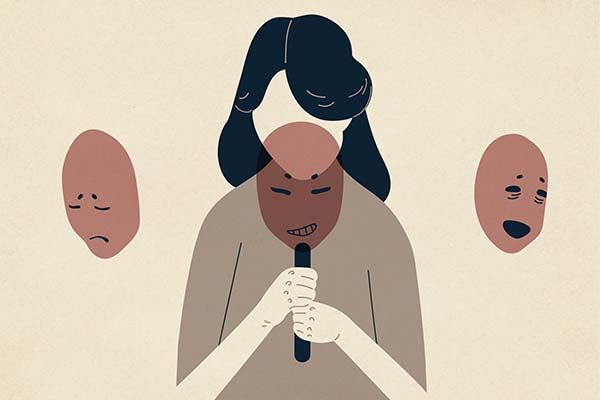
First and foremost, social anxiety disorder is characterized as feeling symptoms of anxiety when it comes to social situations. Social anxiety is the feeling of being judged by others causing one to feel suppressed and feel unable to express oneself. One who feels symptoms of anxiety when presenting in front of a class or even have trouble making friends may be experiencing social anxiety.

However, introversion can certainly look the same as well. Introversion is characterized as being quiet most of the time in social situations and feeling more energy when spending time alone. An introverted individual spends time alone as a way of recharging for a social event and is a choice as opposed to individuals who experience social anxiety.

Individuals who experience social anxiety want to connect with others but feel held back because of the anxiety that is attached to the idea. They will often use alone time not to recharge themselves but as a way of protecting themselves and ultimately avoiding a social situation altogether.

If you or someone you know is struggling with their mental health, and may be experiencing social anxiety please contact our psychotherapy offices in New York or New Jersey to talk to one of our licensed professional psychologists, psychiatrists, psychiatric nurse practitioners, or psychotherapists at Arista Counseling & Psychotherapy. Contact our Paramus, NJ or Manhattan, NY offices respectively, at (201) 368-3700 or (212) 722-1920 to set up an appointment. For more information, please visit http://www.counselingpsychotherapynjny.com/.

Sources:

https://www.nimh.nih.gov/health/publications/social-anxiety-disorder-more-than-just-shyness#:~:text=They%20feel%20symptoms%20of%20anxiety,of%20situations%20or%20social%20interactions.

https://www.psychologytoday.com/us/basics/shyness#what-causes-shyness

https://mhanational.org/introversion-vs-social-anxiety#:~:text=With%20social%20anxiety%2C%20avoidance%20of,care%20rather%20than%20self%2Dprotection.

Motivation: How to Complete your To-Do List in the Midst of a Depressive Episode

Motivation: How to Complete your To-Do List in the Midst of a Depressive Episode

By, Dyami Efroimson

A major symptom of depression that can make life difficult for those experiencing it is the loss of motivation. Activities one may have enjoyed in the past, no longer bring joy and everyday responsibilities feel impossible to accomplish.  

What Causes This?

With depression, there is a severe lack of dopamine which is responsible for the rewarding feeling we get when we complete at task. This chemical imbalance in conjunction with other factors like lifestyle choices, genetic predisposition, and medication causes a decrease in one’s motivation. The thought of doing any activity can feel overwhelming, causing those struggling with depression to be unable to push themselves to complete even simple tasks.

How does one deal with this lack of motivation?

The key thing is: be patient with yourself. Do not beat yourself up for not being able to do seemingly “easy” tasks. Break the task making you feel overwhelmed into smaller parts that seem a little more doable. For example, if you’re having trouble getting out of bed, start with just sitting up if you are lying down. Or if you need to clean your room, just focus on picking up one piece of clothing off the ground, then another, then another, until you have no clothes left to pick up. By breaking your projects down into simpler tasks, the larger items on your to-do list become a little more manageable. As you complete these bite-sized tasks, your motivation will slowly make its way back as you build healthy habits, and your to-do list will get smaller and smaller.

If you or someone you know is struggling with their mental health please contact our psychotherapy offices in New York or New Jersey to talk to one of our licensed professional psychologists, psychiatrist, psychiatric nurse practitioners, or psychotherapists at Arista Counseling and Psychotherapy. Contact our Paramus, NJ or Manhattan, NY offices respectively, at (201) 368-3700 or (212) 722-1920 to set up an appointment. For more information, please visit http://www.counselingpsychotherapynjny.com/

Hypnosis: What can you do to help with your anxiety?

Hypnosis: What can you do to help with your anxiety?

By, Maro Mikhaeil

Anxiety has occurred amongst millions of individuals from all over the world. In fact, Anxiety is the most common mental illness for its effect on a wide range of individuals.

There are many treatments for individuals experiencing symptoms of anxiety. One of the most successful treatments is hypnosis, which entails hypnotic inductions. Hypnosis essentially teaches you how to be in a state of trance and deep relaxation. Hypnosis helps to decrease feelings of anxiety by keeping your emotions in check and actually helps you anchor these calm feelings. Anchoring is a technique being used here that teaches an individual undergoing hypnosis to associate to more positive triggers instead of negative ones (Leming, 2023).

Hypnosis may even allow individuals to recall memories and revisit them, in a way that decreases one’s anxiety. In other words, it may take you into a dream-like state where you will go back to the time that caused your anxiety and help you conquer it.

If you or someone you know is struggling with their mental health, severe anxiety please contact our psychotherapy offices in New York or New Jersey to talk to one of our licensed professional psychologists, psychiatrists, psychiatric nurse practitioners, or psychotherapists at Arista Counseling & Psychotherapy. Contact our Paramus, NJ or Manhattan, NY offices respectively, at (201) 368-3700 or (212) 722-1920 to set up an appointment. For more information, please visit http://www.counselingpsychotherapynjny.com/

Sources:

https://www.forbes.com/health/mind/anxiety-statistics/#:~:text=Roughly%20301%20million%20people%2C%20an,are%20affected%20by%20anxiety%20disorders

https://www.forbes.com/health/mind/anxiety-statistics/#:~:text=Nationally%3A%20Over%2040%20million%20adults,mental%20illness%20in%20the%20world.

https://www.choosingtherapy.com/hypnosis-for-anxiety/#:~:text=A%20hypnotherapist%20guides%20a%20person,focused%20awareness%2C%20and%20soothing%20suggestions.