Self-esteem

By: Charleene Polanco

Have you ever experienced a time in your life when you felt that, “you weren’t good enough?” If you have, self-esteem is at the core of this feeling, because it involves perceptions one has of oneself. These perceptions eventually become beliefs about self-worth and value. That is why self-esteem is so important in a person’s life, because how people think of themselves, is what drives them towards or away from certain actions. High self-esteem is often associated with multiple accomplishments in life. This is because people with high self-esteem, believe that they are worthy of the opportunities they get, and, therefore, make the most out of them. One the other hand, those with low self-esteem, constantly believe that they are not good enough. When an opportunity presents itself to them, people with low self-esteem feel like they do not deserve it, and do not perform their best. This is why low self-esteem is associated with depression and anxiety. If you are suffering from low self-esteem, here are a couple of tips available to raise self-esteem:

  • Identify triggers of low self-esteem: if you are able to recognize the places or people that lower your self-esteem, you are able to avoid or prepare for them. This way, learning experiences come from each event.
  • Avoid negative self-talk: if you do not think negatively about yourself, you are able to feel better and attempt things you would normally avoid.
  • Connect with loved ones: family members and friends can be great emotional support because people who care about you, will also make you feel loved and wanted. Nurture these feelings so that eventually you are able to see yourself as they do, and will slowly learn how to love yourself a little more each day.

If you or someone you know is suffering from low self-esteem, please contact our psychotherapy offices in New York or New Jersey to talk to one of our licensed professional psychologists, psychiatrists, psychiatric nurse practitioners, or psychotherapists at Arista Counseling & Psychotherapy. Contact our Paramus, NJ or Manhattan, NY offices respectively, at (201) 368-3700 or (212) 722-1920 to set up an appointment. For more information, please visit http://www.counselingpsychotherapynjny.com/.

Sources:

Gross, S. J. (2016, July 17). How To Raise Your Self-Esteem. Retrieved October 8, 2018, from https://psychcentral.com/lib/how-to-raise-your-self-esteem/

Mind for Better Mental Health. (2013). How to increase your Self-esteem. Retrieved October 8, 2018, from https://www.mind.org.uk/information-support/types-of-mental-health-problems/self-esteem/#.W9cKgY2WyM8


 

Alcohol Use Disorder

By Samantha Glosser

Alcohol use disorder, more commonly known as alcoholism, is a pattern of alcohol use that results in impairment and distress in your daily life. Short term effects of alcohol use disorder include memory loss, hangovers, and blackouts. However, the long term effects are much more serious and include the following: stomach ailments, heart problems, brain damage, memory loss, liver cirrhosis, and cancer. Alcohol use disorder is also linked to increased chances of dying from automobile accidents, homicide and suicide, as well as increased rates of unemployment, domestic violence, and legal problems.

Cravings for alcohol, drinking in spite of it causing personal problems, an inability to stop drinking, and building up a tolerance to alcohol are common symptoms of alcohol use disorder. Alcohol use disorder can be diagnosed if two or more of the following are present in a twelve-month period (the severity of addiction is based on how many symptoms are present):

  • Drinking more or for a longer period than intended.
  • Feeling the need or trying to cut back on drinking.
  • Spending a lot of time drinking and recovering from the short-term effects of drinking.
  • Craving the use of alcohol.
  • Failing to perform responsibilities due to drinking.
  • Continuing to use alcohol even though it is creating relationship problems.
  • Ceasing participation in important activities to drink more.
  • Drinking before or during potentially dangerous activities (such as driving).
  • Continuing drinking despite its relation to physical and mental health conditions.
  • Developing a tolerance for alcohol.
  • Experiencing withdraw symptoms when reducing or stopping alcohol intake.

There are numerous treatment options available to individuals struggling with alcohol use disorder, such as detoxification, Alcoholics Anonymous (AA), inpatient/outpatient treatment programs, and medication. There are also different methods to recovery, such as abstinence (completely quitting) or just cutting down on alcohol intake. Finding the right treatment options depends on the individual, which is why it is recommended to seek guidance from a trained professional.

If you or someone you know appears to be suffering from alcohol use disorder, the licensed psychologists, psychiatrists, psychiatric nurse practitioners, and psychotherapists at Arista Counseling & Psychotherapy can assist you. Contact our Paramus, NJ or Manhattan, NY offices respectively, at (201) 368-3700 or (212) 722-1920 to set up an appointment. For more information, visit http://www.counselingpsychotherapynjny.com/

Source: Alcohol Use Disorder. (n.d.). Retrieved from https://www.psychologytoday.com/us/conditions/alcohol-use-disorder

Anxiety: Social Anxiety Disorder

By: Charleene Polanco

Social anxiety disorder is characterized by an intense fear of being rejected by people. Many people feel some level of anxiety when they are placed into unknown social situations. However, those suffering from social anxiety disorder may avoid socializing altogether, because they cannot handle being judged or seen in a negative way by others. A person with social anxiety disorder, can experience anxiety during many different situations like; going on a date, eating in front of people, making eye contact, public speaking, or going to parties. Some of the symptoms of social anxiety include:

  • Rapid heartbeat
  • Uneasy stomach/diarrhea
  • Muscle tension
  • Lightheadedness
  • Sweating

Social anxiety can cripple a person’s life, because normal everyday interactions are triggers of anxiety and discomfort. This is why many people who suffer from social anxiety disorder choose to isolate themselves from everyone. In order to reduce the fear of rejection, people with social anxiety disorder are encouraged to be exposed to social situations, not run away from them. Although being around others is what brings them distress, socializing is also what allows people with social anxiety to change the way they think about social engagements. Instead of having negative perceptions about the way people view them, the more they socialize and are accepted by others, the more socially anxious people see that those perceptions are not true.

If you or someone you know is suffering from social anxiety, please contact our psychotherapy offices in New York or New Jersey to talk to one of our licensed professional psychologists, psychiatrists, psychiatric nurse practitioners, or psychotherapists at Arista Counseling & Psychotherapy. Contact our Paramus, NJ or Manhattan, NY offices respectively, at (201) 368-3700 or (212) 722-1920 to set up an appointment. For more information, please visit http://www.counselingpsychotherapynjny.com/.

Sources:

Anxiety and Depression Association of America. (2018). Social Anxiety Disorder. Retrieved October 01, 2018, from https://adaa.org/understanding-anxiety/social-anxiety-disorder

Nordqvist, C. (2018, February 05). What’s to Know About Social Anxiety Disorder? Retrieved October 01, 2018, from https://www.medicalnewstoday.com/articles/176891.php

WebMD. (2018). What Is Social Anxiety Disorder? Retrieved October 01, 2018, from https://www.webmd.com/anxiety-panic/guide/mental-health-social-anxiety-disorder#1


Postpartum Depression

By Samantha Glosser

“I thought postpartum depression meant you were sobbing every single day and incapable of looking after a child. But there are different shades of it and depths of it, which is why I think it’s so important for women to talk about. It was a trying time. I felt like a failure.” -Gwyneth Paltrow

Postpartum depression can begin as early as a few weeks after giving birth, and it affects one in seven women. Symptoms of postpartum depression include the following: depressed mood or mood swings, excessive crying, difficulty bonding with the baby, withdrawal from loved ones, loss of appetite or an increased appetite, inability to sleep or sleeping too much, fatigue or loss of energy, anxiety, fear of not being a good mother, thoughts of harming yourself or your baby, and recurrent thoughts of death and suicide. These symptoms typically interfere with your life and your ability to raise and connect with your child. Although it is not certain what causes postpartum depression, it is most likely due to a combination of hormones and emotional processing deep in the brain.

As noted by Gwyneth Paltrow, an actress using her fame to shed light on the severity of this disorder, postpartum depression is not one size fits all; every woman experiences it differently and experiences symptoms at different severities. This is why it is important for women to be open and honest about their experiences with postpartum depression. Women often feel a lot of shame when they have postpartum depression, because they do not understand why they are feeling this way or what they are feeling. They feel like they are alone in these feelings. However, this is not the case. Other famous mothers such as Brooke Shields and Marie Osmond, like Paltrow, are using their platforms to share their struggles with postpartum depression and let women know that they are not alone and that they should not feel ashamed, which is opening up the doorway to treatment for all women. Postpartum depression can be effectively treated with psychotherapy, support groups, and psychiatric medication if needed. These treatments are the most efficient way for you to feel better and connect with your child.

If you or someone you know appears to be suffering from postpartum depression, the licensed psychologists, psychiatrists, psychiatric nurse practitioners, and psychotherapists at Arista Counseling & Psychotherapy can assist you. Contact our Paramus, NJ or Manhattan, NY offices respectively, at (201) 368-3700 or (212) 722-1920 to set up an appointment. For more information, visit http://www.counselingpsychotherapynjny.com/.

Source: Layton, M. J. (2016, January 26). Task force urges doctors to screen new moms for depression. Retrieved from http://www.northjersey.com/story/news/2016/01/26/task-force-urges-doctors-to-screen-new-moms-for-depression/94422958/

Anxiety: Test Anxiety

By: Charleene Polanco

Have you ever had a moment of extreme panic, right before the beginning of a test? How about feeling like you are about to faint, or excessive sweat during an exam? If these symptoms describe your test-taking experience, then you might be suffering from test anxiety.

Test anxiety is defined as a psychological condition where people experience severe distress and anxiety during exams. Some causes of test anxiety are fear of failure and lack of preparation. A fear of failure can result from wanting to perform well. One who associates their self-worth with a test’s outcome, can feel devastated when the grade is not what he or she expected. This creates a vicious cycle, where because the person is afraid of feeling worthless, when they fail, they become anxious while taking the exam.  As a result, their performance level on tests drops. Lack of preparation is another cause of test anxiety, which occurs when students do not study properly for an exam. For those who like to wait until the night before an exam, to cram five chapters worth of information into their brain, tests are a constant source of anxiety and stress.

Symptoms of test anxiety can be split up into three categories; physical, emotional, and behavioral/cognitive symptoms. Some physical symptoms include headaches, nausea, excessive sweating, and rapid heartbeat. Emotional symptoms can be expressed as feelings of anger, fear, helplessness, and disappointment.  Behavioral/cognitive symptoms are difficulty concentrating and negative thinking.

To help manage test anxiety, here are some tips;

  • Properly prepare for exams
  • Develop good test-taking skills
  • Engage in relaxation techniques, like taking deep slow breaths
  • Keep a positive mindset

If you or someone you know is suffering from test anxiety, please contact our psychotherapy offices in New York or New Jersey to talk to one of our licensed professional psychologists, psychiatrists, psychiatric nurse practitioners, or psychotherapists at Arista Counseling & Psychotherapy. Contact our Paramus, NJ or Manhattan, NY offices respectively, at (201) 368-3700 or (212) 722-1920 to set up an appointment. For more information, please visit http://www.counselingpsychotherapynjny.com/.

Source:

“Test Anxiety.” Anxiety and Depression Association of America, ADAA, Anxiety and Depression Association of America , 2018, adaa.org/living-with-anxiety/children/test-anxiety

Stress: The Detrimental Effects of Stress on the Body

By: Charleene Polanco

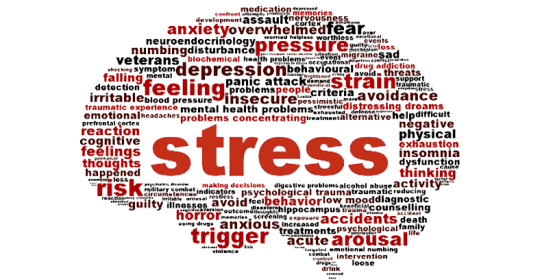
Stress is something that everyone experiences at some point in their lives. Stress is defined as a physical, mental, or emotional strain or tension, and whether it is about taking a final exam for class, going off to college for the first time, or work-related, stress can affect the way we perform. If gone unchecked, stress can lead to a variety of negative consequences on the body, which will be discussed. Stress has been linked to a number of physical and emotional disorders, like depression, anxiety, heart attacks and stroke. A constant high level of stress, can lead to immune system disturbances, which can cause an increase in your body’s susceptibility to infections. Stress can also have direct effects on the skin leading to rashes and hives.

Unlike rashes and hives, which are visible, stress can affect various systems, organs, and tissues within the body, signs that are not seen, and are, therefore, much harder to notice. Some parts of the body affected by stress are the nervous and cardiovascular systems. When stressed, the nervous system signals the body’s adrenal glands to secrete adrenalin and cortisol. Since both of these hormones cause high blood pressure, a person who is under constant stress, also has elevated blood pressure which can lead to heart problems in the future. Even if a stress episode is considered to be minor, repeated minor stress episodes can negatively impact a person’s cardiovascular system by causing inflammations in the coronary arteries. This can eventually cause heart attacks. In order to prevent the negative consequences of untreated high levels of stress, it is important to recognize the symptoms. There are multiple symptoms of stress, some of which include, frequent headaches, cold hands/feet, dry mouth, heartburn, depression, forgetfulness, and rapid or mumbled speech.

If you or someone you know is suffering from stress, please contact our psychotherapy offices in New York or New Jersey to talk to one of our licensed professional psychologists, psychiatrists, psychiatric nurse practitioners, or psychotherapists at Arista Counseling & Psychotherapy. Contact our Paramus, NJ or Manhattan, NY offices respectively, at (201) 368-3700 or (212) 722-1920 to set up an appointment. For more information, please visit http://www.counselingpsychotherapynjny.com/.

Source:

“Stress Effects.” Common Signs and Symptoms of Stress, The American Institute of Stress, 4 Jan. 2017.

Psychiatric Medication: The Stigma of Mental Health Medication

By: Sanjita Ekhelikar

When someone gets a fever, a bacterial infection, or any other physical illness, what do we tell them? “Rest, go to the doctor, and take some medicine.” We strongly encourage them to receive a prescription for and to take medication for their illness. If a sick individual were to not take their medication, we would tell them that they are being irresponsible, and that they are not taking care of themselves. Why do we not say the same when it comes to medication for people struggling with mental illness?

In a time when mental health is becoming increasingly important, society still has a stigma around this, primarily regarding prescription psychiatric medications for it. There is still a lack of understanding about what mental health is and how it impacts people. Some view those with these difficulties as “crazy” and “unstable.” Medications for such conditions are seen in a negative light, and are seen to be only for people who are labelled “crazy” or “unstable.” Since mental illnesses are related to the mind and are invisible to the eye, many in our society cannot believe that these illnesses are serious, and thus consider taking medication for them to be shameful and unnecessary. As a result, thousands of individuals feel ashamed to get the proper help and take medications. They thus must struggle and suffer silently.

In reality, mental health medications can be extremely beneficial, and can change the lives of those who take them. Mental illness can be grueling to live with and can compromise one’s life and wellbeing. Medication helps these individuals to overcome their condition and lead a better life, especially paired with psychotherapy. Antipsychotic and antidepressant drugs have been developed to help these people in need, and we should be encouraging people to take them and take the necessary steps in getting better instead of shaming them.

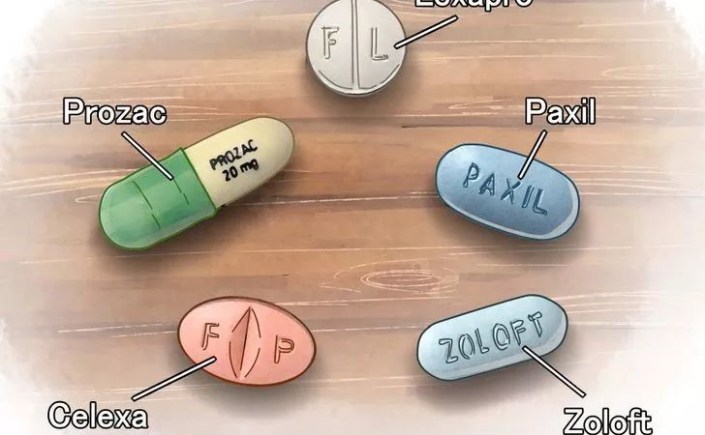
While we have no problem encouraging our loved ones to take Tylenol, Advil, Cough syrup, and many other medications for their physical ailments, we should be just as promoting of them taking Lexapro, Zoloft, Prozac, and other psychological medications. It is time to eliminate stigmas around taking care of our mental health, and encourage and applaud those who have taken the steps towards a better life through using mental health medications.

If you or someone you know is suffering mental illness and would like to consider medication, please contact our psychotherapy offices in New York or New Jersey to talk to one of our licensed professional psychologists, psychiatrists, psychiatric nurse practitioners, or psychotherapists at Arista Counseling & Psychotherapy. Contact our Paramus, NJ or Manhattan, NY offices respectively, at (201) 368-3700 or (212) 722-1920 to set up an appointment. For more information, please visit http://www.counselingpsychotherapynjny.com/.

Suicide and Mental Health Issues in College Students

By Samantha Glosser

Many students expect their college years to be the best years of their lives. They will achieve great academic successes, make life-long friends, go to the best parties, and enjoy living away from their parents. This idea is emphasized all around us in movies, TV shows, and social media posts. However, this is a glorified image of college that may not be the case for all students. In fact, according to a recent study by the American College Health Association, about 1 in every 11 college students have attempted suicide; 1 in 5 students has considered suicide and 1 in 5 students engage in self-harm.

How could these statistics be true when students are told that they are living in the best years of their lives? As it turns out, the college years are filled with numerous different stressors. These stressors include academic and career difficulties, intimate relationships, finances, personal and family health problems, issues with personal appearance, and death of family members and friends, just to name a few. 3 out of every 4 college students have experienced at least one of these stressors within the last year. These stressors are highly associated with mental health diagnoses, self-harm, and suicidality. The societal pressure that college should be the best years of your life can also be contributing to these statistics. If a student feels alone or thinks that no one else is experiencing similar feelings, it can push them closer towards self-harm and suicide.

If you or someone you know appears to be at immediate risk of suicide, please call the National Suicide Prevention Hotline at 1-800-273-8255. If you are not at immediate risk, but appear to be suffering from suicidal thoughts or other mental health issues, the licensed psychologists, psychiatrists, psychiatric nurse practitioners, and psychotherapists at Arista Counseling & Psychotherapy can assist you. Contact our Paramus, NJ or Manhattan, NY offices respectively, at (201) 368-3700 or (212) 722-1920 to set up an appointment. For more information, visit http://www.counselingpsychotherapynjny.com/

Source: https://psychcentral.com/news/2018/09/11/survey-1-in-5-college-students-stressed-considers-suicide/138516.html

Hypochondria: Somatic Symptom Disorder

Alice Cordero

A condition once called Hypochondria now falls under the name Somatic Symptom Disorder. Somatic Symptom Disorder is characterized as extreme focus on physical symptoms. When one places extreme focus on physical symptoms – such as fatigue and pain- the individual usually experiences emotional distress and problems functioning in their daily lives.

Those diagnosed with somatic symptom or hypochondriasis disorder often consider the worst case scenarios about their symptoms, which often leads the individual to frequently seek medical care. The individual’s health concerns become such a crucial focus in their life that they in fact become disabled.

Symptoms of somatic symptom disorder may include:

  • Sensations in a specific area ( whether that be shortness of breath or pain) or more general sensations, like weakness and fatigue
  • Excessive thoughts, feelings, behaviors and worrying
  • Checking the body repeatedly for any sort of abnormalities

When one is diagnosed with somatic symptom disorder it is important to keep a positive outlook, because stress and negativity pave the way for the development of symptoms. Those with a history of substance abuse and high levels of sensitivity to pain are commonly seen with this condition.  Anxiety, depression, and OCD are conditions that are often diagnosed as accompanying somatic symptom disorder.

For somatic symptom disorder treatment normally involves cognitive behavioral therapy, mindfulness- based therapy, and medication such as antidepressants. With the proper treatment research has revealed that recovery is possible using the proper strategies to eliminate as much pain as possible.

If you or a loved one appears to be suffering from Somatic Symptom Disorder (Hypochondriasis), the licensed psychologists, psychiatrists, psychiatric nurse practitioners, and psychotherapists at Arista Counseling & Psychotherapy can assist you. Contact our Paramus, NJ or Manhattan, NY offices respectively, at (201) 368-3700 or (212) 722-1920 to set up an appointment. For more information, visit us at http://www.counselingpsychotherapynjny.com/

ADHD: Recognizing Symptoms

adhd-bergen-county-NJ-therapy

ADHD: Attention-Deficit / Hyperactivity Disorder

By: Denice Vidals

ADHD is a common disorder characterized by a pattern of inattention and hyperactivity. Symptoms of ADHD can appear as early as 3 to 6 years old and can continue into adolescence and adulthood. In order for an adult to be diagnosed with ADHD, symptoms must have been present prior to 12 years old. Although everyone may experience feelings of impulsivity and inattention, people with ADHD experience these symptoms more severely, more often, and they often interfere with how the individual functions in social settings.

According to the DSM-V, a diagnosis of ADHD is given when 6 or more symptoms of inattention are present for children up to age 16. Only 5 symptoms of inattention are needed for adults and regardless of age, symptoms must be present for at least 6 months. Inattention can be characterized as having trouble paying attention, overlooking details, making careless mistakes, being easily distracted by unrelated stimuli, being forgetful, and having trouble organizing tasks and following instructions.

A diagnosis of ADHD can also be given when 6 or more symptoms of hyperactivity are present for children up to age 16. Only 5 symptoms are required for a diagnosis of ADHD for adults. These symptoms must be present for at least 6 months as well. Hyperactivity can be described as constantly being in motion, interrupting others during conversation or activities, constantly talking, unable to wait patiently for one’s turn, squirming in one’s seat, and fidgeting with one’s hands or feet often.

If you or someone you know is experiencing symptoms of ADHD, the licensed psychologists, psychiatrists, psychiatric nurse practitioners, and psychotherapists at Arista Counseling & Psychotherapy can assist you. Contact our Paramus, NJ or Manhattan, NY offices respectively, at (201) 368-3700 or (212) 722-1920 to set up an appointment. For more information, visit http://www.counselingpsychotherapynjny.com/

Centers for Disease Control and Prevention. (2017, August 31). Retrieved March 22, 2018 from https://www.cdc.gov/ncbddd/adhd/diagnosis.html

National Institute of Mental Health. (2017, November). Retrieved March 22, 2018 from https://www.nimh.nih.gov/health/statistics/attention-deficit-hyperactivity-disorder-adhd.shtml