Depression: Postpartum Depression

Depression: Postpartum Depression

By: Josette DeFranco

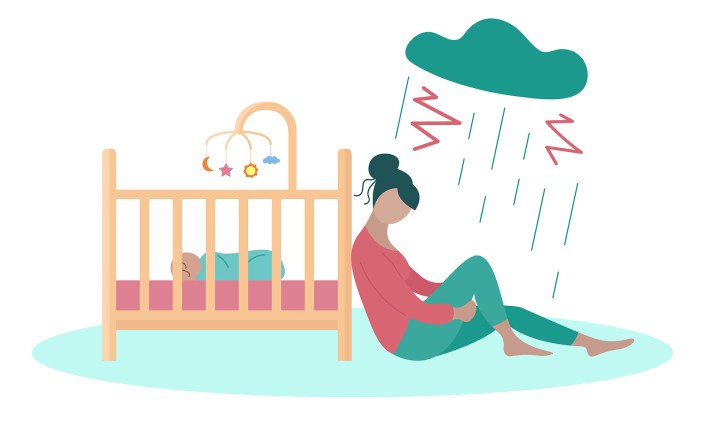
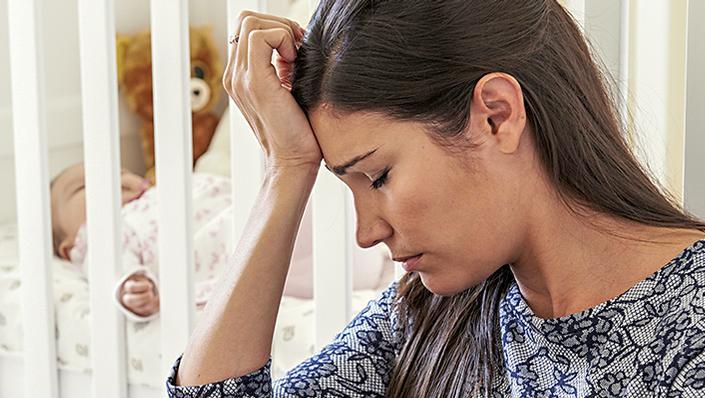
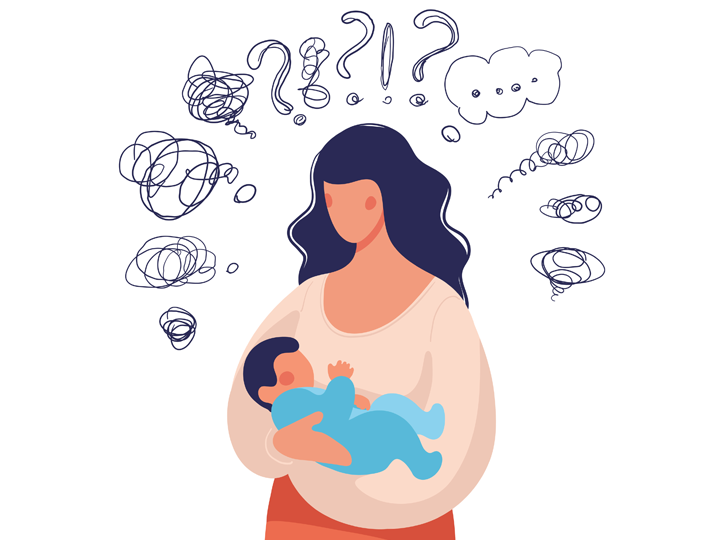
Postpartum depression is a vulnerable time for a woman’s health. Many women are experiencing mood changes and are expected to have an amazing transition into motherhood. However, many women struggle with mental health issues after giving birth. It’s important to spread awareness and show support to the women who are struggling with postpartum depression.

Postpartum depression symptoms start to occur four to six weeks after giving birth and can gradually decrease as time goes on. Nonetheless, depression can reoccur within three years after pregnancy or giving birth. Some common symptoms of postpartum depression can be intrusive, unwanted thoughts and postpartum rage.

Here are some ways to help someone you know or who is struggling with postpartum depression:

  • Seek help from a licensed mental health professional
  • Look for a community to help you in both emotional and practical ways
  • Practice mindfulness and relaxation therapy
  • Use positive affirmations and be more kind to yourself
  • Practice skin-to-skin care which can help with reducing the stress hormone cortisol
  • Avoid alcohol or recreational drug use
  • Eat healthy
  • Prioritize rest for yourself
  • Gaining more knowledge about postpartum depression

If you or someone you know is struggling with their mental health, please contact our psychotherapy offices in New York or New Jersey to talk to one of our licensed professional psychologists, psychiatrists, psychiatric nurse practitioners, or psychotherapists at Arista Counseling & Psychotherapy. Contact our Paramus, NJ, or Manhattan, NY offices at (201) 368-3700 or (212) 722-1920 to set up an appointment. For more information, please visit https://aristapsychiatrypsychotherapy.com/

Resources:

https://www.psychologytoday.com/us/blog/parenting-translator/202306/how-to-improve-postpartum-mental-health

Maternal Mental Health Month: Postpartum Depression

Maternal Mental Health Month: Postpartum Depression

By Fiona McDermut

As we come to the end of Maternal Mental Health Month, it is important to recognize postpartum depression which affects one in ten new mothers. Postpartum depression is characterized by significant depressive symptoms following child birth. This is caused by the dramatic drop of hormone levels in the mother. Unfortunately, nearly half of these women are never diagnosed and therefore, never properly treated.

It is crucial to be able to identify what is normal after child birth. It is completely normal to have occasional bouts of sadness due to fluctuation in hormones, also known as “baby blues”. Many women also experience anxious thoughts as a new mother. This is frequent because of the newfound responsibility of being a parent combined with excitement and restlessness. Although these symptoms are not pleasant, they are extremely common and can go away on their own or with simple self-help techniques. Some easy self-help techniques include exercise, listening to music, exposure to morning light, and even physical touch such as more frequent hugs!

On the other hand, worrisome results of childbirth include major depressive disorder (MDD) and psychosis. Although the symptoms of MDD (sadness, lack of pleasure, loss of interest, etc.) are similar to normal feelings after childbirth, if these symptoms persist for more than two weeks, it is no longer something to brush off.

The two main treatments of postpartum depression include psychotherapy and anti-depressant medication. Cognitive behavioral therapy (CBT) and interpersonal therapy (IPT) have shown to be the most effective methods of psychotherapy treatment. Many find that the most effective results come from a combination of psychotherapy and medication. While there are many options for treatment, the best course of action is to get new mothers who are suffering from these symptoms in touch with a psychiatric professional as soon as possible, and to work with the doctor directly to select the most effective treatment plan for each individual.

If you or someone you know is struggling with postpartum depression, please contact our psychotherapy offices in New York or New Jersey to talk to one of our licensed professional psychologists, psychiatrists, psychiatric nurse practitioners, or psychotherapists at Arista Counseling & Psychotherapy. Contact our Paramus, NJ or Manhattan, NY offices respectively, at (201) 368-3700 or (212) 722-1920 to set up an appointment. For more information, please visit http://www.counselingpsychotherapynjny.com/

Sources:

https://www.psychologytoday.com/us/blog/demystifying-psychiatry/201707/possible-new-treatment-post-partum-depression

https://www.psychologytoday.com/us/blog/call/201903/post-partum-depression-what-it-is-and-how-it-is-treated

https://www.psychologytoday.com/us/blog/call/201701/depression-psychiatrist-s-recommendations-self-care

Image Source: https://www.google.com/imgres?imgurl=https%3A%2F%2Fres.cloudinary.com%2Fdyw8mv3b0%2Fimage%2Fupload%2Fc_fill%2Cg_face%2Cq_85%2Cw_710%2Ch_355%2Cf_auto%2Fv1%2Fnews%2F2021_04%2F2561982d-c1d3-4f7d-9529-84b7f2c44e74_xjw2id.jpg&imgrefurl=https%3A%2F%2Fwww.politicshome.com%2Fthehouse%2Farticle%2Fmaternal-mental-health-week&tbnid=t29_QLahacsWRM&vet=12ahUKEwj0tsm7rPj3AhWKrnIEHZiGDJoQMygOegUIARD2AQ..i&docid=VcXxB5YbuIGLWM&w=710&h=355&q=maternal%20mental%20health&ved=2ahUKEwj0tsm7rPj3AhWKrnIEHZiGDJoQMygOegUIARD2AQ

Postpartum Depression

By Samantha Glosser

“I thought postpartum depression meant you were sobbing every single day and incapable of looking after a child. But there are different shades of it and depths of it, which is why I think it’s so important for women to talk about. It was a trying time. I felt like a failure.” -Gwyneth Paltrow

Postpartum depression can begin as early as a few weeks after giving birth, and it affects one in seven women. Symptoms of postpartum depression include the following: depressed mood or mood swings, excessive crying, difficulty bonding with the baby, withdrawal from loved ones, loss of appetite or an increased appetite, inability to sleep or sleeping too much, fatigue or loss of energy, anxiety, fear of not being a good mother, thoughts of harming yourself or your baby, and recurrent thoughts of death and suicide. These symptoms typically interfere with your life and your ability to raise and connect with your child. Although it is not certain what causes postpartum depression, it is most likely due to a combination of hormones and emotional processing deep in the brain.

As noted by Gwyneth Paltrow, an actress using her fame to shed light on the severity of this disorder, postpartum depression is not one size fits all; every woman experiences it differently and experiences symptoms at different severities. This is why it is important for women to be open and honest about their experiences with postpartum depression. Women often feel a lot of shame when they have postpartum depression, because they do not understand why they are feeling this way or what they are feeling. They feel like they are alone in these feelings. However, this is not the case. Other famous mothers such as Brooke Shields and Marie Osmond, like Paltrow, are using their platforms to share their struggles with postpartum depression and let women know that they are not alone and that they should not feel ashamed, which is opening up the doorway to treatment for all women. Postpartum depression can be effectively treated with psychotherapy, support groups, and psychiatric medication if needed. These treatments are the most efficient way for you to feel better and connect with your child.

If you or someone you know appears to be suffering from postpartum depression, the licensed psychologists, psychiatrists, psychiatric nurse practitioners, and psychotherapists at Arista Counseling & Psychotherapy can assist you. Contact our Paramus, NJ or Manhattan, NY offices respectively, at (201) 368-3700 or (212) 722-1920 to set up an appointment. For more information, visit http://www.counselingpsychotherapynjny.com/.

Source: Layton, M. J. (2016, January 26). Task force urges doctors to screen new moms for depression. Retrieved from http://www.northjersey.com/story/news/2016/01/26/task-force-urges-doctors-to-screen-new-moms-for-depression/94422958/