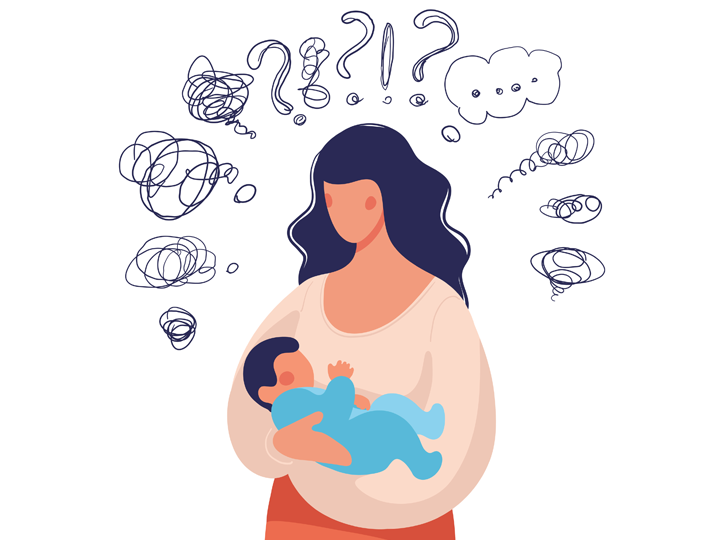
Depression: Postpartum Depression

Depression: Postpartum Depression

By: Josette DeFranco

Postpartum depression is a vulnerable time for a woman’s health. Many women are experiencing mood changes and are expected to have an amazing transition into motherhood. However, many women struggle with mental health issues after giving birth. It’s important to spread awareness and show support to the women who are struggling with postpartum depression.

Postpartum depression symptoms start to occur four to six weeks after giving birth and can gradually decrease as time goes on. Nonetheless, depression can reoccur within three years after pregnancy or giving birth. Some common symptoms of postpartum depression can be intrusive, unwanted thoughts and postpartum rage.

Here are some ways to help someone you know or who is struggling with postpartum depression:

  • Seek help from a licensed mental health professional
  • Look for a community to help you in both emotional and practical ways
  • Practice mindfulness and relaxation therapy
  • Use positive affirmations and be more kind to yourself
  • Practice skin-to-skin care which can help with reducing the stress hormone cortisol
  • Avoid alcohol or recreational drug use
  • Eat healthy
  • Prioritize rest for yourself
  • Gaining more knowledge about postpartum depression

If you or someone you know is struggling with their mental health, please contact our psychotherapy offices in New York or New Jersey to talk to one of our licensed professional psychologists, psychiatrists, psychiatric nurse practitioners, or psychotherapists at Arista Counseling & Psychotherapy. Contact our Paramus, NJ, or Manhattan, NY offices at (201) 368-3700 or (212) 722-1920 to set up an appointment. For more information, please visit https://aristapsychiatrypsychotherapy.com/

Resources:

https://www.psychologytoday.com/us/blog/parenting-translator/202306/how-to-improve-postpartum-mental-health

Postpartum Depression: New Mothers

Postpartum Depression: New Mothers

By Sherry Yang

Giving birth to a child is a major life change for any new mother. 1 in 9 new moms will experience postpartum depression, which impacts those with a personal or family history of depression or bipolar disorder, as well as those with life factors that have already put them at risk of depression. Affected mothers may have feelings of intense depression and emptiness that significantly interfere with their lives and motherhood for longer than 2 weeks after childbirth. Insecurities, stress, mood swings, and feeling sad or overwhelmed are relatively common, but if these symptoms are severe and do not pass within a few days, they are likely signs of something more serious. Symptoms of postpartum depression may include:

  • Lack of interest or connection with the baby
  • Thoughts of hurting yourself or the baby
  • Feeling worthless, guilty, or like a bad mother
  • Lack of energy, motivation, or focus
  • Self-isolation and loss of interest in activities usually enjoyed
  • Poor eating and sleep patterns
  • Difficulty taking care of yourself or your baby

If left untreated, effects can continue to impact the baby’s childhood, the mother’s later parenting, and their relationship. Some mothers with postpartum depression might avoid seeking help out of embarrassment or guilt for feeling this way after the birth of a new child. However, this absolutely does not mean someone is a bad mother, and reaching out to professionals can provide a path to effective treatment.

If you or someone you know is struggling with postpartum depression, please contact our psychotherapy offices in New York or New Jersey to talk to one of our licensed professional psychologists, psychiatrists, psychiatric nurse practitioners, or psychotherapists at Arista Counseling and Psychotherapy. Contact our Paramus, NJ or Manhattan, NY offices respectively at (201)-368-3700 or (212)-722-1920 to set up an appointment. For more information, please visit https://www.counselingpsychotherapynjny.com

Reference: https://www.womenshealth.gov/mental-health/mental-health-conditions/postpartum-depression