Discipline and the Effects of Yelling at a Child

By Katie Weinstein

When it comes to verbal abuse, many people disregard it as a form of abuse because it is not as concrete as physical or sexual abuse, and it is more difficult to draw the line between verbal abuse and scolding. However, the effects of yelling and verbal abuse are just as detrimental and intense as any other type of abuse and can lead to depression and anxiety.

Being yelled at frequently increases the activity of the amygdala, which is the area of the brain that is responsible for emotions. This is because loud noises are signaled to the brain as a warning sign for danger. The amygdala increases stress hormones in the body, which increases muscular tension. These signals tell the body to fight, flight, or freeze, but none of these options are okay when a parent is yelling at a child since it isn’t acceptable to run away from a caregiver or fight them, which leaves the body to be in a stress condition with no purpose or function.  

There are long term effects of yelling at a child frequently since the brain develops neuronal pathways according to our experiences. If the child is conditioned to frequently respond to stressful situations, the child will develop pathways that activate a stress response quickly. Since negative interactions impact a person more than positive interactions, it affects our expectations and self-esteem drastically, especially if the yelling involves name calling, as well as behavior. One might think that yelling would get a child not engage in a specific behavior, but in reality yelling increases bad behavior due to stress and increased aggression as a result of a hyperactive amygdala, which may cause the parent to yell more. Since the child is constantly stressed, they are at risk for mental health problems such as anxiety and depression. Additionally, since yelling is not an effective communication style, the child may not learn to properly communicate, which can affect the child’s relationships in the future, leading to more problems down the road.

If you or someone you know is experiencing trauma from verbal abuse please contact our psychotherapy offices in New York or New Jersey to talk to one of our licensed professional psychologists, psychiatrists, psychiatric nurse practitioners, or psychotherapists at Arista Counseling & Psychotherapy. Contact our Paramus, NJ or Manhattan, NY offices respectively, at (201) 368-3700 or (212) 722-1920 to set up an appointment. For more information, please visit http://www.counselingpsychotherapynjny.com/

https://optimistminds.com/psychological-effects-of-being-yelled-at/

The Problem with Yelling

https://www.healthline.com/health/parenting/effects-of-yelling-at-kids

Stop Nagging and Build Better Communication Skills

By Katie Weinstein

Nagging is a type of interpersonal communication defined as persistent, repetitive behavior to try to get an individual to complete or stop a task. Naggers are associated with a passive aggressive, obsessional and negative personality types. There is a common misconception that naggers enjoy nagging, but often times; the nagger’s mood is dysregulated and they feel anxious and frustrated. They obsess over a particular thing and cannot tolerate these feelings, so they off load their problems onto the nearest person available, which is why nagging is commonly associated with a partner. Additionally, naggers may have a high need structure for their immediate environment and have a deep fear that their world could spiral if things are not kept entirely in order.

Often times the nagger thinks that continuously asking for something will get the other person to complete the task that they need. In reality, the other person most likely responds in non-compliance, meaning they say yes to the nagger’s request, but do not follow through, ignore the nagger, or say no. This is because the person being nagged tunes out the nagger. The nagger then might become increasingly aggressive, which decreases the likelihood of compliance.

In order to get people to comply with a task it is important to practice better communication. One thing that might help is to give a person a to-do list either via text or on paper with an agreed upon, realistic deadline so that the person won’t forget the task and can complete it on their time. Another thing you can do is be straight forward. Instead of complaining that your partner never does the dishes, ask them to do the dishes. It is also important to know when you need help to stop nagging and begin working on better communication skills.

If you, you and your partner, or you and your family are looking for therapy please contact our psychotherapy offices in New York or New Jersey to talk to one of our licensed professional psychologists, psychiatrists, psychiatric nurse practitioners, or psychotherapists at Arista Counseling & Psychotherapy. Contact our Paramus, NJ or Manhattan, NY offices respectively, at (201) 368-3700 or (212) 722-1920 to set up an appointment. For more information, please visit http://www.counselingpsychotherapynjny.com/

https://www.psychologytoday.com/us/blog/insight-is-2020/202106/two-motivations-the-nagging-personality-type

http://self.gutenberg.org/articles/eng/Nagging

https://www.webmd.com/women/features/stop-nagging

What Parents Can Do to Help Their Special Needs Children during Virtual Learning

By Eleanor Kim

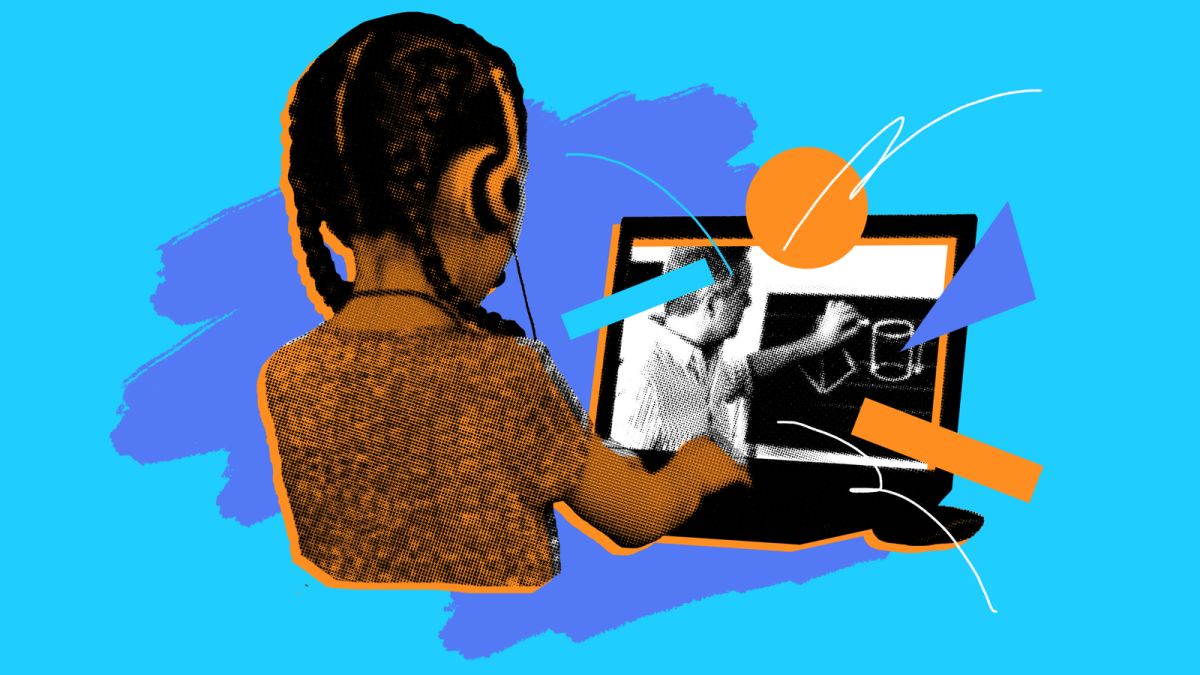
With the abrupt transition to online learning last March, teachers, students, and parents alike were left to quickly adjust and find new ways of making virtual learning feel “normal”. While this transition may have come more naturally to some, there are still many families who are struggling to ensure that their children are getting a quality education in their homes. One demographic of online learners who are finding it exceptionally difficult are those who have special needs and learning disabilities. It is hard to spend hours focusing on a Zoom session, especially when special needs learners no longer have direct access to the specialized teachers and aids that help them learn in a normal school setting. Unfortunately, this additional stress during an already unprecedented time has taken a toll on special needs parents and it is important that parents are self-compassionate to themselves as they journey through this uncharted online learning experience. That being said, there are still many new strategies that parents can try to implement to assist their child’s distanced learning.

  • Ask teachers to offer “asynchronous” work in conjunction with any Zoom activities to allow your child more hands-on learning opportunities or request more one-on-one learning through break out rooms or personal Zoom meetings
  • If you are unable to remain with your child during their school hours, reach out to your child’s teachers and aids for an update on how they are doing and how you can help after school hours
  • Offer your child “fidget toys” during Zoom calls to help them remain focused on class material
  • If your child has a hard time staying seated during Zoom meetings, offer Bluetooth earbuds or headphones to allow your child the ability to move around while still remaining attentive and participatory during class
  • Incorporate time within your child’s schedule to stretch and relieve any additional stress or energy by going outside or having a dance break!
  • Make sure to schedule check-in meetings with your child’s school team (teachers, aids, counselor, etc.) to help your child express any frustrations or emotions they are experiencing during this difficult time.

Let your child know that it is okay to be having a hard time right now and that you are there to help them through it. Also make sure that you, the parent, are receiving the support you need while helping your special needs child with online learning in addition to any other struggles you may be facing during these unusual and overwhelming times. We here at Arista Counseling have many therapists and support options available for you.

If you or someone you know is looking for support, please contact our psychotherapy offices in New York or New Jersey to talk to one of our licensed professional psychologists, psychiatrists, psychiatric nurse practitioners, or psychotherapists at Arista Counseling & Psychotherapy. Contact our Paramus, NJ or Manhattan, NY offices respectively, at (201) 368-3700 or (212) 722-1920 to set up an appointment. For more information, please visit http://www.counselingpsychotherapynjny.com/ .

Sources:

https://greatergood.berkeley.edu/article/item/how_parents_can_support_children_with_special_needs_during_distance_learning

Image Source:

https://dynaimage.cdn.cnn.com/cnn/c_fill,g_auto,w_1200,h_675,ar_16:9/https%3A%2F%2Fcdn.cnn.com%2Fcnnnext%2Fdam%2Fassets%2F200810224242-20200810-online-learning-main.jpg