Smoking Cessation

Smoking Cessation

Amelia Amen

               Efforts to quit smoking can be a challenging process for individuals who have developed a dependency on nicotine. When an individual tries to remove smoking from their daily routine, they may be prone to experiencing withdrawals. Such withdrawals include irritability, headaches, difficulty concentrating, and a strong craving for nicotine. According to the Centers for Disease Control and Prevention, smoking is one of the leading preventable causes of death in the U.S and often causes diseases such as lung cancer, heart disease, diabetes, and more.

               Hypnosis has been found to be a successful technique which aids in smoking cessation and other harmful behaviors. Hypnosis focuses on reducing and changing negative habits and developing self-control over certain emotions and behavior. It can be a source of treatment for helping the smoker to remove many unwanted behaviors and habits. In the case of nicotine addiction, hypnosis is used to diminish the craving within the mind. Hypnosis targets the parts of our minds that can be the root cause of the motivation to smoke. The desire to smoke is often triggered by stress and anxiety, finishing a meal, going to a social event, driving, boredom, and more. Hypnosis is a collaborative process between the therapist and patient. Hypnosis only works when the patient wants to learn hypnosis. Eventually, the therapist teaches the patient how to achieve a state of hypnosis so they will be able to substitute positive messages for the prior negative ones which will help achieve their goal to stop smoking.

               When a therapist performs hypnosis, he or she will guide the individual into a meditative state. Within this state of mind, the therapist may compare the odor of cigarette smoke to an unpleasant one such as truck exhaust. Another suggestion a therapist may make is that smoking will do nothing but poison your body, and how you should protect your body from such poisons. Our methods were taught to us by Dr. Herbert Spiegel of Columbia University, he is well known for his smoking cessation hypnosis technique. One of the goals of hypnosis is to help the patient become receptive of new ideas and thoughts about smoking. Although hypnosis is an effective way to aid smoking cessation, it is important to keep in mind that it will be most effective with continuous sessions along with the commitment of quitting.

If you or someone you know is seeking hypnosis to stop smoking or other negative behaviors that are troubling you, please contact our psychotherapy offices in New York or New Jersey to talk to one of our licensed professional psychologists, psychiatrists, psychiatric nurse practitioners, or psychotherapists at Arista Psychotherapy & Psychiatric Services. Contact our Manhattan, NY or Paramus, NJ offices respectively at (201) 368-3700 or (212) 722-1920 to set up an appointment. For more information, please visit https://www.counselingpsychotherapynjny.com

Source: https://www.cdc.gov/tobacco/data_statistics/fact_sheets/fast_facts/index.htm#:~:text=Cigarette%20smoking%20remains%20the%20leading,death%20in%20the%20United%20States.

The Rise of Eating Disorders in Men

The Rise of Eating Disorders in Men

By: Michaela Reynolds

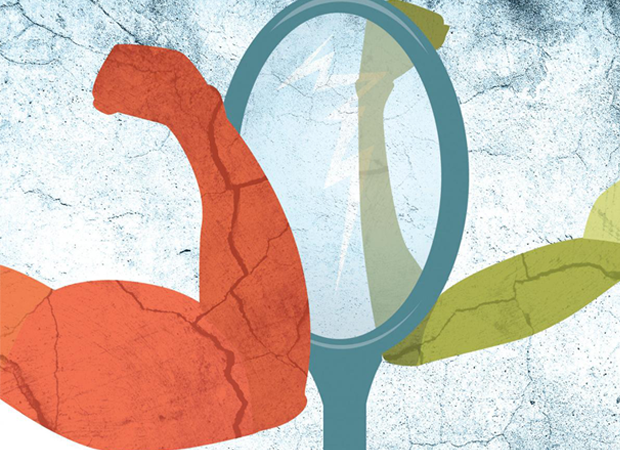
Eating disorders are commonly known to only occur in women and are associated with the desire of wanting to be thin; however, eating disorders still occur in men and look vastly different from the presentation in women. Men are not looking to be thinner, but instead are trying to get muscular and bulk up. Therefore, weight-loss behaviors usually do not apply to them. Masculine body ideals are influencing men to diet and exercise in distinctly different ways than are present in women.

Researchers proposed that the most common eating disorders in men are muscularity or muscle dysmorphia, also known as reverse anorexia. The core symptom of muscle dysmorphia is the fear of not being muscular enough. Behaviors associated with this fear include compulsive exercising, disordered eating that include protein supplements and restrictive eating, and the use of enhancing drugs and steroids. Seeking treatment can be difficult but if left untreated, the eating disorder can cause emotional damage that can lead to serious physical consequences. Due to the emotional, mental, and physical damages of body dysmorphia and reverse anorexia, interventions are crucial so they can lead to a normal life. Intervention allows a male to properly heal from their eating disorder. Also, it is important to note that there is a low awareness of eating disorders in men. Public awareness needs to come in focus as eating disorders cause many dangers.

If you or someone you know appears to be suffering from an eating disorder, please contact our psychotherapy offices in New York or New Jersey to talk to one of our licensed professional psychologists, psychiatrists, psychiatric nurse practitioners, or psychotherapists at Arista Counseling & Psychotherapy. Contact our Paramus, NJ or Manhattan, NY offices respectively, at (201)368-3700 or (212)722-1920 to set up an appointment. For more information, please visit http://www.counselingpsychotherapynjny.com/.

Sources:

https://www.healthline.com/health/eating-disorders/eating-disorders-in-men#What-do-eating-disorders-in-men-look-like?

https://www.verywellmind.com/male-eating-disorders-4140606

https://renewedsupport.org/nedawareness-week-reverse-anorexia/Rise of Eating Disorder in Men

Image:

Suicide Grief

Suicide Grief

By: Michaela Reynolds

Losing a loved one by suicide can be overwhelming and heart wrenching. Grief in response to suicide can be complicated. You may be consumed with guilt and wonder to yourself if you could have done something to prevent their death. Feelings of anger, shame, guilt, regret and blame are very common, but it can make it hard for you to talk about their death due to stigma that is associated with it. It is important to note that there is NO right way to grieve losing a loved one to suicide!

In the aftermath, you may feel like you will never enjoy life again. To be honest, you may always wonder why it happened and experience reminders that can trigger painful feelings. However, the intensity of your grief will fade as time goes on but will probably never fully pass. In the meantime, it is beneficial for you to adopt healthy coping mechanisms. Such as:

  • Keep in touch with loved ones, friends, and other supporters
  • Don’t rush yourself
  • Consider a support group for families affected by suicide
  • Grieve in your own way
  • Expect setbacks
  • Be prepared for painful reminders

It important for you to understand the following: You should accept that some things are beyond your control, separate responsibility from blame, and understand that anyone can miss the warning signs.

If you are someone or you know someone who appears to be suffering from suicide grief, please contact our psychotherapy offices in New York or New Jersey to talk to one of our licensed professional psychologists, psychiatrists, psychiatric nurse practitioners, or psychotherapists at Arista Counseling & Psychotherapy. Contact our Paramus, NJ or Manhattan, NY offices respectively, at (201)368-3700 or (212)722-1920 to set up an appointment. For more information, please visit http://www.counselingpsychotherapynjny.com/.

Sources:

https://www.mayoclinic.org/healthy-lifestyle/end-of-life/in-depth/suicide/art-20044900

https://www.beyondblue.org.au/the-facts/suicide-prevention/after-a-suicide-loss/suicide-and-grief#:~:text=Grief%20in%20response%20to%20suicide,the%20stigma%20associated%20with%20suicide.

Image: