Stress: How your financial situation could be affecting your life

Stress: How your financial situation could be affecting your life

By: Diane Ulloa
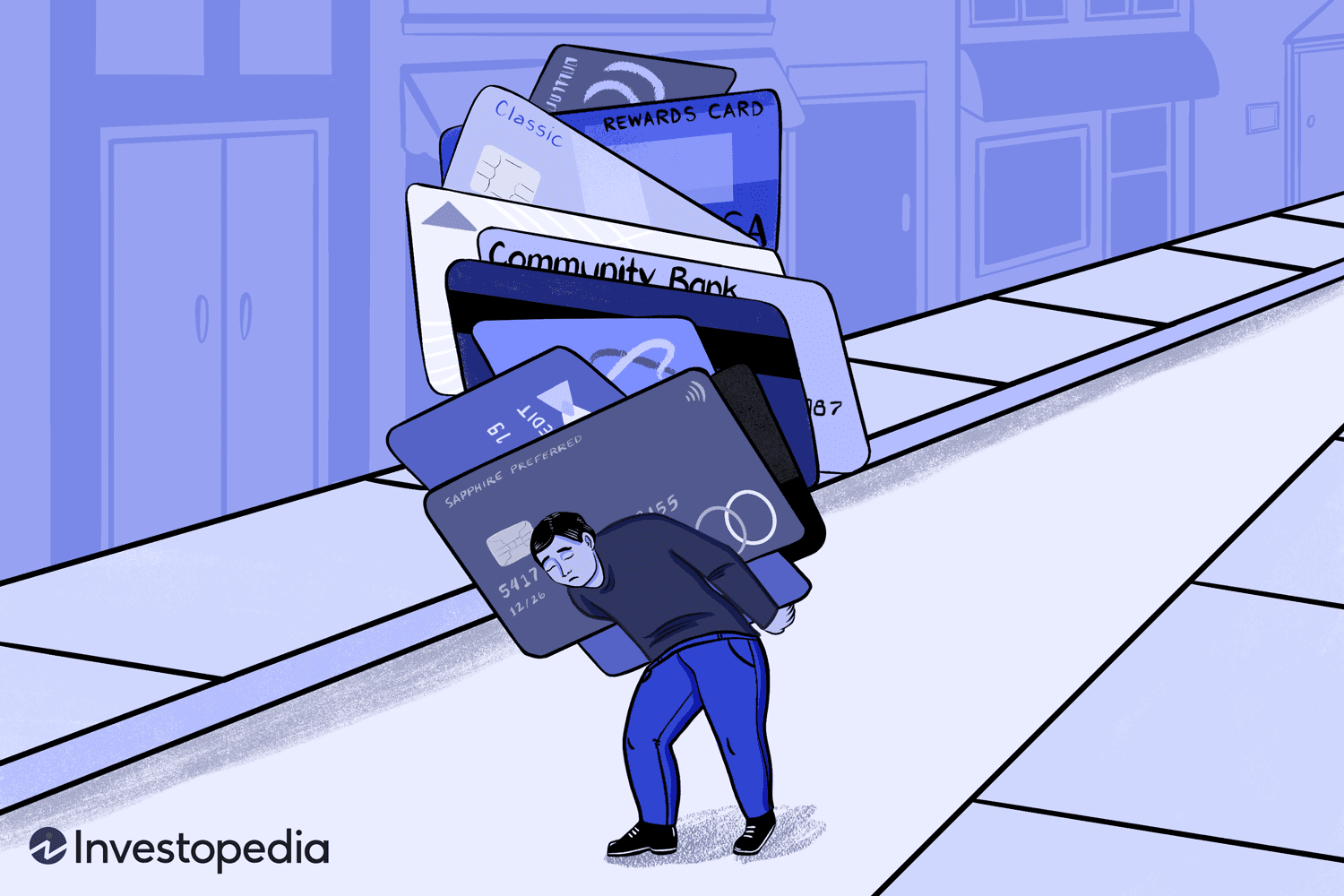
In the past two decades alone, student debt and loans have reached approximately $1.6 trillion which slightly surpassed credit card debt in America which stands at $1.03 trillion in the second quarter of 2023 according to the Federal Reserve Bank of New York. “In addition to poverty, financial debt and loans are significantly associated with increased psychological distress and poor mental health status.” (From: Ryu S, fan L. The Relationship Between Financial Worries and Psychological Distress Among U.S. Adults) As financial debt accumulates, a person may find themselves withdrawing from hanging out with friends or family and becoming avoidant of places, people, and even their financial struggles. If someone continuously avoids their bills they continue to accumulate and seeing the amount of the accumulated bills can take a serious toll on a person’s mental health.

Other problems may also emerge when someone is experiencing anxiety due to financial stress, these could include poor sleeping habits, overspending, avoidance, and poor eating habits. Someone that has a spending problem or someone who is in financial worry would benefit from speaking to a therapist who would help them cope with their unhealthy habits in better ways. A therapist can help in creating a patient budget and manage their money in better ways including a personalized budgeting plan or setting up financial goals. A therapist can also help individuals identify the underlying causes of their financial stress and develop strategies for managing it. Along with anxiety and stress, financial worry can cause feelings of shame and guilt and a therapist is able to provide a safe, non-judgmental space to explore these feelings and how to develop strategies to overcome them. A person may also experience difficulty in communicating their financial struggles and/or negative beliefs and behaviors related to money with their loved ones. A therapist can aid in more effective communication with loved ones about financial struggles and challenge negative beliefs related to money by developing more positive patterns of thought and behavior related to finances. Additionally, an individual who suffered financial trauma such as bankruptcy, foreclosure, or identity theft may benefit from therapy in order to address the emotional and psychological impact of these experiences.

If you or someone you know is struggling with their mental health, or has anxiety/stress please contact our psychotherapy offices in New York or New Jersey to talk to one of our licensed professional psychologists, psychiatrists, psychiatric nurse practitioners, or psychotherapists at Arista Counseling & Psychotherapy. Contact our Paramus, NJ or Manhattan, NY offices respectively, at (201) 368-3700 or (212) 722-1920 to set up an appointment. For more information, please visit http://www.counselingpsychotherapynjny.com/

Sources

https://www.lendingtree.com/credit-cards/credit-card-debt-statistics/

Ryu S, Fan L. The Relationship Between Financial Worries and Psychological Distress Among U.S. Adults. J Fam Econ Issues. 2023;44(1):16-33. doi: 10.1007/s10834-022-09820-9. Epub 2022 Feb 1. PMID: 35125855; PMCID: PMC8806009.

Types Of Therapy For Financial Stress And Money Issues

mantracare.org

Post-College Anxiety

Post-College Anxiety

By: Julia Massa

Post-college anxiety, or Post Commencement Stress Disorder, though not an official medical diagnosis, is used to describe the uncertainty and anxiety college graduates often feel as a result of their achievement. With both internal and external expectations to “measure up,” graduates find themselves conflicted, depressed, and pressured. Graduates may fear failure due to not finding a job as well as feel pressured to pay back their student debt without having a secure job or realizing that career path just isn’t for them. Furthermore, they may feel alone due to moving back home and changing their social contexts. In fact, 53% of 18-to-24 year old graduates live with their parents after graduation. Homesickness is a cycle, perhaps.

From being a student at the mere age of five to an actual member of society can lead to an identity crisis. Additionally, college students may have trouble sleeping, concentrating, become less interested in socializing, experience shortness of breath or rapid heart rate, feel a lack of control of their life, or numb these feelings with alcohol, drugs, or binge-eating.

Feeling nervous about the future is a normal reaction to uncertainty, especially if you thrive on consistency and routine. Graduates can address feelings of uncertainty by practicing test runs for job interviews, “zooming in” and looking at each step, getting feedback from multiple resources like resume writers or networking events, and embracing the chaos. When life becomes complex, it is important to practice self-care and remind yourself that it is not a bad day- just a complex one. Moreover, if a graduate is stressed about finances, they can be financially proactive and learn banking, create an emergency fund, SAVE little by little, or create a realistic payment plan to pay off their loans. 

Graduating is a bittersweet experience. Adjusting to change can be scary, but in the case of college grads, they are on the path to prosper. Though it is easier said than done, it is important to embrace each chapter and live day by day.

If you or someone you know is struggling with post-college anxiety, please contact our psychotherapy offices in New York or New Jersey to talk to one of our licensed professional psychologists, psychiatrists, psychiatric nurse practitioners, or psychotherapists at Arista Counseling & Psychotherapy. Contact our Paramus, NJ or Manhattan, NY offices respectively, at (201) 368-3700 or (212) 722-1920 to set up an appointment. For more information, please visit http://www.counselingpsychotherapynjny.com/

Sources:

https://extension.wvu.edu/food-health/emotional-wellness/post-graduation-stress#:~:text=Lushkin%20lists%20these%20common%20symptoms,in%20a%20reasonable%20length%20of

https://www.careercontessa.com/advice/how-to-deal-post-grad-anxiety/

https://www.psycom.net/college-graduation-anxiety-expert-advice/

https://www.gile-edu.org/articles/post-graduation-stress/#:~:text=Symptoms%20of%20post%2Dgraduation%20stress%20and%20anxiety%20can%20include%3A&text=%E2%80%93%20Sleeplessness%20and%20irritability.,for%20a%20length%20of%20time.&text=%E2%80%93%20Numbing%20of%20feelings%20with%20alcohol,%2Deating%2C%20and%20recreational%20drugs.

Image source:

Anxiety Disorder: Caffeine Induced

By: Julia Massa

Starbucks, Dunkin, Wawa, and other “on the go” stops will never go out of business. Humans rely heavily on caffeine to get through their shifts, workouts, or even just to post a quick Instagram story. In fact, humans spend five to ten dollars on their caffeine cravings each day. However, there are several caffeine related disorders according to the DSM-IV, including caffeine intoxication, caffeine-induced anxiety disorder, caffeine-induced sleep disorder, and caffeine-related disorder not otherwise specified. Some symptoms of caffeine-induced anxiety include red face, shaking, muscle twitching, confused speech, sweating, insomnia, frequent urination, impulsive reactions towards minor inconveniences, and mood swings. Caffeine-Induced Anxiety is caused by the effect of caffeine on the brains neurotransmitters, such as norepinephrine. This chemical increases stress hormones, like cortisol, which is linked to many mental disorders and may interact with medications a patient is already taking to manage their anxiety symptoms.

Caffeine is listed as a drug in both medical and psychiatric literature since it is a central nervous stimulant and can be fatal if a person exceeds the daily recommendation of 400mg. For those with anxiety, 200mg or less is the recommended dose. Though it is rare, consuming a caffeine pill of a high dose can lead to ventricular fibrillation and death. Caffeine is legal and unregulated, which is why many people do not realize how their medium hot caramel coffee with almond milk can exaggerate their anxiety symptoms or cause anxiety-related symptoms. When people limit their caffeine intake suddenly, they may experience withdrawal symptoms similar to addictive drugs like cocaine. These symptoms include headache, irritability, drowsiness, loss of focus, insomnia, stomach pain, etc. For this reason, many individuals continue to drink caffeinated beverages to prevent these symptoms. In fact, more than 97% of caffeine consumed by adolescents and adults come from beverages.

Though the prevalence rate for caffeine-induced psychiatric disorders has not been well established, there is a high comorbidity rate between caffeine and several mood and substance abuse disorders.

If you or someone you know is struggling with anxiety, please contact our psychotherapy offices in New York or New Jersey to talk to one of our licensed professional psychologists, psychiatrists, psychiatric nurse practitioners, or psychotherapists at Arista Counseling & Psychotherapy. Contact our Paramus, NJ or Manhattan, NY offices respectively, at (201) 368-3700 or (212) 722-1920 to set up an appointment. For more information, please visit http://www.counselingpsychotherapynjny.com/

http://www.americanmedtech.org/files/STEP_Online_articles/353.pdf

https://www.dovemed.com/diseases-conditions/caffeine-induced-anxiety/