Panic Attacks; Physical Symptoms & How to Manage them

Panic Attacks; Physical Symptoms & How to Manage Them

Panic Attacks: Physical Symptoms & How to Manage Them

By: Sydney White

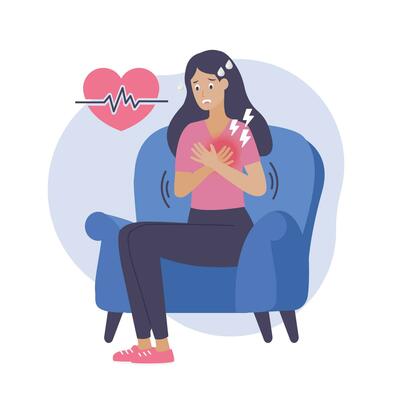
            Panic Attacks are your body’s natural response to fight or flight. They usually last only a few minutes, even though it feels much longer. This overwhelming bodily reaction can be triggered by a multitude of reasons caused by severe anxiety. Symptoms can manifest in various ways, depending on the individual. Psychological symptoms such as fear and dread persist throughout panic attacks and are usually accompanied by physical symptoms. Physical symptoms can include increased heart rate, shaking, sweating, lightheadedness, or shortness of breath. Some individuals experience multiple symptoms during panic attacks, and others will not experience them at all. During a panic attack, you will feel these intense symptoms, often enhancing the anxiety, intensifying the panic attack. This creates a constant cycle that becomes difficult to break.

            Breaking the cycle is key to taking control of your mind and body when you find yourself in one of these situations. Remember, you are in control, not the other way around. Erratic breathing is a prevalent symptom for most people who experience panic attacks. A common method is Box breathing, to regulate your breathing. There are many videos explanations online for further instructions, but in short, you begin by inhaling slowly through your nose for four seconds, hold your breath for four, exhale slowly through your mouth for four, and then hold your breath again for four. There are many different breathing techniques that are helpful in helping to calm your body down from a panic attack. Deep breathing is one of the fastest ways to come down from a state of fight-or-flight, but takes patience and practice to master. Some people struggle with breath practice and can benefit from other techniques such as muscle relaxation and methods of distraction. Muscle relaxation involves tensing and releasing specific muscle groups. It is suggested to start from your toes, working your way up to your head. Focusing your attention on tensing and releasing muscle groups converts your focus to your present and physical body. Another helpful method of distraction is the 5 senses. During this exercise, you will become conscious of what you hear, see, smell, touch, and taste. This method allows the individual to center their attention on their present self to reduce anxiety.

OCD Rumination vs. Problem Solving: Help Quiet Your Mind

OCD Rumination vs. Problem Solving:  Help Quiet Your Mind

By: Katerina Kostadimas

What is Rumination?

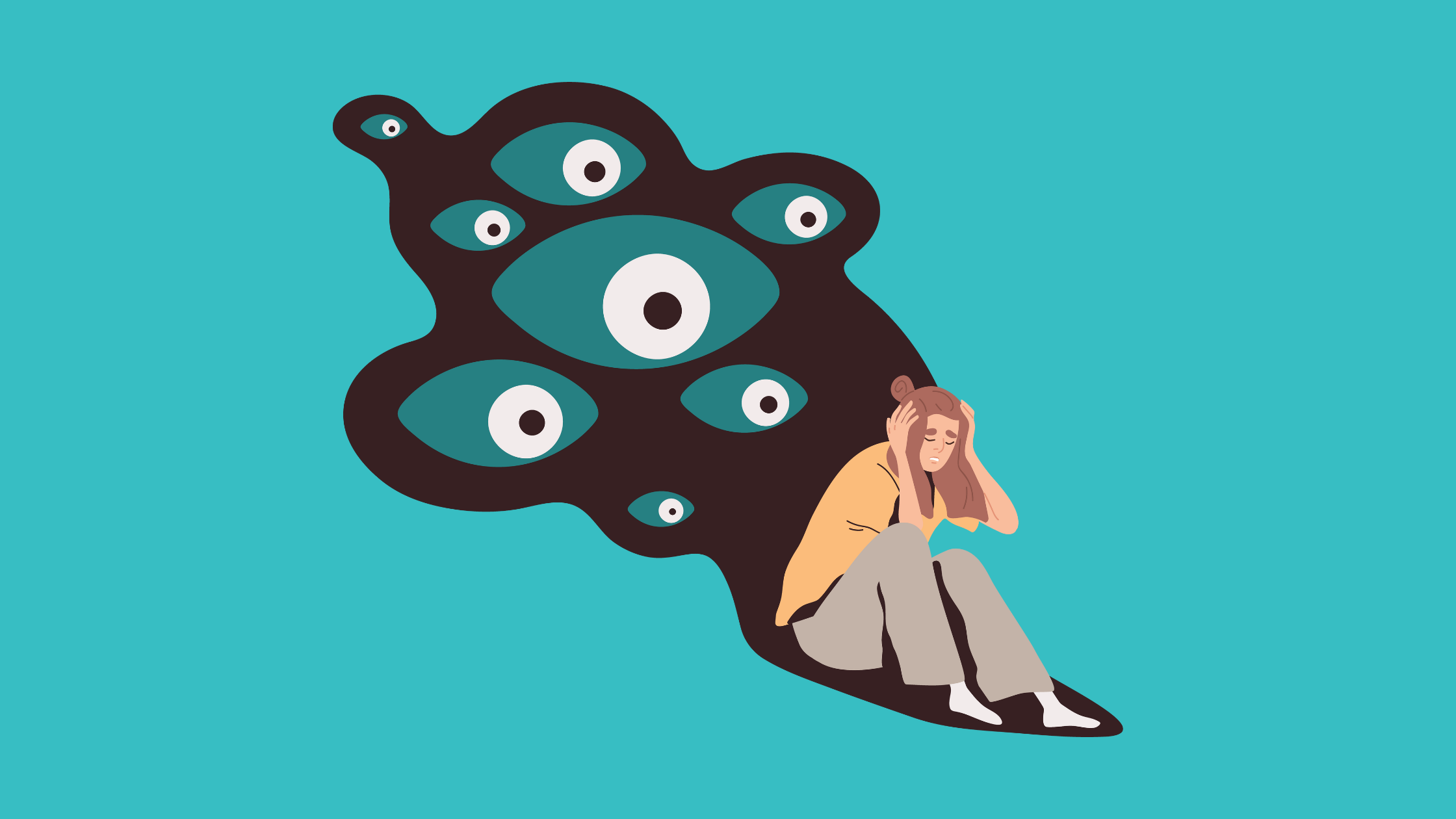
Rumination is a common symptom of Obsessive-Compulsive Disorder (OCD). It refers to the repetitive, excessive, and intrusive thoughts about a specific issue, question, or event. These thoughts can often feel uncomfortable and can involve:

Overanalyzing past actions or decisions.

Trying to “solve” unanswerable questions (e.g. moral, existential, or religious dilemmas).

Seeking certainty about a fear or doubt related to an obsession.

Unlike productive problem-solving, rumination is circular and unhelpful- it doesn’t lead to resolution but instead amplifies distress and reinforces the OCD cycle.

Why do we ruminate?

Rumination is a compulsive response to reduce anxiety or gain assurance about intrusive thoughts or fears. Some reasons include:

  • Seeking Control: This is an attempt to rationalize or figure out answers to uncertain or distressing thoughts.
  • Fear of consequences: People ruminate to ensure they aren’t missing something important or to avoid perceived risks.
  • Perfectionism: A desire to think things through “perfectly” before making a decision or taking action.

However, rumination often worsens anxiety instead of resolving it, making you feel trapped in a cycle of obsession and compulsion.

What to do if you start ruminating?

  1. Recognize and Label the Rumination

Acknowledge when you’re ruminating and remind yourself, “this is rumination, not helpful problem-solving.”

2. Avoid Trying to “Solve” the Thought

-Accept that there is an unknown problem and make a conscious effort to not engage in these types of thoughts.

3. Shift Your Focus to the Present

Engage in grounding techniques (e.g. mindfulness or sensory awareness).

Focus on your current environment rather than the thought.

4. Engage in an Activity

-Distract yourself with meaningful or enjoyable activities that redirect your attention and energy.

5. Seek Professional Help

A trained and licensed mental health professional can provide tools to break the rumination cycle and address underlying OCD patterns.

If you or someone you know is struggling with Obsessive Compulsive Disorder and symptoms such as rumination, please contact our psychotherapy offices in New York or New Jersey to talk to one of our licensed professional psychologists, psychiatrists, psychiatric nurse practitioners, or psychotherapists at Arista Counseling and Psychotherapy. Contact our Paramus, NJ or Manhattan, NY offices respectively, at (201) – 368-3700 or (212)-722-1920 to set up an appointment. For more information, please visit https://www.counselingpsychotherapynjny.com/

References:

Lcpc, D. S., & Staff, O. (2023, August 15). Rumination. The OCD & Anxiety Center. https://theocdandanxietycenter.com/rumination/

Anxious Thoughts: How to Quite Them with Simple Self-Talk

Anxious Thoughts: How to Quite Them with Simple Self-Talk

By: Angy Farhat

Have you ever noticed how your anxious thoughts can feel like a loud, persistent soundtrack playing in the background of your mind? They might be vague (“Something bad is going to happen”) or specific (“I might crash my car”), but either way, they tend to disrupt your day and leave you feeling tense and worried. What if you could turn down the volume of these thoughts and take back control?

One powerful technique to combat these overwhelming thoughts is by using self-talk. Anxious thoughts often feel like promises of disaster—dangerous predictions that seem almost certain. But what if you could challenge these thoughts with statements that offer reassurance instead of fear?

Here’s how it works: When you experience a fearful or anxious thought, you can counter it with a more grounded, calming statement. For example, if your anxious thought is “I am in danger,” you can respond with “I am safe right now.” It’s a simple but effective strategy to shift your mindset from panic to calm.

Take John, for instance. He’s driving on the highway, and his anxious thoughts spiral: “This is dangerous… anything could happen… I won’t be able to react in time… people crash on highways all the time.” These thoughts feed off each other, growing louder and reinforcing the feeling that disaster is imminent. The more he believes them, the more overwhelming they become. But here is where self-talk can make a difference. Instead of surrendering to the anxiety, John could pause, take a deep breath, and remind himself, “I’ve driven this highway countless times, and I’ve always been fine.” With this gentle challenge to his anxious thoughts, James gains a sense of control and the volume of his fears starts to decrease.

Think of this like getting rid of an earworm, that catchy song that sticks in your head and won’t go away. When you finally shake it off, you’re left with relief—and space for something more positive. Using self-talk to challenge anxious thoughts is a way to reclaim that mental space. You stop focusing on the worst-case scenario and make room for calmer, more rational thoughts.

Here are a few more examples of how you can challenge anxiety-driven thoughts:

  • “I am in danger” → “I am completely safe in this moment.”
  • “I am going to fail” → “I have succeeded at many things. I typically figure things out.”

The key is to remember that you have the ability to influence your thoughts. By gently confronting your anxious monologue with calm, factual responses, you can reduce its power. Over time, this can help you feel less overwhelmed by anxiety and more in control of your emotional state.

So, next time your anxious thoughts start to rise, try using self-talk to quiet them down and bring yourself back to a place of peace.

If you or someone you love is struggling with anxiety, please contact our psychotherapy offices in New York or New Jersey to talk to one of our licensed professional psychologists, psychiatrists, psychiatric nurse practitioners, or psychotherapists at Arista Counseling and Psychotherapy. Contact our Paramus, NJ, or Manhattan, NY offices respectively, at (201) 368-3700 or (212) 722-1920 to set up an appointment. For more information, please visit http://www.counselingpsychotherapynjny.com/. 

References:

Mindfulness: Living in the Present

Mindfulness: Living in the Present

By: Maria Koutsothanasis

Oftentimes it is easy to feel disconnected or distracted by living in the present. With work, school, or other obligations, it is easy to lose sight of the present time. Dwelling on the past or worrying about the future causes increased feelings of stress and depression. Mindfulness can help refocus on the present events to create a calmer and more focused life.

What is mindfulness?

Mindfulness is the practice of being fully focused on the present moment. By observing your thoughts and emotions, and removing judgment, mindfulness allows you to stay present and create a deeper connection and understanding of yourself.

Mindfulness decreases stress and promotes overall emotional well-being and balance.

  1. Reduces stress and anxiety:

    Mindfulness calms the mind and body by shifting attention away from thoughts that increase stress. Mindfulness interventions such as meditation can lower cortisol levels (a stress hormone) and help people manage anxiety better.

    2. Boosts mental health:

      Mindfulness reduces symptoms of depression, anxiety, and PTSD. It promotes a greater sense of resilience and breaks a cycle of negativity. Through mindfulness, you can manage stress and have control over your mental well-being.

      3. Improves physical health:

      Mindfulness is not only good for the mind but also the body. Regular mindfulness practices have been linked to lower blood pressure, improved sleep, and an overall stronger immune system.

      How to Practice Mindfulness

      1. Mindful Breathing:

          Spending a few minutes a day focusing on your breath calms your mind and helps reduce mental clutter. If you begin to feel anxious, focusing on breathing can reduce these feelings.

          2. Engage in Gratitude:

          Reflecting on things in your life that you are grateful for is a way to shift the perspective of your life in a positive way.

          3. Being present:

          Training your mind to stay present on the tasks that you currently engage in is a way to increase focus, reduce stress, and improve overall satisfaction in life.

          Mindfulness does not require major life changes. It is about being fully present in the moments that make up your day. Incorporating these small changes in your life can lead to reduced stress, improved emotional resilience, and a deeper sense of fulfillment. The small shifts can transform how you experience the world around you and how you feel internally.

          If you or someone you know is struggling with anxiety, depression, PTSD, or other mental health issues, please contact our psychotherapy offices in New York or New Jersey to talk to one of our licensed professional psychologists, psychiatrists, psychiatric nurse practitioners, or psychotherapists at Arista Counseling & Psychiatric Services. Contact our Paramus, NJ or Manhattan, NY offices respectively, at (201) 368-3700 or (212) 722-1920 to set up an appointment. For more information, please visit http://www.counselingpsychotherapynjny.com/

          U.S. Department of Health and Human Services. (2024, June 18). Mindfulness for your health. National Institutes of Health. https://newsinhealth.nih.gov/2021/06/mindfulness-your-health

          Matthews, K. (2023, June 29). Health benefits of mindfulness: 1stCallHEALTH: Primary care providers. 1stCallHEALTH. https://1stcallhealth.com/health-benefits-of-mindfulness/


          Stress: Does Job Stress Contribute to Mental Illness

          Stress: Does Job Stress Contribute to Mental Illness

          By Josette DeFranco

          Work stress is not often addressed. We tend to take on many tasks, leading to feeling overwhelmed physically and mentally. For some, work is a routine and many find working under stress helps them concentrate. On the other hand, some people don’t work as much and try to maintain a slower pace. In either circumstance, work can cause severe stress. Stress in the workplace can lead to decreased productivity and burnout. It is important to note how our body feels so we can find signs earlier that our mental and physical health needs a break.

          Some negative effects of stress in the workplace manifest in various ways such as a lack of motivation, reduced job satisfaction, physical and mental health problems, and interpersonal conflicts. If you notice you are feeling more fatigue, irritability, or apathy it may be best to give yourself a break. Job stress can lead to some mental illnesses like depression and anxiety. Stress prepares your body for a defensive action, like an alarm for the brain. It impacts your nervous system releasing hormones that help sharpen your senses and tense your muscles. You may have heard of something called the “flight or fight response.” This is important because it helps you defend against situations your body finds threatening. If stressful situations go without being addressed it will keep your body in a state of activation. Some ways to help alleviate job stress are to ensure that the workload is in line with workers’ capabilities and resources, allow yourself to take a break, create boundaries, provide opportunities for social interactions among workers, and establish work schedules that accommodate your responsibilities outside the job.

          If you or someone you know is struggling with their mental health, please contact our psychotherapy offices in New York or New Jersey to talk to one of our licensed professional psychologists, psychiatrists, psychiatric nurse practitioners, or psychotherapists at Arista Counseling & Psychotherapy. Contact our Paramus, NJ or Manhattan, NY offices respectively, at (201) 368-3700 or (212) 722-1920 to set up an appointment. For more information, please visit https://aristapsychiatrypsychotherapy.com/

          Resources:

          https://business.talkspace.com/articles/the-negative-effects-of-stress-in-the-workplace#:~:text=The%20effects%20of%20work%20stress,%2C%20interpersonal%20conflicts%2C%20and%20more.

          https://www.cdc.gov/niosh/docs/99-101/default.html#Job%20Stress%20and%20Health

          Somatic Therapy

          Somatic Therapy

          By: Amelia Amen

          When an individual goes through a traumatic experience, the trauma they experienced may often remain in their body. Somatic therapy is a rising form of therapy that allows individuals to engage in a mind-body connection in order to minimize any arousals of stress. The practice of somatic therapy involves acknowledging how stress and trauma are experienced in the body, then following with engaging in body techniques such as dancing, body scans, etc. The re-occurring feeling of trauma being stored in the body is the result of the nervous system remaining in survival mode, leading to high levels of cortisol being continually released. Cortisol is one of the leading hormones that increases stress levels in the body. Incorporating somatic therapy with CBT (Cognitive Behavioral Therapy) is a gentle approach to managing the body’s stored trauma. Somatic therapy can benefit individuals with PTSD, anxiety, depression, coping with grief, experiencing chronic illness or pain, sexual dysfunction, addiction, insecurities, abuse, and more.

          Types of Somatic Therapies

          • Hakomi Method: Encouraging the growth of an individual by using mindfulness and experimental practices. It is a holistic approach that focuses on increasing our internal awareness
          • Grounding: Connecting the body to the earth. The individual will use sensory skills to feel energy from the ground to their feet. This is to embody and experience the present moment.
          • Titration & Pendulation: Slowing down and portioning the recollection of trauma to reduce immediate emotional and physiological responses. Pendulation, moving back and forth between feelings, is needed to achieve titration in order to make sensations of stress more manageable.
          • EMDR (Eye Movement Desensitization and Reprocessing): The process of moving your eyes in a specific direction while discussing or embodying traumatic memories. The goal of EMDR therapy is to encourage the brain to process any discomforting experiences and memories. 
          • Resourcing: A therapist will have an individual recall a precious memory or resources that are attached to positive and calming feelings. An example of this could be reminding oneself of a location or person in which they find happiness.

          Some benefits that may be a result of somatic therapy include self-regulation in the nervous system, increase in resilience and re-empowerment, developing bodily awareness, and releasing tension along with other positive results. It is important to remember that somatic therapy is not meant to be in replacement of CBT. When experiencing emotions stemming from anxiety, trauma, or depression, it is beneficial to attend talk therapy sessions as a primary source of mental health care, with somatic therapy being only an addition. The goal of somatic therapy is to find relief in your mind and body’s negative sensations to produce more calming and comforting feelings.

          If you or someone you know is seeking therapy please contact our psychotherapy offices in New York or New Jersey to talk to one of our licensed professional psychologists, psychiatrists, psychiatric nurse practitioners, or psychotherapists at Arista Psychotherapy & Psychiatric Services. Contact our Manhattan, NY or Paramus, NJ offices respectively at (201) 368-3700 or (212) 722-1920 to set up an appointment. For more information, please visit https://www.counselingpsychotherapynjny.com

          Sources: https://psychcentral.com/blo

          Anxiety: Going Back to School during a Pandemic

          By Mizuki Wada

          You know it’s time to get ready for school or work when you see the pumpkin displays and school supplies in stores. However, with the global pandemic going on this year there is far more tension and nervousness besides the first day jitters. From parents sending their kids, faculty going back to classrooms or students getting ready for in-person sessions, many of those could be feeling high pressure and anxiety. However, here are a few ways that could help you steer clear from overwhelming anxiousness.

          • Acknowledge– It is crucial to acknowledge your feelings and stress. Understanding the reason why you’re feeling a certain way is the key to finding a solution.
          • Attitude– Try to look at the big picture and find some positive factors of returning to school. Only looking at the negative aspects can cause the situation to be a lot scarier than it actually is.
          • Support– Find a support group! Whether it be your family or friends, having people that would listen to you talk is very beneficial. Try talking about how you’re feeling to those who understand you.
          • Knowledge– Educate yourself on the situation. People can tell you one thing, but are they really true? Limit your news intake and check whether these sources are trustworthy or not. There’s a difference between educating yourself and filling yourself with information.
          • Physical Health– Although it may sound irrelevant, mental health and physical health go hand in hand. Even if it’s a simple walk or a yoga session, moving your body physically can help alleviate stress. It’s important to keep a healthy body for a healthy mind.

          If you or someone you know is struggling with Anxiety or any other mental illnesses, please contact our psychotherapy offices in New York or New Jersey to talk to one of our licensed professional psychologists, psychiatrists, psychiatric nurse practitioners, or psychotherapists at Arista Counseling & Psychotherapy. Contact our Paramus, NJ or Manhattan, NY offices respectively, at (201) 368-3700 or (212) 722-1920 to set up an appointment. For more information, please visit http://www.counselingpsychotherapynjny.com

          Reference:

          https://www.psychologytoday.com/us/blog/beyond-the-doubt/202003/respond-instead-react-managing-covid-19-anxiety

          https://www.realsimple.com/health/mind-mood/stress/manage-back-to-school-stress-coronavirus

          Your Brain on Stress

          By: Stephanie Osuba

          Our brain has an automatic response to stress located in the amygdala, an almond sized structure in our brain that regulates emotion. Once a threat is perceived, the amygdala releases a number of hormones – adrenaline, cortisol, and norepinephrine – to prepare for the “fight or flight” response. This is all well and good for physical threats, but what about interpersonal threats? Threats that are far more complex that need an actual solution rather than simply running away. That’s when your prefrontal cortex comes into play as it handles all of the executive function in your brain and allows you to think critically about situations. This way you can learn how to deliberately take a step back and think about how you are going to handle the stressor. So instead of letting your emotions dictate when you are angry with your significant other, dealing with rude customers, or have one too many, here are some ways you can learn to manage your stress in a constructive way:

          • Take a Breath: Calm things down and take deep breaths. This clears your head long enough for you to regain control of your emotions and let your prefrontal cortex get onboard. Once you do that, you can start critically thinking about what to do with your stressor.
          • Practice Mindfulness: Mindfulness is the act of being in the present and being aware of your surroundings and the social context you are in. By asking yourself, “why am I feeling angry?” or “is saying this mean thing the best thing to do right now?” you can stop yourself from acting out in a way that you might regret.
          • Focus on What You Can Control: Some situations allow room for you to intervene, and others do not. Focus your energy on aspects you can anticipate, while at the same time mindfully accepting the aspects that you cannot.
          • Broaden Your View: When the amygdala gives off negative emotions due to the stressor, the anxiety usually narrows your point of view and drives you to find the quickest solution to the problem. As we know, the fastest solution isn’t always the best and it prevents you from using the stressful opportunity to grow and learn from the situation and finding a creative solution.

          As much as we would rather not have to deal with it, stress is part of our daily lives and learning how to manage it can give us the life skills to handle, relatively, any situation thrown at us.

          Source: Greenberg, M., Ph.D. (2017, September 7). Five Secrets to a Stress-Proof Brain. Retrieved from https://www.psychologytoday.com/us/blog/the-mindful-self-express/201702/five-secrets-stress-proof-brain

          If you or someone you know is experiencing psychological distress due to stress, please contact our psychotherapy/psychiatry offices in New York or New Jersey to talk to one of our licensed professional psychologists, psychiatrists, psychiatric nurse practitioners, or psychotherapists at Arista Counseling & Psychotherapy. Contact our Paramus, NJ or Manhattan, NY offices respectively, at (201) 368-3700 or (212) 722-1920 to set up an appointment. For more information, please visit http://www.counselingpsychotherapynjny.com/.