Obsessive Compulsive Disorder: What is OCD?

By Danielle Mendler

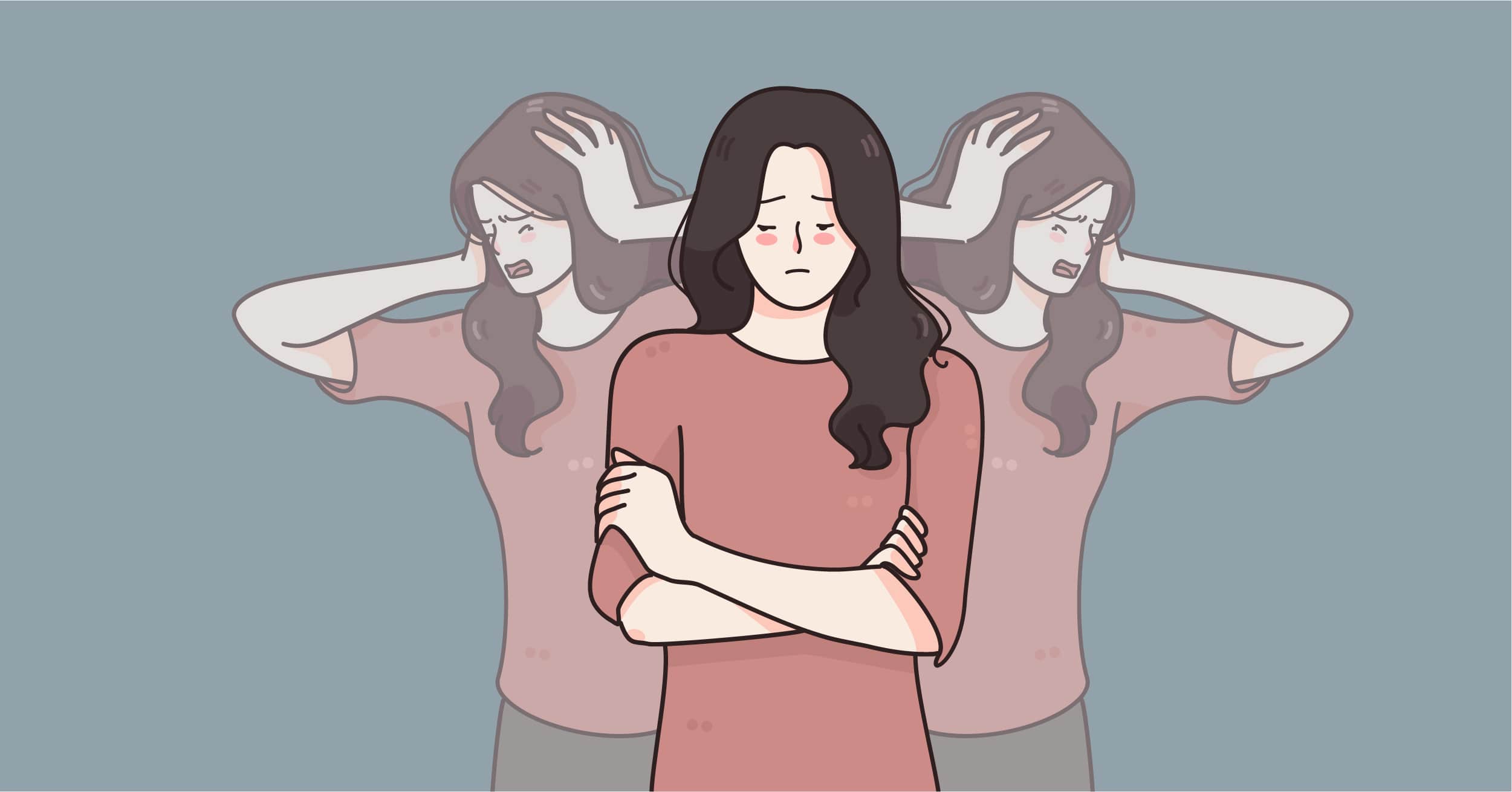
        Obsessive-Compulsive Disorder is a disorder where obsessions lead to compulsive behavior. These obsessions take the form of intrusive thoughts that cause discomfort, anxiety, and stress. The compulsions that follow these thoughts are actions that people struggling with OCD take to relieve those intense unpleasant feelings.

A notorious OCD stereotype is washing hands. Someone with Obsessive Compulsive Disorder may get an intrusive thought into their head along the lines of “You haven’t been careful enough today. You have to wash your hands again because you didn’t do it right the first time. If you don’t you will get everyone you love sick because YOU weren’t careful.” These thoughts consume those with OCD and the victim will believe everything this voice is telling them. Therefore, to stop the anxiety and guilt, they will wash their hands over and over again until it feels right. This will repeat multiple times a day causing extreme stress on this person and getting in the way of their daily routine.

            However, OCD isn’t always about staying clean or being organized. These obsessions can take the form of anything. This disorder attacks what the victim cares about most. An example is Scrupulosity. Scrupulosity is when people have intense OCD attacks on their religion and morals. This will happen when a person is extremely invested in their faith. The disorder overtakes what they enjoy and causes stress and chaos to it, making them feel like they will never be kind enough or religious enough. Some OCD takes the form of more irrational thoughts and actions that don’t always make sense to everyone else except them. People will believe that if they don’t knock on the floor four times, somebody they love will get hurt, just because their brain is telling them that. This obsessive thought causes enough internal conflict to result in the victim committing the compulsion of hitting the floor. It may seem harmless but these thoughts and actions over take people lives.

            Obsessive Compulsive Disorder can create many obstacles in daily life. People with OCD have trouble showing up on time to school or work, because they compulsions made them late. They can be under a constant state of stress and can have panic attacks over triggering words/actions that may not have significance to anyone else. If their compulsive actions include any physical activity (scratching, washing, etc.) it can cause bodily harm.

            Obsessive Compulsive Disorder is a very serious mental health crisis that affects people daily. If you or someone you know is struggling with OCD or any other stress please contact Arista Counseling and Psychological Services at 201-368-3700.

Relationships: How does mental illness affect romantic relationships?

By: Mara Gonzalez

Romantic relationships are characterized as a form of connection through physical, emotional, sexual, mental attraction and intimacy towards one another. With strong feelings for each other, romantic relationships lead to strong commitment bonds. But romantic relationships aren’t always perfect. Over 40 million people in the United States, alone, are suffering from a mental disorder such as depression, anxiety, or bipolar disorder (Stein). Mental disorders can affect a person’s life in many different ways, including a romantic relationship. Since intimate relationships require attention from both parties, the function and stability of the relationship can vary if one of the partners is affected by a mental disorder. As some of mental illness can affect day-to-day functions, relationships can be affected by the wellbeing of one or both of the partners.

Although every person diagnosed with a mental disorder can experience different symptoms, some common signs of a mental disorder can be loss of appetite and sleep, extreme mood swings, burnout, increase/decrease of certain emotions, unhealthy coping habits and/or unusual emotional outburst. One example of how the effect on the relationship can be seen is codependency. Due to the unstable emotions, the person affected by a mental disorder might need to rely on their partner for everyday things like needing help to:  

  • Stay balanced with a healthy eating style
  • Getting a good number of hours of sleep
  • Setting appropriate boundaries
  • Enabling healthy behaviors

A fear that is common amongst people with a mental health issue and their romantic relationship is pushing the other partner away. Dealing with a mental disorder is not easy, and can negatively consume a person’s life. The fear of pushing your partner away comes from not knowing if you would be accepted by your partner due to your mental health issue(s), if your partner is willing to help you and your needs, if your partner is okay with intimacy, and many more. Tory Miller, a Clinical Program Manager at Diversus Health, stated, “Sometimes we have our own stigma associated with disclosing our mental health struggles. We hesitate to share with our partner for fear of pushing them away”.

Disclosing a mental health disorder is important because it helps keep the trust and open communication, as well as having a stable foundation in the relationship. It can be seen as healthy to disclose mental health disorders so your partner is not confused by your symptoms and is able to provide adequate support for you and give you a safe place to be yourself. It is important to understand that all relationships have struggles and challenges, and it may be a good idea to establish reliance and healthy boundaries.

Sources: Stein, Catherine H et al. “Strengths, Struggles, and Strategies: How Adults with Serious Mental Illness Navigate Long-Term Romantic Relationships.” Community mental health journal vol. 60,7 (2024)

“How Mental Illness May Affect Relationships.” Edited by Diversus Health, How Mental Illness May Affect Relationships – Diversus Health, diversushealth.org/mental-health-blog/how-mental-illness-may-affect-relationships/.

If you or someone you know is struggling with mental health, please contact our psychotherapy offices in New York or New Jersey to talk to one of our licensed professional psychologists, psychiatrists, psychiatric nurse practitioners, or psychotherapists at Arista Counseling and Psychotherapy. Contact our Paramus, NJ, or Manhattan, NY offices respectively, at (201) – 368-3700 or (212)-722-1920 to set up an appointment. For more information, please visit https://www.counselingpsychotherapynjny.com/

Schizophrenia: “The Collected Schizophrenias” – A Glimpse into the Mind of a High-Functioning Schizophrenic

Schizophrenia: “The Collected Schizophrenias” – A Glimpse into the Mind of a High-Functioning Schizophrenic

By: Rachel Wang

From the outset of Esme Weijun Wang’s writing, she held my attention and respect as a first-time reader of her work: Asian American, graduated from Stanford with a 3.99 GPA, highly accomplished author. As she described her struggle with various mental illnesses including schizoaffective disorder, Lyme disease, and Cotard’s syndrome, I was struck by how, in spite of all of these challenges, she was still able to lead a rich, successful, and relatively happy life. Having a mental illness does not take away from you as a person; rather, it stands as a testament to what you have undergone and the strength of your character.

At the beginning of her novel, Wang points to a 2013 Slate article titled “Schizophrenic Is the New Retarded” by neuroscientist Patrick House, in which House notes that schizophrenia is closely associated with qualities of being volatile and contradictory, characterizing a range of personas from a person with split personality disorder to a serial killer. Wang uses this article to convey a main theme that recurs throughout the novel: When it comes to “socially frowned upon” disorders like schizophrenia, being diagnosed is something of a death sentence in itself. All aspects revolve around this heavy medical label that you have become; even if you recover and lose the diagnosis, those who know you will feel like they don’t because of this cryptic illness, and you will forever be considered an outcast in society.

When it comes to dealing with high-risk mental disorders, a person must be judged on whether they pose not only a danger to themself, but to society as well. As someone who was sent to a mental facility against her will, Wang believes that forcing treatment onto someone under the guise of “doing what’s best for them” is a serious violation, stripping the individual of the basic right of autonomy. She quotes Plumadore, a renowned figure in the mental health community, on this subject: “We have the ultimate decision about what we’re going to allow into our bodies, what we’re not, and the decisions that we make about our own lives.” This view reappears later in the novel when Wang describes her experience with being 5150’d (involuntary psychiatric commitment), which she concludes with the final, depressing thought: “For those of us living with severe mental illness, the world is full of cages where we can be locked in” (110).

From lifelong societal disapproval to deterioration of health, schizophrenia is undoubtedly a plague to those who bear it, causing much suffering and threatening to overtake one’s whole life. The perpetual overshadowing of this type of illness leads less to the perspective “What will this affect?” and more to simply thinking “What won’t this affect?” or “What percent of my life can I realistically expect to keep for myself?” In spite of all her doubts, Wang was able to prove that she was larger than her disorders—not only achieving her dream of becoming an accomplished writer, but going further to create a powerful work of literature based on her personal struggles, offering inspiration to those struggling with mental illnesses everywhere.

If you or someone you know is struggling with mental health, please contact our psychotherapy offices in New York or New Jersey to talk to one of our licensed professional psychologists, psychiatrists, psychiatric nurse practitioners, or psychotherapists at Arista Counseling and Psychotherapy. Contact our Paramus, NJ, or Manhattan, NY offices respectively, at (201) – 368-3700 or (212)-722-1920 to set up an appointment. For more information, please visit https://www.counselingpsychotherapynjny.com/

Beautiful yet Tragic: Marilyn Monroe’s Lifelong Struggle with Mental Illness

By: Rachel Wang

Marilyn Monroe, born Norma Jeane Baker, was a glamorous Hollywood actress who became known for her iconic “blonde bombshell” role in the 50s and 60s. Alluring, radiant, and successful, she presented a seemingly flawless image of femininity and class. What could have driven such a talented young woman to end her own life? And what are the implications for mental health awareness in a society that prioritizes the perfectly curated image over authentic emotional wellbeing?

Beneath the pop culture icon’s surface was a deeply troubled woman with a turbulent childhood. Norma Jeane’s family had a history of mental illness. Her grandmother suffered from manic-depressive illness and died in a psychiatric hospital; her great-grandfather died by suicide. Her own mother was diagnosed as manic-depressive and later as paranoid schizophrenic, being hospitalized several times and eventually institutionalized when Norma Jeane was only 8 years old. As a result, Norma Jeane lived in as many as twelve different foster homes, and was sexually abused by her foster parents in two of them. Despite later creating a character that would captivate the country, Monroe struggled with various mental illnesses and substance abuse throughout adulthood, and would later die from a barbiturate overdose at only 36.

Based on a biographical review written by psychiatrists and clinical psychologists, it is highly suspected that she suffered from Borderline Personality Disorder (BPD). BPD is characterized by unstable moods, impulsivity, a distorted self-image, and trouble with interpersonal relationships. It is also highly probable that she developed Post-Traumatic Stress Disorder (PTSD) due to her childhood abuse. The accumulation of traumas, combined with the presence of BPD, may have led to the development of complex PTSD (cPTSD), which is associated with a high risk of suicide.

Beautiful yet tragic, Marilyn Monroe’s story highlights an important truth: Anyone can be struggling with hidden challenges, no matter how perfect or fine they might seem on the surface. It is crucial to check in on your loved ones to ensure they get the help they need, whether it be therapy, medication, or both. The growing awareness and de-stigmatization of mental health in today’s society have made resources more accessible than ever—offering support that can save lives.

If you or someone you know is struggling, please contact our psychotherapy offices in New York or New Jersey to talk to one of our licensed professional psychologists, psychiatrists, psychiatric nurse practitioners, or psychotherapists at Arista Counseling and Psychotherapy. Contact our Paramus, NJ, or Manhattan, NY offices respectively, at (201) – 368-3700 or (212)-722-1920 to set up an appointment. For more information, please visit https://www.counselingpsychotherapynjny.com/

References:

Dell’Osso, L., Carpita, B., Luche, R. D., Lorenzi, P., & Amatori, G. (2023). The Illness Trajectory in Marilyn Monroe’s Psychological Autopsy: From Autism Spectrum Disorder to Borderline Personality Disorder and Bipolar Disorder with Catatonia. Clinical neuropsychiatry20(6), 505–510. https://doi.org/10.36131/cnfioritieditore20230605

Borderline Personality Disorder (BPD): A Simple Guide

Premium Vector | Personality disorder concept

Borderline Personality Disorder (BPD): A Simple Guide

By: Katerina Kostadimas

Borderline Personality Disorder (BPD) is a mental health condition that affects the way a person thinks, feels, and interacts with others. People with BPD often struggle with intense emotions, unstable relationships, and a strong fear of abandonment.

What Are The Symptoms of BPD?

BPD symptoms are different for everyone, but common signs include:

  1. Emotional Instability
  2. Fear of abandonment
  3. Unstable Relationships
  4. Impulsive Behaviors
  5. Self-harm or Suicidal Thoughts
  6. Identity Issues
  7. Chronic Feelings of Emptiness
  8. Intense Anger
  9. Paranoia or Dissociation

What Causes BPD?

There is no single cause of BPD, but factors that may contribute include:

  • Genetics
  • Brain Differences
  • Trauma or Childhood

How Is BPD Treated?

BPD is treatable, and many people learn to manage their symptoms with the right help. Some common treatments include:

  • Therapy—Dialectical Behavior Therapy (DBT) has been said to be the most effective treatment. It teaches skills to manage emotions, build healthy relationships, and reduce impulsive behaviors.
  • Medication- While there is no specific medication for borderline personality disorder, some people benefit from antidepressants, mood stabilizers, or antipsychotic medications to manage symptoms.
  • Support System- Having understanding friends, family, or support groups can make a big difference in managing BPD.

If you or someone you love has BPD, know that recovery is possible. With the right treatment and support, people can build stable relationships, manage emotions, and lead fulfilling lives. 

If you or someone you know is struggling with borderline personality disorder, please contact our psychotherapy offices in New York or New Jersey to talk to one of our licensed professional psychologists, psychiatrists, psychiatric nurse practitioners, or psychotherapists at Arista Counseling and Psychotherapy. Contact our Paramus, NJ, or Manhattan, NY offices respectively, at (201) – 368-3700 or (212)-722-1920 to set up an appointment. For more information, please visit https://www.counselingpsychotherapynjny.com/

Reference:

https://www.mayoclinic.org/diseases-conditions/borderline-personality-disorder/symptoms-causes/syc-20370237

Depression: What is dysthymia?

Depression: What is dysthymia?

By: Josette DeFranco

Dysthymia is mild but has more long-lasting symptoms than major depression. Dysthymia is also known as persistent depression disorder because it is continuous and long-term. There is no exact cause of dysthymia but biological differences, brain chemistry, life events, and inherited traits can play a role. It has been demonstrated that those with depression don’t have any family history of this disorder and those with a family history of depression don’t struggle with this disorder.

Some noticeable symptoms of dysthymia:

  • Loss of enjoyment of regular activities
  • Sadness or depressed mood
  • Lack of motivation
  • Tiredness
  • Sleep problems
  • Problems with decision-making or concentration
  • Restlessness and impatient
  • Low self-esteem
  • Overeating or eating very little
  • Suicidal thoughts
  • Substance misuse
  • Relationship difficulties
  • School or work hardships

Some ways to help prevent dysthymia:

  • Reach out to friends and family
  • Seek medical professional help
  • Work on reducing stress
  • Be patient
  • Be kind to yourself
  • Practice self-care
  • Don’t self-medicate

If you or someone you know is struggling with their mental health, please contact our psychotherapy offices in New York or New Jersey to talk to one of our licensed professional psychologists, psychiatrists, psychiatric nurse practitioners, or psychotherapists at Arista Counseling & Psychotherapy. Contact our Paramus, NJ, or Manhattan, NY offices at (201) 368-3700 or (212) 722-1920 to schedule an appointment. For more information, please visit https://aristapsychiatrypsychotherapy.com/

Resources:

https://www.webmd.com/depression/chronic-depression-dysthymia

https://www.mayoclinic.org/diseases-conditions/persistent-depressive-disorder/symptoms-causes/syc-20350929

Depression: Do Genetics Play a Role in Depression

Depression: Do Genetics Play a Role in Depression

By: Josette DeFranco

Major depressive disorder is a condition that affects many individuals. Major depressive disorder can range from being clinically mild and short-lasting to recurring over and over again, to being highly chronic and treatment-resistant. Depression is known to run in families indicating that there are genetic factors. It can be a combination of life experiences and environment. Genetics plays a mild role in depression. Also, families with certain genetic patterns lived eight years shorter than average. As depression may range from transient to debilitating it is expected that many different sets of genetic alterations are involved. Some genes are associated with weight and body, neuron development, and brain inflammation and another group is associated with proteins that tell the immune system which cells are friendly and which are not. This means that our genetics can not only influence our physical characteristics but also how our brain functions and our immune system interacts and identifies with different cells in the body. Your environment can modify the genetic factors that play a role in depression.

If you are concerned about a strong history of depression in the family and are scared about it affecting you or your future children a study suggests that even with a high tendency for depression, psychotherapy or behavioral activation therapy can reduce it. Individuals need to understand the life-changing impact their environment can have on their mental health. Our emotions are generated by our thinking which may serve as an influence on our behaviors. You may have had genetic roots of depression, a difficult upbringing, or a terrible tragedy that has currently occurred but if you change your thinking then your emotions will change as well.

If you or someone you know is struggling with their mental health, please contact our psychotherapy offices in New York or New Jersey to talk to one of our licensed professional psychologists, psychiatrists, psychiatric nurse practitioners, or psychotherapists at Arista Counseling & Psychotherapy. Contact our Paramus, NJ or Manhattan, NY offices respectively, at (201) 368-3700 or (212) 722-1920 to set up an appointment. For more information, please visit https://aristapsychiatrypsychotherapy.com/

Sources:

https://www.psychologytoday.com/us/blog/the-athletes-way/201603/depression-new-research-shows-genetics-are-not-destiny

https://www.psychologytoday.com/us/blog/psychiatry-the-people/201804/massive-study-clarifies-genetic-risks-major-depression

https://www.psychologytoday.com/us/blog/the-three-minute-therapist/202007/overcoming-genetically-based-depression

Depression: Let’s Talk About It

By: Nicole Cutaia

Depression: Let’s Talk About It

Depression is often times stereotyped through societal misconceptions and labels that portray individuals experiencing the condition as weak or even attention-seeking. But it is important to normalize depression, Having depression does not mean one is weak, a failure, or lazy, it simply means one needs mental health assistance. The stigma against mental health is a reason to why people battling with mental disorders such as depression, do not reach out for therapy or treatment.

Normalizing depression also allows individuals to become exposed to and educated on the mental disorder. Some people are genuinely not aware of what specific mental illnesses or disorders are so having an open discussion is very important.

Common symptoms of depression are constantly experiencing sadness or feeling the need to cry, feeling remorseful; life beginning to seem meaningless, having a negative attitude, decreasing activities you used to enjoy, changes in sleep, and experiencing irritability.

Life can get very busy and overwhelming; putting your mental health first is a priority. If you or any loved ones you know are experiencing symptoms of depression, it is vital to talk to someone.

If you or someone you know is having mental health difficulties and/ or experiencing symptoms of depression, please contact our psychotherapy offices in New Jersey to talk to one of our licensed professional psychologists, psychiatrists, psychiatric nurse practitioners, or psychotherapists at Arista Counseling & Psychotherapy. Contact our offices at (201) 368-3700 or (212) 722-1920 to set up an appointment. For more information, please visit http://www.counselingpsychotherapynjny.com/

Obsessive-Compulsive Disorder: OCD

Obsessive-Compulsive Disorder: OCD

By: Isabella Favuzza

Many feel overwhelmed with anxiety or stress regarding weight, relationships, family, work, school, etc. However, have you ever counted, organized, or cleaned to cope with these unwanted feelings of stress or anxiety? Perfectionist coping mechanisms are a symptom of OCD, also known as obsessive-compulsive disorder. OCD entails a frequent pattern of unwanted thoughts or fears known as obsessions to combat feelings of stress. Said obsessions commonly inhibit individuals from partaking in daily activities due to inevitable disturbances and distress. Those struggling with OCD feel compelled to soothe urges through ritual behaviors. OCD builds around a theme like the fear of germs, which leads an individual to consistently wash their bodies and disinfect their living quarters.

Those struggling with OCD face symptoms like fear of contamination, feelings of uncertainty, aggressive or horrific thoughts, unwanted ideals, the need for order or balance, intense stress, etc. These systems can restrict an individual from performing daily tasks in the workplace or even in the comfort of their own home. Psychiatric treatment can reduce OCD’s severe symptoms and allow individuals to reclaim their lives. Proper medication and other effective treatments can increase and regulate serotonin levels within the body, easing obsessions and unwanted thoughts. Ultimately, psychiatric treatment can significantly reduce unwanted obsessions and urges, enabling those struggling with OCD to reclaim their lives.

If you or someone you know is struggling with OCD, please contact our psychotherapy offices in New York or New Jersey to talk to one of our licensed professional psychologists, psychiatrists, psychiatric nurse practitioners, or psychotherapists at Arista Counseling & Psychotherapy. Contact our Paramus, NJ or Manhattan, NY offices respectively, at (201) 368-3700 or (212) 722-1920 to set up an appointment. For more information, please visit http://www.counselingpsychotherapynjny.com/

Source:

https://www.mayoclinic.org/diseases-conditions/obsessive-compulsive-disorder/symptoms-causes/syc-20354432

Bipolar Disorder

Bipolar Disorder

By: Nicole Sanchez

Bipolar disorder is a serious mood disorder and mental health condition that causes unusual shifts in mood, energy levels, thinking and behavior. These shifts can last for hours, days, weeks or months and interfere with ability to carry out daily tasks. When one becomes depressed, they may go through feelings of sadness, hopelessness and or loss of interest in many activities. When one’s mood shifts to mania, one may feel euphoric, energized or irritable. These shifts in mood can impact a person’s sleep, activity or energy levels, behavior and their ability to think clearly. Each type of bipolar disorder includes periods between manic or depressive episodes when symptoms lessen, or people feel stable. The greatest difference between the types of disorder is how extreme the mood states are and their duration. Bipolar I Disorder includes having a history of at least one manic episode, but sometimes also having depressed or hypomanic episodes as well. Bipolar II Disorder includes mood states that vary from an even mood to high to low, although the highs are less extreme and are called hypomanic states.

Individuals with bipolar disorder can be treated with a combination of medication and therapy. Mood stabilizers, antipsychotics, and antidepressants can aid in managing mood swings and other symptoms. Some people may need to try different medications before determining which medication works best for them. Therapy aids individuals in accepting their disorder, being familiar with the warning signs of a manic or depressive episode, developing coping strategies, and sticking with a medication schedule. While people may sometimes experience some stability in their mood between episodes, a long-term, continuous treatment plan is suggested as it can reduce the severity and frequency of mood swings.

If you or someone you know is having mental health difficulties and/ or experiencing symptoms of Bipolar Disorder, please contact our psychotherapy offices in New Jersey to talk to one of our licensed professional psychologists, psychiatrists, psychiatric nurse practitioners, or psychotherapists at Arista Counseling & Psychotherapy. Contact our offices at (201) 368-3700 or (212) 722-1920 to set up an appointment. For more information, please visit http://www.counselingpsychotherapynjny.com/

https://www.samhsa.gov/mental-health/bipolar