Gun Violence: The Impact on Students Mental Health

Gun Violence: The Impact on Students Mental Health

By: Francesca Warner

As schools reopen their doors for the 2025-2026 school year, the looming fear of gun violence lingers in the back of students, teachers, and administrator’s minds. The fear is very rational, as only recently young students lost their lives in an environment where safety is prioritized. This tragedy took place on Wednesday, August 27th, at a Minnesota Catholic School during back-to-school mass. Due to the increase in the amount of gun violence threats to schools in the past several years, a major cause for concern lies in the question; what is this doing to students’ mental health and wellness?

Authors at kff.org state that “Exposure to gun violence is linked to post-traumatic stress disorder and anxiety in addition to other mental health concerns” (Panchal & Zitter, 2025, para. 16). The idea that school is a safe haven for learning, friendship, and personal growth is ripped away and replaced with trauma and the burden that comes with it. The severity of violence that automatic weapons can produce is too much for young minds to process, and that lack of processing can impact a healthy mind fiercely.

To support these students who are either dealing with gun violence trauma or fear of gun violence overall, loved ones/family members can:

  • Be a supportive and judgement free listener
  • Encourage those effected to reach out to professionals
  • Respect boundaries and personal healing processes

SOURCE: The Impact of Gun Violence on Children and Adolescents

If you or someone you know is struggling with mental health, please contact our psychotherapy offices in New York or New Jersey to talk to one of our licensed professional psychologists, psychiatrists, psychiatric nurse practitioners, or psychotherapists at Arista Counseling and Psychotherapy. Contact our Paramus, NJ, or Manhattan, NY offices respectively, at (201) – 368-3700 or (212)-722-1920 to set up an appointment. For more information, please visit https://aristapsychiatrypsychotherapy.com/

Stress; Are you dealing with generational trauma?

Stress; Are you dealing with generational trauma?

By Manuela Gomez

Generational or (integrational) trauma is a phrase that you might be hearing recently being thrown around but, do you truly know what it means. It is trauma that can be passed down through generations by epigenetics, when genes change how they work but the DNA sequence stays the same. It can be baggage brought from one generation onto the next. Coming from a family with this type of trauma can cause many negative outcomes which can include Stress. When dealing with your close loved ones, stress can become a common factor in your life. Trying to identify if your family has generational trauma look for these:

  • Emotional dysregulation/Inconsistent relationships
  • Emotional abuse
  • Depression
  • Shame or Guilt
  • Always on edge ( waiting for the other shoe to drop)

 The first big step you can take is recognizing that the trauma that you have can be inherited. After identifying the generational trauma you can then start to work on the stress that you have. Your body was in flight or fight mode constantly and now you know why and due to what trauma. According to the American Psychological Association we see how parents after experiencing a traumatic event, can pass on their fear and prevent future generations from finding new ways. Getting professional help can also apply to you; stress can become chronic if not addressed. Help the future generations by breaking this unhealthy cycle.

Source: https://www.apa.org/monitor/2019/02/legacy-trauma

If you or someone you know is struggling with mental health, please contact our psychotherapy offices in New York or New Jersey to talk to one of our licensed professional psychologists, psychiatrists, psychiatric nurse practitioners, or psychotherapists at Arista Counseling and Psychotherapy. Contact our Paramus, NJ, or Manhattan, NY offices respectively, at (201) – 368-3700 or (212)-722-1920 to set up an appointment. For more information, please visit https://www.counselingpsychotherapynjny.com/

AI Therapy: Why Therapists Won’t Be Replaced by AI Anytime Soon

AI Therapy: Why Therapists Won’t Be Replaced by AI Anytime Soon

By: Rachel Wang

With the rapid growth of AI, many job industries are at risk of being overtaken by automated systems. Certain jobs have already begun to be replaced by AI, such as data entry clerks, telemarketers, and fast food workers, due to the repetitive nature of tasks involved. At some restaurants, for instance, your food might no longer be brought to you by a human server, but instead by a robot server on wheels. With the increasing shift to an AI-powered society, what is the likelihood of psychotherapy being replaced by automation? The answer, actually, is quite low.

Jobs at higher risk of being replaced by AI are those marked by predictable, repetitive tasks, a low need for creativity/complexity, and limited interpersonal skills or emotional intelligence required. Therapy is inherently relational—it involves reading between lines, picking up on subtle shifts in tone, body language, silence, etc. Thus, high emotional intelligence and interpersonal capacity is a must, ruling it out from being completely overtaken by AI. While AI may simulate empathy with words, people can often sense when something feels inauthentic or “off”; no client would choose an automated script over a genuine, empathetic response. 

Moreover, there is an element of therapy that requires being “seen” in the presence of another human being that AI simply can’t replicate. People want to be seen and validated by another human, not just fed advice by a machine. This is also supported by neuroscience, which found that mirror neurons and polyvagal theory suggest that nervous systems “synchronize” in therapeutic relationships, causing the client to feel safe and co-regulated in the presence of the therapist. Therapeutic relationships also require a high level of trust/vulnerability when it comes to sharing things like trauma, grief, abuse, etc., which is difficult to build with a machine that has no emotions. There is often a fear of being judged, misinterpreted, or even surveilled when sharing personal details with AI that makes human therapists a necessity.

While it’s easy to get caught up talking to a chatbot that always responds, true person-to-person therapy involves a uniquely intimate bond that can’t be replicated by a machine. For those of you with a therapist whom you see regularly, we encourage you to recognize and appreciate all the support and progress you’ve made. For those of you without one, we at Arista Counseling are always available to help you find the mental health resources you need.

If you or someone you know is struggling with mental health, please contact our psychotherapy offices in New York or New Jersey to talk to one of our licensed professional psychologists, psychiatrists, psychiatric nurse practitioners, or psychotherapists at Arista Counseling and Psychotherapy. Contact our Paramus, NJ, or Manhattan, NY offices respectively, at (201) – 368-3700 or (212)-722-1920 to set up an appointment. For more information, please visit https://www.counselingpsychotherapynjny.com/

Schizophrenia: “The Collected Schizophrenias” – A Glimpse into the Mind of a High-Functioning Schizophrenic

Schizophrenia: “The Collected Schizophrenias” – A Glimpse into the Mind of a High-Functioning Schizophrenic

By: Rachel Wang

From the outset of Esme Weijun Wang’s writing, she held my attention and respect as a first-time reader of her work: Asian American, graduated from Stanford with a 3.99 GPA, highly accomplished author. As she described her struggle with various mental illnesses including schizoaffective disorder, Lyme disease, and Cotard’s syndrome, I was struck by how, in spite of all of these challenges, she was still able to lead a rich, successful, and relatively happy life. Having a mental illness does not take away from you as a person; rather, it stands as a testament to what you have undergone and the strength of your character.

At the beginning of her novel, Wang points to a 2013 Slate article titled “Schizophrenic Is the New Retarded” by neuroscientist Patrick House, in which House notes that schizophrenia is closely associated with qualities of being volatile and contradictory, characterizing a range of personas from a person with split personality disorder to a serial killer. Wang uses this article to convey a main theme that recurs throughout the novel: When it comes to “socially frowned upon” disorders like schizophrenia, being diagnosed is something of a death sentence in itself. All aspects revolve around this heavy medical label that you have become; even if you recover and lose the diagnosis, those who know you will feel like they don’t because of this cryptic illness, and you will forever be considered an outcast in society.

When it comes to dealing with high-risk mental disorders, a person must be judged on whether they pose not only a danger to themself, but to society as well. As someone who was sent to a mental facility against her will, Wang believes that forcing treatment onto someone under the guise of “doing what’s best for them” is a serious violation, stripping the individual of the basic right of autonomy. She quotes Plumadore, a renowned figure in the mental health community, on this subject: “We have the ultimate decision about what we’re going to allow into our bodies, what we’re not, and the decisions that we make about our own lives.” This view reappears later in the novel when Wang describes her experience with being 5150’d (involuntary psychiatric commitment), which she concludes with the final, depressing thought: “For those of us living with severe mental illness, the world is full of cages where we can be locked in” (110).

From lifelong societal disapproval to deterioration of health, schizophrenia is undoubtedly a plague to those who bear it, causing much suffering and threatening to overtake one’s whole life. The perpetual overshadowing of this type of illness leads less to the perspective “What will this affect?” and more to simply thinking “What won’t this affect?” or “What percent of my life can I realistically expect to keep for myself?” In spite of all her doubts, Wang was able to prove that she was larger than her disorders—not only achieving her dream of becoming an accomplished writer, but going further to create a powerful work of literature based on her personal struggles, offering inspiration to those struggling with mental illnesses everywhere.

If you or someone you know is struggling with mental health, please contact our psychotherapy offices in New York or New Jersey to talk to one of our licensed professional psychologists, psychiatrists, psychiatric nurse practitioners, or psychotherapists at Arista Counseling and Psychotherapy. Contact our Paramus, NJ, or Manhattan, NY offices respectively, at (201) – 368-3700 or (212)-722-1920 to set up an appointment. For more information, please visit https://www.counselingpsychotherapynjny.com/

Doomscrolling: How Mindless Scrolling Impacts Adolescent Mental Health

Doomscrolling: How Mindless Scrolling Impacts Adolescent Mental Health

By: Rachel Wang

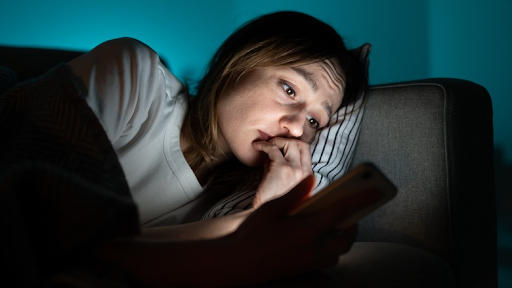
In today’s age, social media scrolling has become increasingly common among the young adult population. Among my college friend group, words like “brainrot” and “doomscrolling” are a regular occurrence, and while often played off as a joke, they also speak to the unhealthy tendency to spend copious amounts of time online. With teenagers spending an average of 8 hours and 39 minutes on screens daily, it’s no wonder that the impact of cell phone use and social media has become a huge concern for teens and parents. 

 On the topic of doomscrolling, TikTok is a major subject of discussion. Compared to other platforms, TikTok’s interface facilitates instantaneous content consumption and creation, and was one of the first platforms to generate a customized feed of audiovisual content tailored for users based on their perceived preferences via the app’s algorithm. In other words, it provides users with endless short videos specifically curated to what the user finds most interesting, making it the perfect addictive app for people with short attention spans. However, TikTok’s compelling interface comes at a cost for its users. It has been shown that a greater number of hours spent scrolling on TikTok—aka passive use—predicted lower life satisfaction, while the number of videos posted—aka active use—predicted higher life satisfaction (Wu et al., 2021). Notably, only about 25% of all TikTok users create 98% of all publicly accessible videos, while nearly half of users (48%) have never posted a video, indicating that the majority of users consume content passively, known as “lurking” (Smith 2024). This means that, for the majority of TikTok users who use the app passively, a greater number of hours spent scrolling predicts lower life satisfaction, making higher screen times a very real cause for concern that is worth addressing.

At the end of the day, social media addiction and doomscrolling are still relatively new concepts, which means research in these areas is still wanting. With the average teenager spending over one-third of their lives on a screen—potentially spending more time on their phones than sleeping—the need for more research in this subfield is self-explanatory. Perhaps, instead of normalizing terms like “doomscrolling” and “brainrot”, we should be funding social media research and encouraging one another to self-reflect and nurture our minds with healthier, real-life habits.

If you or someone you know is struggling with mental health, please contact our psychotherapy offices in New York or New Jersey to talk to one of our licensed professional psychologists, psychiatrists, psychiatric nurse practitioners, or psychotherapists at Arista Counseling and Psychotherapy. Contact our Paramus, NJ, or Manhattan, NY offices respectively, at (201) – 368-3700 or (212)-722-1920 to set up an appointment. For more information, please visit https://www.counselingpsychotherapynjny.com/

sources: Two Years Into the Pandemic, Media Use Has Increased 17% Among Tweens and Teens | Common Sense Media, https://doi.org/10.1037/ppm0000292, TikTok mostly passive consumption platform dominated by active posters, study shows

Pets: Are they good for mental health?

Pets: Are they good for mental health?

By: Rachel Wang

Pets are a beloved member of every household that owns them. Whether it be a fluffy cat, large dog, or tiny fish, they almost always make the lives of those around them better in some way.

From a therapeutic standpoint, one might wonder: Are pets good for mental health? Research-backed sources say yes. According to the National Institutes of Health, interacting with animals has been shown to decrease levels of cortisol (stress hormone) as well as lower blood pressure. Furthermore, pets may help to reduce loneliness, increase feelings of social support, and boost mood. Owning certain pets might also encourage higher levels of physical activity—for example, walking your dog—which has been proven to reduce stress and boost mood.

Dogs especially have the potential to assist in more specialized cases of mental health. For instance, therapy dogs have been used to help reduce patients’ stress and anxiety levels in hospitals and nursing homes. A study also found that dogs may possibly aid in the lives of children with ADHD; however, more research is needed to make a substantiated claim.

Finally, if the above is not enough to prove the uplifting effects of owning a pet, an American Psychiatric Association poll found that 86% of pet owners said their pets have an overall positive impact on their mental health, with dog and cat owners being the most likely to say so. People don’t just love their pets because they’re cute—they appreciate them for being a constant source of warmth and companionship that brightens even the worst days.

If you have a pet, don’t forget to give them a hug today (or some extra fish food)! If you don’t have a pet but have the resources to get one, it could be worth thinking about—you might be surprised by how much a furry companion can brighten your days.

If you or someone you know is struggling, please contact our psychotherapy offices in New York or New Jersey to talk to one of our licensed professional psychologists, psychiatrists, psychiatric nurse practitioners, or psychotherapists at Arista Counseling and Psychotherapy. Contact our Paramus, NJ, or Manhattan, NY offices respectively, at (201) – 368-3700 or (212)-722-1920 to set up an appointment. For more information, please visit https://www.counselingpsychotherapynjny.com/

Sources: The Power of Pets | NIH News in Health, Psychiatry.org – Poll of US Pet Owners

Beautiful yet Tragic: Marilyn Monroe’s Lifelong Struggle with Mental Illness

By: Rachel Wang

Marilyn Monroe, born Norma Jeane Baker, was a glamorous Hollywood actress who became known for her iconic “blonde bombshell” role in the 50s and 60s. Alluring, radiant, and successful, she presented a seemingly flawless image of femininity and class. What could have driven such a talented young woman to end her own life? And what are the implications for mental health awareness in a society that prioritizes the perfectly curated image over authentic emotional wellbeing?

Beneath the pop culture icon’s surface was a deeply troubled woman with a turbulent childhood. Norma Jeane’s family had a history of mental illness. Her grandmother suffered from manic-depressive illness and died in a psychiatric hospital; her great-grandfather died by suicide. Her own mother was diagnosed as manic-depressive and later as paranoid schizophrenic, being hospitalized several times and eventually institutionalized when Norma Jeane was only 8 years old. As a result, Norma Jeane lived in as many as twelve different foster homes, and was sexually abused by her foster parents in two of them. Despite later creating a character that would captivate the country, Monroe struggled with various mental illnesses and substance abuse throughout adulthood, and would later die from a barbiturate overdose at only 36.

Based on a biographical review written by psychiatrists and clinical psychologists, it is highly suspected that she suffered from Borderline Personality Disorder (BPD). BPD is characterized by unstable moods, impulsivity, a distorted self-image, and trouble with interpersonal relationships. It is also highly probable that she developed Post-Traumatic Stress Disorder (PTSD) due to her childhood abuse. The accumulation of traumas, combined with the presence of BPD, may have led to the development of complex PTSD (cPTSD), which is associated with a high risk of suicide.

Beautiful yet tragic, Marilyn Monroe’s story highlights an important truth: Anyone can be struggling with hidden challenges, no matter how perfect or fine they might seem on the surface. It is crucial to check in on your loved ones to ensure they get the help they need, whether it be therapy, medication, or both. The growing awareness and de-stigmatization of mental health in today’s society have made resources more accessible than ever—offering support that can save lives.

If you or someone you know is struggling, please contact our psychotherapy offices in New York or New Jersey to talk to one of our licensed professional psychologists, psychiatrists, psychiatric nurse practitioners, or psychotherapists at Arista Counseling and Psychotherapy. Contact our Paramus, NJ, or Manhattan, NY offices respectively, at (201) – 368-3700 or (212)-722-1920 to set up an appointment. For more information, please visit https://www.counselingpsychotherapynjny.com/

References:

Dell’Osso, L., Carpita, B., Luche, R. D., Lorenzi, P., & Amatori, G. (2023). The Illness Trajectory in Marilyn Monroe’s Psychological Autopsy: From Autism Spectrum Disorder to Borderline Personality Disorder and Bipolar Disorder with Catatonia. Clinical neuropsychiatry20(6), 505–510. https://doi.org/10.36131/cnfioritieditore20230605

Effects of Social Media on Mental Health

Effects of Social Media on Mental Health

By: Jessica Radfar

Social media offers many advantages, allowing people to stay connected with friends and family regardless of location. It also provides quick and easy access to information, including news and current events. However, despite these benefits, social media can negatively impact mental health. Here are some reasons why.

  • Fear of Missing out (FOMO): Constantly checking to see what others are doing can lead to feelings of fear and missing out. This can create anxiety and unrealistic expectations about how we “should” be living.  
  • Self-Image: Social media often promotes idealized images using filters to change appearances online. This can affect our mental health by comparing ourselves to others or seeking acceptance from our posts on social media through likes and comments.
  • Self-Esteem: Watching other people’s seemingly perfect lives can result in feelings of insufficiency and low self-worth.
  • Cyberbullying: Exposure to harassment and negative comments on social media can lead to feelings of isolation and increased stress.

To help with this, prioritize your well-being. Here are some ways to do that.

  • Limit Screen Time: Use features on your phone to set daily time limits on social media apps.
  • Schedule Yourself Screen-Free Time Daily: Set aside part of your day, whether it is during meals, time at the gym, or with friends, where you are completely offline and present.
  • Put Your Phone on Do Not Disturb: This will help eliminate distractions and checking notifications.
  • Avoid Social Media Before Bed: The blue light on our phones can disrupt our sleep, which is crucial for our mental health.

If you or someone you know is struggling with mental health, please contact our psychotherapy offices in New York or New Jersey to talk to one of our licensed professional psychologists, psychiatrists, psychiatric nurse practitioners, or psychotherapists at Arista Counseling and Psychotherapy. Contact our Paramus, NJ, or Manhattan, NY offices respectively, at (201) – 368-3700 or (212)-722-1920 to set up an appointment. For more information, please visit https://www.counselingpsychotherapynjny.com/

References

Dalomba, F., About the Author: Frances Dalomba, Author:, A. the, Ead, A., Craine, R., & Paccione-Dyszlewski, M. R. (2022, March 1). Pros and cons of Social Media. Brown University Health. https://www.brownhealth.org/be-well/social-media-good-bad-and-ugly

Hospital, B. (n.d.). 7 ways social media can affect mental health. Butler Hospital. https://www.butler.org/blog/7-ways-social-media-can-affect-mental-health

Panic Attacks; Physical Symptoms & How to Manage them

Panic Attacks; Physical Symptoms & How to Manage Them

Panic Attacks: Physical Symptoms & How to Manage Them

By: Sydney White

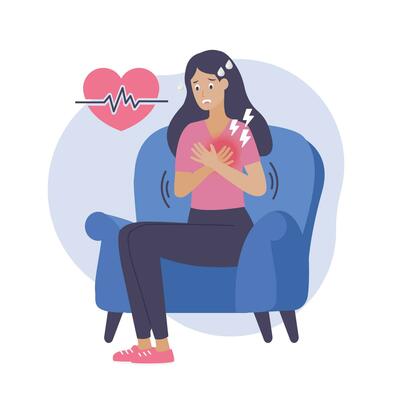
            Panic Attacks are your body’s natural response to fight or flight. They usually last only a few minutes, even though it feels much longer. This overwhelming bodily reaction can be triggered by a multitude of reasons caused by severe anxiety. Symptoms can manifest in various ways, depending on the individual. Psychological symptoms such as fear and dread persist throughout panic attacks and are usually accompanied by physical symptoms. Physical symptoms can include increased heart rate, shaking, sweating, lightheadedness, or shortness of breath. Some individuals experience multiple symptoms during panic attacks, and others will not experience them at all. During a panic attack, you will feel these intense symptoms, often enhancing the anxiety, intensifying the panic attack. This creates a constant cycle that becomes difficult to break.

            Breaking the cycle is key to taking control of your mind and body when you find yourself in one of these situations. Remember, you are in control, not the other way around. Erratic breathing is a prevalent symptom for most people who experience panic attacks. A common method is Box breathing, to regulate your breathing. There are many videos explanations online for further instructions, but in short, you begin by inhaling slowly through your nose for four seconds, hold your breath for four, exhale slowly through your mouth for four, and then hold your breath again for four. There are many different breathing techniques that are helpful in helping to calm your body down from a panic attack. Deep breathing is one of the fastest ways to come down from a state of fight-or-flight, but takes patience and practice to master. Some people struggle with breath practice and can benefit from other techniques such as muscle relaxation and methods of distraction. Muscle relaxation involves tensing and releasing specific muscle groups. It is suggested to start from your toes, working your way up to your head. Focusing your attention on tensing and releasing muscle groups converts your focus to your present and physical body. Another helpful method of distraction is the 5 senses. During this exercise, you will become conscious of what you hear, see, smell, touch, and taste. This method allows the individual to center their attention on their present self to reduce anxiety.

Test Anxiety: How to Relieve That Stress

Test Anxiety: How to Relieve That Stress

By: Maya Gallo

We all know exams can be nerve-wracking, especially when it comes to midterms and finals. Before we get a break, we have an overload of stress that can be overwhelming. You may ask yourself: “How can I be properly prepared for my exams while also staying calm?” Below is a list of tips to help you!

  1. Get organized: Take thorough notes. Make sure you have a calendar with all important dates coming up. Manage your time well so you know how much you can do each day.
  2. Game plan: Have a set time each day tucked away for studying. This way, you will feel better and more prepared for upcoming exams, even if you don’t have any assignments due.
  3. “Me” time: Take time out of your day to do something that you enjoy. Whether this be going for a walk, going to the gym, or listening to music, you deserve a break. You do not want all the studying to stress you out even more.
  4. Take care of your body: You come first. Make healthy choices, food is our fuel. Get plenty of sleep and listen to your body. It is the only one you have!
  5. Be creative: If you have friends in your class, consider calling them to see if they’d like to meet somewhere (like a coffee shop) and study together. Get creative with it, but have fun!

Hope this puts your mind at ease when it gets to that point in the semester. Be sure to use these tips to alleviate your stress. Good luck!

If you or someone you know is struggling with anxiety, please contact our psychotherapy offices in New York or New Jersey to talk to one of our licensed professional psychologists, psychiatrists, psychiatric nurse practitioners, or psychotherapists at Arista Counseling and Psychotherapy. Contact our Paramus, NJ, or Manhattan, NY offices respectively, at (201) – 368-3700 or (212)-722-1920 to set up an appointment. For more information, please visit https://www.counselingpsychotherapynjny.com/

References

Dealing with Exam Stress. (2025). Psychology Today. https://www.psychologytoday.com/us/blog/teen-angst/201405/dealing-exam-stress