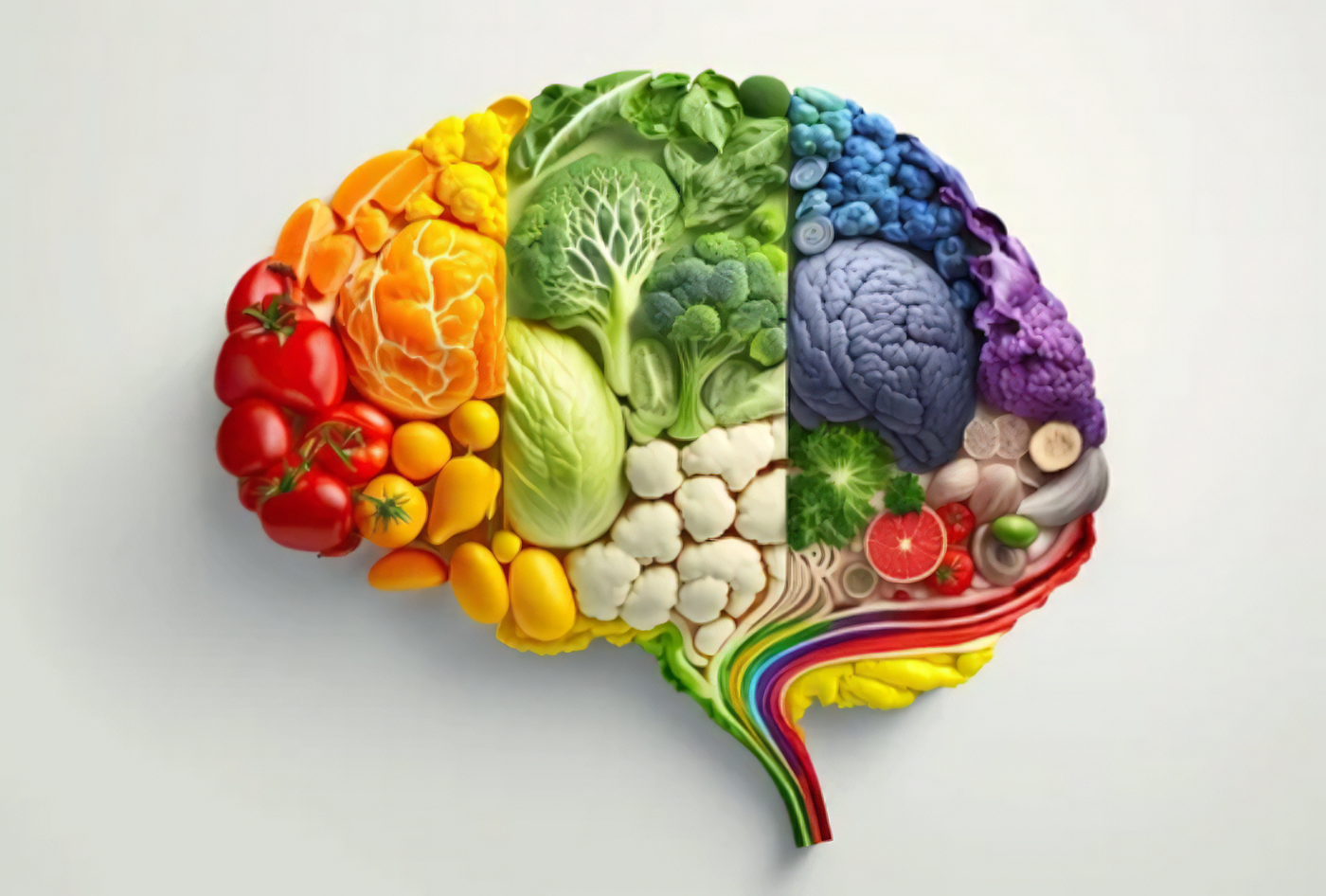
Healthy Lifestyle: Promoting Mental Health
By: Maria Koutsothanasis
Maintaining a healthy lifestyle through regular exercise and a balanced diet offers significant benefits for mental health. Physical activity and proper nutrition can enhance mood, reduce stress, and promote overall well-being, improving mental and emotional stability.
The Role of Exercise in Mental Health
Exercise is an effective way to boost overall mental health. When we engage in physical activity, the brain releases dopamine and serotonin; neurotransmitters that play key roles in elevating mood, improving cognition, and reducing feelings of anxiety and depression. Regular exercise also helps to lower cortisol levels, the body’s stress hormone, which can help reduce overall stress.
Exercise can also improve sleep quality, which is crucial for emotional well-being. A good night’s rest enhances cognitive function, memory, and emotional regulation. Additionally, accomplishing exercise goals can increase self-esteem and a positive body image, further supporting mental health.
The Impact of Diet on Mental Health
Diet plays an equally important role in mental health. Food provides essential nutrients that support brain function and emotional stability. Food can be a fuel to the body. Healthy and nutrient-filled foods can produce serotonin and dopamine and regulate them. A balanced diet helps stabilize blood sugar levels and prevent energy crashes, which can lead to irritability and fatigue. Foods rich in fiber and probiotics, such as fruits and vegetables, play a key role in emotional regulation.
Exercise and diet together can increase overall mental health. Regular physical activity is a natural treatment for feelings of anxiety and depression. A well-balanced diet provides the energy and nutrients needed to fuel physical activity. Incorporating regular exercise and a healthy diet into daily life can significantly enhance physical and mental health. These habits not only improve mood, reduce stress, and boost self-esteem, but they also support emotional resilience.
If you or someone you know is struggling with depression, anxiety, eating disorders, or other mental health issues, please contact our psychotherapy offices in New York or New Jersey to talk to one of our licensed professional psychologists, psychiatrists, psychiatric nurse practitioners, or psychotherapists at Arista Counseling & Psychiatric Services. Contact our Paramus, NJ or Manhattan, NY offices respectively, at (201) 368-3700 or (212) 722-1920 to set up an appointment. For more information, please visit http://www.counselingpsychotherapynjny.com/
Diet and mental health. Mental Health Foundation. (n.d.). https://www.mentalhealth.org.uk/explore-mental-health/a-z-topics/diet-and-mental-health
Lifestyle to support mental health. Psychiatry.org – Lifestyle to Support Mental Health. (n.d.). https://www.psychiatry.org/patients-families/lifestyle-to-support-mental-health
Understanding the effects of a healthy lifestyle on Mental Health. Penn State Health News. (2021, May 3). https://pennstatehealthnews.org/topics/may-2021-one-group-blog-mental-health/


 CounselingRx