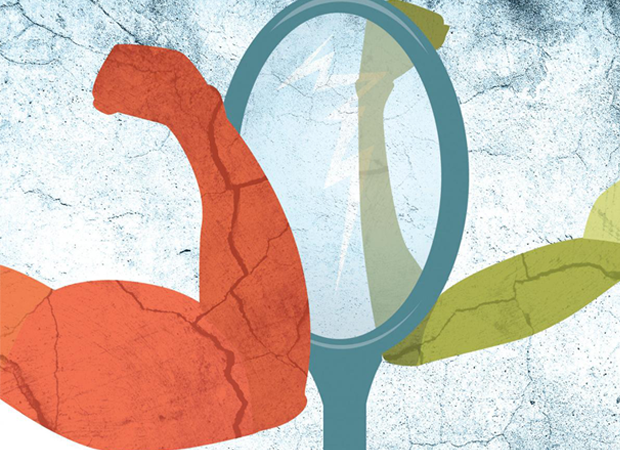
Therapy, Men in therapy: Why do men find it difficult to seek help for psychological issues?

By: Ipek Yurttutan

Barriers in our society have prevented men from seeking therapy, but why? According to CDC, only 8% of American men received counseling or therapy in 2020. (CDC, 2020) Help-seeking may be perceived as a feminine quality and as well as a direct threat to the concept of masculinity. Depression is the leading mental health disorder that effects men. (6 million every year) Men tend to express their depressive symptoms different than women, and majority do not fit in the criteria for the DSM5-TR. For instance, externalizing behaviors such as alcohol consumption, aggressive behaviors and irritability are very common among men. Some men stay away from therapy because they might dislike the idea that seeking help will make them look “weak”. These biases are deeply ingrained within our society that even some professionals may have certain expectations of men such as behaving like the masculine stereotypes. In some cases these expectations may lead to misdiagnosis and wrong treatment plans. It is very important that we diminish these unrealistic expectations and let everyone have the same access to mental health care.

If you or someone you know is struggling with their mental health, please contact our psychotherapy offices in New York or New Jersey to talk to one of our licensed professional psychologists, psychiatrists, psychiatric nurse practitioners, or psychotherapists at Arista Counseling & Psychotherapy. Contact our Paramus, NJ or Manhattan, NY offices respectively, at (201) 368-3700 or (212) 722-1920 to set up an appointment. For more information, please visit http://www.counselingpsychotherapynjny.com/

The Rise of Eating Disorders in Men

The Rise of Eating Disorders in Men

By: Michaela Reynolds

Eating disorders are commonly known to only occur in women and are associated with the desire of wanting to be thin; however, eating disorders still occur in men and look vastly different from the presentation in women. Men are not looking to be thinner, but instead are trying to get muscular and bulk up. Therefore, weight-loss behaviors usually do not apply to them. Masculine body ideals are influencing men to diet and exercise in distinctly different ways than are present in women.

Researchers proposed that the most common eating disorders in men are muscularity or muscle dysmorphia, also known as reverse anorexia. The core symptom of muscle dysmorphia is the fear of not being muscular enough. Behaviors associated with this fear include compulsive exercising, disordered eating that include protein supplements and restrictive eating, and the use of enhancing drugs and steroids. Seeking treatment can be difficult but if left untreated, the eating disorder can cause emotional damage that can lead to serious physical consequences. Due to the emotional, mental, and physical damages of body dysmorphia and reverse anorexia, interventions are crucial so they can lead to a normal life. Intervention allows a male to properly heal from their eating disorder. Also, it is important to note that there is a low awareness of eating disorders in men. Public awareness needs to come in focus as eating disorders cause many dangers.

If you or someone you know appears to be suffering from an eating disorder, please contact our psychotherapy offices in New York or New Jersey to talk to one of our licensed professional psychologists, psychiatrists, psychiatric nurse practitioners, or psychotherapists at Arista Counseling & Psychotherapy. Contact our Paramus, NJ or Manhattan, NY offices respectively, at (201)368-3700 or (212)722-1920 to set up an appointment. For more information, please visit http://www.counselingpsychotherapynjny.com/.

Sources:

https://www.healthline.com/health/eating-disorders/eating-disorders-in-men#What-do-eating-disorders-in-men-look-like?

https://www.verywellmind.com/male-eating-disorders-4140606

https://renewedsupport.org/nedawareness-week-reverse-anorexia/Rise of Eating Disorder in Men

Image: