Self-esteem

By: Charleene Polanco

Have you ever experienced a time in your life when you felt that, “you weren’t good enough?” If you have, self-esteem is at the core of this feeling, because it involves perceptions one has of oneself. These perceptions eventually become beliefs about self-worth and value. That is why self-esteem is so important in a person’s life, because how people think of themselves, is what drives them towards or away from certain actions. High self-esteem is often associated with multiple accomplishments in life. This is because people with high self-esteem, believe that they are worthy of the opportunities they get, and, therefore, make the most out of them. One the other hand, those with low self-esteem, constantly believe that they are not good enough. When an opportunity presents itself to them, people with low self-esteem feel like they do not deserve it, and do not perform their best. This is why low self-esteem is associated with depression and anxiety. If you are suffering from low self-esteem, here are a couple of tips available to raise self-esteem:

  • Identify triggers of low self-esteem: if you are able to recognize the places or people that lower your self-esteem, you are able to avoid or prepare for them. This way, learning experiences come from each event.
  • Avoid negative self-talk: if you do not think negatively about yourself, you are able to feel better and attempt things you would normally avoid.
  • Connect with loved ones: family members and friends can be great emotional support because people who care about you, will also make you feel loved and wanted. Nurture these feelings so that eventually you are able to see yourself as they do, and will slowly learn how to love yourself a little more each day.

If you or someone you know is suffering from low self-esteem, please contact our psychotherapy offices in New York or New Jersey to talk to one of our licensed professional psychologists, psychiatrists, psychiatric nurse practitioners, or psychotherapists at Arista Counseling & Psychotherapy. Contact our Paramus, NJ or Manhattan, NY offices respectively, at (201) 368-3700 or (212) 722-1920 to set up an appointment. For more information, please visit http://www.counselingpsychotherapynjny.com/.

Sources:

Gross, S. J. (2016, July 17). How To Raise Your Self-Esteem. Retrieved October 8, 2018, from https://psychcentral.com/lib/how-to-raise-your-self-esteem/

Mind for Better Mental Health. (2013). How to increase your Self-esteem. Retrieved October 8, 2018, from https://www.mind.org.uk/information-support/types-of-mental-health-problems/self-esteem/#.W9cKgY2WyM8


Phobias

By: Estephani Diaz

The average person has at least two or more fears that they wish to never encounter. Some are afraid of heights, while others are terrified of flying. Others scream at the sight of a spider on the wall and others fear being lost in a large crowd of people. Now, phobias are more intense than you average fear. Phobias are defined as a persistent fear of a situation, activity, or thing causing one to want to avoid it.

Phobias are categorized into three separate types: social, agoraphobia and specific phobias. Social phobias would include the fears of public speaking, crowds, meeting new people, etc. Agoraphobia is the fear of being outside. For example, those with agoraphobia are afraid of shopping centers or public transportation due to the belief that it is unsafe. Lastly, specific phobias are directed to exact things and/or situations. This would include: aichmophobia (fear of sharp objects), coulrophobia (fear of clowns), nomophobia (fear of being without a cellphone), and many more.

Common responses to coming in contact with your phobia/s are:

  • Rapid heartbeats
  • Sweating
  • Panic attacks
  • Strong desire to get away
  • Shortness of breathe
  • Stress
  • Nausea

According to research, phobias can be developed after experiencing a traumatic event and/or influenced by one’s upbringing, culture or lifestyle. For example, if an individual is a victim of a car accident, it is possible for them to develop a fear of driving, known as Vehophobia.

Recommended treatment for those with phobias is to seek psychotherapy and if needed, medication. It is also suggested to expose oneself to their fear/s or similar situations to slowly overcome them.

If you or someone you know is struggling with a phobia/s, please contact our psychotherapy offices in New York or New Jersey to talk to one of our licensed professional psychologists, psychiatrists, psychiatric nurse practitioners, or psychotherapists at Arista Counseling & Psychotherapy. Contact our Paramus, NJ or Manhattan, NY offices respectively, at (201) 368-3700 or (212) 722-1920 to set up an appointment. For more information, please visit http://www.counselingpsychotherapynjny.com/.

Stress: The Detrimental Effects of Stress on the Body

By: Charleene Polanco

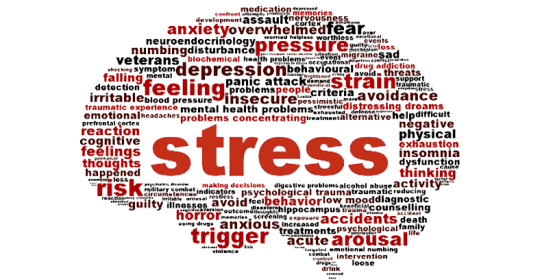
Stress is something that everyone experiences at some point in their lives. Stress is defined as a physical, mental, or emotional strain or tension, and whether it is about taking a final exam for class, going off to college for the first time, or work-related, stress can affect the way we perform. If gone unchecked, stress can lead to a variety of negative consequences on the body, which will be discussed. Stress has been linked to a number of physical and emotional disorders, like depression, anxiety, heart attacks and stroke. A constant high level of stress, can lead to immune system disturbances, which can cause an increase in your body’s susceptibility to infections. Stress can also have direct effects on the skin leading to rashes and hives.

Unlike rashes and hives, which are visible, stress can affect various systems, organs, and tissues within the body, signs that are not seen, and are, therefore, much harder to notice. Some parts of the body affected by stress are the nervous and cardiovascular systems. When stressed, the nervous system signals the body’s adrenal glands to secrete adrenalin and cortisol. Since both of these hormones cause high blood pressure, a person who is under constant stress, also has elevated blood pressure which can lead to heart problems in the future. Even if a stress episode is considered to be minor, repeated minor stress episodes can negatively impact a person’s cardiovascular system by causing inflammations in the coronary arteries. This can eventually cause heart attacks. In order to prevent the negative consequences of untreated high levels of stress, it is important to recognize the symptoms. There are multiple symptoms of stress, some of which include, frequent headaches, cold hands/feet, dry mouth, heartburn, depression, forgetfulness, and rapid or mumbled speech.

If you or someone you know is suffering from stress, please contact our psychotherapy offices in New York or New Jersey to talk to one of our licensed professional psychologists, psychiatrists, psychiatric nurse practitioners, or psychotherapists at Arista Counseling & Psychotherapy. Contact our Paramus, NJ or Manhattan, NY offices respectively, at (201) 368-3700 or (212) 722-1920 to set up an appointment. For more information, please visit http://www.counselingpsychotherapynjny.com/.

Source:

“Stress Effects.” Common Signs and Symptoms of Stress, The American Institute of Stress, 4 Jan. 2017.

Psychiatric Medication: The Stigma of Mental Health Medication

By: Sanjita Ekhelikar

When someone gets a fever, a bacterial infection, or any other physical illness, what do we tell them? “Rest, go to the doctor, and take some medicine.” We strongly encourage them to receive a prescription for and to take medication for their illness. If a sick individual were to not take their medication, we would tell them that they are being irresponsible, and that they are not taking care of themselves. Why do we not say the same when it comes to medication for people struggling with mental illness?

In a time when mental health is becoming increasingly important, society still has a stigma around this, primarily regarding prescription psychiatric medications for it. There is still a lack of understanding about what mental health is and how it impacts people. Some view those with these difficulties as “crazy” and “unstable.” Medications for such conditions are seen in a negative light, and are seen to be only for people who are labelled “crazy” or “unstable.” Since mental illnesses are related to the mind and are invisible to the eye, many in our society cannot believe that these illnesses are serious, and thus consider taking medication for them to be shameful and unnecessary. As a result, thousands of individuals feel ashamed to get the proper help and take medications. They thus must struggle and suffer silently.

In reality, mental health medications can be extremely beneficial, and can change the lives of those who take them. Mental illness can be grueling to live with and can compromise one’s life and wellbeing. Medication helps these individuals to overcome their condition and lead a better life, especially paired with psychotherapy. Antipsychotic and antidepressant drugs have been developed to help these people in need, and we should be encouraging people to take them and take the necessary steps in getting better instead of shaming them.

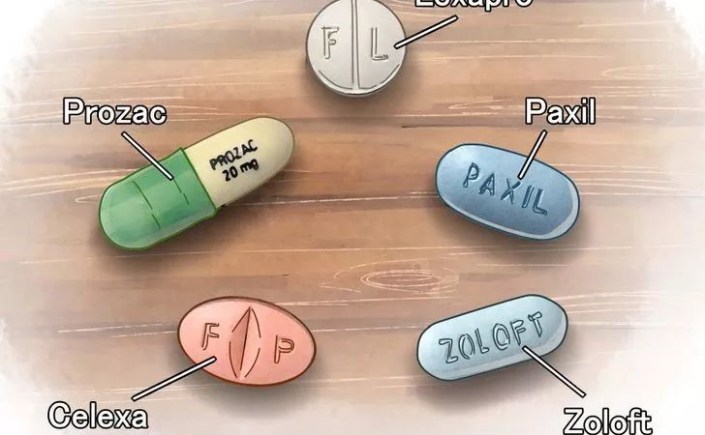
While we have no problem encouraging our loved ones to take Tylenol, Advil, Cough syrup, and many other medications for their physical ailments, we should be just as promoting of them taking Lexapro, Zoloft, Prozac, and other psychological medications. It is time to eliminate stigmas around taking care of our mental health, and encourage and applaud those who have taken the steps towards a better life through using mental health medications.

If you or someone you know is suffering mental illness and would like to consider medication, please contact our psychotherapy offices in New York or New Jersey to talk to one of our licensed professional psychologists, psychiatrists, psychiatric nurse practitioners, or psychotherapists at Arista Counseling & Psychotherapy. Contact our Paramus, NJ or Manhattan, NY offices respectively, at (201) 368-3700 or (212) 722-1920 to set up an appointment. For more information, please visit http://www.counselingpsychotherapynjny.com/.

Schizophrenia

Schizophrenia: Symptoms

By: Cassie Sieradzky

Schizophrenia is a chronic and often debilitating mental disorder. Schizophrenia affects all aspects of functioning and consequently, sufferers may appear to have lost touch with reality. Symptoms of schizophrenia usually begin between ages 16 and 30. The symptoms fall into three categories: positive, negative, and cognitive.

The positive symptoms of schizophrenia consist of behaviors that are not usually seen in individuals without schizophrenia. Individuals displaying positive symptoms appear to lose touch with reality. These may include, hallucinations (hearing voices), delusions (being controlled by aliens), thought disorders (incoherent speech), and movement disorders (agitated body movements) are classified as positive symptoms.

The negative symptoms of schizophrenia are classified as deviations to normal emotions and behaviors. Flat affect, reduced expression of emotions, are commonly seen in individuals with schizophrenia. Someone who displays flat affect may speak in a monotone manner and show little facial expression. Some other examples of negative symptoms include loss of pleasure in activities and reduced speaking or communication.

The cognitive symptoms of schizophrenia include disruptions in executive functioning (the ability to understand information and use it to make decisions), trouble focusing, and deficits with working memory (the ability to use information immediately after learning it).

Antipsychotic medications can be very beneficial in the treatment of schizophrenia. Additionally, psychotherapy is helpful in order to foster coping skills to address the everyday challenges of their diagnosis. Studies show that individuals who participate in psychotherapy are less likely to have relapses or be hospitalized.

If you or a loved one appears to be suffering from schizophrenia, the licensed psychologists, psychiatrists, psychiatric nurse practitioners, and psychotherapists at Arista Counseling & Psychotherapy can assist you. Contact our Paramus, NJ or Manhattan, NY offices respectively, at (201) 368-3700 or (212) 722-1920 to set up an appointment. For more information, visit http://www.counselingpsychotherapynjny.com/


Schizophrenia. (2016, February). Retrieved April 30, 2018, from https://www.nimh.nih.gov/health/topics/schizophrenia/index.shtml


Obsessive-Compulsive Disorder

OCD: SIGNS & SYMPTOMS

By: Cassie Sieradzky

Obsessive-Compulsive Disorder (OCD) is a disorder where the individual has uncontrollable, reoccurring thoughts (obsessions) and behaviors (compulsions) that they feel unable to control. Obsessive-compulsive disorder can affect adults, adolescents, and children. Most people are diagnosed around age 19, typically with an earlier age of onset in boys than in girls. Risk factors for developing OCD include close relatives with this disorder as well as exposure to abuse/trauma in childhood. People diagnosed with OCD may have symptoms of obsessions, compulsions, or both. This can be disruptive to all facets of life, such as work, school, and personal relationships.

Obsessions are repeated thoughts, urges, or mental images that cause anxiety. Examples of obsessions include fear of germs or contamination, unwanted taboo thoughts involving sex/ religion/ harm, aggressive thoughts towards others or self, and a need to have things in a perfect order.

Compulsions are repetitive behaviors that a person with OCD feels the urge to do in response to an obsessive thought, typically to ease the anxiety. Compulsions include excessive cleaning and/or handwashing, arranging things in a very particular way, repeatedly checking on things (checking to see if the door is locked or that the oven is off), and compulsive counting.

OCD is typically treated with medication, psychotherapy or a combination of the two.

If you or a loved one appears to be suffering from obsessive-compulsive disorder, licensed psychologists, psychiatrists, psychiatric nurse practitioners, and psychotherapists at Arista Counseling & Psychotherapy can assist you. Contact our Paramus, NJ or Manhattan, NY offices respectively, at (201) 368-3700 or (212) 722-1920 to set up an appointment. For more information, visit http://www.counselingpsychotherapynjny.com/

Obsessive-Compulsive Disorder. (n.d.). Retrieved April 16, 2018, from https://www.nimh.nih.gov/health/topics/obsessive-compulsive-disorder-ocd/index.shtml

Post-Traumatic Stress Disorder

PTSD

By: Cassie Sieradzky

Post-Traumatic Stress Disorder (PTSD) is classified in the DSM-5 as a trauma and stress related disorder. PTSD is commonly triggered after a traumatic event, such as violent personal assaults, natural or unnatural disasters, accidents, or military combat. PTSD is frequently comorbid with depression, substance abuse, or anxiety disorders. For PTSD to be diagnosed, symptoms must be present for at least 1 month and they must create distress in the individual and impact daily functioning.

First, an individual must be exposed to death, threatened death, actual or threatened serious injury, or actual or threatened sexual violence, in the following way: direct exposure, witnessing the trauma, or learning that a relative or close friend was exposed to a trauma.

One intrusion symptom must also be present. The intrusion symptoms include unwanted upsetting memories, nightmares, flashbacks, emotional distress after exposure to traumatic reminders, and physical reactivity after exposure to traumatic reminders. Avoidance of trauma-related stimuli after the trauma occurred is also a symptom of PTSD. For example, an individual may avoid trauma-related thoughts or feelings or situations that remind them of the trauma. Two symptoms of negative changes in thought are also required for a diagnosis. An individual with PTSD may experience an inability to recall key features of the trauma, overly negative thoughts or assumptions about oneself or the world, exaggerated blame of self or others for causing the trauma, negative affect, decreased interest in activities, and/or feelings of isolation. Lastly, to be diagnosed with post-traumatic stress disorder, the individual must experience alterations in reactions and behaviors, such as irritability/aggression, risky or destructive behavior, hypervigilance, heightened startle reaction, difficulty concentrating, or difficulty sleeping.

If you or a loved one appears to be suffering from post-traumatic stress disorder, the licensed psychologists, psychiatrists, psychiatric nurse practitioners, and psychotherapists at Arista Counseling & Psychotherapy can assist you. Contact our Paramus, NJ or Manhattan, NY offices respectively, at (201) 368-3700 or (212) 722-1920 to set up an appointment. For more information, visit http://www.counselingpsychotherapynjny.com/

DSM-5 Criteria for PTSD. (2018, March 14). Retrieved April 02, 2018, from
https://www.brainline.org/article/dsm-5-criteria-ptsd

Post-Traumatic Stress Disorder. (n.d.). Retrieved April 02, 2018, from https://www.psychologytoday.com/us/conditions/post-traumatic-stress-disorder

GAD: Symptoms and Treatment

Generalized Anxiety Disorder

Written by: Cassie Sieradzky

General Anxiety Disorder is a psychological disorder that is characterized by extreme worry over every day experiences that is hard to control and interferes with daily functioning. The excessive worry happens more days than not for at least 6 months. The disorder often starts in the teen years or young adulthood, but can be seen from childhood throughout adulthood. Individuals with GAD may have trouble concentrating, they struggle to control their worries, feel easily tired, and may be irritable or on edge. These are some commonalities of the disorder, however children and adults diagnosed with GAD do have some differences regarding their worries.

Children with GAD tend to worry excessively about their performance in school or sports and catastrophes like war and hurricanes. Adults with GAD tend to have anxiety over health, finances, job security, being late, and everyday responsibilities. Children and adults may also suffer from physical symptoms like headaches and other unexplained pains. About 2.7% of adults have had GAD in the past year and about 5.7% of all U.S adults will experience GAD at some point in their lives.

GAD can be treated with psychotherapy, medication, or both. Cognitive behavioral therapy is particularly successful in treating GAD. CBT teaches the patient how to think, behave, and react differently in situations that result in anxiety or worried. The goal is to curve the maladaptive thinking patterns associated with the disorder. Medications such as SSRIs and other medications that regulate serotonin help alleviate the symptoms of GAD.

If you or a loved one appears to be suffering from GAD, the licensed psychologists, psychiatrists, psychiatric nurse practitioners, and psychotherapists at Arista Counseling & Psychotherapy can assist you. Contact our Paramus, NJ or Manhattan, NY offices respectively, at (201) 368-3700 or (212) 722-1920 to set up an appointment. For more information, visit http://www.counselingpsychotherapynjny.com/

Sources:

Generalized Anxiety Disorder: When Worry Gets Out of Control. (n.d.). Retrieved January  29, 2018, from https://www.nimh.nih.gov/health/publications/generalized-anxiety-disorder-gad/index.shtml

Generalized Anxiety Disorder. (n.d.). Retrieved January 29, 2018, from https://www.nimh.nih.gov/health/statistics/generalized-anxiety-disorder.shtml