Relationships: How to Maintain Long Distance Relationships

Relationships: How to Maintain Long Distance Relationships

By Colleen Susanto

Long distance relationships aren’t easy. We always want to be with the person we love, stay by their side, and spend time with them. Our emotional and mental well-being are very much important and relationships affect these.  A long distance relationship or LDR requires the proper attention for it to keep blooming. It’s easy to feel hopeless, but being in an LDR can bring out the best in partners.

As we all probably know, communication is the key. Whether in an LDR or not, it’s the backbone of a relationship and it becomes more crucial when miles apart. Set clear expectations on how to communicate with your partner. Another key is honesty. In an LDR, transparency matters even more. Talk about your feelings with your partner and open up about how you feel whether you feel sad, insecure, angry, or happy. Hiding emotions creates unnecessary tension between you and your partner.

Just because you are not next to each other, doesn’t mean you can’t share your world. Small gestures help create a sense of connection. You can talk about your daily experiences or send random pictures to make your partner included. Long distance relationships require patience, communication, and trust, but they can be deeply rewarding. When both partners put in the effort, distance can strengthen the bond rather than break it. Remember that it’s not the miles between you, but it’s the love between the two of you that does.

If you or someone you know is struggling with mental health or relationships, please contact our psychotherapy offices in New York or New Jersey to talk to one of our licensed professional psychologists, psychiatrists, psychiatric nurse practitioners, or psychotherapists at Arista Counseling and Psychotherapy. Contact our Paramus, NJ, or Manhattan, NY offices respectively, at (201)-368-3700 or (212)-722-1920 to set up an appointment. For more information, please visit https://www.counselingpsychotherapynjny.com/

https://wellbeing.jhu.edu/blog/2022/07/22/how-to-have-a-healthy-long-distance-relationship/

https://bumble.com/en/the-buzz/longdistancetips

Self-Love: Learning to Love YourSELF

Self-Love: Learning to Love YourSELF

By: Michelle Cocone

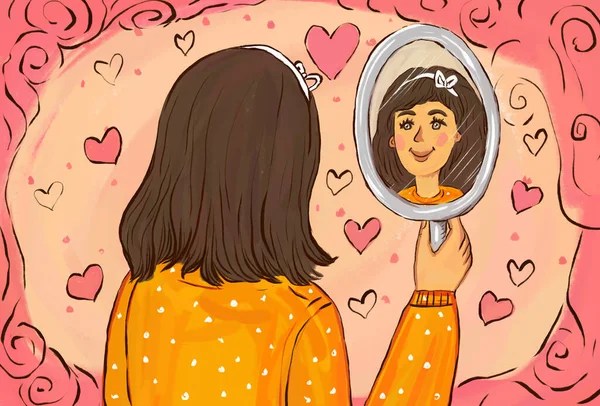
February is known to be the month of love, spreading love to our loved ones. We spend a lot of time trying to share that love that we often forget about ourselves. It’s important to learn how to love yourself. It helps us lead a healthier life and have better mental health. When we don’t love ourselves, it takes a toll on us, possibly leading to depression, anxiety, or an eating disorder. There are many ways to show love to ourselves, here are a couple ways.

Shift Your Perspective

  • Focusing on the bad aspects of ourselves won’t lead to anywhere good
  • Shift your perspective towards a more positive outlook
  • Don’t always see the cons, recognize the pros as well, they need love too

Affirmations

  • Write out a list of what you like + love about yourself
  • Tell yourself that you appreciate all parts of  your body/personality
  • Embrace the beauty of it all
  • Remember your body does plenty of work to keep you going every day
  • Keep telling yourself all these affirmations throughout the low points you may have

Practice Self-Love

  • Focus on the hobbies that you enjoy
  • Pour yourself  into becoming better at your hobbies
  • Be kind to yourself, you only have one body, so take care of it
  • Learn to forgive yourself when you haven’t accomplished everything you hoped for
  • Learn to forgive yourself when you aren’t kind to yourself
  • It’s okay to say “No.” You don’t have to please others all the time.

The most important relationship you can have is with yourself.  You may have heard this saying once or twice but it’s true, “Learn to love yourself first so you can spread love to others.”  Make time to focus and nourish your own self. It doesn’t all get done in one day. As long as you work on yourself a little bit every day that’s all that matters.

If you or someone you know is struggling with self-love, please contact our psychotherapy offices in New York or New Jersey to talk to one of our licensed professional psychologists, psychiatrists, psychiatric nurse practitioners, or psychotherapists at Arista Counseling and Psychotherapy. Contact our Paramus, NJ or Manhattan, NY offices respectively, at (201) – 368-3700 or (212)-722-1920 to set up an appointment. For more information, please visit https://www.counselingpsychotherapynjny.com/

References

Improving every area of your life starts with self-love. Improving Every Area of Your Life Starts with Self-Love | Tony Robbins. (n.d.). https://www.tonyrobbins.com/ultimate-relationship-guide/how-to-fall-in-love-with-yourself?srsltid=AfmBOoq4CvACby5hWenBdEGAH5zBgxAPOtKzEvtobHDRZ6cGfT9MaFtn


Pomlett, M. (2020, December 21). Learn how to self-love. Psychological Health Care. https://www.psychologicalhealthcare.com.au/blog/learn-how-to-self-love/

Relationships & Long Distance: Strategies to Succeed

Relationships & Long Distance: Strategies to Succeed

By Caroline Buchanan

One of the ultimate tests for a romantic relationship is maintaining the relationship despite the distance. As a result, this could lead to distinct challenges and obstacles. While research from 2018 suggests that couples who live farther than an hour apart tend to break up, at least 60% of partnerships still make their long distance relationship succeed. What are these people probably doing to make it work? The best answer seems to be making the distance work for your relationship, and not working around it (Psych Central). There are strategies that can be implemented to help manage and avoid these common roadblocks.

Strategies:

  • Communication

Your communication method may be the key difference in whether your relationship lasts or falls apart. Phone calls or video calls should be used for heartfelt conversations or heavier discussions. Arguments in text based conversations can lead to misinterpreting the intention behind a message. Use texting mainly for casual contact such as “good morning” and “enjoy your day” type messages.           

  • Acknowledging Fear-based behaviors

 Long distance relationships tend to bring out fears: Fear that the other partner doesn’t care anymore or is going to leave you for someone else. While it’s not uncommon to feel these fears, it is important to recognize these negative thinking patterns. If you are open and clear in your communication with your partner, this may help prevent or subside fears. Let your partner clarify situations that may be bothersome to you.

  • Intimacy

 If you both are comfortable in your relationship, you could imitate the physical connection and enjoy pleasure together by trying erotic conversations, video sex, or phone sex. Make sure you are open and honest about your expectations in engaging in these activities.

While it requires intent and effort, maintaining love in a long-distance relationship is possible. Take the time to think about seeking the help of a mental health professional if you’re experiencing challenges or feeling anxiety in your relationship. This would help you develop specific skills to be able to establish secure bonds.

If you or someone you know is struggling in a long distance relationship, please contact our psychotherapy offices in New York or New Jersey to talk to one of our licensed professional psychologists, psychiatrists, psychiatric nurse practitioners, or psychotherapists at Arista Counseling & Psychotherapy. Contact our Paramus, NJ or Manhattan, NY offices respectively, at (201) 368-3700 or (212) 722-1920 to set up an appointment. For more information, please visit http://www.counselingpsychotherapynjny.com/

https://psychcentral.com/lib/how-to-make-long-distance-relationships-work

Relationship Trauma

Relationship Trauma

Amelia Amen

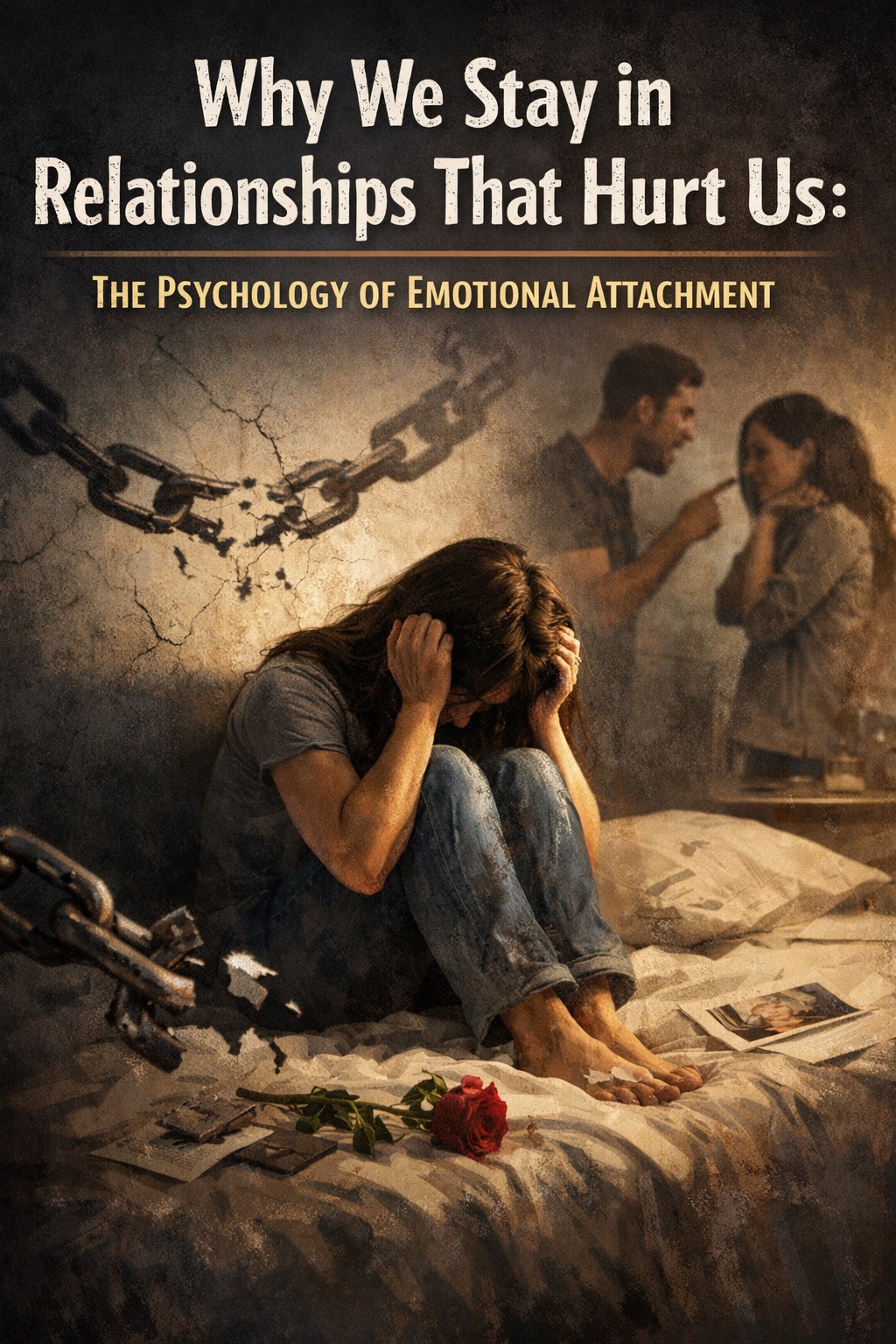
Relationship trauma develops from consistent unhealthy and abusive behaviors that occur between individuals in an intimate relationship. Trauma can arise from physical, emotional, verbal, financial, or sexual abuse. Leaving a toxic relationship may have long-lasting effects on an individual who endured abuse. There are many factors that can cause a development of abuse in relationships. An individual may desire to have control and power over their partner, lack of empathy, causing substance abuse and stress to form. There are many more examples of how relationship abuse may form. A victim of relationship abuse may not recognize that they are traumatized and thus can lead to living with untreated trauma.

 Signs of relationship trauma include:

  • Guilt and shame                                             
  • Trust issues
  • Intrusive/Triggering thoughts
  • Nightmares and flashbacks
  • Difficulty building healthy relationships
  • Isolation from loved ones, interests/hobbies, education, and work

               When the effects of trauma begin to impact an individual’s well-being, seeking professional help is an effective resource to consider. Talking to a therapist about traumatic events that occurred in a relationship is a healthy beginning for the healing process. A safe environment is provided in therapy where building healthy coping mechanisms, trust, developing a support system, managing triggers, and more positive outcomes are prioritized.

If you or someone you know is seeking treatment for relationship or general trauma, please contact our psychotherapy offices in New York or New Jersey to talk to one of our licensed professional psychologists, psychiatrists, psychiatric nurse practitioners, or psychotherapists at Arista Psychotherapy & Psychiatric Services. Contact our Manhattan, NY or Paramus, NJ offices respectively at (201) 368-3700 or (212) 722-1920 to set up an appointment. For more information, please visit https://www.counselingpsychotherapynjny.com

Additional Support: Domestic Violence Hotline 1-800-799-7233 or text START to 88788

Sources: https://www.medicalnewstoday.com/articles/how-to-let-go-of-the-past

The Courage to Love Again-The Psychology of Heartbreak

The risk of loving someone is the fact that heartbreak may come one day. It is associated with singlehood, neurotic tendencies, and an anxious/avoidant attachment. After the heartbreak one starts the fear being hurt again or/and you start to believe that there is something about you that makes it impossible for someone to love you properly.

Romantic love activates in the caudate nucleus through dopamine.  Psychologist refer to this part of the brain as the “reward system”, emphasizing the idea that love does trigger emotion but essentially it is more of a motivational state, the motivation to obtain and retain the objects affection. This part of the brain lights up when someone is in love and when someone is a cocaine addict, meaning you are essentially an addict. Getting over your lost love will be tedious but well worth it. Researchers have found that if a person was no longer in love but still in pain from a break up their brain would still be in motivation mode, and expecting a reward. Hence why heartbreak can bring visceral pain, your body is not getting what it wants. The grieving person has numerous neural circuits devoted to the lost person, and each of these has to be brought up and reconstructed to take into account the person’s absence.

Specifically, the pain may be caused by the simultaneous hormonal triggering of the sympathetic activation system (fight-or-flight system that increases the activity of the heart and lungs) and the parasympathetic activation system (rest-and-digest response, social engagement system). It’s like heart’s accelerator and brakes are pushed simultaneously, creating the feeling of heartbreak.

What can help?

  • Give yourself time to grieve and reflect
  • Forgive the other person and yourself
  • Work on rebuilding good feelings about yourself and a life on your own
  • Avoid assumptions that keep you mired in the wreckage of your past relationship
  • Be aware of old relationship patterns
  • Be open to someone who is different
  • Give love time to grow

If you or someone you know is seeking therapy due to heartbreak, please contact our psychotherapy offices in New York or New Jersey to talk to one of our licensed professional psychologists, psychiatrists, psychiatric nurse practitioners, or psychotherapists at Arista Counseling & Psychotherapy. Contact our Paramus, NJ or Manhattan, NY offices respectively, at (201) 368-3700 or (212) 722-1920 to set up an appointment. For more information, please visit http://www.counselingpsychotherapynjny.com/

https://greatergood.berkeley.edu/article/item/this_is_your_brain_on_heartbreak

https://www.psychologytoday.com/us/blog/complicated-love/202011/love-after-heartbreak

https://www.psychologytoday.com/us/blog/complicated-love/202011/love-after-heartbreak