Hypochondria during the COVID-19 Pandemic

Hypochondria during the COVID-19 Pandemic

By: Jaylyn Senise

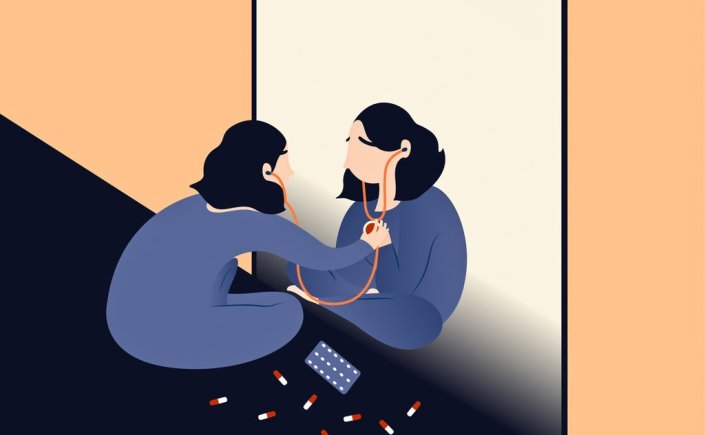
Hypochondria, or the anxiety surrounding one’s health, is characterized by the fear of contracting a disease or illness. This anxiety is more common than one would expect, especially within these current times of COVID-19 where it has been heightened. Prior to the COVID-19 outbreak, according to MedicalNewsToday, approximately 4-6% of the world population deals with clinically significant hypochondria. Today, some people may begin to feel anxious given the highly contagious nature of the disease in addition to the lack of information regarding the future of the disease. Oftentimes, this may lead to physical symptoms that emerge due to the stress associated with being exposed to someone sick or contracting a disease.  With the coronavirus pandemic, hypochondria may be intensified because some of the most common symptoms such as coughing and sore throat are common and may be due to other more common colds other than COVID-19.

Some signs of hypochondria include worrying that you have serious illnesses given minor symptoms, being easily panicked regarding their health status, being preoccupied by one’s wellbeing, and avoiding people and activities in fear of risk. Proper treatment for hypochondria includes behavioral stress management programs, Cognitive Behavioral Therapy, and visiting specialists for anxiety. The usage of antidepressants, for example Prozac and Luvox, and antianxiety medications are advised to control the effects of hypochondria.

If you or someone you know is experiencing hypochondria, please contact our psychotherapy offices in New York or New Jersey to talk to one of our licensed professional psychologists, psychiatrists, psychiatric nurse practitioners, or psychotherapists at Arista Counseling & Psychotherapy. Contact our Paramus, NJ or Manhattan, NY offices respectively, at (201) 368-3700 or (212) 722-1920 to set up an appointment. For more information, please visit http://www.counselingpsychotherapynjny.com/

Sources

https://www.medicalnewstoday.com/articles/hypochondria-and-covid-19

https://www.webmd.com/anxiety-panic/features/worried-sick-help-for-hypochondria

https://www.nytimes.com/ 2018/06/18/well/a-new-approach-to-treating-hypochondria.html

Image Source

https://www.google.com/url?sa=i&url=https%3A%2F%2Fwww.nytimes.com%2F2018%2F06%2F18%2Fwell%2Fa-new-approach-to-treating-hypochondria.html&psig=AOvVaw0M9bcHwiRGDUvI2RSlNcmG&ust=1625755773112000&source=images&cd=vfe&ved=0CAoQjRxqFwoTCIC39a6a0fECFQAAAAAdAAAAABAK

Hypochondria: Somatic Symptom Disorder

Alice Cordero

A condition once called Hypochondria now falls under the name Somatic Symptom Disorder. Somatic Symptom Disorder is characterized as extreme focus on physical symptoms. When one places extreme focus on physical symptoms – such as fatigue and pain- the individual usually experiences emotional distress and problems functioning in their daily lives.

Those diagnosed with somatic symptom or hypochondriasis disorder often consider the worst case scenarios about their symptoms, which often leads the individual to frequently seek medical care. The individual’s health concerns become such a crucial focus in their life that they in fact become disabled.

Symptoms of somatic symptom disorder may include:

  • Sensations in a specific area ( whether that be shortness of breath or pain) or more general sensations, like weakness and fatigue
  • Excessive thoughts, feelings, behaviors and worrying
  • Checking the body repeatedly for any sort of abnormalities

When one is diagnosed with somatic symptom disorder it is important to keep a positive outlook, because stress and negativity pave the way for the development of symptoms. Those with a history of substance abuse and high levels of sensitivity to pain are commonly seen with this condition.  Anxiety, depression, and OCD are conditions that are often diagnosed as accompanying somatic symptom disorder.

For somatic symptom disorder treatment normally involves cognitive behavioral therapy, mindfulness- based therapy, and medication such as antidepressants. With the proper treatment research has revealed that recovery is possible using the proper strategies to eliminate as much pain as possible.

If you or a loved one appears to be suffering from Somatic Symptom Disorder (Hypochondriasis), the licensed psychologists, psychiatrists, psychiatric nurse practitioners, and psychotherapists at Arista Counseling & Psychotherapy can assist you. Contact our Paramus, NJ or Manhattan, NY offices respectively, at (201) 368-3700 or (212) 722-1920 to set up an appointment. For more information, visit us at http://www.counselingpsychotherapynjny.com/