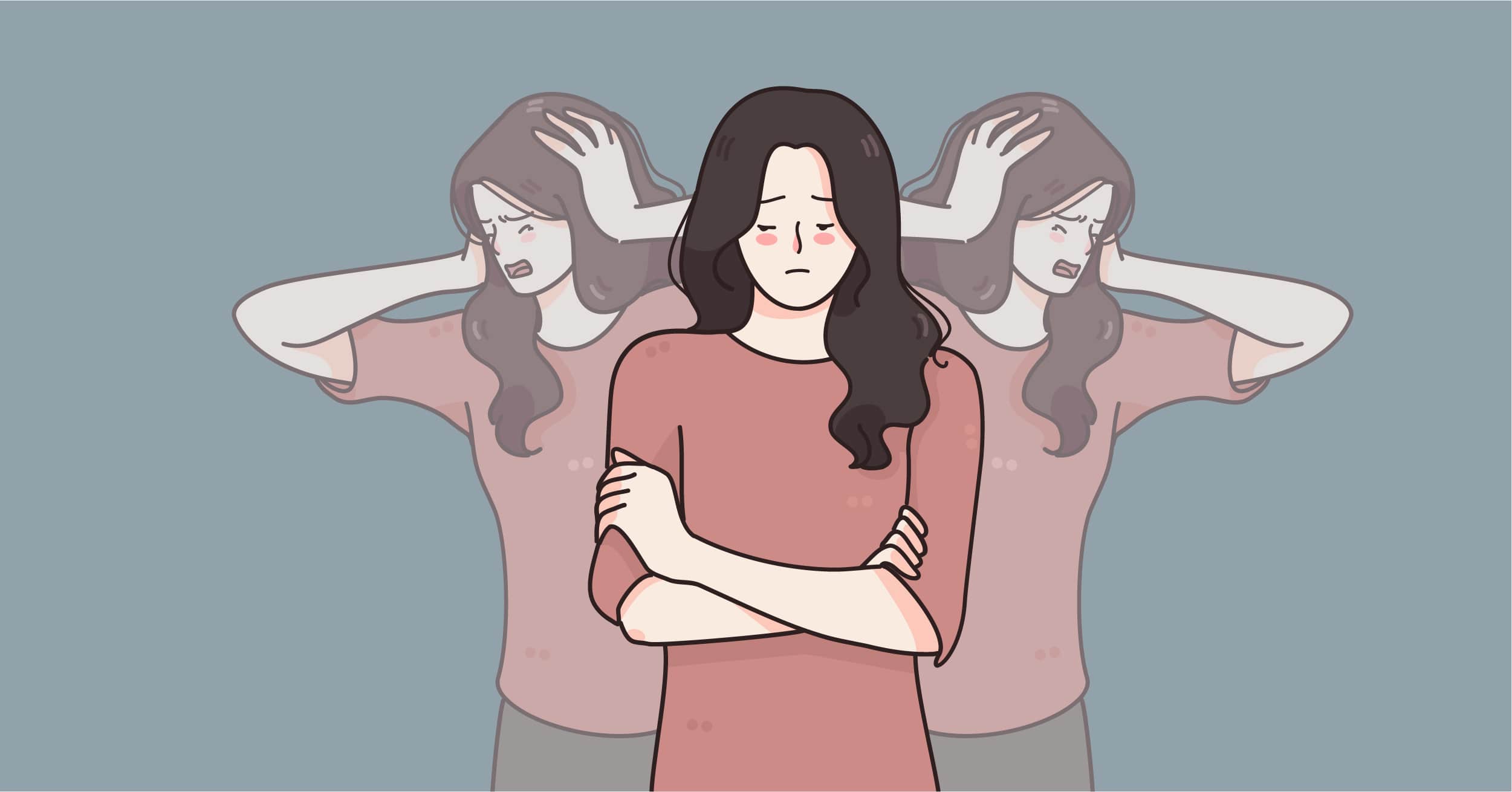
Mindfulness: Living in the Present

Mindfulness: Living in the Present

By: Maria Koutsothanasis

Oftentimes it is easy to feel disconnected or distracted by living in the present. With work, school, or other obligations, it is easy to lose sight of the present time. Dwelling on the past or worrying about the future causes increased feelings of stress and depression. Mindfulness can help refocus on the present events to create a calmer and more focused life.

What is mindfulness?

Mindfulness is the practice of being fully focused on the present moment. By observing your thoughts and emotions, and removing judgment, mindfulness allows you to stay present and create a deeper connection and understanding of yourself.

Mindfulness decreases stress and promotes overall emotional well-being and balance.

  1. Reduces stress and anxiety:

    Mindfulness calms the mind and body by shifting attention away from thoughts that increase stress. Mindfulness interventions such as meditation can lower cortisol levels (a stress hormone) and help people manage anxiety better.

    2. Boosts mental health:

      Mindfulness reduces symptoms of depression, anxiety, and PTSD. It promotes a greater sense of resilience and breaks a cycle of negativity. Through mindfulness, you can manage stress and have control over your mental well-being.

      3. Improves physical health:

      Mindfulness is not only good for the mind but also the body. Regular mindfulness practices have been linked to lower blood pressure, improved sleep, and an overall stronger immune system.

      How to Practice Mindfulness

      1. Mindful Breathing:

          Spending a few minutes a day focusing on your breath calms your mind and helps reduce mental clutter. If you begin to feel anxious, focusing on breathing can reduce these feelings.

          2. Engage in Gratitude:

          Reflecting on things in your life that you are grateful for is a way to shift the perspective of your life in a positive way.

          3. Being present:

          Training your mind to stay present on the tasks that you currently engage in is a way to increase focus, reduce stress, and improve overall satisfaction in life.

          Mindfulness does not require major life changes. It is about being fully present in the moments that make up your day. Incorporating these small changes in your life can lead to reduced stress, improved emotional resilience, and a deeper sense of fulfillment. The small shifts can transform how you experience the world around you and how you feel internally.

          If you or someone you know is struggling with anxiety, depression, PTSD, or other mental health issues, please contact our psychotherapy offices in New York or New Jersey to talk to one of our licensed professional psychologists, psychiatrists, psychiatric nurse practitioners, or psychotherapists at Arista Counseling & Psychiatric Services. Contact our Paramus, NJ or Manhattan, NY offices respectively, at (201) 368-3700 or (212) 722-1920 to set up an appointment. For more information, please visit http://www.counselingpsychotherapynjny.com/

          U.S. Department of Health and Human Services. (2024, June 18). Mindfulness for your health. National Institutes of Health. https://newsinhealth.nih.gov/2021/06/mindfulness-your-health

          Matthews, K. (2023, June 29). Health benefits of mindfulness: 1stCallHEALTH: Primary care providers. 1stCallHEALTH. https://1stcallhealth.com/health-benefits-of-mindfulness/


          Pink Cocaine: What to Know

          Pink Cocaine: What to Know

          By Madison Gesualdo

          There have been a lot of unfortunate headlines in the news recently, with two of the most prominent being the P. Diddy case and the recent death of One Direction star Liam Payne. Both of these unfortunate developments have a common denominator: they involve the presence of a designer drug commonly referred to as “pink cocaine.”

          Pink cocaine, better known to certain users by its street name of tusi, very rarely contains actual cocaine. It is a synthetic substance that can contain a wide variety of drugs including methamphetamine, methylenedioxymethamphetamine (MDMA), opioids, and occasionally cocaine. The one drug that typically is consistently included in pink cocaine is ketamine. The mixture is usually dyed pink using dye or food coloring, yielding its pink color and name. All of the drugs in the mixture are, essentially, crushed up to form a concoction that users can snort. The ratios of the different drugs in pink cocaine can be adjusted on a user-by-user basis so that the drug is ultimately tailored to fit the desires of each individual user. Therefore, there is no universal formula for the making of pink cocaine.

          With the many different formulas of pink cocaine come the many variations in the effects it can have on users. Depending on how much of a certain drug is present in pink cocaine, users of this drug can experience the following potential symptoms:

          • Confusion
          • Hallucinations/delusions
          • Nausea
          • Agitation
          • High blood pressure
          • Shallow breathing
          • Changes in breathing pattern
          • Low body temperature
          • Seizures
          • Changes in sleep patterns
          • Changes in personality
          • Issues with memory/attention
          • Depression and anxiety

          Although this is a fairly new designer drug, it is still contains several highly addictive and dangerous substances. If you or a loved one is suffering from substance use or abuse, it is important to get necessary help to prevent future use of drugs like this and the lasting effects that drug use can have.

          If you or someone you know is struggling with substance abuse, addiction, or other mental health issues, please contact our psychotherapy offices in New York or New Jersey to talk to one of our licensed professional psychologists, psychiatrists, psychiatric nurse practitioners, or psychotherapists at Arista Counseling & Psychiatric Services. Contact our Paramus, NJ or Manhattan, NY offices respectively, at (201) 368-3700 or (212) 722-1920 to set up an appointment. For more information, please visit http://www.counselingpsychotherapynjny.com/

          Glasner, S. (2024, October 30). Pink cocaine is hitting headlines and clubs. Psychology Today. https://www.psychologytoday.com/us/blog/navigating-addiction-recovery/202410/pink-cocaine-is-hitting-headlines-and-clubs

          Juarez, L. (2024, October 22). What is ‘pink cocaine’? Designer drug linked to Liam Payne and named in Diddy lawsuit. ABC7News. https://abc7news.com/post/what-is-pink-cocaine-designer-drug-linked-liam-payne-sean-diddy-combs/15451752/ Wiginton, K. & Begum, J. (2024, May 22). What is pink cocaine? WebMD. https://www.webmd.com/mental-health/addiction/what-is-pink-cocaine

          Depression: What is dysthymia?

          Depression: What is dysthymia?

          By: Josette DeFranco

          Dysthymia is mild but has more long-lasting symptoms than major depression. Dysthymia is also known as persistent depression disorder because it is continuous and long-term. There is no exact cause of dysthymia but biological differences, brain chemistry, life events, and inherited traits can play a role. It has been demonstrated that those with depression don’t have any family history of this disorder and those with a family history of depression don’t struggle with this disorder.

          Some noticeable symptoms of dysthymia:

          • Loss of enjoyment of regular activities
          • Sadness or depressed mood
          • Lack of motivation
          • Tiredness
          • Sleep problems
          • Problems with decision-making or concentration
          • Restlessness and impatient
          • Low self-esteem
          • Overeating or eating very little
          • Suicidal thoughts
          • Substance misuse
          • Relationship difficulties
          • School or work hardships

          Some ways to help prevent dysthymia:

          • Reach out to friends and family
          • Seek medical professional help
          • Work on reducing stress
          • Be patient
          • Be kind to yourself
          • Practice self-care
          • Don’t self-medicate

          If you or someone you know is struggling with their mental health, please contact our psychotherapy offices in New York or New Jersey to talk to one of our licensed professional psychologists, psychiatrists, psychiatric nurse practitioners, or psychotherapists at Arista Counseling & Psychotherapy. Contact our Paramus, NJ, or Manhattan, NY offices at (201) 368-3700 or (212) 722-1920 to schedule an appointment. For more information, please visit https://aristapsychiatrypsychotherapy.com/

          Resources:

          https://www.webmd.com/depression/chronic-depression-dysthymia

          https://www.mayoclinic.org/diseases-conditions/persistent-depressive-disorder/symptoms-causes/syc-20350929

          The Importance of Mental Health: School Systems

          By: Nicole Cutaia

          The Importance of Mental Health: School Systems

          The lives of children and teenagers may appear stress-free, but unfortunately, this is not the case for all children and teenagers. Anxiety and depression among young adults is more common than society believes it to be. Children and teenagers do have their own stress factors in their lives such as school work, their appearances, relationships or friendships, and or extra curricular activities.

          Some children and teenagers may come from a household where mental health is overlooked and not openly discussed. That is why it is extremely important that school systems and districts prioritize mental health and related services. Making sure every student within a school is heard and feels as though they belong is extremely vital in creating a safe space.

          Other than school counselors, school systems and districts can participate in providing students with school-wide presentations that review mental health. These presentations should incorporate guest speakers as well.

          Mental health should be mandatory in health classes. The depth of the curriculum and structure of the material will be dependent on the age and academic level of the students. Children and teenagers should be exposed to information that is appropriate for their age.

          Various children and teenagers view their school as a safe place. It is crucial that we make it known to students that their feelings and emotions are normal and valid.

           If you or someone you know is experiencing mental health difficulties, please contact our psychotherapy offices in New Jersey to talk to one of our licensed professional psychologists, psychiatrists, psychiatric nurse practitioners, or psychotherapists at Arista Counseling & Psychotherapy. Contact our offices at (201) 368-3700 or (212) 722-1920 to set up an appointment. For more information, please visit http://www.counselingpsychotherapynjny.com/

          Postoperative Cognitive Dysfunction

          Postoperative Cognitive Dysfunction

          By Madison Gesualdo

          Postoperative cognitive dysfunction (POCD) refers to a decline in neurocognitive function from a patient’s baseline functioning that occurs in individuals who undergo surgical processes and are put under anesthesia. Postoperative cognitive dysfunction complicates a patient’s central nervous system, delaying their neurocognitive recovery process as a whole. Individuals who endure POCD typically experience issues with their attention span, memory, learning, perception, executive functioning, and motor skills. POCD is not to be confused with postoperative delirium; while postoperative delirium is an acute state of neurocognitive functioning lasting approximately 1-3 days post-surgery, POCD typically persists longer, lasting weeks, months, or in some cases, years.

          While POCD is not yet a formal psychiatric diagnosis, it is characterized by the DSM-5 as a mild neurological disorder, falling under the cognitive impairment classification. POCD occurs in roughly 10-54% of patients within the first few weeks of surgery.

          A variety of risk factors for POCD have been identified, including advanced age, severity of the surgery being performed, type and amount of anesthesia being used, electrolyte imbalance, and pre-existing conditions (such as dementia and diabetes). These factors are examples of factors that would put a patient at higher risk for suffering from POCD after his or her surgery.

          Although no specific treatment exists for postoperative cognitive dysfunction, different treatment methods have proven to reduce the effects of the condition. These methods include, but are not limited to:

          • Anti-inflammatory drugs
          • Biologically active substances
          • Surgical techniques and anesthesia best suited to fit the specific patient being operated on
          • Improving a person’s cognitive functioning prior to surgery

          If you or someone you know is struggling with mental health issues, please contact our psychotherapy offices in New York or New Jersey to talk to one of our licensed professional psychologists, psychiatrists, psychiatric nurse practitioners, or psychotherapists at Arista Counseling & Psychiatric Services. Contact our Paramus, NJ or Manhattan, NY offices respectively, at (201) 368-3700 or (212) 722-1920 to set up an appointment. For more information, please visit http://www.counselingpsychotherapynjny.com/

          References:

          Brodier, E. A., & Cibelli, M. (2021). Postoperative cognitive dysfunction in clinical practice. BJA Education, 21(2), 75–82. https://doi.org/10.1016/j.bjae.2020.10.004

          Spriano, P. (2024, September 9). What do we know about postoperative cognitive dysfunction? Medscape Medical News. https://www.medscape.com/viewarticle/what-do-we-know-about-postoperative-cognitive-dysfunction-2024a1000g9b?ecd=WNL_trdalrt_pos1_240909_etid6816496&uac=445328CY&impID=6816496

          Zhao, Q., Wan, H., Pan, H., & Xu, Y. (2024). Postoperative cognitive dysfunction-current research progress. Frontiers in Behavioral Neuroscience, 18, 1328790. https://doi.org/10.3389/fnbeh.2024.1328790

          Mental Health Services: The Significance of Geography

          By: Nicole Cutaia

          Mental Health Services: The Significance of Geography

                      While numerous mental health services are available today, the abundance and equality of services and resources depend on the location. Some individuals reside in rural landscapes where the nearest healthcare professional, psychiatrist, psychologist, or clinical social worker can be miles and miles away. This can become an issue for individuals who need mental health treatment and assessment in a physical setting. Although telehealth is an alternative option for face-to-face appointments, many may not gravitate toward the technology option.

                      Depending on the diagnosis, receiving face-to-face treatment and therapy can be the most beneficial to managing the diagnosis. Unfortunately, due to the distance, some individuals would rather decide to not treat their mental illness and continue to live with it. If something is so far out of the way, it may feel like a chore or burden for individuals to attend to instead of viewing it as a resource to benefit their mental stability and mental balance.

                      Also, the stigma and awareness about mental health depend on where someone lives. Based on the area, the education focused on mental health can be very limited or ample. Therefore, if an individual happens to reside in an area with little to no education toward mental health, the treatment and the services may not normalized and accepted. This unfortunately may then lead to individuals not receiving the assistance they need.

           If you or someone you know is having mental health difficulties and/ or experiencing symptoms of any form of inner conflicts, please contact our psychotherapy offices in New Jersey to talk to one of our licensed professional psychologists, psychiatrists, psychiatric nurse practitioners, or psychotherapists at Arista Counseling & Psychotherapy. Contact our offices at (201) 368-3700 or (212) 722-1920 to set up an appointment. For more information, please visit http://www.counselingpsychotherapynjny.com/

          Depression: Do Genetics Play a Role in Depression

          Depression: Do Genetics Play a Role in Depression

          By: Josette DeFranco

          Major depressive disorder is a condition that affects many individuals. Major depressive disorder can range from being clinically mild and short-lasting to recurring over and over again, to being highly chronic and treatment-resistant. Depression is known to run in families indicating that there are genetic factors. It can be a combination of life experiences and environment. Genetics plays a mild role in depression. Also, families with certain genetic patterns lived eight years shorter than average. As depression may range from transient to debilitating it is expected that many different sets of genetic alterations are involved. Some genes are associated with weight and body, neuron development, and brain inflammation and another group is associated with proteins that tell the immune system which cells are friendly and which are not. This means that our genetics can not only influence our physical characteristics but also how our brain functions and our immune system interacts and identifies with different cells in the body. Your environment can modify the genetic factors that play a role in depression.

          If you are concerned about a strong history of depression in the family and are scared about it affecting you or your future children a study suggests that even with a high tendency for depression, psychotherapy or behavioral activation therapy can reduce it. Individuals need to understand the life-changing impact their environment can have on their mental health. Our emotions are generated by our thinking which may serve as an influence on our behaviors. You may have had genetic roots of depression, a difficult upbringing, or a terrible tragedy that has currently occurred but if you change your thinking then your emotions will change as well.

          If you or someone you know is struggling with their mental health, please contact our psychotherapy offices in New York or New Jersey to talk to one of our licensed professional psychologists, psychiatrists, psychiatric nurse practitioners, or psychotherapists at Arista Counseling & Psychotherapy. Contact our Paramus, NJ or Manhattan, NY offices respectively, at (201) 368-3700 or (212) 722-1920 to set up an appointment. For more information, please visit https://aristapsychiatrypsychotherapy.com/

          Sources:

          https://www.psychologytoday.com/us/blog/the-athletes-way/201603/depression-new-research-shows-genetics-are-not-destiny

          https://www.psychologytoday.com/us/blog/psychiatry-the-people/201804/massive-study-clarifies-genetic-risks-major-depression

          https://www.psychologytoday.com/us/blog/the-three-minute-therapist/202007/overcoming-genetically-based-depression

          Sleep Deprivation Psychosis

          Sleep Deprivation Psychosis

          By Madison Gesualdo

          Remember that episode of Law and Order: Special Victims Unit where Sarah Hyland gave us an Oscar-worthy performance as a genius prep school student, Jennifer Banks, who attacked her roommate because of their academic rivalry? During the trial, the defense was able to prove diminished capacity on Jennifer’s behalf, meaning that Jennifer’s impaired mental state at the time of the crime prevented her from fully controlling her violent actions. Jennifer, who had been taking a form of modafinil that allowed her to stay awake for six consecutive days before she committed her crime, was suffering from sleep deprivation psychosis. Because the defense was able to prove this, she was able to plead guilty to her crime on a lesser charge and was only sentenced to seven years in prison at the conclusion of the episode.

          Let’s talk about sleep deprivation psychosis from a clinical standpoint. On the show, it is mentioned that being awake for 17 hours is similar to having a blood-alcohol content (BAC) of 0.05% – that’s legally impaired in the state of Utah, even though the federal limit is 0.08%. The National Institute for Occupational Safety and Health corroborates this finding, adding that being awake for 24 hours is the equivalent of having a BAC of 0.10%. Now, imagine Jennifer’s psychological state after being awake for 144 hours without a minute of sleep, running off of a stimulant drug designed to block dopamine receptors and consequently increase the body’s overall levels of dopamine. It’s no wonder that her memory of the encounter with her roommate was hazy at best.

          According to a 2018 study published in Frontiers in Psychiatry, sleep-loss developments such as hallucinations and perceptual distortions can occur in individuals with no history whatsoever of psychiatric issues. This study essentially found that the more time a person spends awake, the more he or she will progress towards a state of psychosis. Symptoms such as anxiety, disorientation, and depersonalization began after 24 – 48 hours without sleep, evolving into disordered thinking and complex hallucinations after 48 – 90 hours without sleep. Once a person reached the 72 hour-mark without sleep, the study claimed, his or her psychological state resembled that of toxic delirium or acute psychosis.

          If an individual is experiencing insomnia, anxiety, depression, or any other conditions that can lead to a deficiency in proper sleep, he or she should seek help immediately. A wide variety of intervention methods and medications are available to help gradually regulate an individual’s sleep-wake cycle and prevent cognitive impairment resulting from sleep deprivation. Make sure to speak with a mental health professional to see what options are available to you.

          If you or someone you know is struggling with sleep, anxiety, or mental health, please contact our psychotherapy offices in New York or New Jersey to talk to one of our licensed professional psychologists, psychiatrists, psychiatric nurse practitioners, or psychotherapists at Arista Counseling & Psychotherapy. Contact our Paramus, NJ or Manhattan, NY offices respectively, at (201) 368-3700 or (212) 722-1920 to set up an appointment. For more information, please visit https://aristapsychiatrypsychotherapy.com/

          References:

          Davis, C. (Writer). (2009). Hothouse (Season 10, Episode 12). [TV series episode]. In D. Wolf (Executive producer), Law & order: Special victims unit. Hulu. https://hulu.com

          National Institute for Occupational Safety and Health (2020, March 31). Impairments due to sleep deprivation are similar to impairments due to alcohol intoxication. U.S. Centers for Disease Control and Prevention. https://www.cdc.gov/niosh/work-hour-training-for-nurses/longhours/mod3/08.html#print

          Waters, F., Chiu, V., Atkinson, A., & Blom, J.D. (2018). Severe sleep deprivation causes hallucinations and a gradual progression toward psychosis with increasing time awake. Frontiers in Psychiatry, 9, 303. https://doi.org/10.3389/fpsyt.2018.00303

          Depression: Let’s Talk About It

          By: Nicole Cutaia

          Depression: Let’s Talk About It

          Depression is often times stereotyped through societal misconceptions and labels that portray individuals experiencing the condition as weak or even attention-seeking. But it is important to normalize depression, Having depression does not mean one is weak, a failure, or lazy, it simply means one needs mental health assistance. The stigma against mental health is a reason to why people battling with mental disorders such as depression, do not reach out for therapy or treatment.

          Normalizing depression also allows individuals to become exposed to and educated on the mental disorder. Some people are genuinely not aware of what specific mental illnesses or disorders are so having an open discussion is very important.

          Common symptoms of depression are constantly experiencing sadness or feeling the need to cry, feeling remorseful; life beginning to seem meaningless, having a negative attitude, decreasing activities you used to enjoy, changes in sleep, and experiencing irritability.

          Life can get very busy and overwhelming; putting your mental health first is a priority. If you or any loved ones you know are experiencing symptoms of depression, it is vital to talk to someone.

          If you or someone you know is having mental health difficulties and/ or experiencing symptoms of depression, please contact our psychotherapy offices in New Jersey to talk to one of our licensed professional psychologists, psychiatrists, psychiatric nurse practitioners, or psychotherapists at Arista Counseling & Psychotherapy. Contact our offices at (201) 368-3700 or (212) 722-1920 to set up an appointment. For more information, please visit http://www.counselingpsychotherapynjny.com/

          Stress: Does Job Stress Contribute to Mental Illness

          Stress: Does Job Stress Contribute to Mental Illness

          By Josette DeFranco

          Work stress is not often addressed. We tend to take on many tasks, leading to feeling overwhelmed physically and mentally. For some, work is a routine and many find working under stress helps them concentrate. On the other hand, some people don’t work as much and try to maintain a slower pace. In either circumstance, work can cause severe stress. Stress in the workplace can lead to decreased productivity and burnout. It is important to note how our body feels so we can find signs earlier that our mental and physical health needs a break.

          Some negative effects of stress in the workplace manifest in various ways such as a lack of motivation, reduced job satisfaction, physical and mental health problems, and interpersonal conflicts. If you notice you are feeling more fatigue, irritability, or apathy it may be best to give yourself a break. Job stress can lead to some mental illnesses like depression and anxiety. Stress prepares your body for a defensive action, like an alarm for the brain. It impacts your nervous system releasing hormones that help sharpen your senses and tense your muscles. You may have heard of something called the “flight or fight response.” This is important because it helps you defend against situations your body finds threatening. If stressful situations go without being addressed it will keep your body in a state of activation. Some ways to help alleviate job stress are to ensure that the workload is in line with workers’ capabilities and resources, allow yourself to take a break, create boundaries, provide opportunities for social interactions among workers, and establish work schedules that accommodate your responsibilities outside the job.

          If you or someone you know is struggling with their mental health, please contact our psychotherapy offices in New York or New Jersey to talk to one of our licensed professional psychologists, psychiatrists, psychiatric nurse practitioners, or psychotherapists at Arista Counseling & Psychotherapy. Contact our Paramus, NJ or Manhattan, NY offices respectively, at (201) 368-3700 or (212) 722-1920 to set up an appointment. For more information, please visit https://aristapsychiatrypsychotherapy.com/

          Resources:

          https://business.talkspace.com/articles/the-negative-effects-of-stress-in-the-workplace#:~:text=The%20effects%20of%20work%20stress,%2C%20interpersonal%20conflicts%2C%20and%20more.

          https://www.cdc.gov/niosh/docs/99-101/default.html#Job%20Stress%20and%20Health