Fear of Vomit (Emetophobia)
Olivia Loiacono
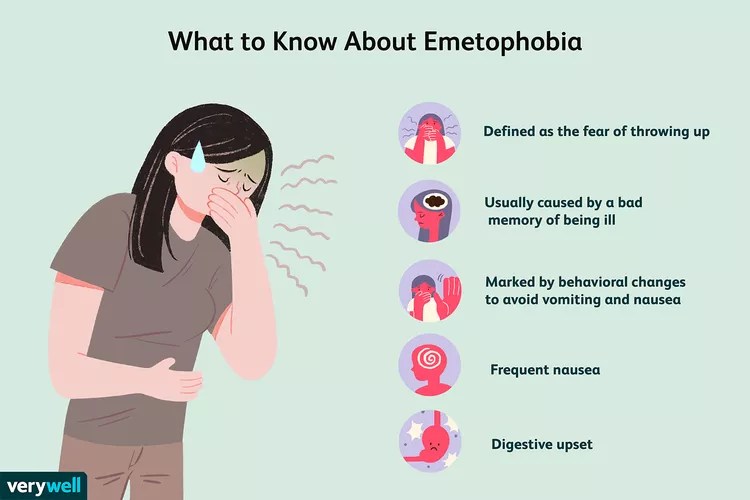
Emetophobia or the fear of vomit is a mental health disorder that is not talked about often. Globally, around 10%, of people struggle with this disorder and it tends to go undiagnosed simply because it really is not studied often. It is significantly more common in women, with a percentage of 7%.
Some symptoms that you may notice are:
- Excessive anxiety and panic attacks when exposed to triggers (e.g., witnessing vomit, smelling vomit, thinking about vomiting)
- Avoidance of situations or foods that may induce vomiting
- Obsessive hand washing and cleaning
- Extreme caution with food safety and hygiene
- Physical symptoms such as nausea, sweating, and increased heart rate.
With that being said, Emetophobia, most of the time has underlying mental health disorders such as ADHD, anxiety, or OCD. There is no specific cause for Emetophobia other than some tests have shown that Early childhood experiences with vomiting, witnessing traumatic events involving vomit, genetic predisposition, and underlying anxiety disorders. Researchers also say, that since the patient does not have control over the symptoms such as nausea or vomiting, it makes them feel out of control which ultimately ends in a spiral.
Some treatment options for Emetophobia typically involve:
- Cognitive-behavioral therapy (CBT): To challenge negative thoughts and develop coping strategies
- Exposure therapy: Gradually exposing the individual to triggers in a controlled setting
- Medication: In some cases, medications such as antidepressants or anti-anxiety drugs may be prescribed
If you or someone you know is struggling with Emetophobia, please contact our psychotherapy offices in New York or New Jersey to talk to one of our licensed professional psychologists, psychiatrists, psychiatric nurse practitioners, or psychotherapists at Arista Counseling and Psychotherapy. Contact our Paramus, NJ, or Manhattan, NY offices respectively, at (201) – 368-3700 or (212)-722-1920 to set up an appointment. For more information, please visit https://www.counselingpsychotherapynjny.com/
References:
https://my.clevelandclinic.org/health/diseases/25115-emetophobia-fear-of-vomiting



 CounselingRx