Depression During The Holidays

Depression during the Holidays

By: Diane Ulloa

Social isolation is one of the biggest predictors of depression and social media has made it so you can watch all your friends and family celebrate from thousands of miles away. According to the American Psychological Association around 38% of people surveyed said their stress unfortunately increased during the holiday season which can lead to physical illness, depression, anxiety, and substance misuse. It is very common to experience depression or anxiety during the holiday season due to the loss of a family member. Stress also accompanies buying gifts, alongside with social anxiety that comes with extended family reunions. People battling with anxiety or depression can feel overwhelmed when they are met with the unrealistic expectations of the holiday season and with financial burdens that may come during this time.

To combat these obstacles, which get in the way of family fun, one can set realistic expectations of the holiday parties, and realistic expectations of one’s own self. You can do this by taking these steps:

  1. Pace yourself: Do not take on more responsibilities than you can handle and this can also be for food and drinking.
  2. Live and enjoy the present: don’t set yourself up for disappointment by comparing the good ol’ days of the past with the present.
  3. Try to find holiday activities that won’t strain your pockets: going on a drive to look at the beautiful lights in a nearby neighborhood, window shopping, and watching good holiday movies.
  4. Make time for yourself, and make time to take your mental health into account. Surrounding yourself with caring people that can understand your daily battles can be very beneficial.
  5. Be careful not to overspend: overspending can lead to depression or anxiety later on down the road.
  6. If you are lonely, try volunteering time to help others, this could be volunteering at your local place of worship or perhaps at a homeless shelter.

If you or someone you know is struggling with their mental health, or has seasonal depression please contact our psychotherapy offices in New York or New Jersey to talk to one of our licensed professional psychologists, psychiatrists, psychiatric nurse practitioners, or psychotherapists at Arista Counseling & Psychotherapy. Contact our Paramus, NJ or Manhattan, NY offices respectively, at (201) 368-3700 or (212) 722-1920 to set up an appointment. For more information, please visit http://www.counselingpsychotherapynjny.com/

Sources: https://www.webmd.com/depression/holiday-depression-stress

Stress: How your financial situation could be affecting your life

Stress: How your financial situation could be affecting your life

By: Diane Ulloa
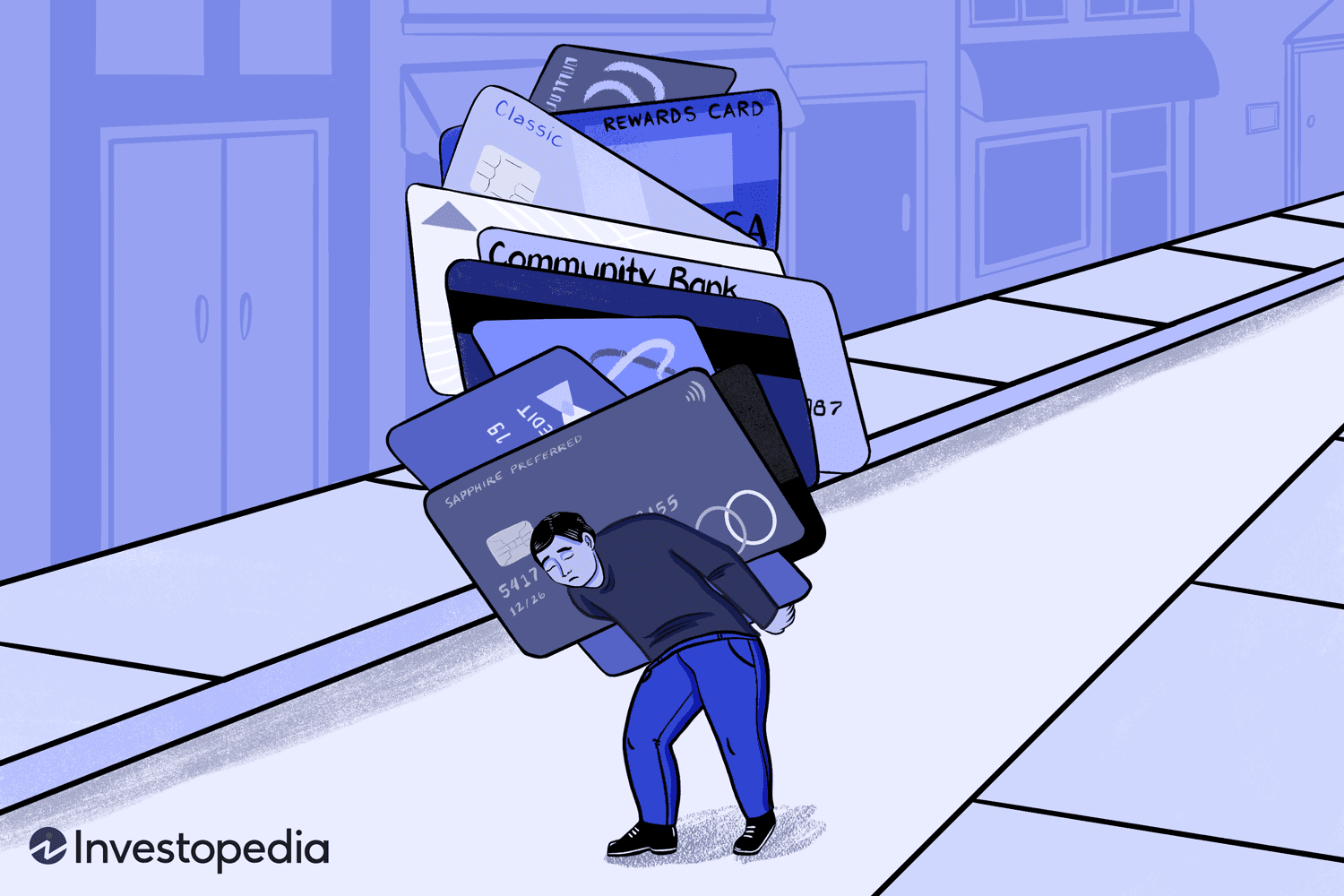
In the past two decades alone, student debt and loans have reached approximately $1.6 trillion which slightly surpassed credit card debt in America which stands at $1.03 trillion in the second quarter of 2023 according to the Federal Reserve Bank of New York. “In addition to poverty, financial debt and loans are significantly associated with increased psychological distress and poor mental health status.” (From: Ryu S, fan L. The Relationship Between Financial Worries and Psychological Distress Among U.S. Adults) As financial debt accumulates, a person may find themselves withdrawing from hanging out with friends or family and becoming avoidant of places, people, and even their financial struggles. If someone continuously avoids their bills they continue to accumulate and seeing the amount of the accumulated bills can take a serious toll on a person’s mental health.

Other problems may also emerge when someone is experiencing anxiety due to financial stress, these could include poor sleeping habits, overspending, avoidance, and poor eating habits. Someone that has a spending problem or someone who is in financial worry would benefit from speaking to a therapist who would help them cope with their unhealthy habits in better ways. A therapist can help in creating a patient budget and manage their money in better ways including a personalized budgeting plan or setting up financial goals. A therapist can also help individuals identify the underlying causes of their financial stress and develop strategies for managing it. Along with anxiety and stress, financial worry can cause feelings of shame and guilt and a therapist is able to provide a safe, non-judgmental space to explore these feelings and how to develop strategies to overcome them. A person may also experience difficulty in communicating their financial struggles and/or negative beliefs and behaviors related to money with their loved ones. A therapist can aid in more effective communication with loved ones about financial struggles and challenge negative beliefs related to money by developing more positive patterns of thought and behavior related to finances. Additionally, an individual who suffered financial trauma such as bankruptcy, foreclosure, or identity theft may benefit from therapy in order to address the emotional and psychological impact of these experiences.

If you or someone you know is struggling with their mental health, or has anxiety/stress please contact our psychotherapy offices in New York or New Jersey to talk to one of our licensed professional psychologists, psychiatrists, psychiatric nurse practitioners, or psychotherapists at Arista Counseling & Psychotherapy. Contact our Paramus, NJ or Manhattan, NY offices respectively, at (201) 368-3700 or (212) 722-1920 to set up an appointment. For more information, please visit http://www.counselingpsychotherapynjny.com/

Sources

https://www.lendingtree.com/credit-cards/credit-card-debt-statistics/

Ryu S, Fan L. The Relationship Between Financial Worries and Psychological Distress Among U.S. Adults. J Fam Econ Issues. 2023;44(1):16-33. doi: 10.1007/s10834-022-09820-9. Epub 2022 Feb 1. PMID: 35125855; PMCID: PMC8806009.

Types Of Therapy For Financial Stress And Money Issues

mantracare.org

Gambling Addiction

By: Heather Kaplan

Gambling is defined as playing games for a chance to either win or lose money. One who is a compulsive gambler is someone who is unable to resist their impulses to gamble. This leads to severe disturbances in their personal and social lives. The urge to gamble becomes so great that this tension can only be relieved by more gambling. One who exhibit such behavior can be classified to have a gambling addiction. Unfortunately, many gambling addicts are not aware that they have a problem. They only begin to realize the severity of the issue when they hit ‘rock bottom’.

There are various symptoms that indicate that someone is a compulsive gambler. One who has a gambling addiction usually progresses form occasional to habitual gambling. He begins to risk more and more money, which can lead to both financial and personal instability. Someone is said to have a gambling addiction if four (or more) of the following have been demonstrated in the last twelve months:

1. Needing to gamble progressively larger amounts of money to feel the same (or more) excitement

2. Having made many unsuccessful attempts to cut back or quit gambling

3. Feeling restless or irritable when trying to cut back or quit gambling

4. Preoccupation or excessive thoughts (planning next gambling venture, thinking of ways to get more money to gamble with)

5. If the person is using gambling to escape problems of distress, sadness or anxiety

6. Gambling larger amounts to try to recoup previous losses

7. Lying about the amount of time and money spent gambling

8. Relying on others to borrow money due to significant gambling losses

Gambling addiction is a significant problem in the United States, impacting 1-3% of adults, men more often than women. Various complications can arise from having a gambling addiction. Those with such gambling behavior often have problems with alcohol and other substances. These people also tend to have financial, social, and legal problems. Those with gambling addictions are also at higher risk for considering or attempting suicide.

If you or a loved one is exhibiting any of the eight behaviors listed above, you may be at risk for developing a gambling addiction. The licensed psychologists, psychiatric nurse practitioners and psychotherapists at Arista Counseling & Psychotherapy are here to help. Contact our Paramus, NJ or Manhattan, NY offices respectively at (201)-368-3700 or (212)-722-1920 to set up an appointment. For more information, visit http://www.counselingpsychotherapynjny.com/