Healthy Lifestyle: Promoting Mental Health

Healthy Lifestyle: Promoting Mental Health

By: Maria Koutsothanasis

Maintaining a healthy lifestyle through regular exercise and a balanced diet offers significant benefits for mental health. Physical activity and proper nutrition can enhance mood, reduce stress, and promote overall well-being, improving mental and emotional stability.

The Role of Exercise in Mental Health

Exercise is an effective way to boost overall mental health. When we engage in physical activity, the brain releases dopamine and serotonin; neurotransmitters that play key roles in elevating mood, improving cognition, and reducing feelings of anxiety and depression. Regular exercise also helps to lower cortisol levels, the body’s stress hormone, which can help reduce overall stress.

Exercise can also improve sleep quality, which is crucial for emotional well-being. A good night’s rest enhances cognitive function, memory, and emotional regulation. Additionally, accomplishing exercise goals can increase self-esteem and a positive body image, further supporting mental health.

The Impact of Diet on Mental Health

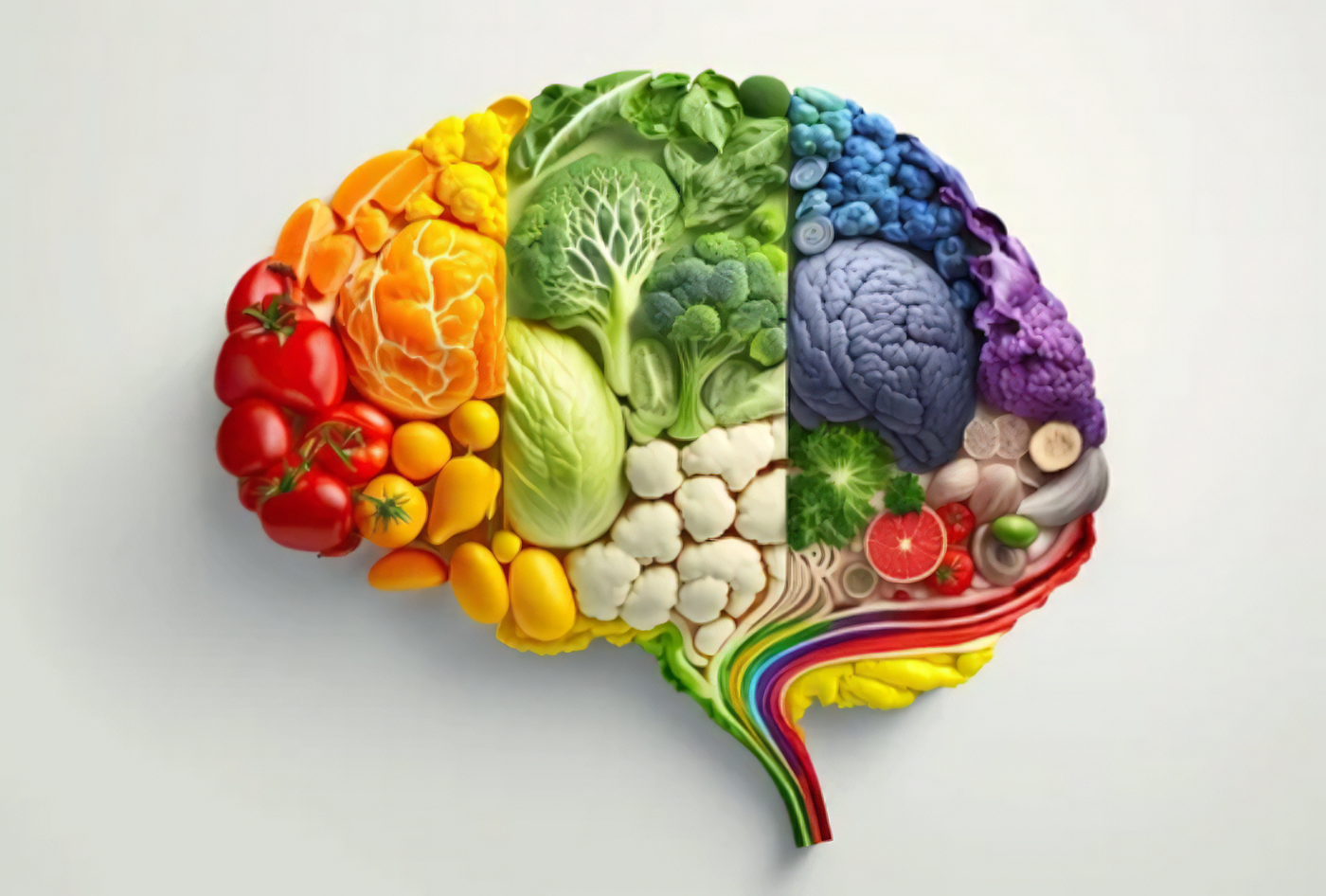
Diet plays an equally important role in mental health. Food provides essential nutrients that support brain function and emotional stability. Food can be a fuel to the body. Healthy and nutrient-filled foods can produce serotonin and dopamine and regulate them. A balanced diet helps stabilize blood sugar levels and prevent energy crashes, which can lead to irritability and fatigue. Foods rich in fiber and probiotics, such as fruits and vegetables, play a key role in emotional regulation.

Exercise and diet together can increase overall mental health. Regular physical activity is a natural treatment for feelings of anxiety and depression. A well-balanced diet provides the energy and nutrients needed to fuel physical activity. Incorporating regular exercise and a healthy diet into daily life can significantly enhance physical and mental health. These habits not only improve mood, reduce stress, and boost self-esteem, but they also support emotional resilience.

If you or someone you know is struggling with depression, anxiety, eating disorders, or other mental health issues, please contact our psychotherapy offices in New York or New Jersey to talk to one of our licensed professional psychologists, psychiatrists, psychiatric nurse practitioners, or psychotherapists at Arista Counseling & Psychiatric Services. Contact our Paramus, NJ or Manhattan, NY offices respectively, at (201) 368-3700 or (212) 722-1920 to set up an appointment. For more information, please visit http://www.counselingpsychotherapynjny.com/

Diet and mental health. Mental Health Foundation. (n.d.). https://www.mentalhealth.org.uk/explore-mental-health/a-z-topics/diet-and-mental-health

Lifestyle to support mental health. Psychiatry.org – Lifestyle to Support Mental Health. (n.d.). https://www.psychiatry.org/patients-families/lifestyle-to-support-mental-health

Understanding the effects of a healthy lifestyle on Mental Health. Penn State Health News. (2021, May 3). https://pennstatehealthnews.org/topics/may-2021-one-group-blog-mental-health/

Anorexia Nervosa

By: Cosette Verna

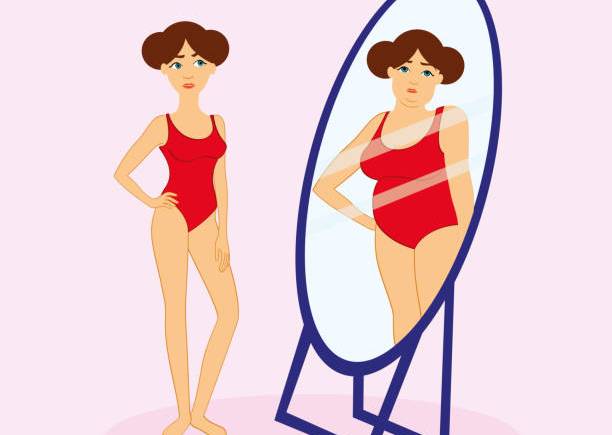
Anorexia Nervosa (anorexia) is an eating disorder characterized by abnormally low body weight, distorted perception of weight, and intense fear of weight gain. These distortions may cause behavioral symptoms in those suffering from anorexia, including excessive exercise, severe restriction of food intake, calorie counting, and abuse of diuretics, laxatives, or enemas.

Anorexia is typically a manifestation of one’s emotional issues and feelings of inadequacy, to which one strives for extreme thinness as a measure of self-worth. Physical symptoms of anorexia include (but are not limited to) extreme weight loss, loss of menstrual cycle, fatigue, insomnia, dizziness/fainting, constipation, hair breakage, irregular heart rhythms, dehydration, growth of body hair, and dry and/or yellowish skin.

Though anorexia is typically associated with extreme low body weight, those suffering from Atypical Anorexia Nervosa are not to be overlooked. Atypical Anorexia Nervosa patients have all the symptoms of anorexia aside from extreme thinness, and have typically been overweight historically. Though they may physically appear to be in a healthy weight range, their body is under extreme stress in order to maintain a weight that is not healthy for the individual. Atypical anorexia is just as serious as anorexia- percentages of those hospitalized with atypical anorexia is similar to hospitalizations from typical anorexia.

If you or someone you know is struggling with anorexia nervosa, please contact our psychotherapy offices in New York or New Jersey to talk to one of our licensed professional psychologists, psychiatrists, psychiatric nurse practitioners, or psychotherapists at Arista Counseling & Psychotherapy. Contact our Paramus, NJ or Manhattan, NY offices respectively, at (201) 368-3700 or (212) 722-1920 to set up an appointment. For more information, please visit http://www.counselingpsychotherapynjny.com/

References:

https://www.mayoclinic.org/diseases-conditions/anorexia-nervosa/symptoms-causes/syc-20353591

https://childmind.org/article/what-is-atypical-anorexia-nervosa/

Eating Disorders: What Motivates Recovery?

Eating Disorders: What Motivates Recovery

By: Brianna Millier

Eating disorders are complex mental illnesses that can have severe physical, emotional, and social consequences. While the road to recovery may be challenging, understanding the factors that support and motivate recovery is essential for promoting healing and well-being. The motivating factors mentioned should be tailored to meet individual personalities and preferences. In this article, we explore the nature of eating disorders and delve into the evidence-based strategies and supports that can empower individuals along their recovery journey.

The Role of Social Support:

Research published in the International Journal of Eating Disorders highlights the importance of positive social relationships, such as family support, peer networks, and therapeutic alliances. These support systems provide encouragement, understanding, and practical assistance, reinforcing the individual’s motivation to recover. Supporting pro-recovery beliefs and lifestyle changes (e.g., not talking negatively about weight), building hope for the future (e.g., writing inspiring notes), and by discussing and working toward goals that conflict with the ED (e.g., volunteering, having children) are helpful suggestions (Venturo-Conerly et al., 2020). 

Cultivating Self-Compassion:

A review by Tosca Braun et al., highlights self-compassion’s positive impact on body image, self-esteem, and psychological well-being. Practicing self-compassion involves acknowledging and accepting one’s struggles while cultivating a non-judgmental and nurturing attitude towards oneself. Incorporating self-compassion exercises, such as mindfulness and self-affirmation, can strengthen motivation and resilience throughout the recovery journey.

Embracing Individualized Treatment:

Personalized treatment may involve a combination of evidence-based therapies, such as cognitive-behavioral therapy. CBT focuses on challenging distorted thoughts, building coping skills, and promoting self-acceptance. These factors all contribute to motivation and sustained recovery. Family therapy is particularly helpful in treating adolescents and improves communication, reduces blame, and fosters a supportive environment, enhancing the individual’s motivation to engage in treatment and sustain recovery. Participants in one study often described medical professionals as the first people who made them feel heard and understood (Venturo-Conerly et al., 2020). Professionals offer validation and safety while also providing a continuation of specialized support and a means to monitor progress.

If you or someone you know is struggling with an eating disorder, contact our psychotherapy offices in New York or New Jersey to talk to one of our licensed professional psychologists, psychiatrists, psychiatric nurse practitioners, or psychotherapists at Arista Psychotherapy & Psychiatric Services. Contact our Manhattan, NY or Paramus, NJ offices respectively at (201)368-3700 or (212)722-1920 to set up an appointment. For more information, please visit https://counselingpsychotherapynjny.com


References:

https://doi.org/10.1016/j.bodyim.2016.03.003.

https://doi.org/10.1002/eat.23331

Body Dysmorphia: How TikTok Impacts Self Image

Body Dysmorphia: How TikTok Impacts Self Image

By Erika Ortiz

            A new social media app called TikTok emerged and swept generations because of its easy use, likability, and relatability created by other users or creators. TikTok is used like a break from stressors in life since it can have a variety of entertaining and funny videos. The TikTok algorithm determines your perception and how you choose to “respond” to each video or comment you see and scroll past. TikTok has tons of videos, from cute cat videos to funny skits, serious world news, and even tips or “how to” for your everyday life. Since TikTok has gained massive popularity, it can be strikingly influential.  TikTok can also instill some negativity in your life.  Many videos go viral for the wrong reasons and are taken to a dangerous extremity. One type of TikTok video that always goes viral is known as, “What I eat in a day”. The creator documents all their meals throughout the day and some even calculate their calorie intake. Some creators claim it is to promote a “healthy lifestyle”, while others say it is solely because these types of videos happen to go viral and do well with their audience. Regardless, these kinds of videos seem to inflict the idea of having body dysmorphia or, ironically enough, an unhealthy eating style. Body dysmorphia or body dysmorphic disorder is a mental health condition in which people hyper-focus on their flaws and appearances to the point where they will never be “good enough” in their own eyes. Some of these videos show the over consumption of food, too few nutrients in each meal, or sometimes, too much food, and too much sugar and/or greasy foods. These videos have an alarming comment section. Users will comment something to the degree of, “Wow I eat too much”, or, “Maybe I should skip a meal or two.” As you scroll through these TikToks and come across a “What I eat in a day” or a video that promotes an unhealthy body image that makes you feel uncomfortable and/or negative about yourself, press report for “harmful activities”, then press the “not interested” option at the bottom right. Even if you do not necessarily feel that way, others still might, so it is best to do your part in preventing the spread or glorification of unhealthy lifestyles.

If you or someone you know is experiencing body dysmorphia and/or signs of an eating disorder, please contact our psychotherapy offices in New York or New Jersey to talk to one of our licensed professional psychologists, psychiatrists, psychiatric nurse practitioners, or psychotherapists at Arista Counseling & Psychotherapy. Contact our Paramus, NJ or Manhattan, NY offices respectively at (201) 368-3700 or (212) 722-1920 to set up an appointment. For more information, please visit https://www.counselingpsychotherapynjny.com

Body Image: The Role of Body Dissatisfaction on Self-Esteem

Body Image: The Role of Body Dissatisfaction on Self-Esteem

By Kim Simone

Body dissatisfaction is characterized by an individual’s persistent negative thoughts and feelings about his or her body. It is commonly influenced by external factors such as societal norms and perceived pressure from other individuals. High levels of body dissatisfaction can lead to low self-esteem and ultimately lead to harmful eating and exercising behaviors.

On the contrary, having a positive body image is associated with self-acceptance, higher self-esteem, and having healthier practices in regards to eating and exercising.

The Four Primary Elements of Body Image:

  1. Perceptual body image:  the way you see your body
  2. Cognitive body image:  the way you think about your body
  3. Affective body image: the way you feel about your body (often characterized by satisfaction or dissatisfaction)
  4. Behavioral body image: the behaviors you engage in as a result of your body image (may include unhealthy eating behaviors and exercising habits)

Body dissatisfaction fluctuates throughout the lifespan and is correlated with lower levels of self-esteem. These concerns are linked with poor self-concept, which not only affects physical and mental health, but also impacts individuals socially and academically. Since body dissatisfaction often leads to low self-esteem, individuals may be at risk for developing more serious disorders. A poor self-concept, and consequently a poor body image, may influence eating behaviors, making individuals more at risk for developing an eating disorder.

Given that the chance for recovery from an eating disorder increases the earlier it is detected, diagnosed, and treated, it is important to seek help as soon as warning signs appear. Cognitive Behavioral Therapy (CBT) is a commonly used psychotherapeutic approach for eating disorder treatment. The approach emphasizes having the individual understand the interaction and inter relatedness between his or her thoughts, feelings, and behaviors. This therapy focuses on shifting negative thoughts and behaviors to more positive thoughts and healthier alternatives. Furthermore, a mental health care provider can screen and treat for other underlying issues, such as anxiety and depression, as these can influence treatment outcomes.  

If you or someone you know is struggling with body dissatisfaction, self-esteem, and/or eating disorders, please contact our psychotherapy offices in New York or New Jersey to talk to one of our licensed professional psychologists, psychiatrists, psychiatric nurse practitioners, or psychotherapists at Arista Counseling & Psychotherapy. Contact our Paramus, NJ or Manhattan, NY offices respectively, at (201) 368-3700 or (212) 722-1920 to set up an appointment. For more information, please visit http://www.counselingpsychotherapynjny.com/

Sources:

https://nedc.com.au/eating-disorders/eating-disorders-explained/body-image/

https://psycnet.apa.org/record/2012-14627-021

https://www.waldenu.edu/online-masters-programs/ms-in-clinical-mental-health-counseling/resource/what-is-body-dissatisfaction-and-how-does-it-lead-to-eating-disorders

Image Source:

https://img.huffingtonpost.com/asset/5bb5f917210000d501c88483.jpeg?ops=scalefit_720_noupscale&format=webp

Body Dysmorphia: Symptoms and Treatment

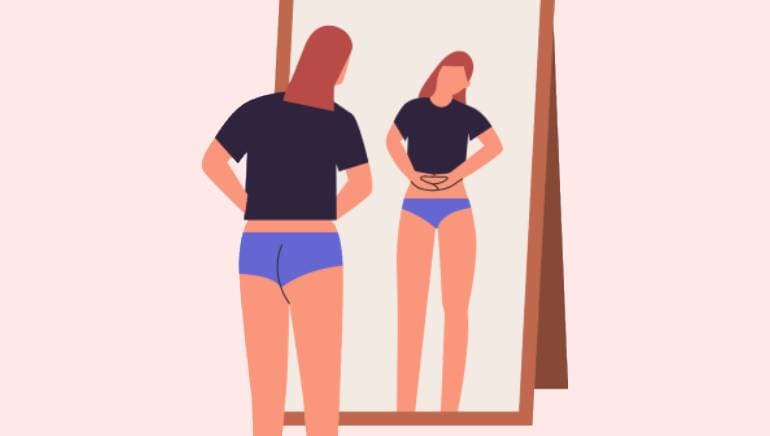
Body dysmorphic disorder is a mental health disorder where one intensely focuses on appearance and body image, and cannot stop thinking about perceived defects and flaws. These flaws are minor and cannot be seen by others. The individual may feel so ashamed, anxious, and embarrassed that social interactions are avoided. These symptoms can cause extreme distress, be extremely time consuming, be disruptive, and cause serious problems in one’s work, school, and social life. Some may experience suicidal thoughts or behaviors. Both men and women can struggle with body dysmorphic disorder.

Symptoms of body dysmorphia can include:

  • A strong belief that you have a defect in your appearance that causes you to feel deformed and ugly
  • Engagement of behaviors that are difficult to resist or control such as frequently checking the mirror, skin picking, and grooming
  • Seeking cosmetic procedures but gaining little satisfaction
  • Constantly comparing your appearance to others
  • Often seeking reassurance from others about your appearance

Body dysmorphic disorder affects both males and females and typically starts in the early teenage years.

Risk factors include:

  • Societal pressure and expectations of beauty
  • Negative life experiences such as abuse
  • Having another mental health disorder

Shame and embarrassment are often associated with body dysmorphia and that may keep one from seeking treatment. Body dysmorphic disorder can last for years or be lifelong. If left untreated, it can get worse over time, so it is important that the disorder is identified and treated.

If you or someone you know is struggling with body dysmorphic disorder, please contact our psychotherapy/psychiatry offices in New York or New Jersey to talk to one of our licensed professional psychologists, psychiatrists, psychiatric nurse practitioners, or psychotherapists at Arista Counseling & Psychotherapy. Contact our Paramus, NJ or Manhattan, NY offices respectively, at (201) 368-3700 or (212) 722-1920 to set up an appointment. For more information, please visit http://www.counselingpsychotherapynjny.com/.

Sources

https://www.mayoclinic.org/diseases-conditions/body-dysmorphic-disorder/symptoms-causes/syc-20353938

https://www.healthshots.com/mind/mental-health/everything-you-need-to-know-about-body-dysmorphic-disorder/

Image Source

https://www.healthshots.com/mind/mental-health/everything-you-need-to-know-about-body-dysmorphic-disorder/

Self-Harm: What You Need To Know

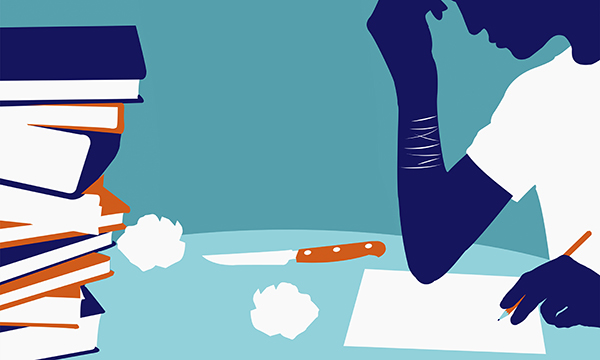
About 17% of all people will self-harm during their lifetime, however the actual rate is likely higher than this because of the shame and stigma that surrounds self-harm. Individuals self-harm as a way to deal with difficult feelings, or overwhelming situations and experiences, and can include cutting, burning, and scratching oneself. Self-harm can be difficult to understand, and can sometimes be confused with suicide attempts. Self-harm and suicide attempts are not the same thing, however, there is a strong association between the two. One common stereotype of self-harm is that it is “attention seeking”. The reality is that most self-harm is done in secrecy, and individuals often feel ashamed to ask for help.

There are several self-harm risk factors. These include struggling with mental health conditions, such as depression, anxiety, personality disorders, drug and alcohol use or addiction, and eating disorders. Self-harming can become physically addictive, as it is habit-forming, and individuals can come to rely on it as a coping mechanism for what they are going through.

Sharing your feelings with someone that you trust can help you self-harm less and feel less alone. If someone has disclosed to you that they engage in self-harm, it is important to be patient and educate yourself on why people self-harm and what you can do to help.

If you or someone you know is struggling with self-harm, please contact our psychotherapy/psychiatry offices in New York or New Jersey to talk to one of our licensed professional psychologists, psychiatrists, psychiatric nurse practitioners, or psychotherapists at Arista Counseling & Psychotherapy. Contact our Paramus, NJ or Manhattan, NY offices respectively, at (201) 368-3700 or (212) 722-1920 to set up an appointment. For more information, please visit http://www.counselingpsychotherapynjny.com/.

Sources

https://www.mind.org.uk/information-support/types-of-mental-health-problems/self-harm/about-self-harm/

Self-Harm Statistics

https://www.rethink.org/advice-and-information/about-mental-illness/learn-more-about-symptoms/self-harm/

Image Source

https://rcni.com/nursing-children-and-young-people/careers/research-and-commentary/improving-nursing-care-of-children-and-young-people-who-self-harm-81661

Eating Disorders Part 5: Eating Disorders among Latina Women

By: Abby Erasmus

Latina women are caught between two cultures and are therefore at risk of experiencing acculturative stress (a term discussed in “Eating Disorders: Part 4”). As mentioned previously, increased acculturative stress is linked to an increase in eating- related pathology, thus disordered eating patterns are not uncommon among Latina women. The rate of occurrence of eating disorders among Latina women is equivalent to the rate of the general population of U.S. females; however, anorexia nervosa (AN) is rarely noted in Eating Disorder (ED) studies in regard to Latina women. This does not mean AN does not exist among Latina Women, AN is just thought to be the least prevalent in the community. Researchers have found that bulimia nervosa (BN) and binge eating disorder (BED) are the most common, with lifetime prevalence rates of 2% to 2.3-2.7% respectively. Further, researchers have identified key differences in the presentation of both dietary restriction and drive for thinness in comparison to European- American white women. Latina women are less likely to engage in dietary restriction, and if they do, it is often followed by a binge- eating episode. Latina women also find themselves caught between the thin ideal belonging to Western culture and the curvy but flat- stomached ideal belonging to the Latinx community, and these conflicting body image ideals can result in disordered eating behaviors. Additionally, and quite similarly to Asian American culture, food is the love language of the Latinx community, yet, similarly to Asian American women, these women will be scrutinized for gaining weight. Latina women also experience the paradox, and providers should keep this paradox in mind to understand root causes of EDs within the Latinx community.

Binge eating within the Latinx community is associated with significant levels of distress as well as psychopathology, and is often accompanied by obesity. Despite reporting significant levels of distress, the majority of Latina women do not seek treatment, and when they do, they often refer to primary care doctors in which obesity is the only thing that gets identified. Their ED goes unnoticed. In order to correctly diagnose EDs among Latina women, providers must understand the high prevalence rates of BED, BN, and binge- eating behaviors within the population which, in turn, can result in obesity. Once the ED is addressed, obesity can be addressed. Again, with cultural competency added into the equation of treatment, Latina women’s EDs will be correctly diagnosed and they will receive proper treatment.

If you or someone you know is seeking therapy for an eating disorder, please contact our psychotherapy offices in New York or New Jersey to talk to one of our licensed professional psychologists, psychiatrists, psychiatric nurse practitioners, or psychotherapists at Arista Counseling & Psychotherapy. Contact our Paramus, NJ or Manhattan, NY offices respectively, at (201) 368-3700 or (212) 722-1920 to set up an appointment. For more information, please visit http://www.counselingpsychotherapynjny.com/

Sources:

https://yourlatinanutritionist.com/blog/eating-disorders-among-latinas

https://www.ncbi.nlm.nih.gov/pmc/articles/PMC2680162/

https://www.ncbi.nlm.nih.gov/pmc/articles/PMC4078895/

Eating Disorders; How Stress Impacts Eating Disorders

By: Jillian Hoff

Stressful situations often can cause individuals to lean on food to cope. When someone has an eating disorder any stressful situation could possibly be one of the triggers for them. It is known that these individuals tend to have an increased desire to binge eat or restrict their diet so that they can feel more in control. This sense of stability to them is a means of a stress reliever. While stress in itself is not healthy for a person, the result of an eating disorder also tends to create problems for a person’s health. Eating disorders can often cause the individual to have a constant worry about their weight and the food that they are eating. At times this constant worry could lead to anxiety, low self-esteem and even depression. It is important especially for individuals who suffer from an eating disorder to find other ways to cope with stress so that they can try to decrease the chance of either binging or restricting food.

Some ways they can cope would to be to have some type of social support system. This would be someone that the individual can talk to at any time whether it is for emotional or financial help. The individual can also choose to focus on calming strategies like meditation or breathing exercises.  Writing down positive messages to yourself would also be a good coping mechanism especially due to the negative thoughts that they might feel due to their eating disorder. Some lifestyle changes could also help. This would include practicing time-management skills so that one does not feel overwhelmed. Also, by trying something new each day it could be used as a way to get your mind off any stressors in your life.

If you or someone you know is seeking therapy for an eating disorder, please contact our psychotherapy offices in New York or New Jersey to talk to one of our licensed professional psychologists, psychiatrists, psychiatric nurse practitioners, or psychotherapists at Arista Counseling & Psychotherapy. Contact our Paramus, NJ or Manhattan, NY offices respectively, at (201) 368-3700 or (212) 722-1920 to set up an appointment. For more information, please visit http://www.counselingpsychotherapynjny.com/

Sources:

https://www.mirasol.net/learning-center/chronic-stress.php

https://www.webmd.com/mental-health/eating-disorders/binge-eating-disorder/stress-binge-eating-disorder

Eating disorders: How You Can Help a Loved One with an Eating Disorder

Eating Disorders: How You Can Help a Loved One with an Eating Disorder

By: Hallie Katzman

Diet culture and body idealization are staples in society that often encourage people to overthink and become hyperaware of their body image, potentially leading to unhealthy relationships with food and exercise. Due to a combination of genetic and sociocultural factors, unfortunately eating disorders are very common and affect at least 9% of the population. Eating disorders take a strong mental, emotional and physical toll on peoples’ bodies. These symptoms can be scary or distressing for not only the person experiencing the symptoms firsthand, but also for their loved ones. Watching someone you care about struggle can make you feel helpless and worried.

Fortunately, there are supportive ways to help your loved one begin or continue their recovery journey. First, ask them if you can be involved in their eating disorder treatment to let them know that you are there for them and that you support them. Once the supportive, nonjudgmental relationship is fully established, you can consider encouraging them to go to therapy. This could mean group therapy, inpatient therapy or outpatient one on one therapy sessions with a mental health specialist. Additionally, supporting a loved one can be stressful or exhausting. Remember to take care of yourself and your own mental health as well. Be gentle towards your loved one and towards yourself and remember to not lose hope. Recovery is not always a linear process and the road to recovery may not always be easy, but it is possible.

If you or someone you know is struggling with an eating disorder or other mental health concerns, please contact our psychotherapy offices in New Jersey or New York to talk to one of our licensed professional psychologists, psychiatrists, psychiatric nurse practitioners or psychotherapists at Arista Counseling & Psychotherapy. Contact our Paramus, NJ or Manhattan, NY offices respectively, at 201-368-3700 or 212-722-1920 to schedule an appointment. Please visit our website http://www.counselingpsychotherapynjny.com/ for more information.

Sources: https://www.rtor.org/2017/02/07/dos-and-donts-eating-disorder-recovery/?gclid=Cj0KCQjwxJqHBhC4ARIsAChq4au6fNUoIaQpHAwoyO3zvaQaUIPU4IdKB3ioYw5c3kEWhV58aJny_iEaAqtuEALw_wcB

https://anad.org/get-informed/about-eating-disorders/eating-disorders-statistics/?gclid=Cj0KCQjwxJqHBhC4ARIsAChq4atr2S1zgAy3MNj0_y9dXTNv7I6ObnrlxezDutSZg5l9CQrMwknDpQcaAlWGEALw_wcB

Image Source: https://unsplash.com/s/photos/support