Social Anxiety in Back to School Students

Social Anxiety in Back to School Students

By Melissa Rodriguez

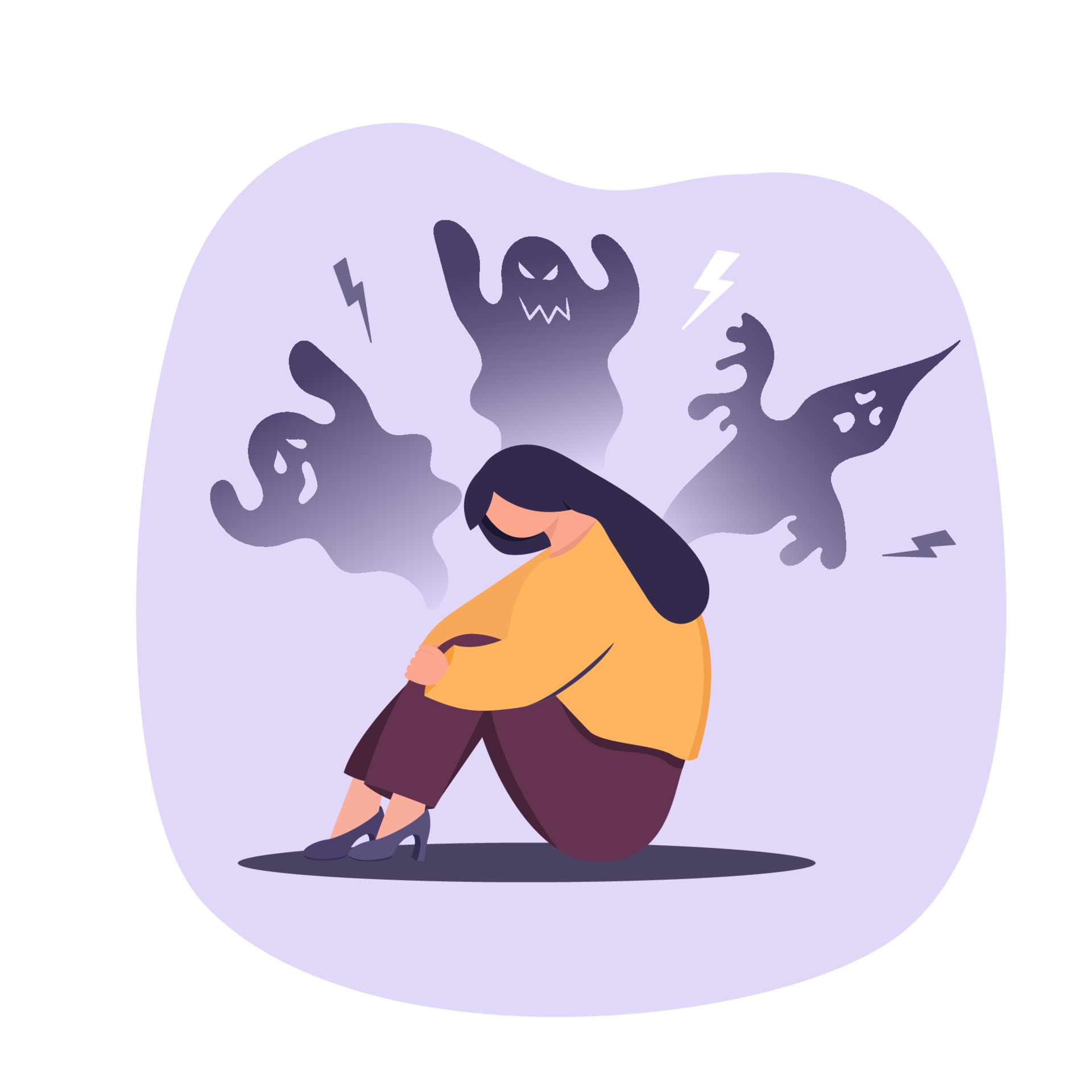
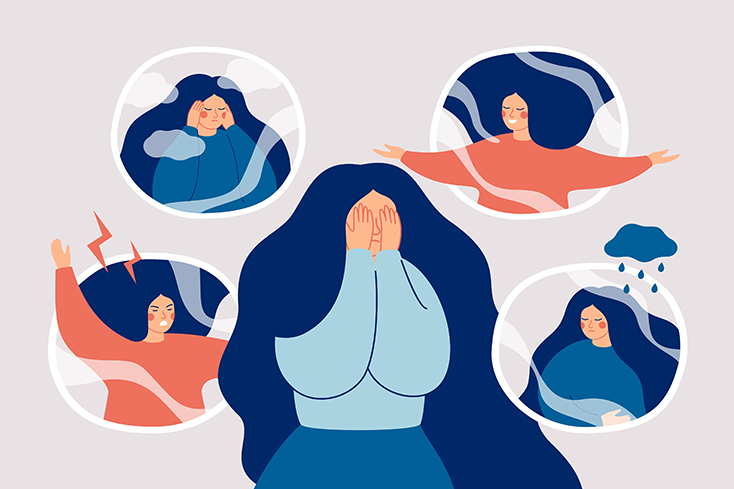
Going back to school can be exciting for students of all ages. Along with the feelings of newness and back-to-school excitement, feelings of nervousness and social anxiety can also arise. Students may feel nervous or anxious starting a new school year. All of the new people students will be around and the new environment they are placed in can cause them to feel socially anxious, unsure, or nervous about the new changes. According to the National Institute of Mental Health, about an estimated 31.9% of young people experience at least one anxiety disorder in their lifetime.  

Social anxiety is a fear of social situations. Those with social anxiety are usually more shy, quiet, and overall socially reserved. Some physical symptoms students with social anxiety may feel are: shortness of breath, a churning sensation in the stomach, palpitations, out of body experiences, muscle tension, and feeling lightheaded or dizzy sensations. Some psychological symptoms students may face are: a constant feeling of being judged in social settings, always worrying that you will embarrass or humiliate yourself, having a crippling fear of interacting socially with others, avoiding an event or interaction where you feel you are the center of attention, and constantly being critical of and judging oneself.

If back-to-school anxiety persists longer than the first couple weeks and if you notice that it is causing distress to the daily life of the student, meeting with a therapist may be beneficial to help the student better manage their symptoms and help them go back to school comfortably. This may increase their confidence in school or other social settings, and help them feel more comfortable and confident in their new social environments.  

If you, your child, or someone you know is experiencing back-to-school anxiety, social anxiety, or other anxiety disorders or mental health issues, please contact our psychotherapy offices in New York or New Jersey to talk to one of our licensed professional psychologists, psychiatrist, psychiatric nurse practitioners, or psychotherapists at Arista Counseling & Psychotherapy. Contact our Paramus, NJ or Manhattan offices respectively, at 201-368-3700 or 212-722-1920 to set up an appointment. Please visit http://www.counselingpsychotherapynjny.com/ for more information.

Sources:

https://adaa.org/learn-from-us/from-the-experts/blog-posts/consumer/back-school-anxiety-what-parents-and

Image Source: https://www.educare.net.au/living-with-social-anxiety-personal-stories-and-coping-mechanisms/

Social Anxiety: The Impact of Social Media on Social Anxiety

Social Anxiety: The Impact of Social Media on Social Anxiety

By: Josette DeFranco

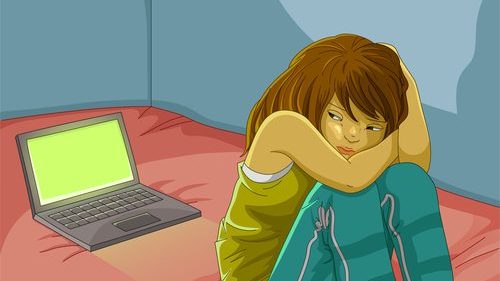
Social anxiety is very common and can be a part of your everyday living whether it is online or offline. Social anxiety means you have persistent fears about being in social situations. Social media has become society’s major way of communicating. It has allowed users to create their own distinctive profiles and content to share with others. It has been found that social media use has caused unrealistic goals and expectations. This can create low self-esteem and a lack of in-person interactions. This may lead to anxiety because you may feel like you don’t live up to your social media image. Nonetheless, it may cause you to feel judged by your choices or appearance. It is important to pay attention to your emotions when logged onto social media and to remember that others experience similar thoughts.

Should you take a break from social media?

Social media can affect individuals differently. However, if you notice social media is causing damage to your mental health, self-esteem, social interactions, and making your moods worse then you may want to consider a social media break. Having a social media break even for a week or a month could enhance your mental state, allowing you to reflect and focus on your mental health needs. It has been noticed that individuals felt more grounded and less anxious, isolated, and depressed.

If you or someone you know is struggling with their mental health, please contact our psychotherapy offices in New York or New Jersey to talk to one of our licensed professional psychologists, psychiatrists, psychiatric nurse practitioners, or psychotherapists at Arista Counseling & Psychotherapy. Contact our Paramus, NJ or Manhattan, NY offices respectively, at (201) 368-3700 or (212) 722-1920 to set up an appointment. For more information, please visit https://aristapsychiatrypsychotherapy.com/

Sources:

https://www.sciencedirect.com/science/article/pii/S245195882100018X

https://www.psychologytoday.com/us/blog/thriving-with-the-challenges/202208/a-social-media-vacation-is-waiting-for-you

Throwing Up: The Fear of Throw Up

By Caroline Buchanan

The fear of throw up, also referred to as emetophobia, is a specific phobia that revolves around the fear of vomiting, seeing vomit, watching other people vomit, or feeling sick. Emetophobia tends to leave people in a state of anxiety, overtaking their thoughts and engaging in behaviors that impact their everyday life. For example, you may avoid crowded places, traveling, eating out, or closely monitor your own health in an attempt to reduce the distress you may feel. While this anxiety can feel overwhelming and unbearable at times, this condition can be managed by a therapist.

What causes emetophobia?

Specific phobias tend to develop after a specific incident. As a result of this incident, an association is created between a thing – an object, situation, or an event – and a fear (Psych Central). Specifically in the context of emetophobia, this could involve getting sick in public, someone vomiting on you, having a bad case of food poisoning, or seeing someone else throw up. Emetophobia can also develop without a clear cause, causing experts to believe that genetics and the environment play a role. Regardless of whether you can pinpoint an incident or not, this anxiety can still be managed.

How can emetophobia be managed?

Exposure therapy is considered to be one of the most effective treatments. In this type of therapy, your therapist will expose you to your fear at a slow rate. This could involve trying a new food at a restaurant or spinning around until you feel nauseous. With these actions, you will be provided with techniques to help you cope with these feelings of anxiety. The goal is that the more you are exposed to your fear, the more you feel comfortable with it. Talk therapy and cognitive behavioral therapy (CBT)can also be used to help learn how to identify and challenge negative thought patterns in your anxiety. While it may take some time to find the right therapist and techniques for you, it is worth it to alleviate the distress in your life.

If you or someone you know is suffering from emetophobia, please contact our psychotherapy offices in New York or New Jersey to talk to one of our licensed professional psychologists, psychiatrists, psychiatric nurse practitioners, or psychotherapists at Arista Counseling & Psychotherapy. Contact our Paramus, NJ or Manhattan, NY offices respectively, at (201) 368-3700 or (212) 722-1920 to set up an appointment. For more information, please visit http://www.counselingpsychotherapynjny.com/

https://www.healthline.com/health/emetophobia#outlook

Major Depressive Disorder: Depression

Major Depressive Disorder: Depression

By: Isabella Favuzza

Sadness is a common emotion expressed through tears or gloominess. This feeling arises for a variety of reasons, including the loss of a partner, job, house, friendship, etc. Sadness is an intense emotion that every individual feels throughout their life. However, persistent sadness may transform into depression, a mental illness. One may struggle with depression following two weeks of lasting unhappiness, constant exhaustion, and a lack of motivation. Major depressive disorder, also known as MDD, is a clinical term to describe symptoms of perpetual sadness and a loss of interest. MDD can cause numerous emotional and psychological symptoms and prevent individuals from performing daily activities.

Depression involves symptoms such as lethargy, angry outbursts, and feelings of emptiness, reduced appetite, and suicidal ideations. Those struggling with depression find it challenging to partake in normal day-to-day activities like work, school, or relationships. Some may feel unhappy or gloomy without knowing why. Psychological and psychiatric treatment can significantly support those with MDD. A psychologist can identify the root of depression and provide specific therapies like CBT, talk therapy, or hypnosis to reduce these feelings of unhappiness. Psychiatric medications or antidepressants like Lexapro or Sertraline can visibly reduce depressive symptoms through serotonin reuptake. Ultimately, proper treatment can offer those with MDD an opportunity to regain control and provide a better quality of life.

If you or someone you know is struggling with depression, please contact our psychotherapy offices in New York or New Jersey to talk to one of our licensed professional psychologists, psychiatrists, psychiatric nurse practitioners, or psychotherapists at Arista Counseling & Psychotherapy. Contact our Paramus, NJ or Manhattan, NY offices respectively, at (201) 368-3700 or (212) 722-1920 to set up an appointment. For more information, please visit http://www.counselingpsychotherapynjny.com/

Source:

https://www.mayoclinic.org/diseases-conditions/depression/symptoms-causes/syc-20356007#:~:text=Also%20called%20major%20depressive%20disorder,life%20isn’t%20worth%20living.

Bipolar Disorder

Bipolar Disorder

By: Nicole Sanchez

Bipolar disorder is a serious mood disorder and mental health condition that causes unusual shifts in mood, energy levels, thinking and behavior. These shifts can last for hours, days, weeks or months and interfere with ability to carry out daily tasks. When one becomes depressed, they may go through feelings of sadness, hopelessness and or loss of interest in many activities. When one’s mood shifts to mania, one may feel euphoric, energized or irritable. These shifts in mood can impact a person’s sleep, activity or energy levels, behavior and their ability to think clearly. Each type of bipolar disorder includes periods between manic or depressive episodes when symptoms lessen, or people feel stable. The greatest difference between the types of disorder is how extreme the mood states are and their duration. Bipolar I Disorder includes having a history of at least one manic episode, but sometimes also having depressed or hypomanic episodes as well. Bipolar II Disorder includes mood states that vary from an even mood to high to low, although the highs are less extreme and are called hypomanic states.

Individuals with bipolar disorder can be treated with a combination of medication and therapy. Mood stabilizers, antipsychotics, and antidepressants can aid in managing mood swings and other symptoms. Some people may need to try different medications before determining which medication works best for them. Therapy aids individuals in accepting their disorder, being familiar with the warning signs of a manic or depressive episode, developing coping strategies, and sticking with a medication schedule. While people may sometimes experience some stability in their mood between episodes, a long-term, continuous treatment plan is suggested as it can reduce the severity and frequency of mood swings.

If you or someone you know is having mental health difficulties and/ or experiencing symptoms of Bipolar Disorder, please contact our psychotherapy offices in New Jersey to talk to one of our licensed professional psychologists, psychiatrists, psychiatric nurse practitioners, or psychotherapists at Arista Counseling & Psychotherapy. Contact our offices at (201) 368-3700 or (212) 722-1920 to set up an appointment. For more information, please visit http://www.counselingpsychotherapynjny.com/

https://www.samhsa.gov/mental-health/bipolar

Suicide: Passive Versus Active Suicidal Ideation

Passive Versus Active Suicidal Ideation

By: Dyami Efroimson

Experiencing suicidal thoughts is an exhausting experience that many experience on a day to day basis. The consistent pondering of, preoccupation with, and desire to commit suicide is describe using the term suicidal ideation. This concept can be divided into categories; passive suicidal ideation and active suicidal ideation.

Active suicidal ideation involves not only contemplating suicide but devising a plan to do that one intends to follow through on. One who is experiencing this may discuss in detail how they would commit suicide if they were to do so. It is not simple a fleeting thought about ending your life, it is the deep desire and intent to kill yourself. Treatment for active suicidal ideation typically includes hospitalization in an attempt to prevent the individual from inflicting harm on themselves. During this time they will meet with psychiatrists and therapist that will evaluate the severity of their suicidal ideation and how to move forward with treatment. It is important for them to have a support system that can be by their side as they learn to love life again.

Passive suicidal ideation includes having no motivation to continue living and often experience intrusive thoughts about ending their life, but do not actually have a plan to do so. However, if gone untreated, these thoughts can progress into active suicidal ideation. The main difference between passive and active suicidal ideation is the intent; with passive there is not intent to commit suicide, with active there is. If one is experiencing these thoughts, the best way to move forward is to be evaluated by a mental health professional and take each day that you stay alive as a tiny victory.

Suicidal ideation is a spectrum. It can range from simply questioning what it would be like to die, to devising a step by step plan as to how you are going to end your life. Regardless of where on the spectrum one’s ideation falls, it is important to seek help to find the source of why these suicidal thoughts are occurring, whether it be a mental illness or a particular event in your life that triggered it.

If you or someone you know is struggling with suicidal thoughts please contact our psychotherapy offices in New York or New Jersey to talk to one of our licensed professional psychologists, psychiatrist, psychiatric nurse practitioners, or psychotherapists at Arista Counseling and Psychotherapy. Contact our Paramus, NJ or Manhattan, NY offices respectively, at (201) 368-3700 or (212) 722-1920 to set up an appointment. For more information, please visit http://www.counselingpsychotherapynjny.com/

https://www.theswaddle.com/suicidal-ideation-exists-on-a-spectrum-and-might-involve-no-plans-to-die

https://pubmed.ncbi.nlm.nih.gov/33351435

Hypnosis for Smoking Cessation

Hypnosis for Smoking Cessation

Amelia Amen

               Efforts to quit smoking can be a challenging process for individuals who have developed a dependency on nicotine. When an individual tries to remove smoking from their daily routine, they may be prone to experiencing withdrawals. Such withdrawals include irritability, headaches, difficulty concentrating, and a strong craving for nicotine. According to the Centers for Disease Control and Prevention, smoking is one of the leading preventable causes of death in the U.S and often causes diseases such as lung cancer, heart disease, diabetes, and more.

               Hypnosis has been found to be a successful technique which aids in smoking cessation and other harmful behaviors. Hypnosis focuses on reducing and changing negative habits and developing self-control over certain emotions and behavior. It can be a source of treatment for helping the smoker remove many unwanted behaviors and habits. In the case of nicotine addiction, hypnosis is used to diminish the craving within the mind. Hypnosis targets the parts of our minds that can be the root cause of the motivation to smoke. The desire to smoke is often triggered by stress and anxiety, finishing a meal, going to a social event, driving, boredom, and more. Hypnosis is a collaborative process between the therapist and patient. Hypnosis only works when the patient wants to learn it. Eventually, the therapist teaches the patient how to achieve a state of hypnosis so they will be able to substitute positive messages for the prior negative ones which will help achieve their goal to stop smoking.

               When a therapist performs hypnosis, he or she will guide the individual into a meditative state. Within this state of mind, the therapist may compare the odor of cigarette smoke to an unpleasant one such as truck exhaust. Another suggestion a therapist may make is that smoking will do nothing but poison your body, and how you should protect your body from such poisons. Our methods were taught to us by Dr. Herbert Spiegel of Columbia University, he is well known for his smoking cessation hypnosis technique. One of the goals of hypnosis is to help the patient become receptive of new ideas and thoughts about smoking. Although hypnosis is an effective way to aid smoking cessation, it is important to keep in mind that it will be most effective with continuous sessions along with the commitment of quitting.

If you or someone you know is seeking hypnosis to stop smoking or other negative behaviors that are troubling you, please contact our psychotherapy offices in New York or New Jersey to talk to one of our licensed professional psychologists, psychiatrists, psychiatric nurse practitioners, or psychotherapists at Arista Psychotherapy & Psychiatric Services. Contact our Manhattan, NY or Paramus, NJ offices respectively at (201) 368-3700 or (212) 722-1920 to set up an appointment. For more information, please visit https://www.counselingpsychotherapynjny.com

Source:

https://www.cdc.gov/tobacco/data_statistics/fact_sheets/fast_facts/index.htm#:~:text=Cigarette%20smoking%20remains%20the%20leading,death%20in%20the%20United%20States.

Motivation: How to Complete your To-Do List in the Midst of a Depressive Episode

Motivation: How to Complete your To-Do List in the Midst of a Depressive Episode

By, Dyami Efroimson

A major symptom of depression that can make life difficult for those experiencing it is the loss of motivation. Activities one may have enjoyed in the past, no longer bring joy and everyday responsibilities feel impossible to accomplish.  

What Causes This?

With depression, there is a severe lack of dopamine which is responsible for the rewarding feeling we get when we complete at task. This chemical imbalance in conjunction with other factors like lifestyle choices, genetic predisposition, and medication causes a decrease in one’s motivation. The thought of doing any activity can feel overwhelming, causing those struggling with depression to be unable to push themselves to complete even simple tasks.

How does one deal with this lack of motivation?

The key thing is: be patient with yourself. Do not beat yourself up for not being able to do seemingly “easy” tasks. Break the task making you feel overwhelmed into smaller parts that seem a little more doable. For example, if you’re having trouble getting out of bed, start with just sitting up if you are lying down. Or if you need to clean your room, just focus on picking up one piece of clothing off the ground, then another, then another, until you have no clothes left to pick up. By breaking your projects down into simpler tasks, the larger items on your to-do list become a little more manageable. As you complete these bite-sized tasks, your motivation will slowly make its way back as you build healthy habits, and your to-do list will get smaller and smaller.

If you or someone you know is struggling with their mental health please contact our psychotherapy offices in New York or New Jersey to talk to one of our licensed professional psychologists, psychiatrist, psychiatric nurse practitioners, or psychotherapists at Arista Counseling and Psychotherapy. Contact our Paramus, NJ or Manhattan, NY offices respectively, at (201) 368-3700 or (212) 722-1920 to set up an appointment. For more information, please visit http://www.counselingpsychotherapynjny.com/

Depression During The Holidays

Depression during the Holidays

By: Diane Ulloa

Social isolation is one of the biggest predictors of depression and social media has made it so you can watch all your friends and family celebrate from thousands of miles away. According to the American Psychological Association around 38% of people surveyed said their stress unfortunately increased during the holiday season which can lead to physical illness, depression, anxiety, and substance misuse. It is very common to experience depression or anxiety during the holiday season due to the loss of a family member. Stress also accompanies buying gifts, alongside with social anxiety that comes with extended family reunions. People battling with anxiety or depression can feel overwhelmed when they are met with the unrealistic expectations of the holiday season and with financial burdens that may come during this time.

To combat these obstacles, which get in the way of family fun, one can set realistic expectations of the holiday parties, and realistic expectations of one’s own self. You can do this by taking these steps:

  1. Pace yourself: Do not take on more responsibilities than you can handle and this can also be for food and drinking.
  2. Live and enjoy the present: don’t set yourself up for disappointment by comparing the good ol’ days of the past with the present.
  3. Try to find holiday activities that won’t strain your pockets: going on a drive to look at the beautiful lights in a nearby neighborhood, window shopping, and watching good holiday movies.
  4. Make time for yourself, and make time to take your mental health into account. Surrounding yourself with caring people that can understand your daily battles can be very beneficial.
  5. Be careful not to overspend: overspending can lead to depression or anxiety later on down the road.
  6. If you are lonely, try volunteering time to help others, this could be volunteering at your local place of worship or perhaps at a homeless shelter.

If you or someone you know is struggling with their mental health, or has seasonal depression please contact our psychotherapy offices in New York or New Jersey to talk to one of our licensed professional psychologists, psychiatrists, psychiatric nurse practitioners, or psychotherapists at Arista Counseling & Psychotherapy. Contact our Paramus, NJ or Manhattan, NY offices respectively, at (201) 368-3700 or (212) 722-1920 to set up an appointment. For more information, please visit http://www.counselingpsychotherapynjny.com/

Sources: https://www.webmd.com/depression/holiday-depression-stress

Post-Grad Depression

Depression/Post-College

By: Ingrid Guevara

Everyone knows and acknowledges that depression during college occurs. Statistics show that twenty-seven percent of college students had been diagnosed with depression and twenty-three percent said that depression impacted their academic performance negatively.  When it comes to post-grad students research shows that around twenty percent of student graduating experience depression. Post-grad depression is seen as situational depression. Situational depression is depression caused by a stressful or traumatic event. Post-Grad depression is caused by; pressure of finding a job, moving back in with parents, feeling a failure to launch, changes in friendships (friends scattering, not seeing them), student debt, comparison with friends and being overwhelmed by next steps and changes. Signs of post-grad depression are; lack of motivation, feeling worthless or guilty, loneliness, overwhelm (especially related to the next steps), feeling sad or down, isolation or wanting to isolate oneself, not enjoying activities that were previously enjoyed, poor sleep, appetite change, lower than usual frustration tolerance, feeling sluggish or super jittery and intense fear or expectation things will not go well in the future. Post-grad depression like any depression can really hinder your life so seeking help is suggested in order to properly cope with it. It is also suggested; avoiding comparing yourself with others, practice self-kindness and self-love, reach out to friends,  get some exercise/movement, don’t be too hard on yourself, recognize that transitions are difficult, find a support group/networking group, take care of yourself and confide in trusted family and friends. Depression is common when life is stressful and one feels pressure therefore, it is okay because always remember you are not alone.

If you or someone you know is struggling with their mental health, please contact our psychotherapy offices in New York or New Jersey to talk to one of our licensed professional psychologists, psychiatrists, psychiatric nurse practitioners, or psychotherapists at Arista Counseling & Psychotherapy. Contact our Paramus, NJ or Manhattan, NY offices respectively, at (201) 368-3700 or (212) 722-1920 to set up an appointment. For more information, please visit http://www.counselingpsychotherapynjny.com/

References

https://www.ncbi.nlm.nih.gov/pmc/articles/PMC9091131/