Anxiety: Student Anxiety in the Era of Mass Shootings

Anxiety: Student Anxiety in the Era of Mass Shootings

By Lynette Rivas

Within this current year, there have been a total of 27 school shootings where several individuals were either injured or killed. This rising number of school shootings is leaving a drastic impact on the mental health of students throughout the country. Research has shown that this stressor has contributed to an increase in depression and anxiety in students of all ages, whether or not the student was directly involved in the mass shooting. Students who were not involved in the school shooting can still be impacted by media coverage or by close proximity to the event.

According to a study from the American Journal of Preventative Medicine, at least 30% of students feel unsafe at school. This fear can cause anxiety in students, especially young children who are more prone to experiencing PTSD from these events. Student anxiety and depression are problematic and can affect a child’s learning. Research has shown that when a child is worried about different stressors, such as a possible school shooting, they end up using more of their mental resources towards emotions instead of learning, memory, and attention.

Signs of anxiety in students include:

  • Appearing shy, nervous, or cautious
  • Seeking constant approval
  • Expressing fears by throwing tantrums or crying
  • Sweating, headaches, stomach aches, and/or difficulty breathing

Any student who is experiencing these symptoms of anxiety should turn to a psychologist for help in order to overcome the fear of a possible school shooting. Periods of prolonged anxiety can hinder a student from excelling academically, socially, and/or emotionally.

If you or someone you know is seeking therapy for anxiety, please contact our psychotherapy offices in New York or New Jersey to talk to one of our licensed professional psychologists, psychiatrists, psychiatric nurse practitioners, or psychotherapists at Arista Counseling & Psychotherapy. Contact our Paramus, NJ or Manhattan, NY offices respectively, at (201) 368-3700 or (212) 722-1920 to set up an appointment. For more information, please visit https://www.counselingpsychotherapynjny.com/

Sources:

https://time.com/6182235/mass-shootings-children-mental-health-anxiety-depression/

https://www.apa.org/monitor/2022/09/news-mass-shootings-collective-traumas

https://rogersbh.org/about-us/newsroom/blog/how-identify-and-manage-anxiety-students

Anxiety in Athletes

Anxiety in Athletes

By Fiona McDermut

            Anxiety disorders are quite common in recent times, and can interfere with completing simple daily tasks. One population in which anxiety disorders can be particularly concerning is student athletes. Student athletes experience a tremendous amount of pressure coming from multiple facets of life. This includes pressure to perform/compete well, pressure to attend athletic training daily, pressure to maintain a healthy/fit figure, and the pressure to keep up with academic assignments. Competition and a moderate level of stress have proven to be beneficial to performance in many circumstances, but the overwhelming stress that often results from being a student athlete can be debilitating and may impact success.

            Although athletes may be at an increased risk for anxiety disorders, they often find that their schedules are too busy to seek help. In order to perform physically to one’s fullest potential, mental health is just as important as physical health. Anxiety can cause both mental and physiological symptoms that can impact athletic performance.

These symptoms include:

  • Feeling powerless
  • Feeling weak or tired
  • Increased heart rate
  • Rapid breathing
  • Trembling

            While decreasing the level of competition and pressure for student athletes may be a lost cause, there are ways to help deal with the feelings of anxiety that accompany this. First and foremost, it is crucial to allow yourself to take a day off when the pressure becomes too overwhelming. Do something that makes you happy, or simply give your body and mind a day of relaxation. This is especially important if you are injured, or not feeling well mentally or physically.

            If feelings of anxiety persist, it can be helpful to seek therapy. Therapy sessions provide an outlet to share emotions, as well as a professional who can help to manage anxiety. Some of the main treatments for anxiety include Cognitive Behavioral Therapy, Psychotherapy, and medication (mainly SSRIs and antidepressants). A mental health professional will work with your personal needs to establish the most effective treatment plan.

If you or someone you know is struggling with anxiety, please contact our psychotherapy offices in New York or New Jersey to talk to one of our licensed professional psychologists, psychiatrists, psychiatric nurse practitioners, or psychotherapists at Arista Counseling & Psychotherapy. Contact our Paramus, NJ or Manhattan, NY offices respectively, at (201) 368-3700 or (212) 722-1920 to set up an appointment. For more information, please visit http://www.counselingpsychotherapynjny.com/

Sources:

https://www.ncaa.org/sports/2014/10/8/mind-body-and-sport-anxiety-disorders.aspx

Image Source:

https://www.cnbc.com/2021/09/13/heres-impact-of-ncaa-letting-college-athletes-profit-off-their-marketability.html

Post-Traumatic Stress Disorder: The Aftermath of a School Shooting

Post-Traumatic Stress Disorder: The Aftermath of a School Shooting

By Fiona McDermut

            After yet another school shooting in the United States left 19 children dead, many parents in grief, and a multitude of survivors in agony, it is time we recognize the impact that is left on the survivors of such devastating events. Although children are known to be particularly resilient, such impactful experiences may lead to post-traumatic stress disorder (PTSD).

            In children, PTSD symptoms are often overlooked or confused with other psychiatric disorders. These symptoms may include restlessness, fidgety behavior, trouble focusing or staying organized, reliving traumatic events through thought or play, nightmares, inconsistent sleep patterns, intense fear or sadness, angry outbursts, avoiding topics associated with the traumatic event, and feelings of denial. These emotions may be triggered by something that reminds the child of the event.

            Such devastating events are hard for anyone to understand, especially a child. If your child has experienced trauma, the symptoms can be best treated if they get in contact with a mental healthcare provider as soon as possible. Even if the child is not ready to talk about the events, many psychologists and psychotherapists can understand the situation by observing the child’s behaviors. Multi modal psychotherapy including cognitive behavioral therapy is frequently used in these situations. In certain situations, your child’s therapist may recommend the addition of safe and helpful medication.

            School should be a safe space for children, but after recent events, apprehensiveness in regard to attending school is understandable. If you or your child is experiencing extreme persistent fear following the recent events, your child will benefit from meeting with a mental health professional to get necessary treatment for his or her symptoms.

            If you or someone you know is struggling with post-traumatic stress disorder, please contact our psychotherapy offices in New York or New Jersey to talk to one of our licensed professional psychologists, psychiatrists, psychiatric nurse practitioners, or psychotherapists at Arista Counseling & Psychotherapy. Contact our Paramus, NJ or Manhattan, NY offices respectively, at (201) 368-3700 or (212) 722-1920 to set up an appointment. For more information, please visit http://www.counselingpsychotherapynjny.com/

Sources:

https://www.cdc.gov/childrensmentalhealth/ptsd.html

Image Source:

https://www.unicef.org/parenting/how-talk-your-children-about-conflict-and-war

Depression: Identifying Signs of Depression in Someone Close to You

Identifying Signs of Depression in Someone Close to You

By Fiona McDermut

            Understanding the signs and symptoms of mental illness is not a simple task, especially when it comes to someone you care about. Even when the signs of mental illness are identified, it is difficult to decide what to do next. The COVID-19 pandemic prompted a 25% increase in cases of depression in the world. In a time of great distress for many, it is vital to look out for the people we love.

            If you suspect that someone you know may be struggling with depression, it is crucial to look out for the following signs:

  • Loss of interest
  • Extreme loss or increase in appetite
  • Fatigue
  • Hopelessness
  • Suicidal thoughts or behaviors
  • Irritability
  • Changes in sleep patterns
  • Physical symptoms such as headaches, stomachaches, and sexual dysfunction

            Some of these signs may seem obvious, but many who struggle with depression may cut themselves off from the social world. This makes it difficult to detect the warning signs of mental illness. Therefore, it is important to check in on the people you care about, especially during a time in which the majority of social interactions have been cut off, limited, or turned to strictly virtual contact. If someone you know is struggling with symptoms of depression, it may be necessary to seek medical help. There are many causes of depression, many types of depression, and many treatment methods. A mental health care professional will be able to identify the key factors that go into developing a treatment plan that works best for each individual in need.

The following methods are used to treat people with depression:

  • Cognitive Behavioral Therapy
  • Hypnosis
  • Antidepressant medication
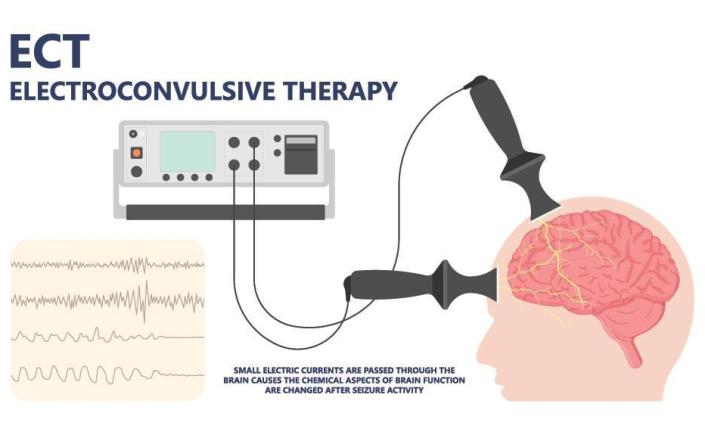
  • Brain stimulation therapy

            Admitting that one needs help is not an easy task. Therefore, providing support, comfort, and assistance for a loved one can make a tremendous difference in one’s mental health outcomes. Simply having one strong social connection has been shown to have multiple health benefits. Most people are not trained in the treatment of depression, but everyone is capable of spending time with those they love and guiding them through the process of recovery.

If you or someone you know is struggling with depression, please contact our psychotherapy offices in New York or New Jersey to talk to one of our licensed professional psychologists, psychiatrists, psychiatric nurse practitioners, or psychotherapists at Arista Counseling & Psychotherapy. Contact our Paramus, NJ or Manhattan, NY offices respectively, at (201) 368-3700 or (212) 722-1920 to set up an appointment. For more information, please visit http://www.counselingpsychotherapynjny.com/

Sources:

https://www.who.int/news/item/02-03-2022-covid-19-pandemic-triggers-25-increase-in-prevalence-of-anxiety-and-depression-worldwide#:~:text=COVID%2D19%20pandemic%20triggers%2025,of%20anxiety%20and%20depression%20worldwide

https://www.healthline.com/health/depression/recognizing-symptoms#lostinterest

Image Source: https://ggsc.s3.amazonaws.com/images/uploads/How_Friends_Help_You_Regulate_Your_Emotions.jpg

The Link between Alcoholism and Depression

By Jenna Chiavelli

Alcoholism and Depression

Alcohol Use Disorder is characterized by disordered drinking that leads to significant distress and changes in behavior. One of the strongest predictors of alcoholism is family history, as genetics can attribute to one’s predisposition to alcoholism. Underlying psychological disorders contribute to alcoholism as well as people turn to substances to numb pain. Socially speaking, one’s environment can lead to alcoholism if the environment favors a culture of drinking.

Addiction is a controlling disease and when mixed with depression, treatment can become even more complex. Depression is a common co-occurring disorder with at least 30%-40% of alcoholics experiencing a depressive disorder. Depression is a mood disorder which can generate persistent feelings of sadness, worthlessness, and pessimism, disrupting everyday life. The combination of addiction and depression is especially harmful as the conditions fuel each other.

Depression Contributing to Alcoholism

Substances like alcohol can be appealing to those suffering from depression, as alcohol’s sedating effects offer an escape from overwhelming feelings of sadness. This form of self-medication can temporarily relieve depressive symptoms, but this is not a permanent solution. Over time, the feelings of sadness linger despite the sedating effects of alcohol, leading those struggling with depression to increase their alcohol intake to suppress the pain. This dangerous cycle contributes to a substance abuse disorder.

Alcoholism Contributing to Depression

Alcohol releases neurotransmitters in the brain, resulting in the euphoric feeling of being drunk. As alcohol users consistently chase this high, the copious amount of alcohol is simultaneously limiting the brain’s ability to sustain neurotransmitters at normal levels. This disruption in the nervous system impacts one’s mood; therefore, when there is a reduction of neurotransmitters a person may feel symptoms of depression. Additionally, alcohol increases the duration and severity of depressive episodes and increases the likelihood of suicidal thoughts. 

Drinking alcohol also alters behavior and fuels acts of impulse. The consequences of one’s drunken actions may be overwhelming leading to feelings of sadness and shame. Heavy drinking can disrupt relationships and interfere with work, damaging one’s social sphere. The constant ramifications from drinking can easily contribute to depression as well.

Treatment for Co-Disorders

In some cases, removing alcohol from the equation is enough to relieve symptoms of depression. In other cases, therapy, rehabilitation, and medications may be necessary. It is important to note that medication alone will not effectively treat co-occurring depression and addiction. Therapy is required in order to understand what originally contributed to one’s depression/addiction. Gaining a deeper understanding to one’s emotions and history could help prevent a relapse in the future. Additionally, confiding in others and sharing stories of similar nature reminds people that they are not alone in their struggles, fostering a sense of community. With a little bit of help, it is possible to break the dangerous cycle of alcohol and depression.

If you or someone you know is seeking therapy for depression and/or addiction, please contact our psychotherapy offices in New York or New Jersey to talk to one of our licensed professional psychologists, psychiatrists, psychiatric nurse practitioners, or psychotherapists at Arista Counseling & Psychotherapy. Contact our Paramus, NJ or Manhattan, NY offices respectively, at (201) 368-3700 or (212) 722-1920 to set up an appointment. For more information, please visit http://www.counselingpsychotherapynjny.com/

Sources

https://www.addictioncenter.com/alcohol/alcohol-depression/#:~:text=At%20least%2030%25%2D40,of%20the%20symptoms%20of%20depression.

https://www.psychologytoday.com/us/blog/addiction-recovery/202102/healing-depression-and-addiction

https://www.psychologytoday.com/us/basics/alcohol

Image

Body Dysmorphic Disorder-Beautiful In Your Own Skin Month

Body Dysmorphic Disorder-Beautiful In Your Own Skin Month

By Fiona McDermut

            In light of the start of “beautiful in your own skin” month, it is important to recognize that many struggle with body image satisfaction. Not all people look in the mirror and feel content with what they see. Even if those around you do not understand your body-related concerns, your feelings are totally valid and can be helped with treatment.

            Body dysmorphic disorder (body dysmorphia) is a mental illness characterized by a hyper fixation on perceived defects in one’s appearance. This interferes with day-to-day life because one may spend a large amount of time worrying or attempting to adjust the perceived flaw. These behaviors usually result in obsessive body comparison to others, avoidance of social interaction, and frequent negative body-checking (looking in the mirror repeatedly at disliked body parts). Unfortunately, many have associated their own happiness with how closely their bodies align with current beauty standards portrayed in the media. As one lets these thoughts progress, they can worsen, and possibly be a precursor to an eating disorder or other disorders associated with body dissatisfaction such as depression and obsessive compulsive disorder.

            While many believe that cosmetic surgery will fix their perceived flaws, research has shown that such surgeries do not improve psychological symptoms of body dysmorphic disorder. The first step to resolving the issue is recognizing that you have a warped view of what you look like. If you or someone you know experiences this, it can be very beneficial to seek psychological/psychiatric assistance. Professionals in the field will be able to decide the best way to treat these disordered thoughts. The most common treatment for body dysmorphia is cognitive behavioral therapy (CBT). Other possible treatments include hypnotherapy, exposure therapy, acceptance and commitment therapy (ACT), and the prescription of antidepressant medication in order to decrease the feelings of dissatisfaction.

            Working with a professional is important in situations like these, but it is still important to remind yourself that your perceived flaws are only noticed by you, and likely not those around you. Nobody is perfect, but with the constant pressure of modern media to be thin, our flaws often appear to be more apparent to ourselves than they are to others. The practice of mindfulness exercises may also help to focus your mind on what you have learned to love about yourself, and of course, do not be afraid to seek help when necessary.

If you or someone you know is struggling with body dysmorphic disorder, please contact our psychotherapy offices in New York or New Jersey to talk to one of our licensed professional psychologists, psychiatrists, psychiatric nurse practitioners, or psychotherapists at Arista Counseling & Psychotherapy. Contact our Paramus, NJ or Manhattan, NY offices respectively, at (201) 368-3700 or (212) 722-1920 to set up an appointment. For more information, please visit http://www.counselingpsychotherapynjny.com/

Sources:

https://www.psychologytoday.com/us/blog/the-couch/201507/whats-the-best-way-deal-negative-body-image

https://www.psychologytoday.com/us/blog/shrink/201409/how-stop-hating-your-body

https://www.sciencedirect.com/science/article/abs/pii/S1740144507000988

Image source: https://www.additudemag.com/adhd-related-body-dysmorphic-disorder/

Why Men are less likely to Seek Mental Health Services

By Jenna Chiavelli

Why Men are less likely to Seek Mental Health Services

Recent research studies have found that men are less likely to seek mental health assistance compared to their female counterparts. Men are also less likely to disclose a mental health problem to friends and family. This isn’t because men are immune to mental illnesses but rather something larger is deterring men from reaching out for help. So what can psychologists attribute this to? The answer is toxic masculinity.

Toxic masculinity refers to harmful social norms about how men should behave that lead to misogyny, homophobia, violence, and mental health issues. In our society, we typically categorize women as the emotional figures and men as the strong and brave figures. Due to these social norms, people assume that men do not need mental health services as it is perceived as unnatural for men to discuss their emotions and feelings. Men themselves see seeking help as a sign of weakness, tarnishing their masculinity.

The media contributes to this societal problem as well, as a majority of mental health advertisements are targeted towards women and feature women. This further perpetuates the idea that mental health is a women’s issue, rather than a human issue. It is time we stop gendering mental health and remove the stigma surrounding men’s mental health.

Why it Matters

In 2020, men died by suicide 3.88x more than women. White males accounted for 69.68% of suicide deaths in 2020. It is abundantly clear that there are men struggling with mental health conditions, so much so, that they believe suicide is the only answer. If we continue to feed into toxic masculinity, men will continue to avoid help when they need it most. So what can we do about it?

Ways to Help

  1. Educate yourself and others – mental health problems are medical problems that can impact anybody regardless of gender.
  2. Talk openly about mental health – sharing personal experiences with mental health problems can make others more comfortable talking about their own experiences.
  3. Show compassion for those with mental health problems – showing compassion for those suffering can help reduce feelings of shame.  
  4. Check on the men in your life – Men are less likely to share their feelings compared to women, so work on having honest conversations with the men in your life. Let them know that you are there for them and stay alert of any concerning changes in behavior.

If you or someone you know is seeking therapy, please contact our psychotherapy offices in New York or New Jersey to talk to one of our licensed professional psychologists, psychiatrists, psychiatric nurse practitioners, or psychotherapists at Arista Counseling & Psychotherapy. Contact our Paramus, NJ or Manhattan, NY offices respectively, at (201) 368-3700 or (212) 722-1920 to set up an appointment. For more information, please visit http://www.counselingpsychotherapynjny.com/

Sources

https://afsp.org/suicide-statistics/

https://www.psychologytoday.com/us/blog/the-race-good-health/201902/mental-health-among-boys-and-men-when-is-masculinity-toxic

Image

Maternal Mental Health Month: Postpartum Depression

Maternal Mental Health Month: Postpartum Depression

By Fiona McDermut

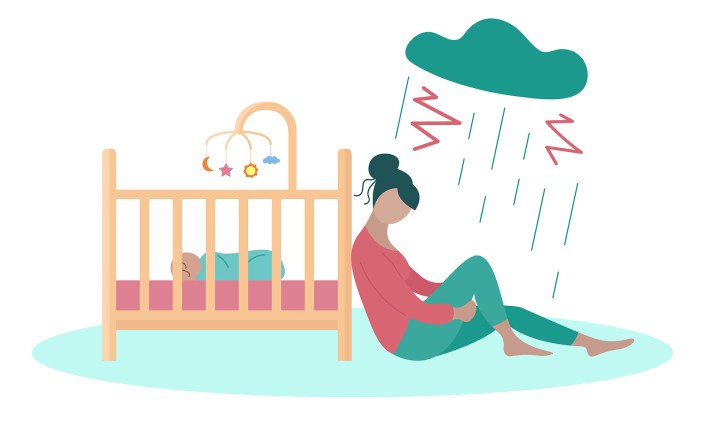
As we come to the end of Maternal Mental Health Month, it is important to recognize postpartum depression which affects one in ten new mothers. Postpartum depression is characterized by significant depressive symptoms following child birth. This is caused by the dramatic drop of hormone levels in the mother. Unfortunately, nearly half of these women are never diagnosed and therefore, never properly treated.

It is crucial to be able to identify what is normal after child birth. It is completely normal to have occasional bouts of sadness due to fluctuation in hormones, also known as “baby blues”. Many women also experience anxious thoughts as a new mother. This is frequent because of the newfound responsibility of being a parent combined with excitement and restlessness. Although these symptoms are not pleasant, they are extremely common and can go away on their own or with simple self-help techniques. Some easy self-help techniques include exercise, listening to music, exposure to morning light, and even physical touch such as more frequent hugs!

On the other hand, worrisome results of childbirth include major depressive disorder (MDD) and psychosis. Although the symptoms of MDD (sadness, lack of pleasure, loss of interest, etc.) are similar to normal feelings after childbirth, if these symptoms persist for more than two weeks, it is no longer something to brush off.

The two main treatments of postpartum depression include psychotherapy and anti-depressant medication. Cognitive behavioral therapy (CBT) and interpersonal therapy (IPT) have shown to be the most effective methods of psychotherapy treatment. Many find that the most effective results come from a combination of psychotherapy and medication. While there are many options for treatment, the best course of action is to get new mothers who are suffering from these symptoms in touch with a psychiatric professional as soon as possible, and to work with the doctor directly to select the most effective treatment plan for each individual.

If you or someone you know is struggling with postpartum depression, please contact our psychotherapy offices in New York or New Jersey to talk to one of our licensed professional psychologists, psychiatrists, psychiatric nurse practitioners, or psychotherapists at Arista Counseling & Psychotherapy. Contact our Paramus, NJ or Manhattan, NY offices respectively, at (201) 368-3700 or (212) 722-1920 to set up an appointment. For more information, please visit http://www.counselingpsychotherapynjny.com/

Sources:

https://www.psychologytoday.com/us/blog/demystifying-psychiatry/201707/possible-new-treatment-post-partum-depression

https://www.psychologytoday.com/us/blog/call/201903/post-partum-depression-what-it-is-and-how-it-is-treated

https://www.psychologytoday.com/us/blog/call/201701/depression-psychiatrist-s-recommendations-self-care

Image Source: https://www.google.com/imgres?imgurl=https%3A%2F%2Fres.cloudinary.com%2Fdyw8mv3b0%2Fimage%2Fupload%2Fc_fill%2Cg_face%2Cq_85%2Cw_710%2Ch_355%2Cf_auto%2Fv1%2Fnews%2F2021_04%2F2561982d-c1d3-4f7d-9529-84b7f2c44e74_xjw2id.jpg&imgrefurl=https%3A%2F%2Fwww.politicshome.com%2Fthehouse%2Farticle%2Fmaternal-mental-health-week&tbnid=t29_QLahacsWRM&vet=12ahUKEwj0tsm7rPj3AhWKrnIEHZiGDJoQMygOegUIARD2AQ..i&docid=VcXxB5YbuIGLWM&w=710&h=355&q=maternal%20mental%20health&ved=2ahUKEwj0tsm7rPj3AhWKrnIEHZiGDJoQMygOegUIARD2AQ

Insomnia: How Depression Is Related to Insomnia

By Kim Simone

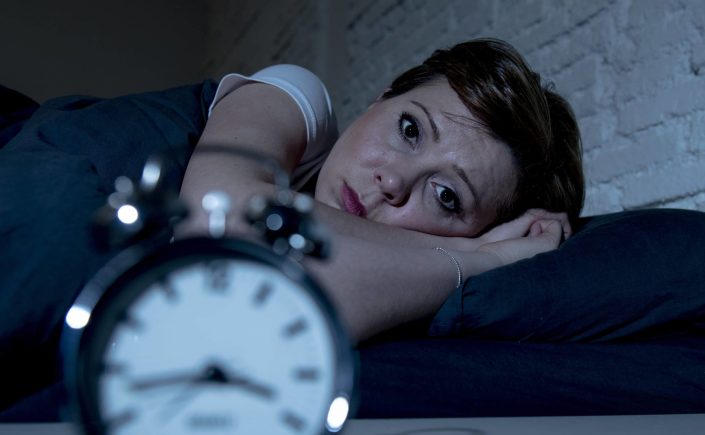
Symptoms of insomnia occur in approximately 33% to 50% of the adult population and undoubtedly affect a variety of areas of an individual’s life. In addition to a complaint of dissatisfaction with sleep quality or quantity, individuals may have difficulty falling asleep, difficulty maintaining sleep, and early-morning awakening with an inability to fall back to sleep. These difficulties may occur at least 3 nights per week and be present for at least 3 months.

Oftentimes, these sleep disturbances affect various parts of an individual’s daily life. As a result of poor sleep, individuals struggling with insomnia may display difficulties behaviorally, socially, academically.

Those struggling with depression oftentimes present with symptoms of insomnia, as the condition may influence their quality and/or quantity of sleep. Depressive symptoms often influence an individual’s quality of sleep and how much they sleep.

On the contrary, those struggling with insomnia oftentimes present with symptoms of depression. Since feelings of depression may cause individuals to lose interest in their daily activities and withdraw from those closest to them, therapy is often the treatment of choice to alleviate the depressive symptoms that result from a lack of quality and quantity of sleep.

Cognitive Behavioral Therapy can be useful in the treatment of insomnia. CBT-I is a form of CBT specifically aimed in treating the sleep condition. It concentrates on the specific thoughts and behaviors that disrupt sleep and helps in reframing the negative thoughts that may be associated with concepts related to sleep, such as “bed” and “sleep”.  As a result of CBT, anxieties related to sleep may be lessened, therefore, lessening the prevalence of insomnia.  

Sufferers of insomnia may need to speak to their therapist weekly over the course of two to three months to see an improvement in the quality and quantity of their sleep. As a result, symptoms of depression may be lessened, which may further improve the quality and quantity of their sleep.

If you or someone you know is struggling with insomnia and is seeking therapy, please contact our psychotherapy offices in New York or New Jersey to talk to one of our licensed professional psychologists, psychiatrists, psychiatric nurse practitioners, or psychotherapists at Arista Counseling & Psychotherapy. Contact our Paramus, NJ or Manhattan, NY offices respectively, at (201) 368-3700 or (212) 722-1920 to set up an appointment. For more information, please visit http://www.counselingpsychotherapynjny.com/

Sources:

https://my.clevelandclinic.org/health/diseases/12119-insomnia#:~:text=They%20affect%20up%20to%2070,at%2010%25%20to%2015%25.

https://www.psychologytoday.com/us/conditions/insomnia

Image Source:

Dialectical Behavior Therapy (DBT): a Cognitive Behavioral Approach

Dialectical Behavior Therapy (DBT): a Cognitive Behavioral Approach

By: Jasmyn Cuate

Dialectical behavior therapy (DBT) is a combination of cognitive and behavior therapy, supported by empirical-based evidence that teaches patients skills to cope with and change unhealthy behaviors. The main goals of DBT are to teach people how to live in the moment, develop healthy ways to cope with stress, regulate their emotions, and improve their relationships with others.

DBT focuses on four key areas in therapeutic skills:

  • Mindfulness: focuses on improving your ability to accept and be present in the current moment, helping you use healthy coping skills instead of using negative impulsive behaviors
  • Distress tolerance: teaches you how to feel intense emotions without reacting impulsively or using self-injury or substance abuse to escape from it. Helping you prepare for intense emotions and cope with a more positive long-term outlook
  • Emotion regulation: teaches you how to identify, label, and change your emotions without judging them– learning how your emotions shape your behavior and what obstacles prevent you from managing your emotions, reducing your emotional vulnerability and helps you have more positive emotional experiences
  • Interpersonal effectiveness: allows you to communicate more effectively with others, become more assertive, maintain self-respect and respect for others, while keeping a relationship positive and healthy

DBT goes through a multistage approach where the therapist first treats the patient’s most self-destructive behavior followed by the therapist addressing quality-of-life skills, then focus on improving the patient’s relationships and self-esteem, with the last stage focusing on promoting more joy and relationship connections. Standard comprehensive DBT is often used in the following settings:

  • Individual therapy: with a trained professional, you learn how to apply DBT skills to specific challenges and situations in your life­– patients agree to do homework to practice new skills and fill out diary cards which are completed daily to keep track of their emotions, urges, behaviors, and skills used throughout the week and brought to weekly sessions for the therapist and client to discuss and see if there’s progress being made. Diary cards are designed to record instances of target behaviors, thoughts and urges, and the use of behavioral skills client’s applied to cope with the problem
  • Group skills training: patients have the opportunity to role-play new behavioral skills and interact with others
  • Phone coaching: with DBT, your therapist is available by the phone for in-the-moment support between sessions if you’re in a difficult situation and need guidance

While your therapist works with you through the DBT approach, it can be challenging to stay motivated. Therefore, therapists have consultation groups,which are a group of professionals who met regularly helping one another to navigate potential stressors, monitor their devotion to treatment, develop and increase their skills, and sustain their motivation to work with high-risk, difficult-to-treat clients.

DBT was developed by Marsha Linehan, originally intended to treat borderline personality disorder (BPD) and suicidal behaviors but has been modified to treat other mental health conditions and have been effective in treating:

  • Borderline personality disorder (BPD)
  • Bipolar disorder
  • Substance use or impulsive behaviors
  • Eating disorders
  • Depression
  • Post-traumatic stress disorder (PTSD)
  • Non-suicidal self-injury (NSSI) or suicidal behavior
  • Generalized anxiety disorder (GAD)
  • Attention-deficit/hyperactivity disorder (ADHD)

Overall, DBT offers validation for patients, helping them understand their actions within the context of their personal experiences without necessarily agreeing that their actions are the best approach to solving a problem. This helps patients become more likely to cooperate and work towards self-acceptance and change. The best way to find out if DBT is right for you is to talk with a professional. They will evaluate your symptoms, treatment history, and therapy goals to see if DBT is the best treatment option for you.

If you or someone you know is seeking for dialectical behavior therapy, please contact our psychotherapy offices in New York or New Jersey to talk to one of our licensed professional psychologists, psychiatrists, psychiatric nurse practitioners, or psychotherapists at Arista Counseling & Psychotherapy. Contact our Paramus, NJ or Manhattan, NY offices respectively, at (201) 368-3700 or (212) 722-1920 to set up an appointment. For more information, please visit http://www.counselingpsychotherapynjny.com/

Sources: https://www.webmd.com/mental-health/dialectical-behavioral-therapy https://www.psychologytoday.com/us/therapy-types/dialectical-behavior-therapy

https://www.verywellmind.com/dialectical-behavior-therapy-1067402

https://psychcentral.com/lib/an-overview-of-dialectical-behavior-therapy