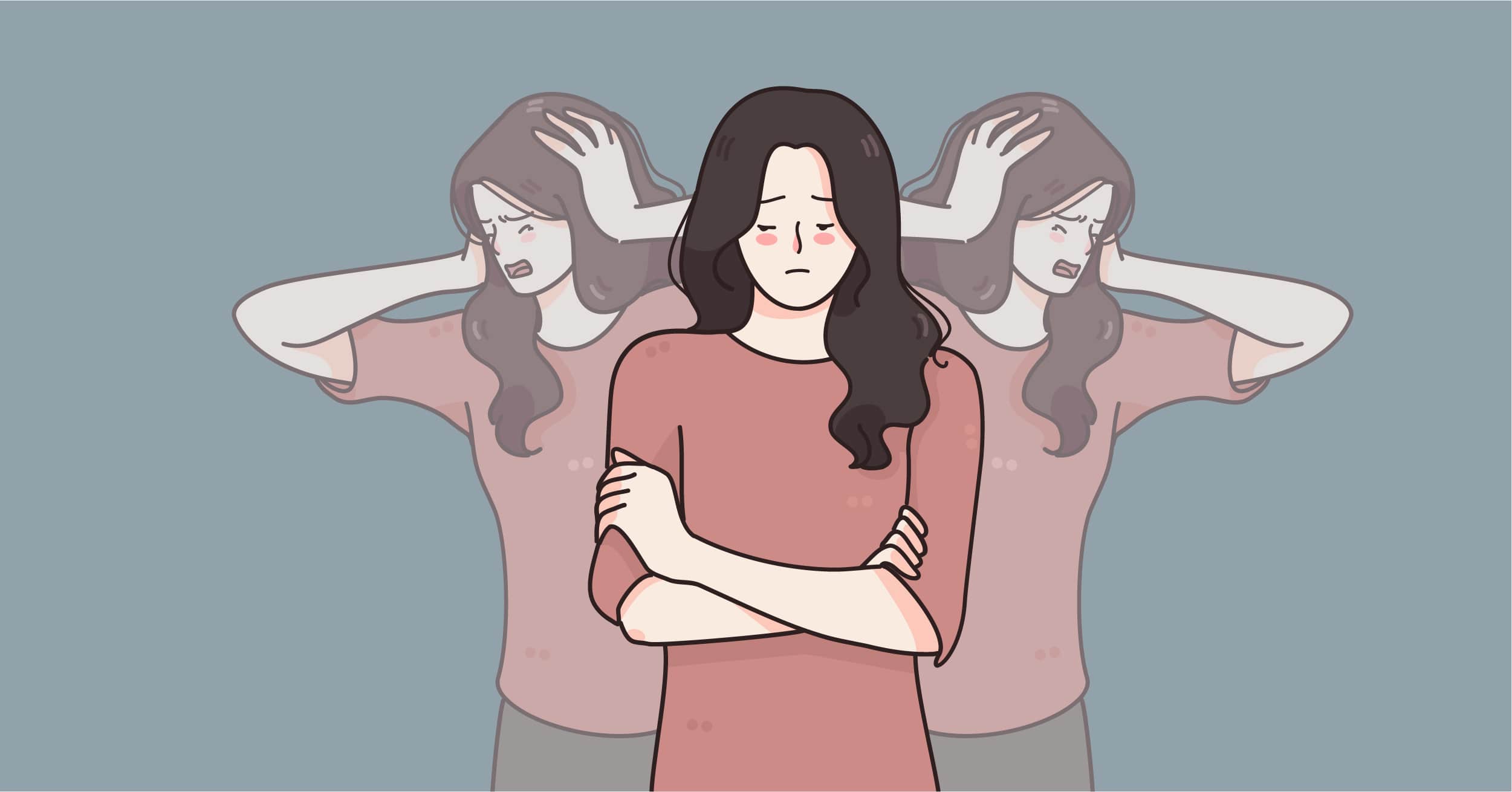
Depression: What is dysthymia?

Depression: What is dysthymia?

By: Josette DeFranco

Dysthymia is mild but has more long-lasting symptoms than major depression. Dysthymia is also known as persistent depression disorder because it is continuous and long-term. There is no exact cause of dysthymia but biological differences, brain chemistry, life events, and inherited traits can play a role. It has been demonstrated that those with depression don’t have any family history of this disorder and those with a family history of depression don’t struggle with this disorder.

Some noticeable symptoms of dysthymia:

  • Loss of enjoyment of regular activities
  • Sadness or depressed mood
  • Lack of motivation
  • Tiredness
  • Sleep problems
  • Problems with decision-making or concentration
  • Restlessness and impatient
  • Low self-esteem
  • Overeating or eating very little
  • Suicidal thoughts
  • Substance misuse
  • Relationship difficulties
  • School or work hardships

Some ways to help prevent dysthymia:

  • Reach out to friends and family
  • Seek medical professional help
  • Work on reducing stress
  • Be patient
  • Be kind to yourself
  • Practice self-care
  • Don’t self-medicate

If you or someone you know is struggling with their mental health, please contact our psychotherapy offices in New York or New Jersey to talk to one of our licensed professional psychologists, psychiatrists, psychiatric nurse practitioners, or psychotherapists at Arista Counseling & Psychotherapy. Contact our Paramus, NJ, or Manhattan, NY offices at (201) 368-3700 or (212) 722-1920 to schedule an appointment. For more information, please visit https://aristapsychiatrypsychotherapy.com/

Resources:

https://www.webmd.com/depression/chronic-depression-dysthymia

https://www.mayoclinic.org/diseases-conditions/persistent-depressive-disorder/symptoms-causes/syc-20350929

Caretaker: How to Take Care of Yourself When Taking Care of a Loved One

 Caretaker: How to Take Care of Yourself When Taking Care of a Loved One

By: Josette DeFranco

Participating in caregiving can come with a lot of stress and responsibility. Many individuals believe that they have to handle it all on their own which can lead to exhaustion and anxiety. Family caregivers at any age have reported that they experience a terrible sleep schedule, poor eating habits, failure to stay active, and failure to make medical appointments for themselves. If you are experiencing this, it is okay to let go of the load you are carrying and know that you are not alone. Caregiving can be an emotional roller coaster that may trigger the same hormonal and neural mechanisms that cause stress chemistry. However, it is noted that those who are caregiving for a loved one find this a rewarding experience.

Here are some tips to help you take care of yourself:

  • Prioritize sleep
  • Eat well
  • Acknowledge your feelings
  • Set boundaries
  • Take on fewer tasks
  • Ask for help
  • Practice Mindfulness
  • Treat yourself
  • Let go of guilt
  • Be honest with yourself

Here is a reminder that self-care isn’t selfish. To take care of others you have to take care of yourself first. Caring for you is the most important tip because we can’t share our assistance if we lack it in ourselves. Be kind to yourself. You may tell yourself “I never do anything right” or “There’s no way I can find time for myself.” Our brains are a reflection of us meaning your brain will start to believe what you are saying. Instead, try positive affirmations like “I am doing a good job at taking care of my parents” or “I will take at least 15 minutes for myself each day.”

If you or someone you know is struggling with their mental health, please contact our psychotherapy offices in New York or New Jersey to talk to one of our licensed professional psychologists, psychiatrists, psychiatric nurse practitioners, or psychotherapists at Arista Counseling & Psychotherapy. Contact our Paramus, NJ or Manhattan, NY offices respectively, at (201) 368-3700 or (212) 722-1920 to set up an appointment. For more information, please visit https://aristapsychiatrypsychotherapy.com/

Sources:

https://www.caregiver.org/resource/taking-care-you-self-care-family-caregivers/

Depression: What Does Your Messy Room Say About You?

Depression: What Does Your Messy Room Say About You?

By, Maro Mikhaeil

Are you struggling with maintaining a clean room? A messy room may represent a disorganized mind and high stress levels. FMRI scans have shown that disorganization and clutter negatively impacts the way our brains work. Some may even go as far to say that it can be seen as a depressive episode. Depression has been shown to make it hard for individuals to take care of themselves physically, especially when it comes down to cleaning their bedrooms. Individuals with depression also demonstrate lack of motivation doing their daily tasks. It can take significantly more energy and effort to accomplish even the smallest tasks.

What exactly is depression?

Depression is characterized as a mood disorder that causes one to feel constantly low or sad and may even affect your interest to do certain activities. Symptoms in depression can vary from mild to severe and there are psychological scales that can assess the severity of the illness. Depression can affect anyone even children and adolescents and risk factors ranges from brain chemistry to genetics to environmental factors and even to personality. For instance, you can experience extreme lows, which may lead to depression if you receive a poor score on an exam for which you have been studying and expected a higher score.

Is depression treatable?

Depression is in fact treatable and can be treated by the following ways:

  1. Psychotherapy, also known as talk therapy in which focuses on one’s feelings and past experiences. It may help to talk to someone about your low moments.
  2. Medications like antidepressants, antipsychotics, and anxiolytics may help with symptoms
  3. Hypnotherapy, also known as hypnosis which puts you in a trance-like state to relax you and helps reduce anxiety and stress

And more!

Although cleaning one’s room may be difficult for individuals who are depressed, there is certainly a way through it. Perhaps try cleaning just a small part of your room each day until the entire space is clean. Having your room cleaned might help your depression even more, since a clean environment is proven to improve mood and reduce stress.

If you or someone you know is struggling with depression or mental health, please contact our psychotherapy offices in New York or New Jersey to talk to one of our licensed professional psychologists, psychiatrists, psychiatric nurse practitioners, or psychotherapists at Arista Counseling & Psychotherapy. Contact our Paramus, NJ or Manhattan, NY offices respectively, at (201) 368-3700 or (212) 722-1920 to set up an appointment. For more information, please visit http://www.counselingpsychotherapynjny.com/

Sources:

https://www.psychiatry.org/patients-families/depression/what-is-depression#section_2

https://www1.racgp.org.au/newsgp/clinical/what-does-clutter-do-to-your-brain-and-body

https://www.webmd.com/balance/ss/slideshow-clutter-affects-health

Depression and Anxiety Post Retirement

By: Ashley Marron

While many people look forward to retirement and its freedom, it can also trigger anxiety, stress, and depression. In fact, the chance of a person facing clinical depression increases by 40% after retirement. People tend to give lots of thought when planning their retirement; whether it’s traveling the world, pursuing new hobbies, or spending more time with family and friends. However, they often overlook the psychological impact of retiring from work. While many new retirees find retiring to be a great relief from escaping the daily grind, they also find that after several months they may miss the sense of identity, meaning, and purpose that came with their job. They lose the structure that their job gave their days, as well as the social-aspect of having co-workers. Retirees may now feel bored and isolated, rather than free, relaxed and fulfilled. They may even grieve the loss of their old life, and feel stressed or worried about how they will now spend the future.

Retiring is a major life change, and it can seriously take a toll on one’s mental health. Seeking help from a professional can help provide coping mechanisms with these challenges of retirement. Therapy can also help in the treatment of depression and anxiety. There are certainly healthy ways to adjust to this new chapter in your life, and it should be an exciting time, not a negative experience. Therapy can help to ensure that your retirement is both rewarding and happy.

If you or someone you know is seeking therapy for depression or anxiety, please contact our psychotherapy offices in New York or New Jersey to talk to one of our licensed professional psychologists, psychiatrists, psychiatric nurse practitioners, or psychotherapists at Arista Counseling & Psychotherapy. Contact our Paramus, NJ or Manhattan, NY offices respectively, at (201) 368-3700 or (212) 722-1920 to set up an appointment. For more information, please visit http://www.counselingpsychotherapynjny.com/          

Sources

https://www.msn.com/en-us/health/wellness/post-retirement-depression-recognizing-the-signs/ss-BB1fWAss

Image Source

https://www.msn.com/en-us/health/wellness/post-retirement-depression-recognizing-the-signs/ss-BB1fWAss