COVID-19: Impact of COVID-19 on Mental Health of College Students

COVID-19: Impact of COVID-19 on Mental Health of College Students

By Celine Bennion

The COVID-19 pandemic has affected us in more ways than just illness itself. From strict isolation measures to mask mandates, several necessary health protocols have changed the way we carry out our daily lives. This is especially true for college students who were forced to transition to online learning, shifting the established routines they once knew.

At the onset of the pandemic, students residing on campus were forced out of their dorms to prevent the spread of COVID-19. Without a place to stay on campus, they moved back home, forcing a drastic change in living situations. Even commuter students had to adjust to new norms, as they were no longer allowed to study on campus. With siblings also engaged in online school and parents working from home, their learning environment quickly changed from a quiet classroom to a bustling household. These changes posed several challenges, as many students found it increasingly difficult to stay focused in lectures and successfully absorb the material they were presented with.

Additionally, because students could not be present on campus, they were no longer able to engage in everyday social interactions. Meeting up with friends to study, attending club meetings, and participating in sports were no longer an option after transitioning to remote learning. These fundamental social interactions are vital for college students to maintain their wellbeing and to properly develop as individuals.

The major academic and social changes that transpired due to the pandemic led to a serious rise in reports of mental health challenges. According to a 2020 Active Minds survey on college students, about 75% of respondents indicated that their mental health had declined during the pandemic. Students specifically reported increased levels of anxiety, loneliness, sadness, and stress. With the many changes that students quickly had to manage, these feelings are understandable.

The rise of mental health challenges has prompted numerous universities to initiate changes to the psychological services that are offered to students. Many students have access to Telehealth counseling sessions and other mental health resources through their university. These resources allow students to obtain proper assistance for navigating their personal challenges.

It is essential that universities acknowledge the struggles their students are facing and make appropriate changes to support them through this difficult time.

If you or someone you know is seeking therapy, please contact our psychotherapy offices in New York or New Jersey to talk to one of our licensed professional psychologists, psychiatrists, psychiatric nurse practitioners, or psychotherapists at Arista Counseling & Psychotherapy. Contact our Paramus, NJ or Manhattan, NY offices respectively, at (201) 368-3700 or (212) 722-1920 to set up an appointment. For more information, please visit http://www.counselingpsychotherapynjny.com/

Sources:

https://www.northjersey.com/story/news/education/2021/09/13/nj-colleges-covid-student-burnout-stress-mental-health-toll/5716116001/

https://online.maryville.edu/blog/stress-in-college-students-recognize-understand-and-relieve-school-stress/ (photo)

Post-College Anxiety

Post-College Anxiety

By: Julia Massa

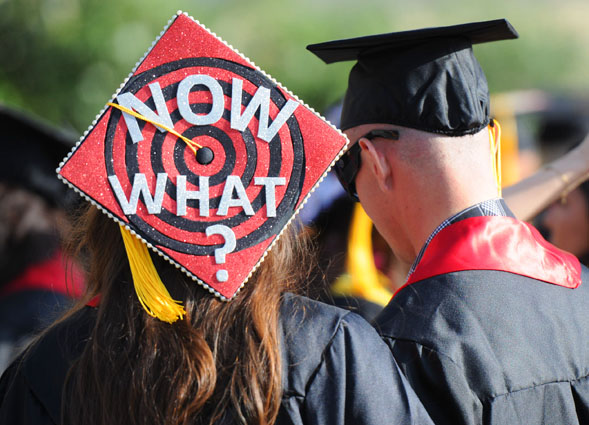
Post-college anxiety, or Post Commencement Stress Disorder, though not an official medical diagnosis, is used to describe the uncertainty and anxiety college graduates often feel as a result of their achievement. With both internal and external expectations to “measure up,” graduates find themselves conflicted, depressed, and pressured. Graduates may fear failure due to not finding a job as well as feel pressured to pay back their student debt without having a secure job or realizing that career path just isn’t for them. Furthermore, they may feel alone due to moving back home and changing their social contexts. In fact, 53% of 18-to-24 year old graduates live with their parents after graduation. Homesickness is a cycle, perhaps.

From being a student at the mere age of five to an actual member of society can lead to an identity crisis. Additionally, college students may have trouble sleeping, concentrating, become less interested in socializing, experience shortness of breath or rapid heart rate, feel a lack of control of their life, or numb these feelings with alcohol, drugs, or binge-eating.

Feeling nervous about the future is a normal reaction to uncertainty, especially if you thrive on consistency and routine. Graduates can address feelings of uncertainty by practicing test runs for job interviews, “zooming in” and looking at each step, getting feedback from multiple resources like resume writers or networking events, and embracing the chaos. When life becomes complex, it is important to practice self-care and remind yourself that it is not a bad day- just a complex one. Moreover, if a graduate is stressed about finances, they can be financially proactive and learn banking, create an emergency fund, SAVE little by little, or create a realistic payment plan to pay off their loans. 

Graduating is a bittersweet experience. Adjusting to change can be scary, but in the case of college grads, they are on the path to prosper. Though it is easier said than done, it is important to embrace each chapter and live day by day.

If you or someone you know is struggling with post-college anxiety, please contact our psychotherapy offices in New York or New Jersey to talk to one of our licensed professional psychologists, psychiatrists, psychiatric nurse practitioners, or psychotherapists at Arista Counseling & Psychotherapy. Contact our Paramus, NJ or Manhattan, NY offices respectively, at (201) 368-3700 or (212) 722-1920 to set up an appointment. For more information, please visit http://www.counselingpsychotherapynjny.com/

Sources:
https://extension.wvu.edu/food-health/emotional-wellness/post-graduation-stress#:~:text=Lushkin%20lists%20these%20common%20symptoms,in%20a%20reasonable%20length%20of

https://www.careercontessa.com/advice/how-to-deal-post-grad-anxiety/

https://www.psycom.net/college-graduation-anxiety-expert-advice/

https://www.gile-edu.org/articles/post-graduation-stress/#:~:text=Symptoms%20of%20post%2Dgraduation%20stress%20and%20anxiety%20can%20include%3A&text=%E2%80%93%20Sleeplessness%20and%20irritability.,for%20a%20length%20of%20time.&text=%E2%80%93%20Numbing%20of%20feelings%20with%20alcohol,%2Deating%2C%20and%20recreational%20drugs.

Image source:

Vaping; Vaping Addiction is Becoming More Prevalent in Teenagers and Young Adults

Vaping; Vaping Addiction is Becoming More Prevalent in Teenagers and Young Adults

By: Priya Desai

Vaping has risen tremendously in the past couple of years, especially within the teenage population.  Patients as young as 13 years old were reported to either get sick or die after they vaped. Products that are harmful to your body would be e-cigarettes that include nicotine, THC, and even vitamin E acetate. Many users started using vapes that contain vitamin E to help them reduce their use or contain their use, but these were recently found to be harmful too. People’s lungs end up looking like popcorn lungs due to vaping. Vaping is linked to EVALI which stands for e-cigarette or vaping use-associated lung injury. Symptoms for this disease include shortness of breath, coughing, vomiting, fever and chills, chest pain, dizziness, headache, and diarrhea. To diagnose this, doctors evaluate the patient’s history of vaping devices and take an X-ray of the chest or a CT scan of the lungs. This disease is newer, and among the cases reported, about 96% of patients have needed to be hospitalized.

Vaping is extremely addictive and many teens smoke this to fit in, but this is also why many of them enter early adulthood with a nicotine addiction. Teenager’s vape out of curiosity. There are a variety of different flavors these products provide, and so the teens often do tricks with the device. Normal cigarette smoking has gone down within the teenage population, but e-cigarettes have gone up because they are “easier” to get away with since there is no odor and they are easier to hide. People are also attracted to the different flavors that stores sell. Although e-cigarettes might not seem that harmful, one pod of liquid nicotine is equivalent to smoking one pack of cigarettes.

If you or someone you know is seeking therapy for a vaping addiction, please contact our psychotherapy offices in New York or New Jersey to talk to one of our licensed professional psychologists, psychiatrists, psychiatric nurse practitioners, or psychotherapists at Arista Counseling & Psychotherapy. Contact our Paramus, NJ or Manhattan, NY offices respectively, at (201) 368-3700 or (212) 722-1920 to set up an appointment. For more information, please visit http://www.counselingpsychotherapynjny.com/

Citations: https://www.psychologytoday.com/us/blog/mind-matters-menninger/202001/vaping-teens-are-dying-be-cool-and-collected

https://www.lung.org/lung-health-diseases/lung-disease-lookup/evali

https://www.rallyhealth.com/quit-smoking/why-do-so-many-teens-vape

Image Citation: https://www.google.com/url?sa=i&url=https%3A%2F%2Fwww.ochd.org%2F2020%2F09%2F18%2Fcdc-study-reveals-teen-vaping-use-down-in 2020%2F&psig=AOvVaw1NH06SDRcHM5tWOL_daimc&ust=1631802234262000&source=images&cd=vfe&ved=0CAsQjRxqFwoTCIDMk6uXgfMCFQAAAAAdAAAAABAM

Suicide and Mental Health Issues in College Students

By Samantha Glosser

Many students expect their college years to be the best years of their lives. They will achieve great academic successes, make life-long friends, go to the best parties, and enjoy living away from their parents. This idea is emphasized all around us in movies, TV shows, and social media posts. However, this is a glorified image of college that may not be the case for all students. In fact, according to a recent study by the American College Health Association, about 1 in every 11 college students have attempted suicide; 1 in 5 students has considered suicide and 1 in 5 students engage in self-harm.

How could these statistics be true when students are told that they are living in the best years of their lives? As it turns out, the college years are filled with numerous different stressors. These stressors include academic and career difficulties, intimate relationships, finances, personal and family health problems, issues with personal appearance, and death of family members and friends, just to name a few. 3 out of every 4 college students have experienced at least one of these stressors within the last year. These stressors are highly associated with mental health diagnoses, self-harm, and suicidality. The societal pressure that college should be the best years of your life can also be contributing to these statistics. If a student feels alone or thinks that no one else is experiencing similar feelings, it can push them closer towards self-harm and suicide.

If you or someone you know appears to be at immediate risk of suicide, please call the National Suicide Prevention Hotline at 1-800-273-8255. If you are not at immediate risk, but appear to be suffering from suicidal thoughts or other mental health issues, the licensed psychologists, psychiatrists, psychiatric nurse practitioners, and psychotherapists at Arista Counseling & Psychotherapy can assist you. Contact our Paramus, NJ or Manhattan, NY offices respectively, at (201) 368-3700 or (212) 722-1920 to set up an appointment. For more information, visit http://www.counselingpsychotherapynjny.com/

Source: https://psychcentral.com/news/2018/09/11/survey-1-in-5-college-students-stressed-considers-suicide/138516.html