Discipline and the Effects of Yelling at a Child

By Katie Weinstein

When it comes to verbal abuse, many people disregard it as a form of abuse because it is not as concrete as physical or sexual abuse, and it is more difficult to draw the line between verbal abuse and scolding. However, the effects of yelling and verbal abuse are just as detrimental and intense as any other type of abuse and can lead to depression and anxiety.

Being yelled at frequently increases the activity of the amygdala, which is the area of the brain that is responsible for emotions. This is because loud noises are signaled to the brain as a warning sign for danger. The amygdala increases stress hormones in the body, which increases muscular tension. These signals tell the body to fight, flight, or freeze, but none of these options are okay when a parent is yelling at a child since it isn’t acceptable to run away from a caregiver or fight them, which leaves the body to be in a stress condition with no purpose or function.  

There are long term effects of yelling at a child frequently since the brain develops neuronal pathways according to our experiences. If the child is conditioned to frequently respond to stressful situations, the child will develop pathways that activate a stress response quickly. Since negative interactions impact a person more than positive interactions, it affects our expectations and self-esteem drastically, especially if the yelling involves name calling, as well as behavior. One might think that yelling would get a child not engage in a specific behavior, but in reality yelling increases bad behavior due to stress and increased aggression as a result of a hyperactive amygdala, which may cause the parent to yell more. Since the child is constantly stressed, they are at risk for mental health problems such as anxiety and depression. Additionally, since yelling is not an effective communication style, the child may not learn to properly communicate, which can affect the child’s relationships in the future, leading to more problems down the road.

If you or someone you know is experiencing trauma from verbal abuse please contact our psychotherapy offices in New York or New Jersey to talk to one of our licensed professional psychologists, psychiatrists, psychiatric nurse practitioners, or psychotherapists at Arista Counseling & Psychotherapy. Contact our Paramus, NJ or Manhattan, NY offices respectively, at (201) 368-3700 or (212) 722-1920 to set up an appointment. For more information, please visit http://www.counselingpsychotherapynjny.com/

https://optimistminds.com/psychological-effects-of-being-yelled-at/

The Problem with Yelling

https://www.healthline.com/health/parenting/effects-of-yelling-at-kids

Antidepressants

Antidepressants

By: Lauren Hernandez

            If you or someone you know has been seeing a psychiatrist or psychiatric nurse practitioner for treatment of depression, there are various types of antidepressants a mental health provider can prescribe. It is important to be familiar with different types of antidepressants in order for you, as the patient, to understand what the medication actually does on a neurological level.

The most common type of antidepressant prescribed is a Selective Serotonin Reuptake Inhibitor, known as an SSRI. SSRIs mainly treat depression but they are also effective in the treatment of anxiety disorders, Obsessive-Compulsive Disorders, and Post Traumatic Stress Disorder. Serotonin is a neurotransmitter in the brain which impacts your mood, sexual desire, appetite, sleep, memory and learning as well as other similar functions. On a neurological level, SSRIs prevent serotonin reabsorption which builds up serotonin in the synapse. This allows receptors to receive the signal and react with the optimal amount of serotonin. People suffering from major depressive disorder and anxiety disorders typically have lower serotonin levels. By preventing reabsorption in the synapse via medications, symptoms of these disorders may decrease. In 1987 Prozac was the first approved for treatment of those with depression and became one of the most prescribed antidepressants. Other common SSRIs include Lexapro, Paxil, Zoloft, and Celexa.

Serotonin and norepinephrine reuptake inhibitors, SNRIs differ from SSRIs in that they block the reabsorption of serotonin and norepinephrine. Norepinephrine is a neurotransmitter that influences hormones and the “fight or flight” response in the brain. Approved SNRIs include Cymbalta, Pristiq and Effexor XR.

Some of the other common types of antidepressants prescribed include norepinephrine and dopamine reuptake inhibitors (NDRIs) which block the reabsorption of norepinephrine and dopamine. This is only seen to be effective in the medication bupropion, which is also known as Wellbutrin. Other types of antidepressants that are less common include Tetracyclics (TCA’s), Monoamine Oxidase Inhibitors (MAOI’s), and Serotonin Antagonist and Reuptake Inhibitors. These older medications are not prescribed as frequently because of the development of newer medications that effectively decrease symptoms and have fewer side effects.

Medication is helpful; however, it is most effective when used in combination with different types of psychotherapy or support groups. If you or someone you know is struggling with depression or any type of anxiety or mood disorder, it is important to seek professional help from a psychiatrist or psychiatric nurse practitioner who can provide antidepressants as well as support through talk therapy. If you or someone you know is currently taking antidepressants, it is extremely important to continue taking the medication and avoid discontinuations.

If you or a loved one is suffering from depression, anxiety, or a mood disorder, please contact Arista Counseling & Psychotherapy, located in New York and New Jersey to speak to licensed professional psychologists, psychiatrists, psychiatric nurse practitioners or psychotherapists. To contact the office in Paramus NJ, call (201) 368-3700. To contact the office in Manhattan, call (212) 722-1920. For more information, please visit http://www.counselingpsychotherapynjny.com/ .


Sources:

https://www.mayoclinic.org/diseases-conditions/depression/in-depth/antidepressants/art-20044970

https://www.webmd.com/depression/how-different-antidepressants-work#1-3

Image Source:

https://www.google.com/url?sa=i&source=images&cd=&ved=2ahUKEwjFgIeKmvPiAhVCnOAKHeFIDMkQjRx6BAgBEAU&url=https%3A%2F%2Fwww.verywellmind.com%2Fwhat-are-the-major-classes-of-antidepressants-1065086&psig=AOvVaw2C3kM7Q4RG9lVpyMGcv6xk&ust=1560953229169790


Depression in Children: What are the Signs?

By: Sally Santos

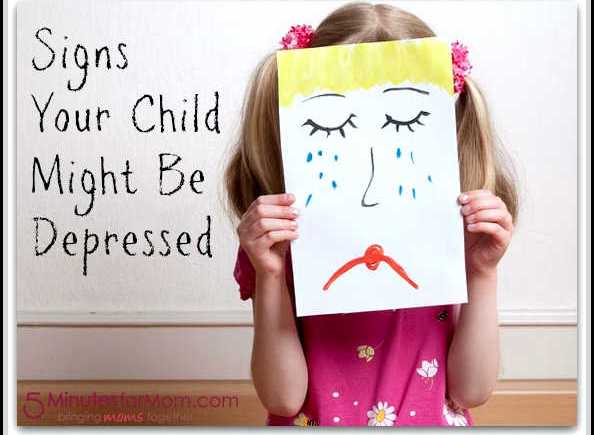
In children the most common mental health disorder is depression. When a child is going through depression it may affect their mental and physical health. As mentioned in a Psychology Today article the symptoms “must also interfere with the child’s functioning in normal daily activities.” Since children are still young they are not able to communicate their feelings well to others. Children with depression can be helped that’s why it is important for parents, caregivers and teachers to recognize the signs of depression. Some of the symptoms are:

  • Angry outburst
  • Anxiety
  • Decreased in energy
  • Feelings of hopelessness
  • Lack of concentration
  • Weight loss
  • Insomnia
  • Refusal to go to school

According to the National Alliance of Mental Health “Once a young person has experienced a major depression, he or she is at risk of developing another depression within the next five years.”

Sources:

https://www.psychologytoday.com/us/blog/alphabet-kids/201009/20-signs-and-symptoms-childhoodteen-depression

https://www.psychologytoday.com/us/blog/alphabet-kids/201009/depressing-news-about-childhood-and-adolescent-depression

Image:

https://www.anxietymedications.net/childhood-depression-symptoms-and-signs-to-diagnose-stress-on-kids/

If you are a parent and are concerned about your child having depression call the licensed psychologists, psychiatrists, psychiatric nurse practitioners, and psychotherapists at Arista Counseling & Psychotherapy can assist you. Contact our Paramus, NJ or Manhattan, NY offices respectively, at (201) 368-3700 or (212) 722-1920 to set up an appointment. For more information, visit http://www.counselingpsychotherapynjny.com/