Depression During The Holidays

Depression during the Holidays

By: Diane Ulloa

Social isolation is one of the biggest predictors of depression and social media has made it so you can watch all your friends and family celebrate from thousands of miles away. According to the American Psychological Association around 38% of people surveyed said their stress unfortunately increased during the holiday season which can lead to physical illness, depression, anxiety, and substance misuse. It is very common to experience depression or anxiety during the holiday season due to the loss of a family member. Stress also accompanies buying gifts, alongside with social anxiety that comes with extended family reunions. People battling with anxiety or depression can feel overwhelmed when they are met with the unrealistic expectations of the holiday season and with financial burdens that may come during this time.

To combat these obstacles, which get in the way of family fun, one can set realistic expectations of the holiday parties, and realistic expectations of one’s own self. You can do this by taking these steps:

  1. Pace yourself: Do not take on more responsibilities than you can handle and this can also be for food and drinking.
  2. Live and enjoy the present: don’t set yourself up for disappointment by comparing the good ol’ days of the past with the present.
  3. Try to find holiday activities that won’t strain your pockets: going on a drive to look at the beautiful lights in a nearby neighborhood, window shopping, and watching good holiday movies.
  4. Make time for yourself, and make time to take your mental health into account. Surrounding yourself with caring people that can understand your daily battles can be very beneficial.
  5. Be careful not to overspend: overspending can lead to depression or anxiety later on down the road.
  6. If you are lonely, try volunteering time to help others, this could be volunteering at your local place of worship or perhaps at a homeless shelter.

If you or someone you know is struggling with their mental health, or has seasonal depression please contact our psychotherapy offices in New York or New Jersey to talk to one of our licensed professional psychologists, psychiatrists, psychiatric nurse practitioners, or psychotherapists at Arista Counseling & Psychotherapy. Contact our Paramus, NJ or Manhattan, NY offices respectively, at (201) 368-3700 or (212) 722-1920 to set up an appointment. For more information, please visit http://www.counselingpsychotherapynjny.com/

Sources: https://www.webmd.com/depression/holiday-depression-stress

ADHD: What Symptoms Should You Look for?

ADHD: What Symptoms should you look for?

By: Diane Ulloa

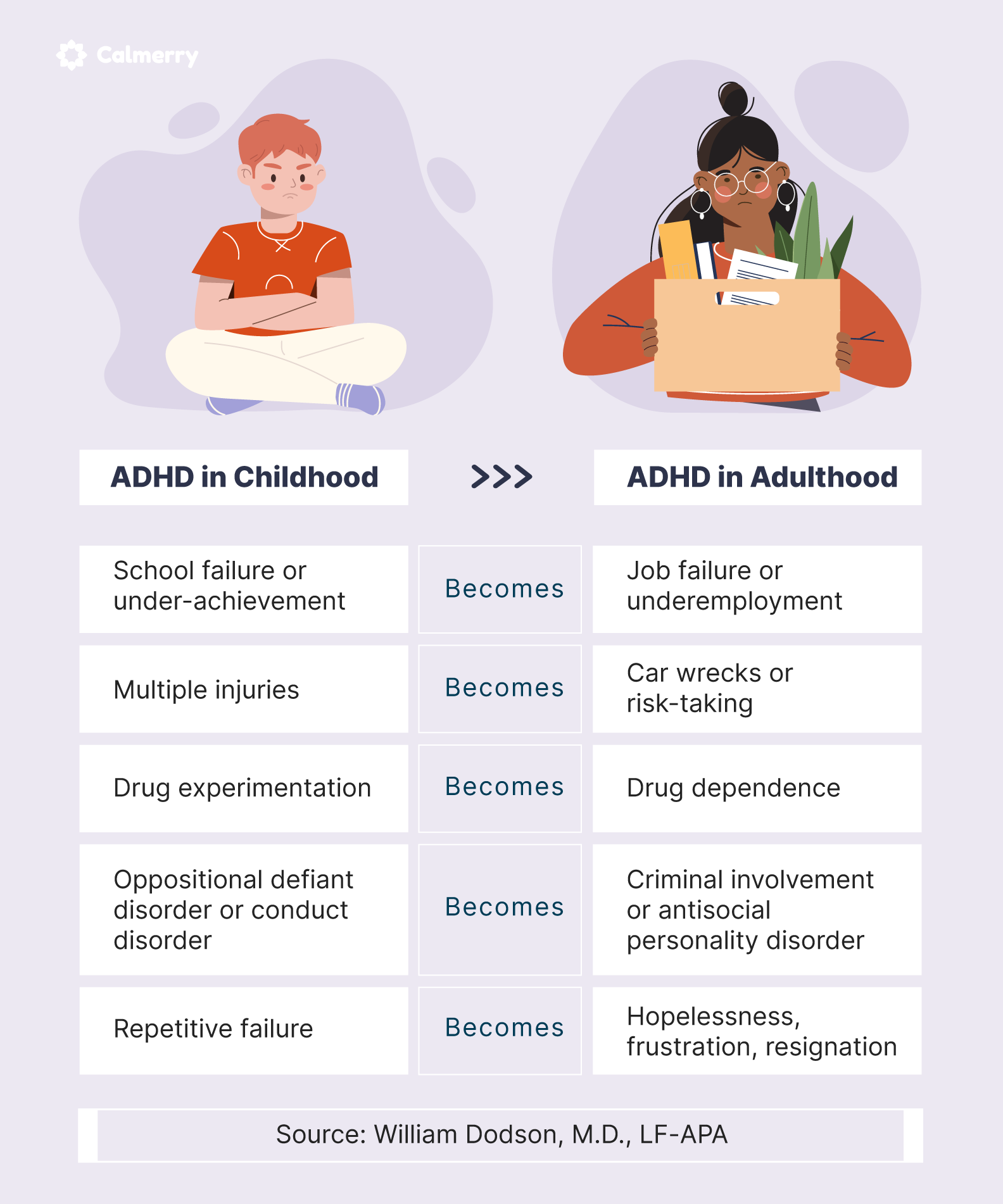
For many people who have ADHD it is difficult for them to pinpoint a specific action or reaction that is attributed to their neurodivergent mind. For many, ADHD comes with difficulty towards staying focused or forgetfulness. For others, it can be expressed differently. Sometimes it is shown in how one manages their money or perhaps one’s emotions in a traffic jam or impatience waiting in line. There are many symptoms that can be explained by ADHD diagnosis. If someone is struggling with ADHD but is unaware of how to identify it, they can look for these symptoms:

  • Impulsiveness
  • Disorganization
  • Problems prioritizing
  • Poor time management skills
  • Problems focusing on a task
  • Trouble multitasking
  • Excessive activity or restlessness
  • Poor planning
  • Low frustration tolerance
  • Frequent moodswings
  • Problems following through and completing tasks
  • Hot temper
  • Trouble coping with stress

Although it may feel like everyone and anyone has these symptoms, ADHD is diagnosed when the symptoms are severe and interfere with everyday activities.

Patients with ADHD generally also have another mental health disorder such as depression or anxiety. Psychotherapy helps people manage these symptoms and uses Cognitive-behavioral therapy [CBT] which is one of the most commonly used treatments for patients with ADHD. CBT is also considered to be the most effective psychotherapy. CBT for ADHD involves changing people’s thoughts, attitudes, and behaviors to better deal with everyday situations. Psychotherapy gives people with ADHD tailored support and advice, and improved communication skills, along with the opportunity to develop coping skills for stress and many situations that will occur in daily life.

If you or someone you know is struggling with mental health please contact our psychotherapy offices in New Jersey to talk to one of our licensed professional psychologists, psychiatrists, psychiatric nurse practitioners, or psychotherapists at Arista Psychotherapy & Psychiatric Services. Contact our NJ offices respectively at (201)368-3700 to set up an appointment. For more information, please visit https://counselingpsychotherapynjny.com

Sources: https://www.mayoclinic.org/diseases-conditions/adult-adhd/symptoms-causes/syc-20350878

https://www.nytimes.com/2023/08/30/business/women-adhd-money.htmlhttps://www.medicalnewstoday.com/articles/adhd-psychotherapy#Types

Eating Disorders: Recognizing Signs in Others

Eating Disorders: Recognizing Signs in Others

By Kim Simone

Warning Signs of Eating Disorders

Signs of eating disorders oftentimes go unrecognized by those around the struggling individual. While eating disorders such as anorexia nervosa, bulimia nervosa, and binge eating disorder each have their own risks, it is critical to know that they can be fatal if left untreated for a certain period of time. Fortunately, eating disorders can be treated by mental health care providers. Supportively encouraging an individual struggling with an eating disorder to seek treatment can save their life.

Warning signs may include but are not limited to:

Behavioral Signs:

  • Skipping meals
  • Withdrawal from friends and activities
  • Refusal to eat certain foods
  • Expressing preoccupation with food, weight, nutrition, etc.
  • Consuming only small portions of food at a time

Emotional Signs:

  • Extreme concern with body shape and size
  • Extreme mood swings

Physical Signs:

  • Noticeable fluctuations in weight
  • Dizziness and fainting
  • Feeling cold regularly
  • Difficulties concentrating
  • Stomach cramps and other gastrointestinal issues

Seeking Treatment

It is important to seek help as soon as warning signs appear given that the chance for recovery from an eating disorder increases the earlier it is detected, diagnosed, and treated. Cognitive Behavioral Therapy (CBT) is a commonly used psychotherapeutic approach for eating disorder treatment. It emphasizes the interaction between an individual’s thoughts, feelings, and behaviors. The approach is centered on shifting negative thoughts and behaviors to more positive thoughts and healthier alternatives.

The treatment for different eating disorders such as anorexia nervosa, bulimia nervosa, and binge eating disorder vary. During treatment, a mental health care provider can screen and treat for other underlying issues, such as anxiety and depression, as these can influence treatment outcomes. Medications can be an effective treatment option when combined with psychotherapy in treating individuals struggling with an eating disorder. Supportively encouraging an individual to seek treatment for an eating disorder can be lifesaving.

If you or someone you know is struggling with an eating disorder, please contact our psychotherapy offices in New York or New Jersey to talk to one of our licensed professional psychologists, psychiatrists, psychiatric nurse practitioners, or psychotherapists at Arista Counseling & Psychotherapy. Contact our Paramus, NJ or Manhattan, NY offices respectively, at (201) 368-3700 or (212) 722-1920 to set up an appointment. For more information, please visit http://www.counselingpsychotherapynjny.com.

Sources:

Warning Signs And Symptoms

https://www.yourhealthinmind.org/mental-illnesses-disorders/eating-disorders/treatment

Image Source:

https://integrativelifecenter.com/how-diet-culture-influences-eating-disorders/

Borderline Personality Disorder and Bipolar Disorder; Distinguishing Between the Two

Borderline Personality Disorder and Bipolar Disorder; Distinguishing Between the Two

By: Stacey Rodriguez

Borderline Personality Disorder (BPD) and Bipolar Disorder (BD) have many overlapping symptoms, causing them to manifest similarly. BPD is characterized by a pattern of unstable emotion, behavior and self-image. Similarly, BD is marked by unusual and extreme shifts in energy and mood.

Mood swings in the context of BPD are more frequent, shorter lived, and triggered by situational factors; they are largely a product of a distorted perception of reality fueled by dysfunctional core beliefs. Contrastingly, manic and depressive episodes experienced by those with BD are not directly induced by external stimuli, but rather a result of chemical imbalances. These episodes last for a minimum of 7 days and can be intersected by symptom free periods. While impulsivity is a key marker in both, it is important to note that in bipolar disorder it occurs most frequently during periods of mania, whereas it is unrelated to mania in BPD.

A common correlation between the two disorders is family history. Though, history of trauma seems to be a distinguishing factor as it is most particular to BPD, whereas genetics seem to play a larger part in BP.

Though BPD and BD are distinctly separate, in some cases, they can co-occur. While being informed on the nature of these two disorders is beneficial, it is essential for an individual to seek help from a mental health specialist if either seem to be present.

If you or someone you know is seeking therapy for Bipolar Disorder or Borderline Personality Disorder, please contact our psychotherapy offices in New York or New Jersey to talk to one of our licensed professional psychologists, psychiatrists, psychiatric nurse practitioners, or psychotherapists at Arista Counseling & Psychotherapy. Contact our Paramus, NJ or Manhattan, NY offices respectively, at (201) 368-3700 or (212) 722-1920 to set up an appointment. For more information, please visit http://www.counselingpsychotherapynjny.com/

Sources: https://www.nami.org/Blogs/NAMI-Blog/June-2017/Borderline-Personality-Disorder-and-Bipolar-Disord

https://www.medicalnewstoday.com/articles/324375#diagnosis

Image Source: https://ibpf.org/how-to-know-if-you-have-bipolar-disorder-adhd-or-borderline-personality-disorder/

Anxiety and Depression: Rumination

By: Lauren Zoneraich

Rumination is the cognitive process of repeating negative thoughts without completion, much to one’s distress. In the mind, the thoughts play like a broken record. Rumination can involve negative thoughts about the past or present, and the self. This form of cognition plays a key role in many psychological conditions, such as depression, generalized anxiety disorder, social anxiety, alcohol abuse, OCD, PTSD, and eating disorders. Rumination is a passive process. One feels as if one cannot control repetitive, dominating thoughts. These distracting thought circles can last for long periods of time and disrupt work, school, and social life. Rumination is different than worry in that rumination involves negative thought content rather than thought content related to uncertainty. Worry usually is tied to the future, while ruminative thoughts are usually tied to the past or present. Rumination can impact physical health by increasing stress levels.In the context of depression, rumination usually involves negative self-assessments, such as feelings of inadequacy or worthlessness. These feelings can lead to anxious responses and further worsen one’s emotional state.

There are some intervention strategies to disrupt rumination. One way is to distract oneself with other activities, such as socializing or exercising. Cognitive Behavioral Therapy, or CBT, is a therapy approach that aims to change negative thought patterns. Patients learn to recognize their distortions, irrational thoughts, and negative thoughts. Once they recognize these thoughts, patients reframe negative thoughts and assess the irrationality of their thoughts. Patients also learn methods to calm their mind and body through breathing exercises and thinking of things they associate with feeling calm and peaceful. Patients are also encouraged to think of action plans to address their negative thoughts.

If you or someone you know is struggling with anxiety or depression, or is seeking Cognitive Behavioral Therapy for rumination, please contact our psychotherapy offices in New York or New Jersey to talk to one of our licensed professional psychologists, psychiatrists, psychiatric nurse practitioners, or psychotherapists at Arista Counseling & Psychotherapy. Contact our Paramus, NJ or Manhattan, NY offices respectively, at (201) 368-3700 or (212) 722-1920 to set up an appointment. For more information, please visit http://www.counselingpsychotherapynjny.com/

Sources:

Sansone, R. A., & Sansone, L. A. (2012). Rumination: relationships with physical health. Innovations in clinical neuroscience9(2), 29–34. https://www.ncbi.nlm.nih.gov/pmc/articles/PMC3312901/

https://www.psychologytoday.com/us/blog/depression-management-techniques/201604/rumination-problem-in-anxiety-and-depression

https://www.apa.org/ptsd-guideline/patients-and-families/cognitive-behavioral

Image Source:

https://blogs.kcl.ac.uk/editlab/2018/10/12/r-is-for-rumination/

What is Cognitive Therapy


What is Cognitive Therapy? (CBT)

By: Daniela Vargas

Cognitive Behavioral therapy also known as CBT, is based on our feelings, thoughts, behaviors and physiology. Sometimes our emotions get in the way of our thoughts. Situations can trigger negative thoughts, which lead to negative emotions and making us react in a certain way.

Your cognitive therapist will ask you what your goals are and focus what are the barriers blocking those goals. Your negative thoughts might make you stop and not continue to achieve those goals; cognitive therapy will turn those thoughts into positive and realistic ones.

Everyone’s process is different, some might see results within months, and others may see them in a few years. Some might find this type of therapy difficult because of how long it takes to see results, but that is because it takes time and skills to change the patterns of negative thoughts. The goal is to make these skills second nature.

If you or someone you know is in the need of cognitive therapy please contact our psychotherapy offices in New York or New Jersey to talk to one of our licensed psychologists, psychiatrists, psychiatric nurse practitioners, or psychotherapists at Arista Counseling & Psychotherapy. Contact our Paramus, NJ or Manhattan, NY offices respectively, at (201)-368-3700 or (212) – 722-1920 to set up an appointment. For more information, please visit http://www.counselingpsychotherapynjny.com/.


Sources:

https://cogbtherapy.com/what-is-cognitive-therapy

https://www.wisegeek.com/what-is-cognitive-therapy.htm

Image:

https://www.bing.com/images/search?view=detailV2&ccid=iY4P89c4&id=235033D71636064E5DA26A71792DD00340E35DAB&thid=OIP.iY4P89c4C0mIzMq0kMQk9wAAAA&mediaurl=https%3a%2f%2ft2conline.com%2fwp-content%2fuploads%2f2017%2f10%2fcognitive-therapy-1-289×300.jpg&exph=300&expw=289&q=cognitive+therapy&simid=608020400206774662&ck=58F519E6B953E4FE72260451F51A0500&selectedIndex=31&FORM=IRPRST&ajaxhist=0


PTSD in Refugee and Unaccompanied Children:

By: Luz Melendez

Post-traumatic stress disorder (PTSD) is a disorder that can occur to someone after being exposed to one or more traumatic events. These traumatic events can vary from a natural disaster, war/combat, serious injury, sexual violence, and/or exposure to death threats. After experiencing a trauma there can be an emotional reaction to these events which can include fear, helplessness, and even horror. There may also be distressing memories of the traumatic event which can be recurrent and involuntary. In order to be diagnosed with PTSD, symptoms have to last for more than a month and be persistent. (American Psychiatric Association, 2013).

One population that is less talked about when it comes to PTSD is children, but more specifically refugee or asylum seeking children. The current population of children with PTSD in the U.S. is about 5% and among refugee children in the U.S. it’s about 54%. These children are experiencing hunger, extreme poverty, bombings, abductions, sexual assault, and even witnessing deaths. These stressors can often co-occur making everyday life very difficult for them. The effects of these events are causing developmental regression, clinginess, repetitive play of the trauma/s, anxiety, depression, ACES, and mood changes. One effect that is very important is how the brain is being affected by these traumas. PTSD is developed in two key regions of the brain, the amygdala and the prefrontal cortex. The amygdala reacts too strongly while the prefrontal cortex impedes the ability to regulate a threat response. It’s the perfect storm that leads to hyperarousal, hyper vigilance, and sleep deprivation which are big issues when it comes to children. Children’s brains are growing and developing and these traumas are stunting the global developmental growth of these children’s brains.

Often PTSD in refugee or asylum seeking children, if left untreated/undiagnosed, can and will lead to life long-lasting effects. In the situation these children are in, it’s difficult to not only diagnose them but to properly treat them. Many if not all have witnessed one or more of the stressors mentioned above and these children are out in the world not only having their lives completely change but having their mental health deteriorate. Thankfully some host countries who take in refugees, screen them and try to help them adjust to their now new lives and overcome barriers that come with accessing physical and mental health care. This also includes overcoming the stigma that refugees have of seeking mental health care. Like mentioned before only some host countries do this, others are still fixing their processing of refugees.


If you or someone you know is struggling with PTSD, Arista Counseling and Psychotherapy can help. Please contact our psychotherapy offices in New York or New Jersey to talk to one of our licensed professional psychologists, psychiatrists, psychiatric nurse practitioners, or psychotherapists at Arista Counseling & Psychotherapy. Contact our Paramus, NJ or Manhattan, NY offices respectively, at (201) 368-3700 or (212) 722-1920 to set up an appointment. For more information, please visit http://www.counselingpsychotherapynjny.com/ .


Reference:

American Psychiatric Association. (2013). Diagnostic and statistical manual of mental disorders (5th ed). Arlington, VA: American Psychiatric Association.

Changes to the Brain

 By: Katie Connell

                For a long time, scientists believed that changes to brain structure only occurred during infancy and childhood. By the time one became an adult, it was thought that brain structure would remain largely permanent and that no more changes could occur. However, in the 1960’s, scientists discovered that changes to the adult brain were indeed possible. One thing that verified this were brain changes that occurred to patient’s brains that were damaged in injuries and accidents. Damage that occurred in certain parts of one’s brain resulted in healthier parts taking over. With this discovery came insight into other ways that the brain could be changed, specifically in the realm of psychotherapy. Cognitive Behavioral Therapy (CBT) is a great example of a type of psychotherapy that can lead to long lasting changes to the brain. During a process called synaptic pruning, extra neurons (which transmit information) and synaptic connections (which permit neurons to transmit info) are eliminated to increase the efficiency of neural transmissions. One way this happens is by neurons being used more frequently. Those that aren’t used as much get eliminated, which improves the transmission of information. By repeated exposure and engagement in CBT (including thought shifting techniques and cognitive restructuring), neurons become strengthened, meaning less synapses and better transmission of neurons. Through the use of routine CBT, critical neural networks are able to change how we think and feel.

If you or a person you know is seeking CBT or other forms of therapy, the psychologists, psychiatrists, and therapists at Arista Counseling and Psychiatric Services can help. Please contact the Bergen County, NJ or Manhattan offices at (201) 368-3700 or (212) 722-1920. 

Source:

https://www.verywellmind.com/what-is-brain-plasticity-2794886


Separation Anxiety Disorder (SAD) in Children

By: Tamar Asayan

School Phobia is now referred to Separation Anxiety. It can also be known as school refusal or school avoidance because it makes going to school very difficult for children. Separation Anxiety Disorder is when someone has excessive fear or anxiety about leaving their home or an attachment figure. In children, their attachment figure is usually their parents because they see them as a figure of protection and do not want to leave their side. Humans require an attachment to parental figures because they provide love, protection, and care to us. Children attach their deepest fears to their parents because they believe they can make any fear go away.

Children who have separation anxiety have a difficult time sleeping alone, going to school, avoiding play dates, and do anything to stay at home with their parents. They also experience symptoms of dizziness, upset stomach, nausea, vomiting, headaches, and have difficulty sleeping. These symptoms can lead to children not wanting to leave their house even more because the thought of a parent leaving can give symptoms of panic and anxious thoughts.

Separation Anxiety Disorder is more common in children who suffer from parents separating or going through a divorce. Any detachment from a parent is experienced as a life threatening danger to the child. They fear they no longer will be protected and will be left alone by their parents. These feelings of anxiety are relieved when they are safe in the presence of their parents to reassure them that they are not going anywhere. In order for children to overcome their separation anxiety and their fear to attend school it is important to seek help as early as they can.

The best method in treating Separation Anxiety Disorder is by Cognitive Behavioral Therapy (CBT); it helps parents and children learn new coping skills when they are separated from each other. It is also important to make your child feel safe and protected in the environment they are living in and develop trust in their parents that they are not going to leave them.

If you are a parent and are concerned about your child having separation anxiety call the licensed psychologists, psychiatrists, psychiatric nurse practitioners, and psychotherapists at Arista Counseling & Psychotherapy can assist you. Contact our Paramus, NJ or Manhattan, NY offices respectively, at (201) 368-3700 or (212) 722-1920 to set up an appointment. For more information, visit http://www.counselingpsychotherapynjny.com/

Source: https://www.psychologytoday.com/us/blog/inside-out-outside-in/201505/what-is-separation-anxiety 

Image: http://childcarephysicans.com/wp-content/uploads/2013/08/blide.jpeg


Body Image: Body Dysmorphic Disorder Treatment

By Samantha Glosser

Body dysmorphic disorder, sometimes referred to as body dysmorphia or BDD, is a mental disorder characterized by preoccupation with imagined or markedly exaggerated imperfections or defects in one’s physical appearance. Those suffering from body dysmorphic disorder spend a significant amount of time every day obsessing over their appearance and engaging in repetitive compulsive behaviors in an attempt to avoid anxiety, distress, and hide their imperfections. Signs and symptoms include constantly checking one’s appearance, excessive grooming, over-exercising, picking skin, pulling hair, using makeup or clothing to camouflage one’s appearance, or even getting plastic surgery. Body dysmorphic disorder leads to significant impairment in daily functioning and quality of life. However, there are treatment options available.

Cognitive-behavioral therapy (CBT). CBT is short-term, goal-oriented therapy. In body dysmorphic disorder, CBT is used to decrease compulsive behaviors and the negative thoughts about one’s appearance. This is achieved through techniques such as cognitive restructuring and mind reading. Cognitive restructuring teaches the patient to challenge irrational thoughts about their bodies and replace them with more realistic and adaptive thoughts. In addition to their own negative thoughts, individuals diagnosed with body dysmorphic disorder also believe others hold the same negative thoughts about them. Mind reading allows patients to understand that other people do not share these thoughts about them and provides realistic alternatives. For example, that person staring at them at the mall was probably admiring their outfit. Another frequently used technique is exposure therapy. This requires patients to create a hierarchy of anxiety-provoking situations which they are then exposed to in order to overcome anxiety and distress.

Psychiatric medications. Research has also shown that antidepressant medications are an effective treatment for body dysmorphic disorder, specifically selective serotonin reuptake inhibitors (SSRI’s). SSRI’s that are commonly used for the treatment of body dysmorphic disorder include Lexapro, Prozac, Paxil, and Zoloft, among others. SSRI’s help to reduce obsessional thinking, compulsive behaviors, and depression, a common comorbid disorder among individuals diagnosed with body dysmorphic disorder.

If you or someone you know appears to be suffering from body dysmorphic disorder, or other problems associated with negative body image, the licensed psychologists, psychiatrists, psychiatric nurse practitioners, and psychotherapists at Arista Counseling & Psychotherapy can assist you. Contact our Paramus, NJ or Manhattan, NY offices respectively, at (201) 368-3700 or (212) 722-1920 to set up an appointment. For more information, visit http://www.counselingpsychotherapynjny.com/


Source: Tartakovsky, M. (2016, July 17). Demystifying treatment for body dysmorphic disorder. Retrieved from https://psychcentral.com/lib/demystifying-treatment-for-body-dysmorphic-disorder/