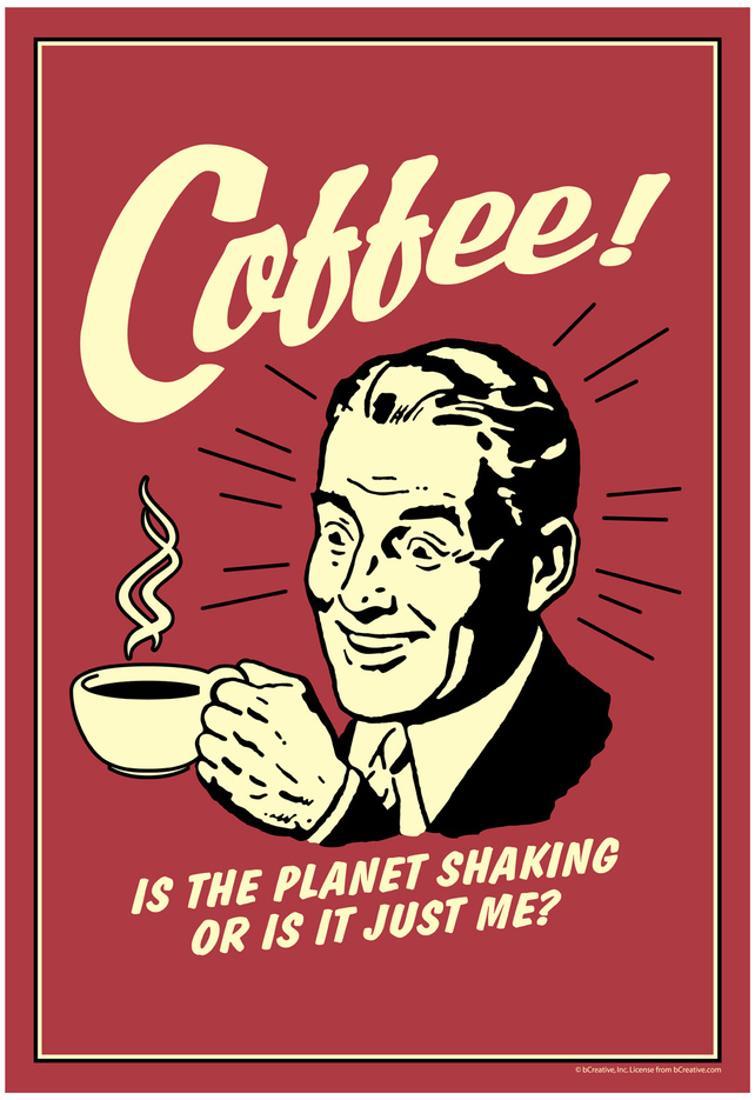
Anxiety Disorder: Caffeine Induced

By: Julia Massa

Starbucks, Dunkin, Wawa, and other “on the go” stops will never go out of business. Humans rely heavily on caffeine to get through their shifts, workouts, or even just to post a quick Instagram story. In fact, humans spend five to ten dollars on their caffeine cravings each day. However, there are several caffeine related disorders according to the DSM-IV, including caffeine intoxication, caffeine-induced anxiety disorder, caffeine-induced sleep disorder, and caffeine-related disorder not otherwise specified. Some symptoms of caffeine-induced anxiety include red face, shaking, muscle twitching, confused speech, sweating, insomnia, frequent urination, impulsive reactions towards minor inconveniences, and mood swings. Caffeine-Induced Anxiety is caused by the effect of caffeine on the brains neurotransmitters, such as norepinephrine. This chemical increases stress hormones, like cortisol, which is linked to many mental disorders and may interact with medications a patient is already taking to manage their anxiety symptoms.

Caffeine is listed as a drug in both medical and psychiatric literature since it is a central nervous stimulant and can be fatal if a person exceeds the daily recommendation of 400mg. For those with anxiety, 200mg or less is the recommended dose. Though it is rare, consuming a caffeine pill of a high dose can lead to ventricular fibrillation and death. Caffeine is legal and unregulated, which is why many people do not realize how their medium hot caramel coffee with almond milk can exaggerate their anxiety symptoms or cause anxiety-related symptoms. When people limit their caffeine intake suddenly, they may experience withdrawal symptoms similar to addictive drugs like cocaine. These symptoms include headache, irritability, drowsiness, loss of focus, insomnia, stomach pain, etc. For this reason, many individuals continue to drink caffeinated beverages to prevent these symptoms. In fact, more than 97% of caffeine consumed by adolescents and adults come from beverages.

Though the prevalence rate for caffeine-induced psychiatric disorders has not been well established, there is a high comorbidity rate between caffeine and several mood and substance abuse disorders.

If you or someone you know is struggling with anxiety, please contact our psychotherapy offices in New York or New Jersey to talk to one of our licensed professional psychologists, psychiatrists, psychiatric nurse practitioners, or psychotherapists at Arista Counseling & Psychotherapy. Contact our Paramus, NJ or Manhattan, NY offices respectively, at (201) 368-3700 or (212) 722-1920 to set up an appointment. For more information, please visit http://www.counselingpsychotherapynjny.com/

http://www.americanmedtech.org/files/STEP_Online_articles/353.pdf

https://www.dovemed.com/diseases-conditions/caffeine-induced-anxiety/

Burnout; what it is and how to prevent it

By Katie Weinstein

When push comes to shove, stress becomes burnout. This can lead to detrimental effects on our physical and mental health, so it is important to recognize when burnout is beginning to occur. Burnout is a gradual process that is defined as an extended period of stress and exhaustion that feels like it isn’t improving. Some signs of burnout are losing interest and motivation to a point in which you become disengaged, which can cause a cynical and resentful attitude. Burnout also affects physical health, causing changes in appetite and sleep and frequent headaches.

The causes of burnout include work, lifestyle, and personality traits. Lack of recognition in a chaotic or high pressure environment can make someone more susceptible to burnout. Some ways to improve work related burnout are to outsource or share responsibilities and to set boundaries for off times such as not checking email. Another cause of burnout can be caregiver burnout, since it can be very tiring to care for a child. It’s important to remember that it does not make you a bad parent or friend to ask for help when you need it. Everyone needs a break. Additionally, a perfectionist attitude and pessimistic view on things may lead to burnout, it is important to recognize when burnout is beginning so that you can practice stress managing techniques and find time to do things that you enjoy to prevent burnout. 

Knowing the difference between a burnout and being overly stressed is essential for mental health. It is important to limit contact with negative people and reach out to supportive friends and family in order to shape a more positive attitude and prevent burnout.

If you or someone you know is experiencing burnout or high levels of stress, please contact our psychotherapy offices in New York or New Jersey to talk to one of our licensed professional psychologists, psychiatrists, psychiatric nurse practitioners, or psychotherapists at Arista Counseling & Psychotherapy. Contact our Paramus, NJ or Manhattan, NY offices respectively, at (201) 368-3700 or (212) 722-1920 to set up an appointment. For more information, please visit 

https://www.psychologytoday.com/us/basics/burnout

Physician Burnout during a Global Pandemic

By Eleanor Kim

Physicians and nurses around the world have been at the front lines fighting the coronavirus and saving the lives of those infected. Now more than ever, citizens are coming to realize the importance of those within the medical field and the bravery that comes with entering medicine. That being said, there has been an immense amount of pressure placed upon healthcare workers, often causing stress, anxiety, and depression. At the end of the day, doctors, nurses, and other healthcare workers are humans and can feel the effects of burnout during such a heightened and high stakes moment in medical history.

Burnout is when someone becomes overwhelmed by the demands of their daily life, becoming emotionally and physically exhausted and creating a sense of depersonalization and weakened personal accomplishments. Burnout is a common occurrence among physicians and nurses given the great amount of pressure that comes with saving lives. That being said, these feelings of burnout have skyrocketed given the additionally taxing nature of current frontline medical work such as the stress of isolating from friends and family, the extended hours of work, the tragic lack of medical supplies, and the fear of contracting or spreading the virus, to name a few. Physicians are also left to deal with the other struggles and anxieties that the past year has brought upon the general population regarding economic, political, racial, and other personal effects of the pandemic.

During these elongated periods where healthcare workers are left sleep deprived, improperly fed, and overall anxious about the current status of the pandemic, they are exposed to both mentally and physically long lasting effects. In 2020, there have been a record number of physicians who have reported feelings of burnout and other mental health concerns since the start of the pandemic. Should these issues go untreated, there is an increased risk for depression, self-medication, substance abuse, and suicidal thoughts or attempts. Burnout is more than just stress; it is a mental health crisis and should be treated as such.

If you or someone you know is feeling the effects of physician and healthcare worker burnout, please contact our psychotherapy offices in New York or New Jersey to talk to one of our licensed professional psychologists, psychiatrists, psychiatric nurse practitioners, or psychotherapists at Arista Counseling & Psychotherapy. Contact our Paramus, NJ or Manhattan, NY offices respectively, at (201) 368-3700 or (212) 722-1920 to set up an appointment. For more information, please visit http://www.counselingpsychotherapynjny.com/.

Resources:

https://www.forbes.com/sites/lipiroy/2020/05/17/doctor-heal-thyself-physician-burnout-in-the-wake-of-covid-19/

Image Source:

More than a third of medical staff suffered insomnia during the COVID-19 epidemic in China

Burnout

Burnout

By Lauren Hernandez

                Recently, the World Health Organization (WHO) has identified “burnout” as a syndrome and has added it to the WHO’s International Classification of Diseases. This legitimization of burnout as a syndrome provides credibility to a person who is over working themselves emotionally, physically, and intellectually.

According to Dr. Suzanne Degges-White’s article on Psychology Today, the symptoms of burnout include:

“1.Feelings of energy depletion or exhaustion

2.Increased mental distance from your job or feelings of negativity or cynicism related to your job

3.Reduced professional efficacy—or, in laymen’s terms, doing a poor job on-the-job”

Dr. Degges-White explains that although most symptoms of burnout may resemble other disorders associated with depression and anxiety, burnout is focused on direct feelings towards your job.

Mindfulness practices may decrease feelings of burnout. Activities such as regular exercise, yoga, and mindfulness meditation may help to stabilize and encourage balance in your life. It is also important to try to sleep and rest as much as you can. Sleeping is a restorative process and helps to promote a healthy mind and body. Because burnout is due to chronic workplace stress, it will not go away by taking a vacation or escaping the workplace for a few days. Burnout is something to be taken seriously and if it is impairing your lifestyle, seek treatment from a psychiatric professional.

If you or someone you know is struggling with burnout, please contact our psychotherapy offices in New York or New Jersey to talk to one of our licensed professional psychologists, psychiatrists, psychiatric nurse practitioners, or psychotherapists at Arista Counseling & Psychotherapy. Contact our Paramus, NJ or Manhattan, NY offices respectively, at (201) 368-3700 or (212) 722-1920 to set up an appointment. For more information, please visit http://www.counselingpsychotherapynjny.com/ .


Sources: https://www.psychologytoday.com/us/blog/lifetime-connections/201905/burnout-is-officially-classifiedicd-11-syndrome

https://www.forbes.com/sites/bryanrobinson/2019/06/02/the-burnout-club-now-considered-a-disease-with-a-membership-price-you-dont-want-to-pay-for-success/#aa218ac37ab0

Image Source: https://www.bing.com/images/search?view=detailV2&id=D7EC303D1D17B543CE053AC8D020EBB7073F16DA&thid=OIP.4t79eaOz2pi-5BoBUxv_oQHaEK&mediaurl=https%3A%2F%2Fedge.alluremedia.com.au%2Fm%2Fl%2F2018%2F09%2Femployee-burnout.jpg&exph=900&expw=1600&q=Employee+Burnout&selectedindex=3&ajaxhist=0&vt=0&eim=1,2,6