PTSD in Military Veterans

PTSD in Military Veterans

By: Mercedes Renter

What does PTSD stand for? Post-traumatic stress disorder is a mental health disorder which often develops after someone goes through or sees a life-threatening event. The symptoms of PTSD tend to start soon after the traumatic event but may not appear until months or years later. There are four common symptoms of PTSD. The first symptom is reliving the event which can feel very scary and real. Nightmares can occur as well as flashbacks and you may see, hear, or smell something that can remind you of the event. The second symptom is avoiding things that remind you of the event. For example, for veterans they may avoid gun ranges when they are not deployed because it can trigger past emotions. The third symptom is having negative thoughts and feelings which did not occur before the traumatic event. An individual suffering from PTSD can feel numb or may think the world is full of danger and have a hard time with trusting anyone. The fourth symptom is feeling on edge which can lead to having a hard time falling asleep, find it hard to concentrate, or even become startled by a loud noise or surprise.

There are lifestyles changes that can help a veteran cope with post-traumatic stress disorder. Interacting with trauma survivors and other veterans who have experienced PTSD can be beneficial. Additionally, exercising can be helpful by providing a steady schedule into your everyday life. Eating healthy and spending more time with loved ones are also healthy habits that can help cope with post-traumatic stress disorder. These are all helpful changes for an individual suffering from PTSD because it allows a positive change in their daily life.

If you or someone you know is struggling with Post-traumatic stress disorder please contact our psychotherapy offices in New York or New Jersey to talk to one of our licensed professional psychologists, psychiatrics, psychiatric nurse practitioners, or psychotherapists at Arista Counseling and Psychotherapy. Contact our Paramus, NJ or Manhattan, NY offices respectively at (201)-368-3700 or (212)-722-1920 to set up an appointment. For more information, please visit https://www.counselingpsychotherapynjny/com

Reference: https://www.ptsd.va.gov/understand/common/common_veterans.asp

Caregiver Stress: Common Signs

By :Mercedes Renter

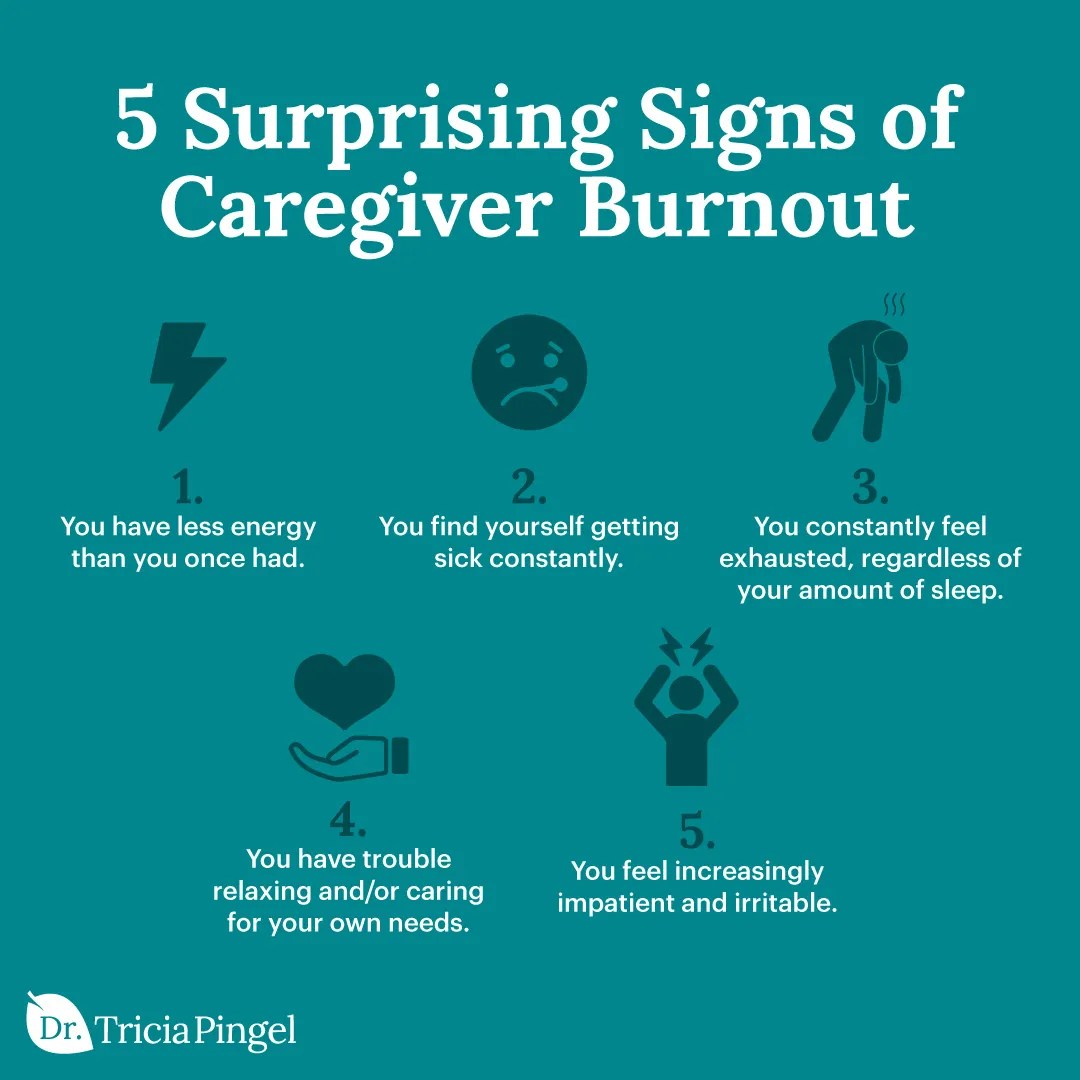
Are you a caretaker who is experiencing an overload of stress due to the emotional and physical strain of care giving? Do you feel like you are experiencing caregiver syndrome, a state of emotional, mental, or physical exhaustion that can affect the ability to give care? There are a few signs if you are experiencing caregiver stress which includes:

  • Feeling overwhelmed / constantly worried / tired too often
  • Getting too much or not enough sleep
  • Gaining/ losing weight
  • Losing interest in activities you used to enjoy
  • Becoming easily irritated or angry
  • Having frequent headaches, bodily pain or other physical problems
  • abusing alcohol or drugs, including prescription medications

The extent of the care should not discourage you if you feel this should be “easy work”. There is no fixed solution to this feeling of stress but there are treatment options available including:

  • Accept Help
  • Focus on what you are able to provide
  • Set realistic goals
  • Get Connected
  • Join a Support Group
  • See your doctor/ seek therapist

Care giving can be rewarding as well as overwhelming. Due to stress being centered on being a care giver, there tends to be a lack of care provided for the care givers. Do not feel you should not be accepting help while trying to provide help. Any individual must care for themselves before caring for a loved one. As the stress becomes continuous it can cause physical and mental health problems for the care giver.

If you or someone you know is struggling with caregiver stress contact our psychotherapy offices in New York or New Jersey to talk to one of our licensed professional psychologists, psychiatrics, psychiatric nurse practitioners, or psychotherapists at Arista Psychotherapy & Psychatric Services. Contact our Manhattan, NY or Paramus, NJ offices respectively at (201) 368-3700 or (212) 722- 1920 to set up an appointment. For more information please visit https://counselingpsychotherapynjny.com

References: https://www.mayoclinic.org/healthy-lifestyle/stress-management/in-depth/caregiver-stress/art-20044784

Physician Burnout during a Global Pandemic

By Eleanor Kim

Physicians and nurses around the world have been at the front lines fighting the coronavirus and saving the lives of those infected. Now more than ever, citizens are coming to realize the importance of those within the medical field and the bravery that comes with entering medicine. That being said, there has been an immense amount of pressure placed upon healthcare workers, often causing stress, anxiety, and depression. At the end of the day, doctors, nurses, and other healthcare workers are humans and can feel the effects of burnout during such a heightened and high stakes moment in medical history.

Burnout is when someone becomes overwhelmed by the demands of their daily life, becoming emotionally and physically exhausted and creating a sense of depersonalization and weakened personal accomplishments. Burnout is a common occurrence among physicians and nurses given the great amount of pressure that comes with saving lives. That being said, these feelings of burnout have skyrocketed given the additionally taxing nature of current frontline medical work such as the stress of isolating from friends and family, the extended hours of work, the tragic lack of medical supplies, and the fear of contracting or spreading the virus, to name a few. Physicians are also left to deal with the other struggles and anxieties that the past year has brought upon the general population regarding economic, political, racial, and other personal effects of the pandemic.

During these elongated periods where healthcare workers are left sleep deprived, improperly fed, and overall anxious about the current status of the pandemic, they are exposed to both mentally and physically long lasting effects. In 2020, there have been a record number of physicians who have reported feelings of burnout and other mental health concerns since the start of the pandemic. Should these issues go untreated, there is an increased risk for depression, self-medication, substance abuse, and suicidal thoughts or attempts. Burnout is more than just stress; it is a mental health crisis and should be treated as such.

If you or someone you know is feeling the effects of physician and healthcare worker burnout, please contact our psychotherapy offices in New York or New Jersey to talk to one of our licensed professional psychologists, psychiatrists, psychiatric nurse practitioners, or psychotherapists at Arista Counseling & Psychotherapy. Contact our Paramus, NJ or Manhattan, NY offices respectively, at (201) 368-3700 or (212) 722-1920 to set up an appointment. For more information, please visit http://www.counselingpsychotherapynjny.com/.

Resources:

https://www.forbes.com/sites/lipiroy/2020/05/17/doctor-heal-thyself-physician-burnout-in-the-wake-of-covid-19/

Image Source:

More than a third of medical staff suffered insomnia during the COVID-19 epidemic in China

Burnout in College Students (Part 2)

Tatyana A. Reed

HOW TO AVOID/FIGHT BURNOUT

Being stressed out may seem like a normal human thing to do, and stress can be very positive for promoting work at some points. However, if it gets to the burnout stage its best you sit down, understand what’s causing your burnout, and deal with it. Here’s a few ways to help fight/avoid burnout from happening to you:

  1. Pay attention to the warning signs

Whenever you feel like your stress is getting extremely high and starting to take a toll on you mentally and physically, you should sit down and relax.

  1. Say “no”

Yes, it’s normal after studying for a whole week that you may want to go spend some time with your friends, but if you feel extremely tired, just say no, they’ll understand.

  1. Get your proper’s night of rest

It may seem like a good idea to study all night and not sleep, but your brain actually works better when it has a good amount of sleep. Just like you get physically tired, so does your brain after a long day, get some rest.

  1. Don’t put too much on your plate

It may seem like putting more on your plate will fill your appetite but really it will not end pretty. Things get out of hand and too much on your plate may cause you not to have any personal down time to unwind.

  1. Turn “down”

Take some time alone to do things that isn’t causing your brain to stress. If this means, just sleeping, watching shows all day, whatever you need to turn down, its best to set aside some time to do this

  1. Get help

Life can definitely get stressful at times and being in college doesn’t always help that out. Try to have someone on hand that you can talk to when things get a little out of hand, whether that be a friend, family member, or professional; most college campuses do offer psychological/counseling services that may be more convenient to you. It’s okay to sit back and say “I’m super stressed out, I need to relax” because the sooner you help yourself, the less help that will need to be done. Put the flame out before you burnout.

If you or someone you know is dealing with burnout, please contact our psychotherapy offices in New York or New Jersey to talk to one of our licensed professional psychologists, psychiatrists, psychiatric nurse practitioners, or psychotherapists at Arista Counseling & Psychotherapy. Contact our Paramus, NJ or Manhattan, NY offices respectively, at (201) 368-3700 or (212) 722-1920 to set up an appointment. For more information, please visit http://www.counselingpsychotherapynjny.com/.

References:

Harrison, Mike. “Avoid College Burnout.” Great Lakes Christian College, 22 Jan. 2018, http://www.glcc.edu/avoid-college-burnout/ (PHOTO)

Jerry, Lisa M. “10 Signs you’re Burning Out — And What To Do About It.” Forbes, Forbes Magazine, 3 Jan. 2018, http://www.forbes.com/sites/learnvest/2013/04/01/10-signs-youre-burning-out-and-what-to-do-about-it/.

Stephanie Cushman & Richard West (2006) Precursors to College Student Burnout: Developing a Typology of Understanding, Qualitative Research Reports in Communication, 7:1, 23-31, DOI: 10.1080/17459430600964638

Vaiana, Dominic. “Burnout in College: What Causes It and How to Avoid It.” College Info Geek, 5 Mar. 2019, collegeinfogeek.com/student-burnout

Burnout in College Students (Part 1)

Tatyana A. Reed

With school coming into full swing, before we can even get that deep, it’s time to look at burnout, particularly in students. Have you ever taken on way too many tasks and at the last minute realized it’s causing an overwhelming feeling of exhaustion and being stressed out? Or have you ever been so busy you feel like nothing is going to get done correctly or done at all? If you have felt like this, nine times out of ten you were experiencing burnout.

According to pyschologytoday.com burnout is “a state of emotional, mental, and often physical exhaustion brought on by prolonged or repeated stress.” Burnout is not a widely talked about topic unless the causes have been detrimental to an individual. In this article, we will talk about the symptoms, affects, and how to avoid burnout.

DIFFERENCE BETWEEN STRESS AND BURNOUT

Before we can talk about the signs of burnout, we first have to understand that there is a difference between burnout and stress. David Ballard, member of the American Psychological Association, describes burnout as “an extended period of time where someone experiences exhaustion and a lack of interest in things, resulting in a decline in their job [academic] performance.”

SIGNS OF BURNOUT

Here are just some of the early indicators of college burnout according to collegeinfogeek.com:

  • Constant exhaustion
  • Lack of motivation
  • Constant frustration
  • Grades beginning to decline
  • Struggling to pay attention
  • Disengagement from friends and colleagues

WHAT MAY BE CAUSING YOUR BURNOUT 

A study conducted by University of South Maine in 2006 had 354 students answer questions that helped look at why burnout may be happening to college students. Here are the four most prevalent answers:

  • 13% said it was due to lack of motivation on their personal part
  • 25% attributed it to issues caused by their part time job ( finance and lack of time) and due to family issues
  • 5% said it was caused by a professor
  • And the most prevalent answer was because of having too many assignments on their plate


If you or someone you know is dealing with burnout, please contact our psychotherapy offices in New York or New Jersey to talk to one of our licensed professional psychologists, psychiatrists, psychiatric nurse practitioners, or psychotherapists at Arista Counseling & Psychotherapy. Contact our Paramus, NJ or Manhattan, NY offices respectively, at (201) 368-3700 or (212) 722-1920 to set up an appointment. For more information, please visit http://www.counselingpsychotherapynjny.com/.


References:

Harrison, Mike. “Avoid College Burnout.” Great Lakes Christian College, 22 Jan. 2018, http://www.glcc.edu/avoid-college-burnout/ (PHOTO)

Jerry, Lisa M. “10 Signs you’re Burning Out — And What To Do About It.” Forbes, Forbes Magazine, 3 Jan. 2018, http://www.forbes.com/sites/learnvest/2013/04/01/10-signs-youre-burning-out-and-what-to-do-about-it/.

Stephanie Cushman & Richard West (2006) Precursors to College Student Burnout: Developing a Typology of Understanding, Qualitative Research Reports in Communication, 7:1, 23-31, DOI: 10.1080/17459430600964638

Vaiana, Dominic. “Burnout in College: What Causes It and How to Avoid It.” College Info Geek, 5 Mar. 2019, collegeinfogeek.com/student-burnout/