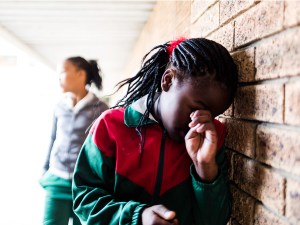
Social Anxiety: How Bullying Affects The Disorder

Social Anxiety: How Bullying affects the disorder

By, Maro Mikhaeil

Do you find yourself seeking the approval of people yet being bullied in return?  Often, we feel the need to be liked by others and we find ourselves changing who we are. When you are continuously attempting to impress others by pretending to be someone you are not or hiding your genuine self, you are manifesting a fear of rejection. Unfortunately, others may be able to notice your fears and use them against you since you are trying too hard to “fit in”.

Emotional abuse is real, and it may be just as harmful as physical abuse. Emotional abuse creates distress in the individual’s emotional or psychological state. Kids can be harsh, and the Pew Research Center reports that at least 59% of kids in the United States have been bullied. Bullying can lead to low self-esteem and increased self-consciousness. This creates a negative feedback loop in which bullied people are more inclined to suffer from social anxiety, and vice versa. Bullying can potentially escalate into physical violence, resulting in pain on both fronts.

But what is Social Anxiety?

According to the DSM-IV, Social Anxiety is defined as feeling frightened or worried in social situations, which may lead to the desire to avoid social encounters altogether. Unfortunately, bullying does not help; instead, it can worsen symptoms as anxiety sets in, when anything one does is criticized and, as a result, is emotionally abused.

What can you do about it?

First and foremost, in dealing with the disorder, you must not feed the desire to avoid social interactions. The more we care about what others think, the more we lose ourselves and suppress our genuine identities. It is crucial to remember that bullying occurs more frequently than you think and if you allow it to disrupt your life, you are merely hurting yourself.

If you or someone you know is a victim of bullying and/or experiencing social anxiety, please contact our psychotherapy offices in New York or New Jersey to talk to one of our licensed professional psychologists, psychiatrists, psychiatric nurse practitioners, or psychotherapists at Arista Counseling & Psychotherapy. Contact our Paramus, NJ or Manhattan, NY offices respectively at  (212) 722-1920 or (201) 368-3700 to set up an appointment. For more information, please visit https://www.counselingpsychotherapynjny.com

Sources:

https://www.verywellfamily.com/bullying-and-anxiety-connection-460631#:~:text=It%20is%20not%20surprising%20that,them%20over%20and%20over%20again.

 https://www.brosix.com/blog/cyberbullying-statistic/

March: National Self-Injury Awareness Month

March: National Self-Injury Awareness Month

By: Julia Massa

March is self-injury awareness month. Raising awareness educates those who do not self-harm and reaches out to those who do.

Self-injury or self-harm is characterized by hurting oneself on purpose to release painful emotions, process or distract themselves from their negative feelings, feel something when feeling numb, punish themselves, or develop a sense of control in their life. Self-harm can manifest differently for everyone, including cutting, scratching, burning, carving words into the skin, punching oneself, piercing skin with sharp objects, pulling out hair, or picking at existing wounds. Due to the stigma and shame that surrounds self-injury; many people do not report it. The current self-injury prevalence from statistics in over 40 countries explains that 17% of people partake in self-harm throughout their lifetime and the average age an individual begins to self-harm is 13. 50% of people seek help from friends, but do not commonly seek professional help. Cutting is the most commonly used form, with 45% resorting to cutting to relieve their pain. Since 2009, there has been a 50% increase in reported self-injury among young females.

Warning signs of self-harm include scars, fresh cuts, burns, scratches, bruises, wearing long sleeves or pants even in hot weather, impulsiveness, rubbing an area repeatedly to create a burn, having sharp objects on hand, questioning personal identity, and feelings of worthlessness. Self-harm can cause permanent scars, uncontrollable bleeding that can result in death, infection, addiction to the behavior, shame or guilt, avoiding friends and loved ones, becoming ostracized from loved ones who do not accept or understand the behavior, and interpersonal difficulty from lying to others about their injuries.

With the devastating consequences of self-harm and rates significantly increasing, it is important to advocate for those suffering to try to prevent them from engaging in these behaviors. Additionally, resorting to therapy to treat the underlying cause, such as overwhelming feelings and mood disorders, and finding better ways to cope may be the most effective route for those suffering from self-injury to take. For some, art therapy may help people process emotions and grab a marker instead of a sharp object. Individuals suffering can also text the crisis text line at 741741 when impulses to self-harm come on suddenly.

If you or someone you know is engaging in self-harm, please contact our psychotherapy offices in New York or New Jersey to talk to one of our licensed professional psychologists, psychiatrists, psychiatric nurse practitioners, or psychotherapists at Arista Counseling & Psychotherapy. Contact our Paramus, NJ or Manhattan offices respectively, at (201) 368-3700 or (212) 722-1920 to set up an appointment. For more information, please visit http://www.counselingpsychotherapynjny.com/

https://www.crisistextline.org/topics/self-harm/#what-is-self-harm-1

https://www.nami.org/About-Mental-Illness/Common-with-Mental-Illness/Self-harm

Bullying: Impact of Bullying on Children’s Mental Health

Bullying: Impact of Bullying on Children’s Mental Health

By Lauren Hernandez

            National media has created a frenzy of coverage surrounding Wisconsin’s controversial ordinances which fine parents if their children are bullies in school. Some may disagree with this new policy; however, others believe this harsh measure will help to eliminate bullying among school children.

Bullying can be physical, emotional, or verbal, and is a pattern of harmful, humiliating behaviors directed towards people who seem vulnerable to the bully. Oftentimes bullying happens in school, but with the rise of technology, cyberbullying is also becoming a problem. Children who are victims of bullying are typically vulnerable to mistreatment because they may be smaller, weaker, younger, and fearful of the bully; however, this description is general and does not apply to everyone. Bullies use their power, whether that is physical strength, popularity, or intimidation to harm others. Bullies tend to demonstrate signs of aggression or hostility beginning around 2 years old. It has been found that bullies have mental health issues such as lack of emotional understanding, lack of prosocial behavior, and increased rates of hostility as well as insecurity. Additionally, bullies typically have difficult relationships with their parents, teachers, and peers.

Victims of bullying not only suffer from physical consequences, but being bullied negatively impacts their mental health and overall well-being.  These detrimental social and emotional abuses can foster the development of mental health disorders such as anxiety or depression.  Victims of bullying often experience feelings of low self-esteem, isolation and loneliness. Some children create somatic symptoms such as headaches, stomachaches and other complaints which might not be valid, in order to prevent attending school. Victims of bullying generally stop liking school because they associate it with the threat of a bully. Incidents of bullying should immediately be reported to a school official, parent, or other adult that can help the victim and resolve the situation.

It is important to recognize that in most cases both the bully and the victim are suffering from mental health issues and they would benefit from treatment by a school counselor, psychologist or psychiatric nurse practitioner.

If you or someone you know who may be suffering from bullying, depression, or anxiety, please contact our psychotherapy offices in New York or New Jersey to talk to one of our licensed professional psychologists, psychiatrists, psychiatric nurse practitioners, or psychotherapists at Arista Counseling & Psychotherapy. Contact our Paramus, NJ or Manhattan, NY offices respectively, at (201) 368-3700 or (212) 722-1920 to set up an appointment. For more information, please visit http://www.counselingpsychotherapynjny.com/ .


Sources:

https://www.psychologytoday.com/us/basics/bullying

https://www.psychologytoday.com/us/blog/resilience-bullying/201906/can-wisconsin-get-rid-bullies-fining-their-parents

https://www.psychologytoday.com/us/articles/199509/big-bad-bully

Image Source:

https://www.bing.com/images/search?view=detailV2&id=E96397A385D68EA2836ABF172145323D4ACC382E&thid=OIP.yGetJrSKLf9RfOX94w0QPwHaFj&mediaurl=http%3A%2F%2Fwww.scholastic.com%2Fcontent%2Fdam%2Fteachers%2Fcollections%2F17-18%2Fbullying-prevention-collections-4-3.jpg&exph=1125&expw=1500&q=bullying&selectedindex=10&ajaxhist=0&vt=0&eim=1,2,6