Agoraphobia: Locked Inside
By: Camillia Ghavami
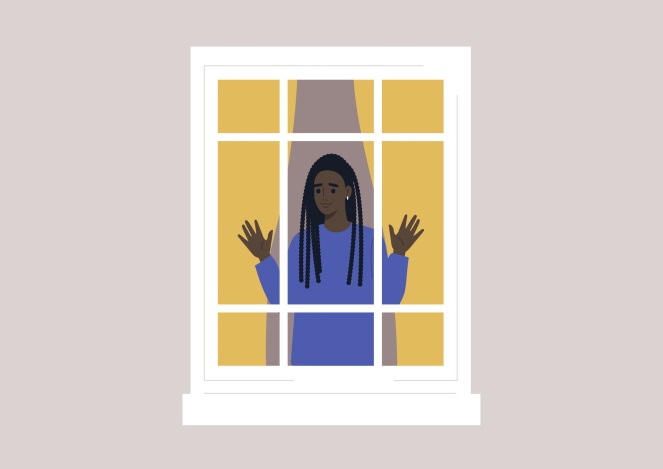
Agoraphobia is an often misunderstood and unacknowledged anxiety disorder. It is characterized by feelings of intense anxiety and avoidance of situations or places that are believed to be hard to escape. Agoraphobia is most often developed after having one or more panic attacks, leading to a fear of having another attack and thus avoidance of places that are thought to trigger these attacks. This anxiety is caused because of a fear that if a panic attack were to occur, there would be no easy way to escape or get help. These situations can include being in a car or airplane, being alone outside the home, or in crowded areas. While relatively ignored, this disorder affected 0.9% of US adults in the last year and 1.3% of US adults are expected to develop agoraphobia over the course of their lifetime. Adolescents show higher rates of agoraphobia with 2.4% of US adolescents aged 13-18 having the disorder. Additionally, while there is no gender differences of agoraphobia prevalence for adults, adolescent females tend to be afflicted by this disorder more so than men, 3.4% and 1.4% respectively.
Treatment for this disorder is similar to treatment for most anxiety disorders. First, psychotherapy, including cognitive behavioral therapy (CBT), has been shown to be effective in treating anxiety disorders. CBT teaches people how to be less anxious by altering their thoughts, reactions, and behaviors to situations. An example of this that can be effective for agoraphobia is exposure therapy. Exposure therapy allows people to confront their fears and helps people engage in activities they had been avoiding due to anxiety. Secondly, agoraphobia can also be treated with medications, with the most common being antidepressants, anti-anxiety medications, and beta blockers. There are many ways to treat anxiety, and a health care provider can help you choose the best treatment.
If you or someone you know is suffering from agoraphobia, please contact our psychotherapy offices in New York or New Jersey to talk to one of our licensed professional psychologists, psychiatrists, psychiatric nurse practitioners, or psychotherapists at Arista Counseling & Psychotherapy. Contact our Paramus, NJ or Manhattan, NY offices respectively, at (201) 368-3700 or (212) 722-1920 to set up an appointment. For more information, please visit http://www.counselingpsychotherapynjny.com/
References:
https://www.mayoclinic.org/diseases-conditions/agoraphobia/symptoms-causes/syc-20355987
https://www.nimh.nih.gov/health/statistics/agoraphobia#part_2666
https://www.nimh.nih.gov/health/topics/anxiety-disorders#part_2223
https://adaa.org/learn-from-us/from-the-experts/blog-posts/consumer/overcoming-agoraphobia-qa


 CounselingRx