Obsessive Compulsive Disorder (OCD): Chronic Worrying

By: Mercedes Renter

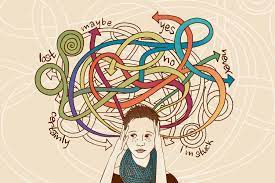
Do you experience a feeling of your worries being hard to manage? Do you find yourself preoccupied with what-if thinking or imagining the worst possible outcome? This can be a sign of Obsessive Compulsive Disorder (also known as OCD). OCD is a disorder in which people have recurring, unwanted thoughts, ideas or sensations (obsessions). To get rid of these thoughts, they feel driven to do something repetitively (compulsions). Chronic worrying is not always linked to a mental health disorder but in some cases it may be.

Troubles managing your chronic worries can come in many different scenarios but the most common are:

  • Family situations / Relationships
  • Health / Other Personal Issues
  • Money / Work
  • The state of the world

OCD compulsions include but are not limited to the following: (performed excessively)

  • Praying / Counting / Cleaning / Pacing
  • Checking on something / Arranging objects
  • Repeating a word / phrase / activity

Obsessive compulsive disorder may seem difficult to conquer; however there are many healthy habits which can eliminate your cycle of chronic worrying. Hypnosis can help you learn to live in the moment and mute any other thoughts. A deep breathing exercise allows you to focus on your breath which will calm your mind and body. A good night rest by prioritizing your sleep and increasing your optimal sleep hygiene will lessen the worrying feeling. Although all individuals seem to worry here and there, if you find yourself being prevented from enjoying the present and engaging in things you love, you may want to seek help.

If you or someone you know is struggling with OCD : chronic worrying please contact our psychotherapy offices in New York or New Jersey to talk to one of our licensed professional psychologists, psychiatrists, psychiatric nurse practitioners, or psychotherapists at Arista Psychotherapy & Psychiatric Services. Contact our Manhattan, NY or Paramus, NJ offices respectively at (201)368-3700 or (212) 722- 1920 to set up an appointment. For more information, please visit https://counselingpsychotherapynjny.com

References: https://psychcentral.com/blog/how-to-stop-worrying-about-worrying#possible-mental-health-disorders

Mindfulness: What is it, and does it really work?

Mindfulness: What is it, and does it really work?

By: Lauren Hernandez

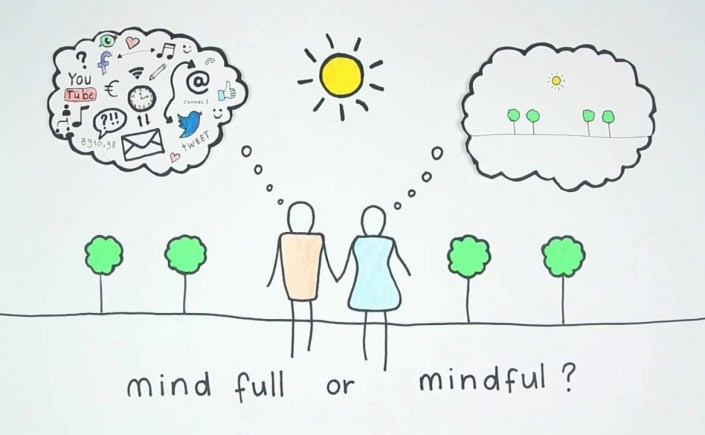
In this busy, technology filled day and age, it is difficult for people to remove themselves from the stress of work and money, family and friends, and to disconnect from the 24/7 social frenzy that is social media. Now more than ever it is imperative that people begin to step back from their phones and computer screens to take care of their mental health and general wellbeing. One fairly new and unique way is mindfulness meditation.

What is mindfulness you may ask? Mindfulness is a process in which you have full and total awareness of the present moment. It has been proven that mindfulness reduces feelings of anxiety and depression and improves one’s mental health.

Here are some simple tips to begin practicing mindfulness on your own:

  • Bring your attention to your breathing. Feel your breath filling your lungs and the warm exhale of air leaving your body.
  • Notice changes in your posture and maintain awareness of current bodily sensations
  • Allow yourself to disconnect from all forms of technology
  • Take time to listen and to observe what is happening around you
  • If you get distracted bring your attention back to your natural breathing patterns

If you feel as though you may need help practicing mindfulness or have questions about the way you are feeling, contact a mental health professional such as a psychologist who can offer some guidance.


If you or someone you know is seeking guidance in practicing mindfulness, please contact our psychotherapy offices in New York or New Jersey to talk to one of our licensed professional psychologists, psychiatrists, psychiatric nurse practitioners, or psychotherapists at Arista Counseling & Psychotherapy. Contact our Paramus, NJ or Manhattan, NY offices respectively, at (201) 368-3700 or (212) 722-1920 to set up an appointment. For more information, please visit http://www.counselingpsychotherapynjny.com/ .


Source:

https://www.msn.com/en-gb/news/happiness/what-is-mindfulness-meditation-the-mental-health-trend-thats-changing-the-way-we-work-relax-and-sleep-%e2%80%93-explained-by-a-psychologist/ar-AABonMO

Image Source:

https://www.bing.com/images/search?view=detailV2&id=86FA9F7C4018FC36005A2032C1D57C2D863CAD85&thid=OIP.ixk5pGCmRgwvCQKIKoadJwHaFZ&mediaurl=http%3A%2F%2Fwww.wikihow.com%2Fimages%2F5%2F55%2FPractice-Mindfulness-of-Body-States-Step-7.jpg&exph=1807&expw=2479&q=mindfulness&selectedindex=60&ajaxhist=0&vt=0&eim=1,2,6


Mindfulness: Why We Should All Practice It

By: Sanjita Ekhelikar

We live in a time when everyone is either living in the past or future. Being in the moment, or living in the present, seems to be a concept foreign to so many of us. By not living in the current moment, we are simply ensuring a life filled of stresses and regrets. How can we better learn to focus on the present?

Mindfulness means being aware of our surroundings, our body, our feelings, and thoughts in the moment. It involves recognizing and accepting our thoughts or sensations for what they are in a given moment without any judgment or negative perceptions. The practice of mindfulness gives our minds the chance to tune into the present.

It is critical for all of us to learn to practice mindfulness and how to be in the present. This will help us to avoid living a stressful life. This technique helps us learn to relax, be calm, and appreciate the present. Learning to practice mindfulness does not involve any major changes we need to make to our lives – simply setting aside a few minutes to be aware of ourselves and surroundings can have long term benefits. Here are some examples of mindful exercises we can all strive to implement in our daily lives:

  1. Mindful Breathing: Stand or sit down in a comfortable position and focus your thoughts and energy on your breath. Breathe in through your nose and out of your mouth. Be aware of only your breathing, and let go of your thoughts, letting them come and go as they pass.
  2. Mindful Observing: Look at any object in your surroundings/environment and focus solely on the object for a few minutes. Take a moment to notice every possible aspect of the object, including its color, shape, movement, features, and how it changes. Your mind will be focused on this object and will enable you to relax.
  3. Mindful Listening: Close your eyes and take a moment to listen to all of the sounds in your surroundings. Try to identify as many sounds as you can possibly hear and describe them. This allows your mind to again focus on something in the current moment instead of the thoughts in your mind.

If you or someone you know is suffering from stress or anxiety and wants to learn how mindfulness can help you, please contact our psychotherapy offices in New York or New Jersey to talk to one of our licensed professional psychologists, psychiatrists, psychiatric nurse practitioners, or psychotherapists at Arista Counseling & Psychotherapy. Contact our Paramus, NJ or Manhattan, NY offices respectively, at (201) 368-3700 or (212) 722-1920 to set up an appointment. For more information, please visit http://www.counselingpsychotherapynjny.com/.