Borderline Personality Disorder (BPD): A Simple Guide

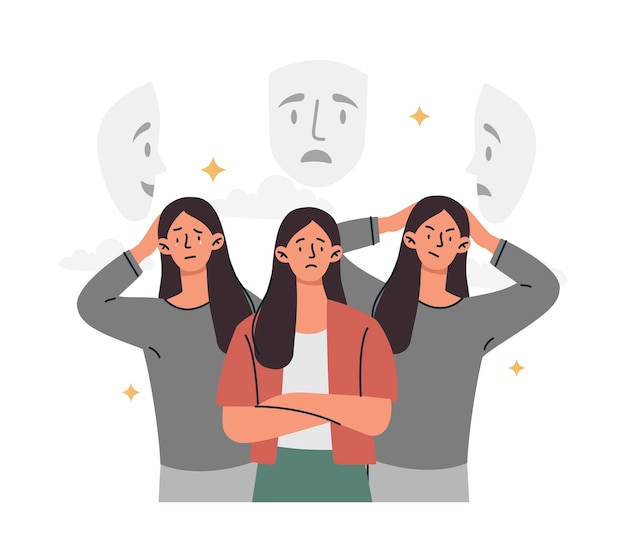
Premium Vector | Personality disorder concept

Borderline Personality Disorder (BPD): A Simple Guide

By: Katerina Kostadimas

Borderline Personality Disorder (BPD) is a mental health condition that affects the way a person thinks, feels, and interacts with others. People with BPD often struggle with intense emotions, unstable relationships, and a strong fear of abandonment.

What Are The Symptoms of BPD?

BPD symptoms are different for everyone, but common signs include:

  1. Emotional Instability
  2. Fear of abandonment
  3. Unstable Relationships
  4. Impulsive Behaviors
  5. Self-harm or Suicidal Thoughts
  6. Identity Issues
  7. Chronic Feelings of Emptiness
  8. Intense Anger
  9. Paranoia or Dissociation

What Causes BPD?

There is no single cause of BPD, but factors that may contribute include:

  • Genetics
  • Brain Differences
  • Trauma or Childhood

How Is BPD Treated?

BPD is treatable, and many people learn to manage their symptoms with the right help. Some common treatments include:

  • Therapy—Dialectical Behavior Therapy (DBT) has been said to be the most effective treatment. It teaches skills to manage emotions, build healthy relationships, and reduce impulsive behaviors.
  • Medication- While there is no specific medication for borderline personality disorder, some people benefit from antidepressants, mood stabilizers, or antipsychotic medications to manage symptoms.
  • Support System- Having understanding friends, family, or support groups can make a big difference in managing BPD.

If you or someone you love has BPD, know that recovery is possible. With the right treatment and support, people can build stable relationships, manage emotions, and lead fulfilling lives. 

If you or someone you know is struggling with borderline personality disorder, please contact our psychotherapy offices in New York or New Jersey to talk to one of our licensed professional psychologists, psychiatrists, psychiatric nurse practitioners, or psychotherapists at Arista Counseling and Psychotherapy. Contact our Paramus, NJ, or Manhattan, NY offices respectively, at (201) – 368-3700 or (212)-722-1920 to set up an appointment. For more information, please visit https://www.counselingpsychotherapynjny.com/

Reference:

https://www.mayoclinic.org/diseases-conditions/borderline-personality-disorder/symptoms-causes/syc-20370237

Borderline Personality Disorder in Men

Borderline Personality Disorder in Men

By Jenn Peraza

Borderline Personality Disorder (also known as BPD) is a personality disorder that is categorized in the DSM-V by intense fears of abandonment, emotional instability in everyday life and relationships, and a distorted sense of self. Studies have found that while BPD is equally as prevalent in men as it is in woman, statistically speaking, seventy-five percent of people with BPD are female. So why are females most likely to get diagnosed with BPD?

While the criteria for men and women with BPD are the same, men and women are more likely to exhibit different maladaptive behaviors. Women will most likely self-harm through eating disorders and cutting while men will more likely self-harm using substances and head banging. Due to this, men are more likely to end up in prison for violent behavior while women are more likely to seek mental health resources to deal with their self-harm.

There’s also a societal stigma around men receiving mental health help. While women are seen as emotional creatures, men are seen as unemotional and are told to “suck it up” or “man up” when they’re upset. Another factor is that the maladaptive behaviors of BPD are discouraged in women and encouraged in men. Men who have tumultuous relationships, aggressive behavior, and exert violent behavior are more likely praised in society than women who express the same symptoms.
Despite this, it is necessary to clear one’s mind of what is seen as typical behavior for men and to encourage the men in your lives to seek mental health help. By overcoming stigmas, more men can receive the necessary help for BPD and live fulfilling lives.

If you or someone you know is seeking therapy for a personality disorder, please contact our psychotherapy offices in New York or New Jersey to talk to one of our licensed professional psychologists, psychiatrists, psychiatric nurse practitioners, or psychotherapists at Arista Counseling & Psychotherapy. Contact our Paramus, NJ or Manhattan, NY offices respectively, at (201) 368-3700 or (212) 722-1920 to set up an appointment. For more information, please visit http://www.counselingpsychotherapynjny.com/

SOURCE:  https://www.verywellhealth.com/borderline-personality-disorder-in-men-5096081