Emotional Dysregulation Disorder: What is it?
By Sherry Yang
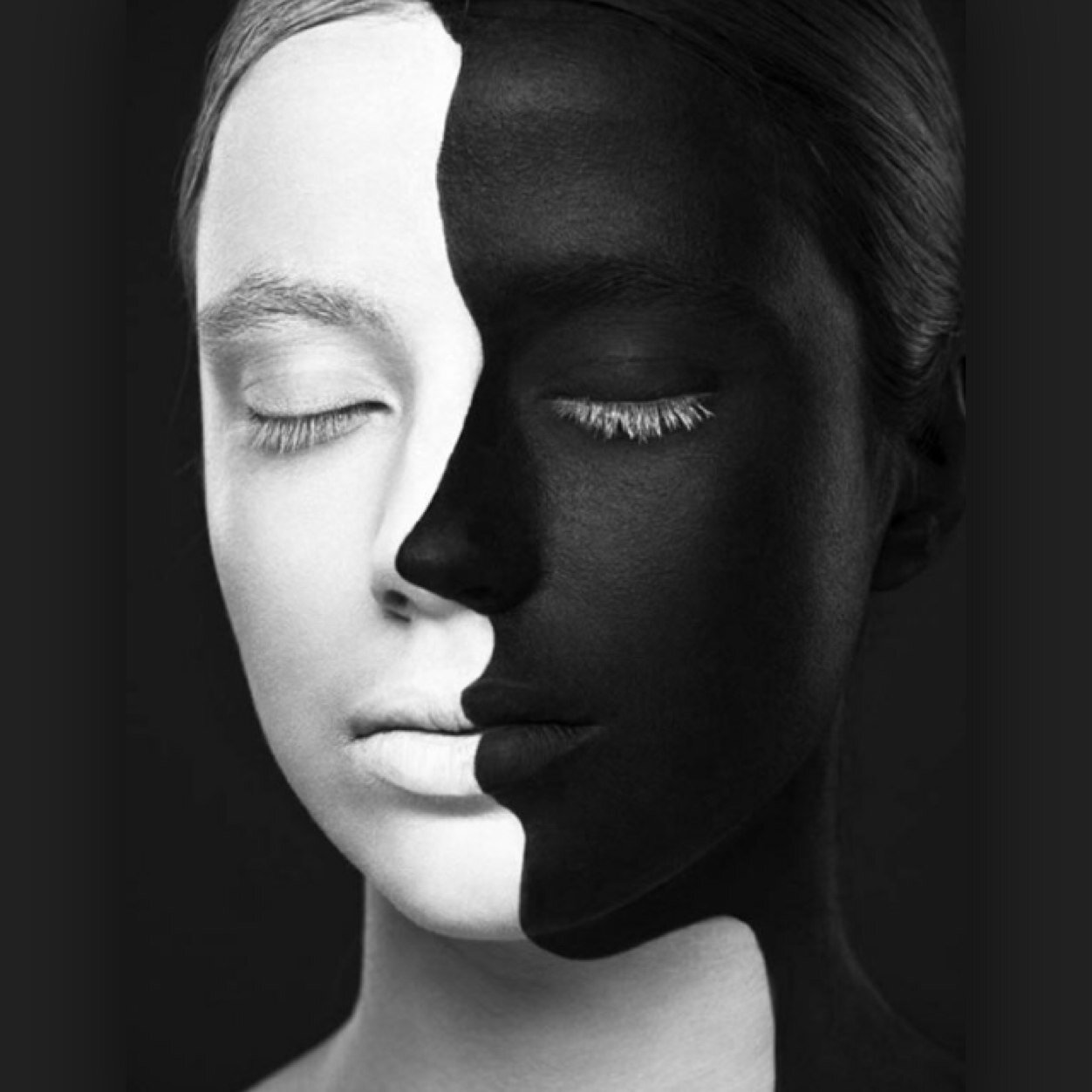
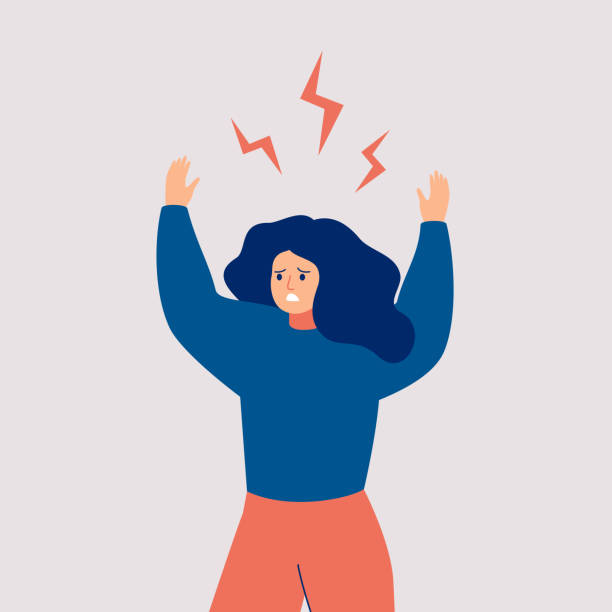
Emotional dysregulation disorder (EDD), also known as borderline personality disorder, is a mental illness that is characterized by severe emotional instability. Those with EDD are constantly changing their feelings about themselves and others, and only feel emotions on extreme levels. EDD significantly affects impulsivity, self-image, and relationships. It can be caused by family history, brain structure, or environmental factors such as trauma. Symptoms may include:
- A pattern of unstable relationships with loved ones
- Distorted and unstable sense of self
- Impulsive and possibly dangerous behaviors
- Self-harming or suicidal thoughts
- Difficulties controlling anger
- Feelings of dissociation
- Intense and unstable moods and emotional episodes
- Problems with real or perceived abandonment
Although EDD may appear similar to another mental illness, bipolar disorder, these two are notably different. Bipolar disorder causes extreme mood swings with emotional highs and lows; the highs are feelings of mania and the lows are feelings of depression. This disorder does not have as much emphasis on relationships and self-image, which are key to EDD.
If you or someone you know is struggling with emotional dysregulation disorder, please contact our psychotherapy offices in New York or New Jersey to talk to one of our licensed professional psychologists, psychiatrists, psychiatric nurse practitioners, or psychotherapists at Arista Counseling and Psychotherapy. Contact our Paramus, NJ or Manhattan, NY offices respectively at (201)-368-3700 or (212)-722-1920 to set up an appointment. For more information, please visit https://www.counselingpsychotherapynjny.com
References:
https://www.nimh.nih.gov/health/publications/borderline-personality-disorder
https://www.mayoclinic.org/diseases-conditions/bipolar-disorder/symptoms-causes/syc-20355955

 Borderline Personality Disorder: Misdiagnosed


 CounselingRx