Bipolar Disorder

Bipolar Disorder

By: Nicole Sanchez

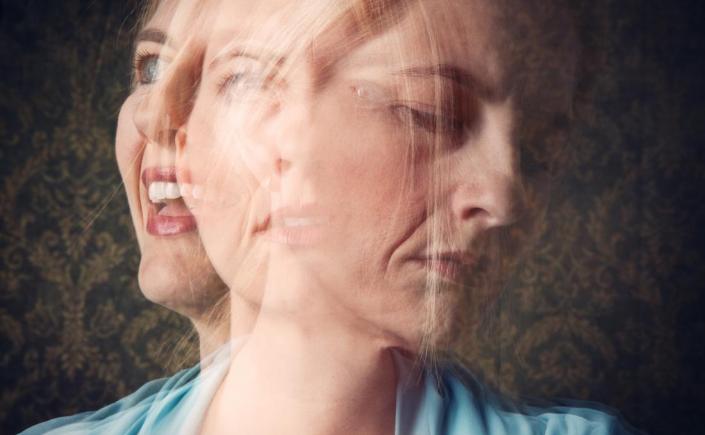
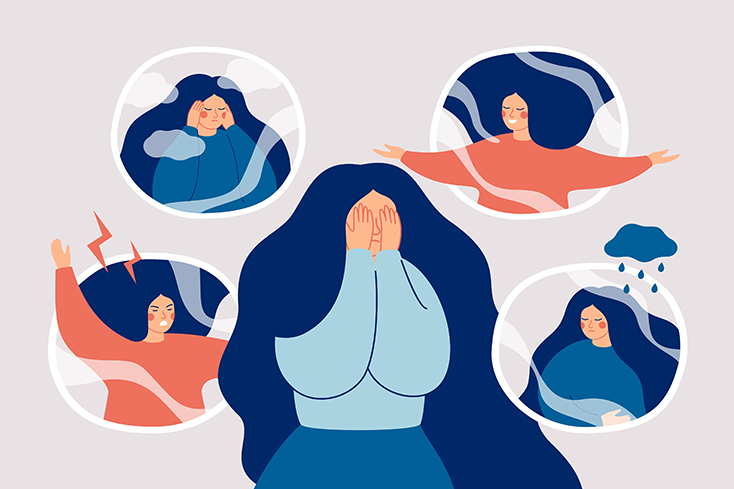
Bipolar disorder is a serious mood disorder and mental health condition that causes unusual shifts in mood, energy levels, thinking and behavior. These shifts can last for hours, days, weeks or months and interfere with ability to carry out daily tasks. When one becomes depressed, they may go through feelings of sadness, hopelessness and or loss of interest in many activities. When one’s mood shifts to mania, one may feel euphoric, energized or irritable. These shifts in mood can impact a person’s sleep, activity or energy levels, behavior and their ability to think clearly. Each type of bipolar disorder includes periods between manic or depressive episodes when symptoms lessen, or people feel stable. The greatest difference between the types of disorder is how extreme the mood states are and their duration. Bipolar I Disorder includes having a history of at least one manic episode, but sometimes also having depressed or hypomanic episodes as well. Bipolar II Disorder includes mood states that vary from an even mood to high to low, although the highs are less extreme and are called hypomanic states.

Individuals with bipolar disorder can be treated with a combination of medication and therapy. Mood stabilizers, antipsychotics, and antidepressants can aid in managing mood swings and other symptoms. Some people may need to try different medications before determining which medication works best for them. Therapy aids individuals in accepting their disorder, being familiar with the warning signs of a manic or depressive episode, developing coping strategies, and sticking with a medication schedule. While people may sometimes experience some stability in their mood between episodes, a long-term, continuous treatment plan is suggested as it can reduce the severity and frequency of mood swings.

If you or someone you know is having mental health difficulties and/ or experiencing symptoms of Bipolar Disorder, please contact our psychotherapy offices in New Jersey to talk to one of our licensed professional psychologists, psychiatrists, psychiatric nurse practitioners, or psychotherapists at Arista Counseling & Psychotherapy. Contact our offices at (201) 368-3700 or (212) 722-1920 to set up an appointment. For more information, please visit http://www.counselingpsychotherapynjny.com/

https://www.samhsa.gov/mental-health/bipolar

Bipolar One Vs. Bipolar Two

By: Yael Berger

Bipolar, also known as manic depression, is a mood disorder characterized by extreme highs and extreme lows. Extreme highs are called mania while the extreme lows are called depression. It is seen in both adults and children and tends to run in the family. If you have a close relative with Bipolar disorder, you have an increased chance of developing the disorder. According to the national institute of mental health, “an estimated 4.4% of U.S adults experience bipolar disorder at some time in their lives.” There are two different types of Bipolar that are often difficult to distinguish between.

Bipolar I patients commonly present with these symptoms:

  • An episode of extreme mania lasting at least one week and usually an episode of severe depression lasting at least two weeks
    • Mania is characterized by irritability, mood swings, and possibly excessive spending, drinking, excessive sexual behavior etc.
  • Less need for sleep
  • Increased self-esteem, speech, thoughts, distractibility
  • Rapid mood swings
  • Can have a break with reality
    • Hallucinations, delusional or paranoid thoughts
  • Usual onset: around 18 years old

Bipolar II patients commonly present with these symptoms:

  • An episode of hypomania lasting at least four days and always accompanied by an episode of extreme depression lasting at least two weeks
  • Hypomania is a milder form of mania but it is still noticeable to others
  • Typically are prescribed antidepressants with mood stabilizers
  • Usual onset: around mid-20s

There are a few key differences between bipolar I and bipolar II. The main difference is that Bipolar I often begins with mania while Bipolar II often begins as a depressive episode that is later diagnosed when an episode of hypomania occurs. Bipolar II is sometimes wrongly diagnosed as depression at first because it often starts as a depressive episode. Bipolar I is usually obvious and severely disrupts a patient’s life while Bipolar II can be less noticeable. However, once a hypomanic episode in Bipolar II patient causes severe impairment it would then be categorized as Bipolar I. Bipolar I can lead to hospitalization more often than Bipolar II because of the extreme mania that occurs. A combination of medication and therapy can help both Bipolar I and II.

If you or someone you know has any type of Bipolar Disorder, please contact our psychotherapy offices in New York or New Jersey to talk to one of our licensed professional psychologists, psychiatrists, psychiatric nurse practitioners, or psychotherapists at Arista Counseling & Psychotherapy. Contact our Paramus, NJ or Manhattan, NY offices respectively, at (201) 368-3700 or (212) 722-1920 to set up an appointment. For more information, please visit https://www.counselingpsychotherapynjny.com/

Sources:

https://www.healthline.com/health/bipolar-disorder/bipolar-1-vs-bipolar-2#symptoms

https://www.nimh.nih.gov/health/statistics/bipolar-disorder.shtml

https://www.psychologytoday.com/us/blog/two-takes-depression/201901/10-things-know-about-bipolar-disorder

Image:

https://www.medicalnewstoday.com/articles/319280.php