Bipolar Disorder

By: Dianna Gomez

Bipolar Disorder, also known as “Manic-Depressive,” is a disorder of the brain that causes a person to experience sudden shifts in mood, energy/activity levels, and disrupts their ability to function fully each day. The changes in mood range from a person feeling extremely “up” and energized which are known as manic episodes to feeling extremely “down” and sad which is known as depressive episodes. There are multiple forms of Bipolar Disorder, however, the two main types of the disorder are Bipolar I and Bipolar II. Regardless of the type a person has, he or she still suffers from very similar symptoms. Bipolar I Disorder is defined by manic episodes/symptoms that are either so severe the individual needs to be hospitalized immediately or the episode itself has lasted for at least 7 days. Depressive episodes occur in people with this type of Bipolar as well and these episodes can last up to at least 2 weeks at a time. Bipolar II Disorder is defined by a certain pattern of depressive episodes followed by some hypo-manic episodes. The only difference between manic and hypo-manic is that hypo-manic episodes are not as intense as full on manic ones. More specifically, when a person is having a manic episode they can experience the following symptoms:

  • Feeling “jumpy” or “weird”
  • Having trouble sleeping
  • Talk really fast about a lot of different things
  • Racing thoughts
  • Participating in risky behaviors (ex: spending all your money)

On the other hand, when a person is going through a depressive episode, he or she can experience the following symptoms:

  • Sleeping too much or not enough
  • Not being able to enjoy things
  • Trouble concentrating
  • Eating too much or not enough
  • Thinking about death and/or suicide

Luckily, there are several forms of treatment that a person suffering from Bipolar Disorder can seek out to help them live a more normal and stable lifestyle. Methods of treatment include: medications (mood stabilizers, sleep medications, antidepressants, and atypical anti-psychotics), psychotherapy (cognitive behavioral therapy, family-focused therapy, and interpersonal therapy), or a combination of both. Even while taking medications some mood swings may still occur. This makes it especially important that there is a close and honest patient-doctor relationship in order to manage the disorder in the most efficient way possible. In addition to these, there is also electroconvulsive therapy or “ECT,” and keeping a lifestyle chart. When keeping the lifestyle chart, the patient records their daily symptoms, sleep patterns, and other important life events.


If you or anyone you know may suffer from either Bipolar I Disorder or Bipolar II Disorder, the licensed psychologists, psychiatrists, psychiatric nurse practitioners, and psychotherapists at Arista Counseling & Psychotherapy can assist you. Contact our Paramus, NJ or Manhattan, NY offices respectively, at (201) 368-3700 or (212) 722-1920 to set up an appointment. For more information, visit us at http://www.counselingpsychotherapynjny.com/.

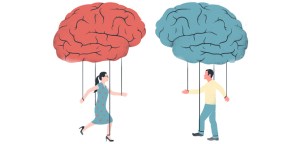
Communication Differences Between Genders


By: Dianna Gomez

Where would the world be without communication? Whether it be conscious or unconscious, we communicate in one way or another with those around us every minute of every day. We communicate in the work place, in relationships, with our friends and family – sometimes even when passing by strangers walking down the street. You would think that with the amount of communicating we do as a human species on a daily basis, we would have it all down to a “ T ” by now but that is far from the truth. Every once in a while we experience miscommunication and other frustrations related to interacting with the people around us. In order to improve the quality of communication in one’s own life, it is important to begin by understanding the different methods of communication between each gender. There are so many fundamental differences regarding the way in which men and women behave and think when it comes to communication. On average, women tend to speak more than men and when each gender is communicating, they do so for different reasons and from different perspectives.

Here is a list of these differences:

  1. Reasons For Talking
  • Men believe that communication should always have a clear purpose. Whether there is a problem in need of a solution or a specific question needing an answer, men use communication to get to the bottom of any topic of conversation in the most efficient way possible. On the other hand, a woman views communication as a way to discover how she may feel about something. Women like to lay all the potential pros and cons out on the table and discuss each more thoroughly. When it comes to relationships, communication is a way in which women increase intimacy with their significant others. They share their thoughts to rid themselves of any negative feelings they may be having.

2. How Much Should Be Said

  • Similarly to the first point, men always put productivity and efficiency at the very top of their lists. When telling a story, men only share the details that are absolutely necessary to get to the point. Women tend to share as much detail as possible, even if it isn’t necessarily needed. This is often times why men may interrupt women half way through an explanation when they have already received the point that is ultimately trying to be made.

3. What Does It Mean To “Listen?

  • When a woman first initiates a conversation with a man, she assumes they are doing so to obtain some type of advice or assistance. They automatically think to themselves “what can we actually do about this?” From the woman’s perspective, having the conversation all on it’s own is a way of finding a solution to any problem. Women just want to feel like they are being heard and understood, and if they feel this is happening any problem will already feel partially solved.

Communication is so important in every aspect of our lives. Especially when it comes to having relationships with significant others, if these fundamental differences aren’t already understood, there will be many disagreements and arguments about things that there wouldn’t be otherwise. Regardless of what gender you are, the next time you find yourself feeling frustrated when communicating with the opposite sex, take a step back and try to see the situation from their point of view. If this is done over a long enough period of time, you will find that life will soon go a lot smoother in all areas of your life.


If you or anybody you know may be having trouble with communication or may be having relationship problems they can’t seem to resolve, the licensed psychologists, psychiatrists, psychiatric nurse practitioners, and psychotherapists at Arista Counseling & Psychotherapy can assist you. Contact our Paramus, NJ or Manhattan, NY offices respectively, at (201) 368-3700 or (212) 722-1920 to set up an appointment. For more information, visit us at http://www.counselingpsychotherapynjny.com/.

Prescription Drugs and Side Effects

Prescription Drugs and their Side Effects

Emily Ramos

The truth of the matter is that many prescription drugs contain side effects. It is hard to predict whether or not an individual will experience side effects, it depends on how their body reacts to the drug. The good thing is that there are steps an individual can take to reduce the risks. If the side effects persist you can speak with your doctor who can prescribe a lower dosage or a different medication. DO NOT stop taking medication if you experience a side effect, always speak with your doctor. They might have to wean you off of the drug instead of stopping all together. Here’s how you can learn about possible side effects and how to avoid them:

  • Before getting prescribed medicine, ask your doctor about possible side effects that may occur. For example, if nausea is a side effect your doctor may recommend that you eat or drink before taking the medication.
  • Once you start taking medication take note of any symptoms that arise and tell your doctor about them. This will give your doctor a better understanding.
  • Other ways to prevent side effects are to make appropriate lifestyle changes. For example: if a medication causes you to gain weight you will have to pay more attention to your nutrition and incorporate exercise plans.

It may take a few trial and errors before your doctor is able to find a medication that works best for you. That is why it is crucial to be honest with your doctor before and after he or she prescribes medication.

If you or a person you know is struggling with medication, it may be beneficial to contact a mental health professional and receive therapy. The psychologists, psychiatrists, and therapists at Arista Counseling and Psychiatric Services can help. Contact the Bergen County, NJ or Manhattan offices at (201) 368-3700 or (212) 722-1920. Visit http://www.acenterfortherapy.com for more information.


Negative Stigmas of Mental Illness

Mental Illness and Stigmas

Emily Ramos

When a person is born with a deformity, the source of their disability is obvious. But when someone is mentally ill, there are no obvious physical indicators for their behavior.  A lot of the times people pity those with a clear disadvantage and fear the behavior of those with a mental illness. This can cause someone suffering from a mental health illness to live in fear of embarrassment and humiliation if their condition is found out.

A common misconception people have about those who suffer from mental illness is that they are unpredictable like a ticking time bomb, ready to explode at any second. This portrayal comes from the fact that many who go on shooting sprees happen to also suffer from mental illness. This is a false depiction because not all patients act out in violence; same as how not everyone cries when they are mourning the loss of a loved one.

We have to remember to not stereotype everyone with the same diagnoses as being the same. The 2012 Aurora movie theater shooter, James Holmes, showed signs of depression since middle school and attempted suicide at the age of eleven. What people don’t know is that he also was obsessed with the idea of killing people which led to his violent outburst. Most individuals with depression don’t exhibit the desire to inflict pain on others.

The pressure that a negative stigma creates on an individual in addition to the weight of their illness can be overwhelming and unbearable. The best way to reduce mental health stigmas is to raise awareness and enforce discussions about mental health. Millions of people suffer from mental disorders and just as we treat those who suffer from physical illness with care and emotional support we need to provide care and emotional support to mental health patients.

If you or a person you know is struggling with mental illness, it may be beneficial to contact a mental health professional and receive therapy. The psychologists, psychiatrists, and therapists at Arista Counseling and Psychiatric Services can help. Contact the Bergen County, NJ or Manhattan offices at (201) 368-3700 or (212) 722-1920. Visit http://www.acenterfortherapy.com for more information.