Binge Eating Disorder

Binge Eating Disorder

By: Gisela Serrano

Bing Eating Disorder is a relatively new disorder that was only recently added to the DSM-5 in 2013. So, what exactly is Binge Eating Disorder? According to the American Psychiatric Association, Binge Eating Disorder is “characterized by recurring episodes of eating significantly more food in a short period of time than most people would eat under similar circumstances, with episodes marked by feelings of lack of control. Someone with binge eating disorder may eat too quickly, even when he or she is not hungry.” BED is one of the most common eating disorders and research shows that over 50% of people who suffer from BED do not seek or receive treatment. Binge eating disorder can affect just about anyone regardless of race, sex, or age. Most of those who suffer from Binge Eating Disorder are overweight or obese, but not all. Some sufferers actually appear perfectly healthy with regard to their weight. Those who suffer from BED experience extreme shame and guilt for the amount that they eat in such short periods of time. They understand that it is not healthy, but they feel it is almost impossible to change their ways. This is why those who suffer from BED prefer to eat alone rather than feeling ashamed and embarrassed in front of others. Someone who is not well informed on the disorder may not understand and, therefore, is quick to judge and disapprove or make nasty and unnecessary comments to the sufferer. According to the National Eating Disorders Association, binge eating episodes are associated with three or more of the following:

  • Eating much more rapidly than normal
  • Eating until feeling uncomfortably full
  • Eating large amounts of food when not feeling physically hungry
  • Eating alone because of being embarrassed by how much one is eating
  • Feeling disgusted with oneself, depressed, or very guilty after overeating

Binge Eating Disorder is a serious disorder that affects normal, everyday people. If you feel as though you or a loved one might be suffering from this disorder, seeking treatment would be best as it is not always easy to do on one’s own. You can contact Arista Counseling & Psychotherapy at our office in Paramus, NJ at (201) 368-3700 or our Manhattan location at (212) 722-1920 to see how our services and approaches can help you or a loved one treat your disorder. You can also visit our website http://www.counselingpsychotherapynjny.com/ for more information.

Resources:

https://www.nationaleatingdisorders.org/blog/new-dsm-5-binge-eating-disorder

https://www.nationaleatingdisorders.org/sites/default/files/ResourceHandouts/InfographicRGB.pdf

Tourette Syndrome

By: Dianna Gomez

Tourette Syndrome is a type of tic disorder. A tic can be classified as an involuntary, repetitive movement or vocalization. Those diagnosed with this disorder will either suffer from vocal/phonic tics or motor tics. In general, vocal/phonic tics produce a sound. Examples of vocal/phonic tics include things such as sniffing, throat clearing, grunting, and shouting. Examples of more complex vocal/phonic tics include full words or phrases. These words or phrases are always out of context and may or may not be recognizable. In 10-15% of cases, words blurted out may be inappropriate such as curse words, ethnic slurs, or other words or phrases that are not viewed as socially acceptable.

Motor tics, generally, are movements. Examples of motor tics include eye blinking, shoulder shrugging, head jerking/bobbing, facial grimacing, etc. More complex motor tics include movements that involve multiple muscle groups at once. Examples of these movements are things such as hopping, jumping, twirling, etc.

While the exact cause of Tourette Syndrome is unknown, it has been confirmed that it is hereditary so genetics may play a role. There are, however, some treatment options that are available to help ease the symptoms. Medications for tics include Haloperidol, Pimozide, and Aripiprazole. Speech therapy is also another form of treatment for those with tics. Lastly, Deep Brain Stimulation (DBS) is another method of treatment for tics. DBS is a relatively new procedure that utilizes an implantable electrode to alter the activity of brain circuitry.

If you or someone you know is suffering from Tourette Syndrome, the licensed psychologists, psychiatrists, psychiatric nurse practitioners, and psychotherapists at Arista Counseling & Psychotherapy can help you. Contact our Paramus, NJ or Manhattan, NY offices respectively, at (201)-368-3700 or (212)-722-1920 to set up an appointment. For more information, visit us at https://www.counselingpsychotherapynjny.com/.

Mental Illness Stigma Still Exists

By: Gisela Serrano

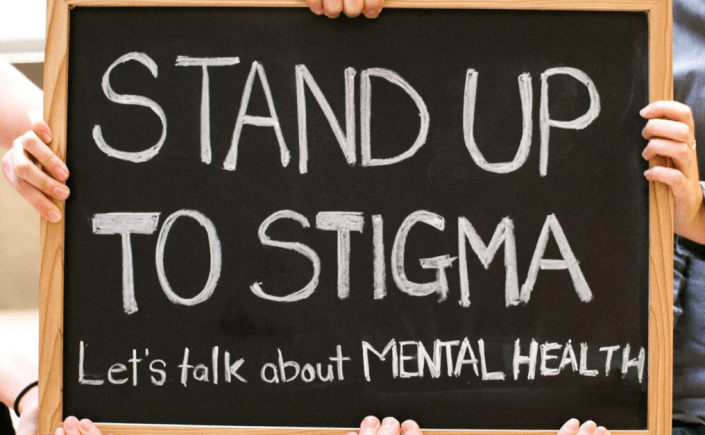
The sad reality is that a stigma on mental illness still exists, although we’d like to think that it has been minimized significantly. There are several people with a voice, including celebrities, who advocate and speak on the importance of mental health; some even give light to their own mental health issues. However, stigma on mental health illnesses is still very much alive today and can prevent many people from seeking professional help, which can be beneficial to them. Ignorance and a lack of education also play a major role in preventing people from reaching out for the help they need. People who are uneducated may not be familiar with the options they have when seeking professional providers and thus limit themselves the access of qualified providers who have more clinical experience and expertise. For this reason, they consult professionals who may not necessarily specialize in the condition from which they are suffering from. People with low income may also not be able to afford high quality care. As a result of these factors, many people usually shy away from searching for help as they unfortunately feel shame and embarrassment.

Overall, many people fear that they would be the subject of criticism, lose friendships and relationships, and lose their jobs if they were to confide in someone about their mental health state. According to David B. Feldman Ph.D., in his post “The Tragedy of Mental Illness Stigma” on Psychology Today, “in half of U.S. states, admitting to a history of mental illness can lead to loss of a driver’s license, inability to serve on a jury or run for office, or even potentially loss of custody of a child.” It makes absolute sense why some people would be hesitant about speaking out or seeking the help they need. The bottom line here is: there is nothing wrong with accepting that you need help – whatever your situation or problem may be. Recognizing that you need help is the first healthy step you can take to achieving mental health and overall taking care of yourself. Stop waiting decades to search for help or receive care. Many mental health illnesses are treatable and for good reasons should not be put off. Talking to your friends and family is also an important step you should consider taking as it can provide you the strong moral support system you need. The sooner you learn to avoid and disregard mental illness stigma, the quicker you can be on the road to recovery.


Bipolar Disorder

By: Dianna Gomez

Bipolar Disorder, also known as “Manic-Depressive,” is a disorder of the brain that causes a person to experience sudden shifts in mood, energy/activity levels, and disrupts their ability to function fully each day. The changes in mood range from a person feeling extremely “up” and energized which are known as manic episodes to feeling extremely “down” and sad which is known as depressive episodes. There are multiple forms of Bipolar Disorder, however, the two main types of the disorder are Bipolar I and Bipolar II. Regardless of the type a person has, he or she still suffers from very similar symptoms. Bipolar I Disorder is defined by manic episodes/symptoms that are either so severe the individual needs to be hospitalized immediately or the episode itself has lasted for at least 7 days. Depressive episodes occur in people with this type of Bipolar as well and these episodes can last up to at least 2 weeks at a time. Bipolar II Disorder is defined by a certain pattern of depressive episodes followed by some hypo-manic episodes. The only difference between manic and hypo-manic is that hypo-manic episodes are not as intense as full on manic ones. More specifically, when a person is having a manic episode they can experience the following symptoms:

  • Feeling “jumpy” or “weird”
  • Having trouble sleeping
  • Talk really fast about a lot of different things
  • Racing thoughts
  • Participating in risky behaviors (ex: spending all your money)

On the other hand, when a person is going through a depressive episode, he or she can experience the following symptoms:

  • Sleeping too much or not enough
  • Not being able to enjoy things
  • Trouble concentrating
  • Eating too much or not enough
  • Thinking about death and/or suicide

Luckily, there are several forms of treatment that a person suffering from Bipolar Disorder can seek out to help them live a more normal and stable lifestyle. Methods of treatment include: medications (mood stabilizers, sleep medications, antidepressants, and atypical anti-psychotics), psychotherapy (cognitive behavioral therapy, family-focused therapy, and interpersonal therapy), or a combination of both. Even while taking medications some mood swings may still occur. This makes it especially important that there is a close and honest patient-doctor relationship in order to manage the disorder in the most efficient way possible. In addition to these, there is also electroconvulsive therapy or “ECT,” and keeping a lifestyle chart. When keeping the lifestyle chart, the patient records their daily symptoms, sleep patterns, and other important life events.


If you or anyone you know may suffer from either Bipolar I Disorder or Bipolar II Disorder, the licensed psychologists, psychiatrists, psychiatric nurse practitioners, and psychotherapists at Arista Counseling & Psychotherapy can assist you. Contact our Paramus, NJ or Manhattan, NY offices respectively, at (201) 368-3700 or (212) 722-1920 to set up an appointment. For more information, visit us at http://www.counselingpsychotherapynjny.com/.

Insomnia

By: Dianna Gomez

Insomnia is a condition that makes it very difficult for a person to fall asleep and stay asleep throughout the night. Insomnia can be caused by medical conditions such as hyperthyroidism, or for psychological reasons such as anxiety, depression or intrusive thoughts. In addition to these possibilities, the type of lifestyle an individual chooses to live can also be responsible for creating symptoms of insomnia. There are a few things that people who experience insomnia tend to do that may be worsening their symptoms without them even knowing. Some examples of these lifestyle habits include:

  1. Taking Mid-Day Naps
  • Whether it is short or long, sleeping in the middle of the day can increase a person’s chances of having difficulty sleeping through the night. If you can, try to avoid taking naps all together.
  1. Sleeping In Late
  • When a person is lacking sleep, it isn’t uncommon for them to attempt to fix the problem by sleeping in later the next morning to make up for their “lost hours.” However, by doing so, you are confusing your body clock which then makes it difficult to fall asleep at a regular time again the following night. This can quickly create a vicious cycle that is even harder to break.
  1. Taking Your Work Home With You
  • Regardless of what your occupation is, almost everybody has hectic daily schedules. When people are feeling behind on their work, they often decide to put in a little “over-time” by bringing their work home with them. By doing this, you make the process of “winding down” at night harder as your mind is kept wide awake and pre-occupied when it shouldn’t be.
  1. Using Electronics
  • Especially in today’s generation, it is extremely common for people to use their phones or laptops while lying in bed right before they intend to fall sleep. The problem with this, however, is that bright screens like those on our electronics actually stimulate the brain more and cause you to stay awake. This then makes it more difficult to fall asleep for the night.
  1. Working Irregular Hours
  • If you have a job that has you on various different “shifts,” sleeping may become a problem for you. If a person doesn’t stay on a regimented time schedule, their body clock cannot decipher when it should be waking up to take on a new day or winding down to get ready for bed.


If you have already tried reversing these lifestyle habits and still regularly experience symptoms of insomnia, the licensed psychologists, psychiatrists, psychiatric nurse practitioners, and psychotherapists at Arista Counseling & Psychotherapy can help you. Contact our Paramus, NJ or Manhattan, NY offices respectively, at (201)-368-3700 or (212)-722-1920 to set up an appointment. For more information, visit us at https://www.counselingpsychotherapynjny.com/.


Panic Attacks and Anxiety

By: Dianna Gomez

Panic. Worry. Fear. Helplessness. What is wrong with me? Why am I feeling like this? Why is my heart beating out of my chest? Am I dying? Why can’t I make it stop?!

For some of us, these emotions are all too familiar. Anxiety can be a scary thing, especially when you’re not totally up-to-date on what exactly it is. What are you to do when you feel like your whole world is crashing down around you and there’s nothing you can do to stop it? Well, have no fear because I have a few helpful tips to share!


Here are 5 things that you can do to calm yourself down when suffering from an anxiety attack:

  • Take Deep Breathes

Inhale. Exhale. Tell yourself that although it may not feel like it right now, everything will be okay.

  •  Talk Yourself Down

Repeat a calming/kind phrase to yourself OUT LOUD. Remind yourself that you are safe, loved, and never alone.

  • Seek Help

Sometimes we tend to insist that we can get through tough times all on our own, but there is no shame in asking for help. Whether it be a neutral professional, a loved one or someone you trust, find someone with whom you can talk out your troubles.

  • Use Music and Visuals

Never underestimate the power of calming music and visuals. Whether it be classical music, peaceful nature videos/sounds, or your favorite John Mayer song – let the music play and your worries float away!

  • Put Your Anxiety on Ice

Create sensory stimulation by gently sticking both of your hands into a bowl of very cold water with ice. The more ice the better.


If either you or anybody you know suffers from anxiety, the licensed psychologists, psychiatrists, psychiatric nurse practitioners, and psychotherapists at Arista Counseling & Psychotherapy can help you. Contact our Paramus, NJ or Manhattan, NY offices respectively, at (201)-368-3700 or (212)-722-1920 to set up an appointment. For more information, visit us at https://www.counselingpsychotherapynjny.com/.


Lack of Intimacy – A Common Problem in Marriages

By: Gisela Serrano

One common problem that most marriages experience is a lack of intimacy. Couples tend to have different daily schedules – making it difficult to find time to dedicate to their partner. When children come into the picture, it becomes more complex as the children tend to become the priority and the focus of the parent’s attention. This means that the couples own needs and desires, including their sexual needs, are put on hold. Couples often become too tired or too accustomed to their daily routines and forget the importance of having a healthy sex life with their spouse. In cases like these, it is important for the married couple to communicate and talk about the issue at hand, as scary and uncomfortable as it may seem. You may even be surprised as to how well the conversation turns out, but you will never know until you take that next step. Having an open and honest conversation regarding your sex life can be the key to avoiding marital problems over the lack of intimacy. The bottom line is – sex is not the most important thing in a marriage and should not be expected to be the only thing to hold a marriage together – but it certainly is an important and healthy part of marriage.

If you and your spouse are having marital issues including, but not limited to, lack of intimacy contact Arista Counseling & Psychotherapy at our location in Paramus, NJ (201) 368-3700 or at our location in Manhattan (212) 722-1920. You can also visit our website https://www.counselingpsychotherapynjny.com/ for more information.

Source: Madsen, P. (May 29, 2012). Retrieved from: https://www.psychologytoday.com/us/blog/shameless-woman/201205/love-and-the-little-or-no-sex-marriage

Communication Differences Between Genders


By: Dianna Gomez

Where would the world be without communication? Whether it be conscious or unconscious, we communicate in one way or another with those around us every minute of every day. We communicate in the work place, in relationships, with our friends and family – sometimes even when passing by strangers walking down the street. You would think that with the amount of communicating we do as a human species on a daily basis, we would have it all down to a “ T ” by now but that is far from the truth. Every once in a while we experience miscommunication and other frustrations related to interacting with the people around us. In order to improve the quality of communication in one’s own life, it is important to begin by understanding the different methods of communication between each gender. There are so many fundamental differences regarding the way in which men and women behave and think when it comes to communication. On average, women tend to speak more than men and when each gender is communicating, they do so for different reasons and from different perspectives.

Here is a list of these differences:

  1. Reasons For Talking
  • Men believe that communication should always have a clear purpose. Whether there is a problem in need of a solution or a specific question needing an answer, men use communication to get to the bottom of any topic of conversation in the most efficient way possible. On the other hand, a woman views communication as a way to discover how she may feel about something. Women like to lay all the potential pros and cons out on the table and discuss each more thoroughly. When it comes to relationships, communication is a way in which women increase intimacy with their significant others. They share their thoughts to rid themselves of any negative feelings they may be having.

2. How Much Should Be Said

  • Similarly to the first point, men always put productivity and efficiency at the very top of their lists. When telling a story, men only share the details that are absolutely necessary to get to the point. Women tend to share as much detail as possible, even if it isn’t necessarily needed. This is often times why men may interrupt women half way through an explanation when they have already received the point that is ultimately trying to be made.

3. What Does It Mean To “Listen?

  • When a woman first initiates a conversation with a man, she assumes they are doing so to obtain some type of advice or assistance. They automatically think to themselves “what can we actually do about this?” From the woman’s perspective, having the conversation all on it’s own is a way of finding a solution to any problem. Women just want to feel like they are being heard and understood, and if they feel this is happening any problem will already feel partially solved.

Communication is so important in every aspect of our lives. Especially when it comes to having relationships with significant others, if these fundamental differences aren’t already understood, there will be many disagreements and arguments about things that there wouldn’t be otherwise. Regardless of what gender you are, the next time you find yourself feeling frustrated when communicating with the opposite sex, take a step back and try to see the situation from their point of view. If this is done over a long enough period of time, you will find that life will soon go a lot smoother in all areas of your life.


If you or anybody you know may be having trouble with communication or may be having relationship problems they can’t seem to resolve, the licensed psychologists, psychiatrists, psychiatric nurse practitioners, and psychotherapists at Arista Counseling & Psychotherapy can assist you. Contact our Paramus, NJ or Manhattan, NY offices respectively, at (201) 368-3700 or (212) 722-1920 to set up an appointment. For more information, visit us at http://www.counselingpsychotherapynjny.com/.

Prescription Drugs and Side Effects

Prescription Drugs and their Side Effects

Emily Ramos

The truth of the matter is that many prescription drugs contain side effects. It is hard to predict whether or not an individual will experience side effects, it depends on how their body reacts to the drug. The good thing is that there are steps an individual can take to reduce the risks. If the side effects persist you can speak with your doctor who can prescribe a lower dosage or a different medication. DO NOT stop taking medication if you experience a side effect, always speak with your doctor. They might have to wean you off of the drug instead of stopping all together. Here’s how you can learn about possible side effects and how to avoid them:

  • Before getting prescribed medicine, ask your doctor about possible side effects that may occur. For example, if nausea is a side effect your doctor may recommend that you eat or drink before taking the medication.
  • Once you start taking medication take note of any symptoms that arise and tell your doctor about them. This will give your doctor a better understanding.
  • Other ways to prevent side effects are to make appropriate lifestyle changes. For example: if a medication causes you to gain weight you will have to pay more attention to your nutrition and incorporate exercise plans.

It may take a few trial and errors before your doctor is able to find a medication that works best for you. That is why it is crucial to be honest with your doctor before and after he or she prescribes medication.

If you or a person you know is struggling with medication, it may be beneficial to contact a mental health professional and receive therapy. The psychologists, psychiatrists, and therapists at Arista Counseling and Psychiatric Services can help. Contact the Bergen County, NJ or Manhattan offices at (201) 368-3700 or (212) 722-1920. Visit http://www.acenterfortherapy.com for more information.