Effects of Social Media on Mental Health

Effects of Social Media on Mental Health

By: Jessica Radfar

Social media offers many advantages, allowing people to stay connected with friends and family regardless of location. It also provides quick and easy access to information, including news and current events. However, despite these benefits, social media can negatively impact mental health. Here are some reasons why.

  • Fear of Missing out (FOMO): Constantly checking to see what others are doing can lead to feelings of fear and missing out. This can create anxiety and unrealistic expectations about how we “should” be living.  
  • Self-Image: Social media often promotes idealized images using filters to change appearances online. This can affect our mental health by comparing ourselves to others or seeking acceptance from our posts on social media through likes and comments.
  • Self-Esteem: Watching other people’s seemingly perfect lives can result in feelings of insufficiency and low self-worth.
  • Cyberbullying: Exposure to harassment and negative comments on social media can lead to feelings of isolation and increased stress.

To help with this, prioritize your well-being. Here are some ways to do that.

  • Limit Screen Time: Use features on your phone to set daily time limits on social media apps.
  • Schedule Yourself Screen-Free Time Daily: Set aside part of your day, whether it is during meals, time at the gym, or with friends, where you are completely offline and present.
  • Put Your Phone on Do Not Disturb: This will help eliminate distractions and checking notifications.
  • Avoid Social Media Before Bed: The blue light on our phones can disrupt our sleep, which is crucial for our mental health.

If you or someone you know is struggling with mental health, please contact our psychotherapy offices in New York or New Jersey to talk to one of our licensed professional psychologists, psychiatrists, psychiatric nurse practitioners, or psychotherapists at Arista Counseling and Psychotherapy. Contact our Paramus, NJ, or Manhattan, NY offices respectively, at (201) – 368-3700 or (212)-722-1920 to set up an appointment. For more information, please visit https://www.counselingpsychotherapynjny.com/

References

Dalomba, F., About the Author: Frances Dalomba, Author:, A. the, Ead, A., Craine, R., & Paccione-Dyszlewski, M. R. (2022, March 1). Pros and cons of Social Media. Brown University Health. https://www.brownhealth.org/be-well/social-media-good-bad-and-ugly

Hospital, B. (n.d.). 7 ways social media can affect mental health. Butler Hospital. https://www.butler.org/blog/7-ways-social-media-can-affect-mental-health

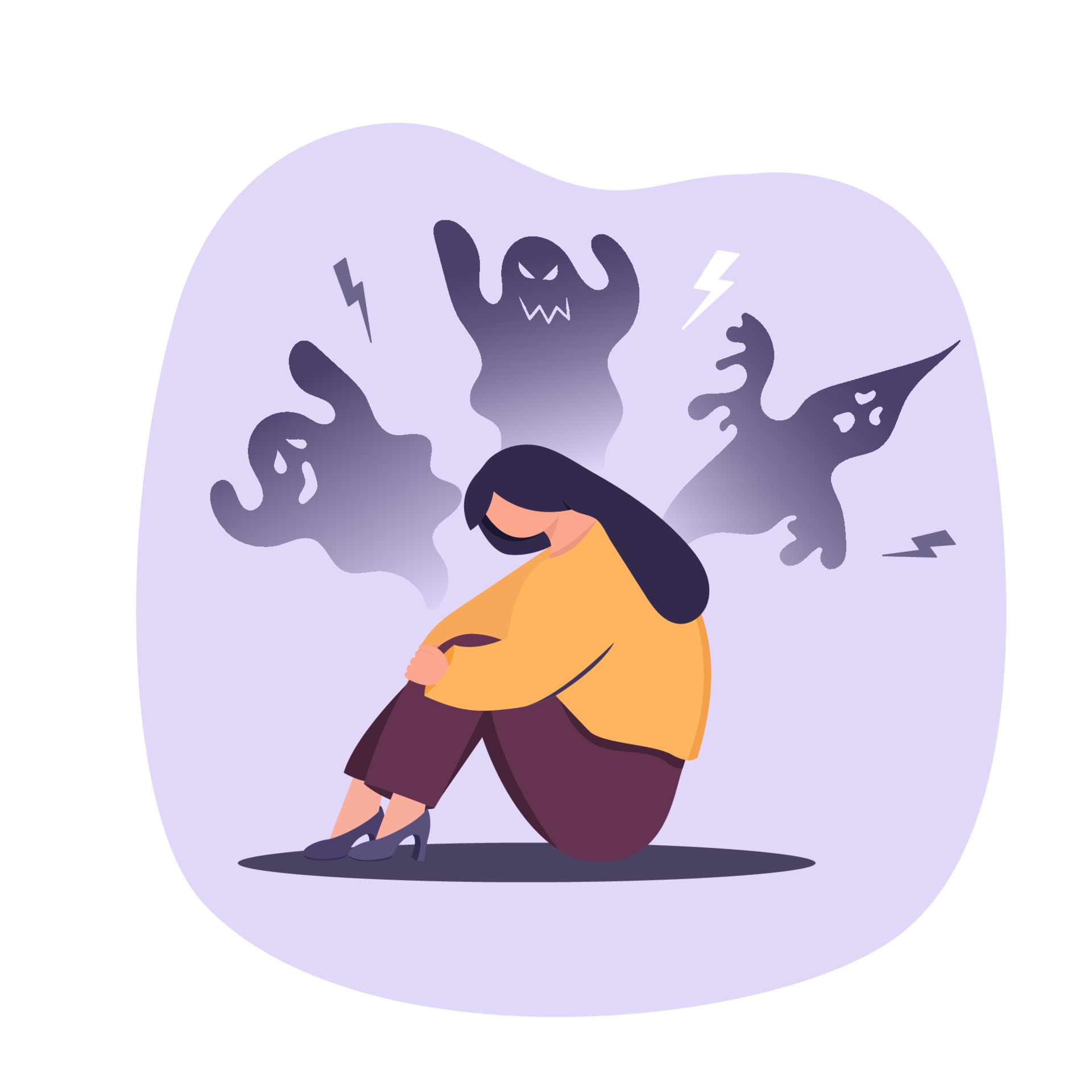
Throwing Up: The Fear of Throw Up

By Caroline Buchanan

The fear of throw up, also referred to as emetophobia, is a specific phobia that revolves around the fear of vomiting, seeing vomit, watching other people vomit, or feeling sick. Emetophobia tends to leave people in a state of anxiety, overtaking their thoughts and engaging in behaviors that impact their everyday life. For example, you may avoid crowded places, traveling, eating out, or closely monitor your own health in an attempt to reduce the distress you may feel. While this anxiety can feel overwhelming and unbearable at times, this condition can be managed by a therapist.

What causes emetophobia?

Specific phobias tend to develop after a specific incident. As a result of this incident, an association is created between a thing – an object, situation, or an event – and a fear (Psych Central). Specifically in the context of emetophobia, this could involve getting sick in public, someone vomiting on you, having a bad case of food poisoning, or seeing someone else throw up. Emetophobia can also develop without a clear cause, causing experts to believe that genetics and the environment play a role. Regardless of whether you can pinpoint an incident or not, this anxiety can still be managed.

How can emetophobia be managed?

Exposure therapy is considered to be one of the most effective treatments. In this type of therapy, your therapist will expose you to your fear at a slow rate. This could involve trying a new food at a restaurant or spinning around until you feel nauseous. With these actions, you will be provided with techniques to help you cope with these feelings of anxiety. The goal is that the more you are exposed to your fear, the more you feel comfortable with it. Talk therapy and cognitive behavioral therapy (CBT)can also be used to help learn how to identify and challenge negative thought patterns in your anxiety. While it may take some time to find the right therapist and techniques for you, it is worth it to alleviate the distress in your life.

If you or someone you know is suffering from emetophobia, please contact our psychotherapy offices in New York or New Jersey to talk to one of our licensed professional psychologists, psychiatrists, psychiatric nurse practitioners, or psychotherapists at Arista Counseling & Psychotherapy. Contact our Paramus, NJ or Manhattan, NY offices respectively, at (201) 368-3700 or (212) 722-1920 to set up an appointment. For more information, please visit http://www.counselingpsychotherapynjny.com/

https://www.healthline.com/health/emetophobia#outlook

Relationships & Long Distance: Strategies to Succeed

Relationships & Long Distance: Strategies to Succeed

By Caroline Buchanan

One of the ultimate tests for a romantic relationship is maintaining the relationship despite the distance. As a result, this could lead to distinct challenges and obstacles. While research from 2018 suggests that couples who live farther than an hour apart tend to break up, at least 60% of partnerships still make their long distance relationship succeed. What are these people probably doing to make it work? The best answer seems to be making the distance work for your relationship, and not working around it (Psych Central). There are strategies that can be implemented to help manage and avoid these common roadblocks.

Strategies:

  • Communication

Your communication method may be the key difference in whether your relationship lasts or falls apart. Phone calls or video calls should be used for heartfelt conversations or heavier discussions. Arguments in text based conversations can lead to misinterpreting the intention behind a message. Use texting mainly for casual contact such as “good morning” and “enjoy your day” type messages.           

  • Acknowledging Fear-based behaviors

 Long distance relationships tend to bring out fears: Fear that the other partner doesn’t care anymore or is going to leave you for someone else. While it’s not uncommon to feel these fears, it is important to recognize these negative thinking patterns. If you are open and clear in your communication with your partner, this may help prevent or subside fears. Let your partner clarify situations that may be bothersome to you.

  • Intimacy

 If you both are comfortable in your relationship, you could imitate the physical connection and enjoy pleasure together by trying erotic conversations, video sex, or phone sex. Make sure you are open and honest about your expectations in engaging in these activities.

While it requires intent and effort, maintaining love in a long-distance relationship is possible. Take the time to think about seeking the help of a mental health professional if you’re experiencing challenges or feeling anxiety in your relationship. This would help you develop specific skills to be able to establish secure bonds.

If you or someone you know is struggling in a long distance relationship, please contact our psychotherapy offices in New York or New Jersey to talk to one of our licensed professional psychologists, psychiatrists, psychiatric nurse practitioners, or psychotherapists at Arista Counseling & Psychotherapy. Contact our Paramus, NJ or Manhattan, NY offices respectively, at (201) 368-3700 or (212) 722-1920 to set up an appointment. For more information, please visit http://www.counselingpsychotherapynjny.com/

https://psychcentral.com/lib/how-to-make-long-distance-relationships-work

Body Dysmorphic Disorder

Body Dysmorphic Disorder

Amelia Amen

Body Dysmorphic Disorder (BDD) is a mental health condition characterized by preoccupied negative ideations of physical appearance. A person diagnosed with BDD tends to obsess over perceived “defects” in their body image, thus interfering with their daily functioning and heightening their stress levels. Areas of concern include skin, hair, body parts, facial features, wrinkles, teeth, etc. People may not notice the perceived physical flaws that an individual claims to be negative. The severity of the disorder differs from each individual and could produce other mental health concerns such as anxiety, depression, substance abuse, self-harm, and suicidal thoughts. BDD commonly develops during a boy and girl’s adolescence. The development of BDD can derive from various factors between genetics, environment, and trauma. It can stem from experiencing bullying and abuse, having a chemical imbalance in the brain, beauty standards on social media, and more. Repetitive and compulsive routines are carried out every day in order to cope with preoccupied thoughts. Common repetitive behaviors that are exhibited include:

  • Avoiding mirrors or constantly looking in the mirror
  • Skin picking, excessive grooming, and body checking
  • Over-Exercising and weighing yourself
  • Masking perceived flaws with heavy clothing and/or makeup
  • Seeking cosmetic surgery with little satisfaction
  • Comparing yourself to others

            Living with BDD can cause individuals to be reluctant to participating in social gatherings, work, school, and curricular activities. As a result, this can lead to self-isolation. One of the most effective sources of treatment for coping with BDD is Cognitive Behavioral Therapy (CBT). Attending therapy can help address concerns regarding the symptoms that come with BDD, process perceived negative thoughts, increase self-esteem and confidence, and encourage an individual to have a more positive outlook on their appearance. With proper treatment, BDD can become more manageable to live with.

If you or someone you know is seeking therapy for body dysmorphic disorder or other body-image struggles, please contact our psychotherapy offices in New York or New Jersey to talk to one of our licensed professional psychologists, psychiatrists, psychiatric nurse practitioners, or psychotherapists at Arista Psychotherapy & Psychiatric Services. Contact our Manhattan, NY or Paramus, NJ offices respectively at (201) 368-3700 or (212) 722-1920 to set up an appointment. For more information, please visit https://www.counselingpsychotherapynjny.com

Sources: https://www.mayoclinic.org/diseases-conditions/body-dysmorphic-disorder/symptoms-causes/syc-20353938

Smoking Cessation

Smoking Cessation

Amelia Amen

               Efforts to quit smoking can be a challenging process for individuals who have developed a dependency on nicotine. When an individual tries to remove smoking from their daily routine, they may be prone to experiencing withdrawals. Such withdrawals include irritability, headaches, difficulty concentrating, and a strong craving for nicotine. According to the Centers for Disease Control and Prevention, smoking is one of the leading preventable causes of death in the U.S and often causes diseases such as lung cancer, heart disease, diabetes, and more.

               Hypnosis has been found to be a successful technique which aids in smoking cessation and other harmful behaviors. Hypnosis focuses on reducing and changing negative habits and developing self-control over certain emotions and behavior. It can be a source of treatment for helping the smoker to remove many unwanted behaviors and habits. In the case of nicotine addiction, hypnosis is used to diminish the craving within the mind. Hypnosis targets the parts of our minds that can be the root cause of the motivation to smoke. The desire to smoke is often triggered by stress and anxiety, finishing a meal, going to a social event, driving, boredom, and more. Hypnosis is a collaborative process between the therapist and patient. Hypnosis only works when the patient wants to learn hypnosis. Eventually, the therapist teaches the patient how to achieve a state of hypnosis so they will be able to substitute positive messages for the prior negative ones which will help achieve their goal to stop smoking.

               When a therapist performs hypnosis, he or she will guide the individual into a meditative state. Within this state of mind, the therapist may compare the odor of cigarette smoke to an unpleasant one such as truck exhaust. Another suggestion a therapist may make is that smoking will do nothing but poison your body, and how you should protect your body from such poisons. Our methods were taught to us by Dr. Herbert Spiegel of Columbia University, he is well known for his smoking cessation hypnosis technique. One of the goals of hypnosis is to help the patient become receptive of new ideas and thoughts about smoking. Although hypnosis is an effective way to aid smoking cessation, it is important to keep in mind that it will be most effective with continuous sessions along with the commitment of quitting.

If you or someone you know is seeking hypnosis to stop smoking or other negative behaviors that are troubling you, please contact our psychotherapy offices in New York or New Jersey to talk to one of our licensed professional psychologists, psychiatrists, psychiatric nurse practitioners, or psychotherapists at Arista Psychotherapy & Psychiatric Services. Contact our Manhattan, NY or Paramus, NJ offices respectively at (201) 368-3700 or (212) 722-1920 to set up an appointment. For more information, please visit https://www.counselingpsychotherapynjny.com

Source: https://www.cdc.gov/tobacco/data_statistics/fact_sheets/fast_facts/index.htm#:~:text=Cigarette%20smoking%20remains%20the%20leading,death%20in%20the%20United%20States.

Somatic Therapy

Somatic Therapy

By: Amelia Amen

When an individual goes through a traumatic experience, the trauma they experienced may often remain in their body. Somatic therapy is a rising form of therapy that allows individuals to engage in a mind-body connection in order to minimize any arousals of stress. The practice of somatic therapy involves acknowledging how stress and trauma are experienced in the body, then following with engaging in body techniques such as dancing, body scans, etc. The re-occurring feeling of trauma being stored in the body is the result of the nervous system remaining in survival mode, leading to high levels of cortisol being continually released. Cortisol is one of the leading hormones that increases stress levels in the body. Incorporating somatic therapy with CBT (Cognitive Behavioral Therapy) is a gentle approach to managing the body’s stored trauma. Somatic therapy can benefit individuals with PTSD, anxiety, depression, coping with grief, experiencing chronic illness or pain, sexual dysfunction, addiction, insecurities, abuse, and more.

Types of Somatic Therapies

  • Hakomi Method: Encouraging the growth of an individual by using mindfulness and experimental practices. It is a holistic approach that focuses on increasing our internal awareness
  • Grounding: Connecting the body to the earth. The individual will use sensory skills to feel energy from the ground to their feet. This is to embody and experience the present moment.
  • Titration & Pendulation: Slowing down and portioning the recollection of trauma to reduce immediate emotional and physiological responses. Pendulation, moving back and forth between feelings, is needed to achieve titration in order to make sensations of stress more manageable.
  • EMDR (Eye Movement Desensitization and Reprocessing): The process of moving your eyes in a specific direction while discussing or embodying traumatic memories. The goal of EMDR therapy is to encourage the brain to process any discomforting experiences and memories. 
  • Resourcing: A therapist will have an individual recall a precious memory or resources that are attached to positive and calming feelings. An example of this could be reminding oneself of a location or person in which they find happiness.

Some benefits that may be a result of somatic therapy include self-regulation in the nervous system, increase in resilience and re-empowerment, developing bodily awareness, and releasing tension along with other positive results. It is important to remember that somatic therapy is not meant to be in replacement of CBT. When experiencing emotions stemming from anxiety, trauma, or depression, it is beneficial to attend talk therapy sessions as a primary source of mental health care, with somatic therapy being only an addition. The goal of somatic therapy is to find relief in your mind and body’s negative sensations to produce more calming and comforting feelings.

If you or someone you know is seeking therapy please contact our psychotherapy offices in New York or New Jersey to talk to one of our licensed professional psychologists, psychiatrists, psychiatric nurse practitioners, or psychotherapists at Arista Psychotherapy & Psychiatric Services. Contact our Manhattan, NY or Paramus, NJ offices respectively at (201) 368-3700 or (212) 722-1920 to set up an appointment. For more information, please visit https://www.counselingpsychotherapynjny.com

Sources: https://psychcentral.com/blo

Schizophrenia: Signs and Symptoms

Schizophrenia: Signs and Symptoms

Ziara Pena

Schizophrenia is a disorder that affects a person’s ability to think, feel and behave clearly. Although the exact cause is unknown, genetics, environment, altered brain chemistry and structure might play a role.

People who have been diagnosed with schizophrenia often show symptoms through their behavior, thoughts, mood, speech and psychological awareness. The common symptoms are as followed:

Behavior

  • Social isolation, disorganized behavior, aggression, agitation, compulsive behavior, excitability, hostility, repetitive movements, self-harm, or lack of restraint

Cognition

  • Thought disorder, delusion, amnesia, belief that an ordinary event has special and personal meaning, belief that thoughts aren’t one’s own, disorientation, mental confusion, slowness in activity, or false belief of superiority

Mood

  • Anger, anxiety, apathy, feeling detached from self, general discontent, loss of interest or pleasure in activities, elevated mood, or inappropriate emotional response

Psychological Awareness

  • Hallucination, paranoia, hearing voices, depression, fear, persecutory delusion, or religious delusion

Speech

  • Circumstantial speech, incoherent speech, rapid and frenzied speaking, or speech disorder

Other common symptoms:

  • Fatigue, impaired motor coordination, lack of emotional response, or memory loss

Schizophrenia needs to be diagnosed by a medical professional as it is chronic and can last for years or be lifelong. Although medication may help, it does not cure the disorder.

If you or someone you know is struggling with schizophrenia, please contact our psychotherapy offices in New York or New Jersey to talk to one of our licensed professional psychologists, psychiatrists, psychiatric nurse practitioners, or psychotherapists at Arista Counseling & Psychotherapy. Contact our Paramus, NJ or Manhattan, NY offices respectively, at (201) 368-3700 or (212) 722-1920 to set up an appointment. For more information, please visit http://www.counselingpsychotherapynjny.com/

Sources: https://www.mayoclinic.org/diseases-conditions/schizophrenia/symptoms-causes/syc-20354443?utm_source=Google&utm_medium=abstract&utm_content=Schizophrenia&utm_campaign=Knowledge-panel

Photo Source: https://www.verywellmind.com/what-are-the-symptoms-of-schizophrenia-2953120

Depression: Life During Covid-19

Depression: Life During Covid-19

By: Ziara Pena

Covid-19 has impacted the lives of everyone worldwide. We are living in a society where the new norm is not being able to see the faces of others due to masks. Social distancing and fear of the virus contribute to the limitation of human interaction.

The virus has instilled such fear, causing some individuals to not see anyone outside of their household in almost a year. Grandparents didn’t get to watch their grandchildren’s first steps, many didn’t get to say a final goodbye to their loved ones and ceremonies such as graduations and weddings were canceled. Covid-19 has brought much negativity and hurt to the lives of many. Catching the virus is not the only thing that we need to be worrying about. Mental health, particularly depression, has been on the rise since the start of the pandemic. Studies have proven that suicide rates have skyrocketed from 1% to 145%. These numbers do not even include the rates of suicidal ideations and self-harm.

Now more than ever is when we need to spread awareness of the importance of taking care of our mental health similarly as we take care of our physical health. If you or someone you know needs mental health support throughout the pandemic, please contact our psychotherapy offices in New York or New Jersey to talk to one of our licensed professional psychologists, psychiatrists, psychiatric nurse practitioners, or psychotherapists at Arista Counseling & Psychotherapy. Contact our Paramus, NJ or Manhattan, NY offices respectively, at (201) 368-3700 or (212) 722-1920 to set up an appointment. For more information, please visit http://www.counselingpsychotherapynjny.com/

.


Sources: https://www.bmj.com/content/371/bmj.m4352

Photo Source: https://www.google.com/search?q=nurse+covid+19+crying&source=lnms&tbm=isch&sa=X&ved=2ahUKEwiAg7Co4NruAhXXFVkFHV_lB-QQ_AUoAXoECAYQAw&biw=1600&bih=708#imgrc=2ZCuCtlSreICKM

Anxiety: Going Back to School during a Pandemic

By Mizuki Wada

You know it’s time to get ready for school or work when you see the pumpkin displays and school supplies in stores. However, with the global pandemic going on this year there is far more tension and nervousness besides the first day jitters. From parents sending their kids, faculty going back to classrooms or students getting ready for in-person sessions, many of those could be feeling high pressure and anxiety. However, here are a few ways that could help you steer clear from overwhelming anxiousness.

  • Acknowledge– It is crucial to acknowledge your feelings and stress. Understanding the reason why you’re feeling a certain way is the key to finding a solution.
  • Attitude– Try to look at the big picture and find some positive factors of returning to school. Only looking at the negative aspects can cause the situation to be a lot scarier than it actually is.
  • Support– Find a support group! Whether it be your family or friends, having people that would listen to you talk is very beneficial. Try talking about how you’re feeling to those who understand you.
  • Knowledge– Educate yourself on the situation. People can tell you one thing, but are they really true? Limit your news intake and check whether these sources are trustworthy or not. There’s a difference between educating yourself and filling yourself with information.
  • Physical Health– Although it may sound irrelevant, mental health and physical health go hand in hand. Even if it’s a simple walk or a yoga session, moving your body physically can help alleviate stress. It’s important to keep a healthy body for a healthy mind.

If you or someone you know is struggling with Anxiety or any other mental illnesses, please contact our psychotherapy offices in New York or New Jersey to talk to one of our licensed professional psychologists, psychiatrists, psychiatric nurse practitioners, or psychotherapists at Arista Counseling & Psychotherapy. Contact our Paramus, NJ or Manhattan, NY offices respectively, at (201) 368-3700 or (212) 722-1920 to set up an appointment. For more information, please visit http://www.counselingpsychotherapynjny.com

Reference:

https://www.psychologytoday.com/us/blog/beyond-the-doubt/202003/respond-instead-react-managing-covid-19-anxiety

https://www.realsimple.com/health/mind-mood/stress/manage-back-to-school-stress-coronavirus

COVID-19: Parenting in a Stressful Time

COVID-19: Parenting in a Stressful Time

By: Alexa Greenbaum

Parenting in confinement during COVID-19 has many challenges. For many, the home has become the office and the classroom, making it more difficult to be productive and motivated. During this stressful time in isolation, it can be very difficult to keep children occupied while also working remotely, dealing with finances, and navigating the danger of the coronavirus. However, by creating structure, setting boundaries, and encouraging open communication, parents can improve their family dynamic.

Parents are having to take on more responsibilities than ever before. Especially in a very uncertain time, it is normal for children and parents to feel anxious, stressed, and overwhelmed. As a result, many parents and children are reacting to today’s stressors by acting out or regressing to behaviors long outgrown. Due to the additional stressors that come with COVID-19, parents are taking on too much which is causing parents to feel stressed, frustrated, and resentful. According to the APA’s Stress in America survey, “73% of parents report family responsibilities as a significant source of stress.” This can erode the feeling of mutual support and respect that is crucial to a healthy relationship.

To help, creating some structure in your life, such as a routine and designating a workspace for children to do their schoolwork and homework can be an effective way to set boundaries and help a family cope with stress. Thanking your child for allowing you to do your work, is an effective tool as it positively reinforces your child to continue giving you the space you need to be productive.

Sharing and designating daily responsibilities can improve the quality of a parent’s relationship with their children. Working together as a family and designating different tasks is something you and your children can control, and it teaches children to focus on those things they can control when feeling stressed.

To help parents create a healthy family dynamic in the climate of COVID-19, the way parents talk to their kids may need to be readjusted as well. Initiating regular open conversations with their kids. Giving your children your undivided attention can help a family work together to better understand, acknowledge, and address any stressors children are experiencing. Calming your children’s fears is important.

Take advantage of this time together, it can be an opportunity for your relationship with your kids to grow, but don’t forget to take care of yourself! For support, discussing experiences with friends, relatives, or a telehealth mental health professional can be helpful. At Arista Counseling, we have a multitude of different therapists that can help you.

If you or someone you know is looking for support, please contact our psychotherapy offices in New York or New Jersey to talk to one of our licensed professional psychologists, psychiatrists, psychiatric nurse practitioners, or psychotherapists at Arista Counseling & Psychotherapy. Contact our Paramus, NJ or Manhattan, NY offices respectively, at (201) 368-3700 or (212) 722-1920 to set up an appointment. For more information, please visit http://www.counselingpsychotherapynjny.com/ .

Sources:

https://www.apa.org/topics/covid-19/parenting-during-pandemic

https://www.apa.org/helpcenter/managing-stress

https://www.psychologytoday.com/us/blog/little-house-calls/202003/parenting-during-covid-19

Image Source:

https://www.parkview.com/community/dashboard/dealing-with-parenting-stress-during-covid-19