Trauma; why is Complex Trauma technically considered acquired Nero divergent?

Trauma; why is Complex Trauma technically considered acquired Nero divergent?

By Manuela Gomez

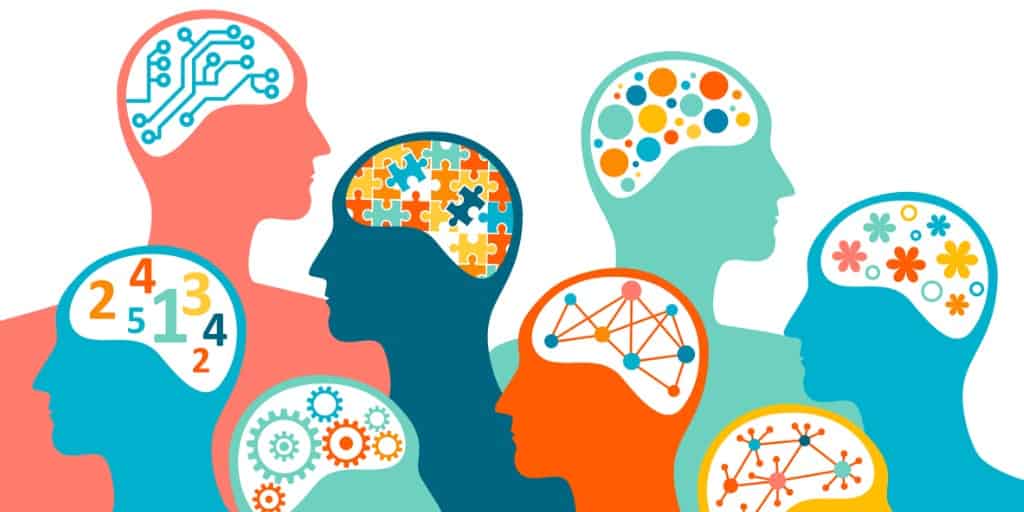
Being neuro divergent means that the brain works a bit differently than the average brain. This may include being diagnosed with ADHD, being on the spectrum for Autism, etc.  Then we have acquired neuro divergence which are differences in the brain which come to be; after birth, traumatic events and, brain injuries.  Once someone goes through a complex trauma it can continue to be prolonged which can cause changes to the hippocampus or prefrontal lobe. If you have experienced complex trauma and feel like you might have acquired nero divergence look for these symptoms:

  • Difficulty managing emotions
  • Very sensitive to sounds, lights or even touch
  • Stress levels are way higher than normal
  • Attention span drastically dropped

It is important to remember that Complex stress doesn’t directly create acquired neuro divergence. It first sets off the changes that can then result in the listed above symptoms which are pre conditions to being Nero divergent. If you believe you may have acquired Nero Divergence, please reach out to a specialist who can help.

Sources: https://complextrauma.org/wp-content/uploads/2019/01/CPTSD-1-Joseph-Spinazzola.pdf

If you or someone you know is struggling with mental health, please contact our psychotherapy offices in New York or New Jersey to talk to one of our licensed professional psychologists, psychiatrists, psychiatric nurse practitioners, or psychotherapists at Arista Counseling and Psychotherapy. Contact our Paramus, NJ, or Manhattan, NY offices respectively, at (201) – 368-3700 or (212)-722-1920 to set up an appointment. For more information, please visit https://www.counselingpsychotherapynjny.com/

Body Dysmorphia; how has social media has affected it?  

Body Dysmorphia; how has social media has affected it?

By Manuela Gomez

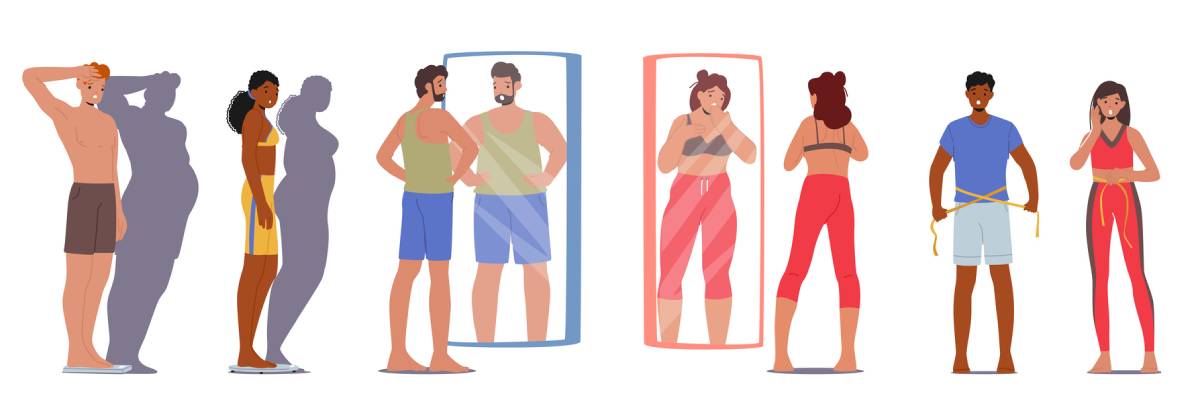
Have you ever stared at yourself in the mirror and realized that your mind isn’t showing you the reality of what you look like? Body Dysmorphia is a mental state in which your mind is busy looking/making up imperfections of your body that no one else can notice.  Although, Body Dysmorphia has been around for a while social media has only made it worse in the recent years. Social media, the addiction in which you start to compare yourself with people you watch and follow. Then you put this expectation of yourself that you should look a certain way. We tend to forget that even social media isn’t portraying the whole truth. According to the article Frontiers, 29% of people with higher social media usage have Body Dysmorphia compared to, 19% of people that have a lower usage. Here are some ways that you can help improve your BD:

  • Replace your negative thoughts with the positive (Ex: I look ugly today- I look and feel amazing)
  • Start changing the habit of analyzing yourself in the mirror every day, stand in front of it and give yourself positive affirmations
  • If you want to change something about your body then do it, but in healthy way
  • Surround yourself with healthy people and habits
  • Less social media time

Body Dysmorphia is not uncommon. It is treatable with the right professional and the effort you put into it. Don’t let your reality get lost because you see what others don’t see.

Source(s): https://www.mayoclinic.org/diseases-conditions/body-dysmorphic-disorder/diagnosis-treatment/drc-20353944

https://www.frontiersin.org/journals/public-health/articles/10.3389/fpubh.2024.1324092/full

If you or someone you know is struggling with mental health, please contact our psychotherapy offices in New York or New Jersey to talk to one of our licensed professional psychologists, psychiatrists, psychiatric nurse practitioners, or psychotherapists at Arista Counseling and Psychotherapy. Contact our Paramus, NJ, or Manhattan, NY offices respectively, at (201) – 368-3700 or (212)-722-1920 to set up an appointment. For more information, please visit https://www.counselingpsychotherapynjny.com/
Seasonal Affective Disorder

By: Nicole Cutaia

Seasonal Affective Disorder

As the autumn leaves fall, everyone copes with the seasons changing differently. Some embrace the changes, while others may have difficulty with the adjustments. Seasonal Affective Disorder (SAD) is a type of depression that occurs during specific seasons. Typically, Seasonal Affective Disorder is most common in the fall and winter months when there is reduced sunlight. The lack of sunlight affects the body’s internal clock, hormone levels, and chemical messengers, Various symptoms of Seasonal Affective Disorder range from feelings of sadness, low energy, irritability, difficulty sleeping, and changes in appetite.

Multiple treatments are available for managing Seasonal Affective Disorder such as light therapy, counseling or psychotherapy, medication such as selective serotonin reuptake inhibitors (SSRIs), and cognitive behavioral therapy (CBT).

Additionally, there are coping methods individuals can try at home. The methods include going outside to get natural sunlight, eating vitamin D-enriched foods, taking vitamin D supplements, avoiding stressful situations, and consuming a healthy and balanced diet. Other methods one can try are getting plenty of outdoor and indoor exercise, talking to family and friends about Seasonal Affective Disorder, making your space as light and airy as possible, and sleeping for at least 7 to 8 hours every night.

It can be difficult to see a loved one struggle with Seasonal Affective Disorder. If you or a family member are struggling with mental health, please contact our psychotherapy offices in New York or New Jersey to talk to one of our licensed professional psychologists, psychiatrists, psychiatric nurse practitioners, or psychotherapists at Arista Counseling & Psychotherapy. Contact our Paramus, NJ, and Manhattan, NY offices respectively at (201) 368- 3700 or (212) 722- 1920 to set up an appointment. For more information, please visit http://www.counselingpsychotherapynjny.com/