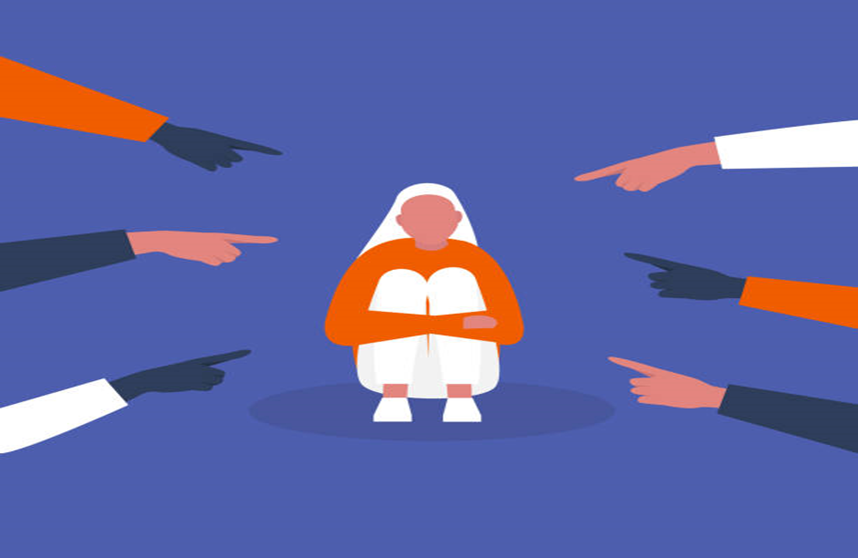
OCD Rumination vs. Problem Solving: Help Quiet Your Mind

OCD Rumination vs. Problem Solving:  Help Quiet Your Mind

By: Katerina Kostadimas

What is Rumination?

Rumination is a common symptom of Obsessive-Compulsive Disorder (OCD). It refers to the repetitive, excessive, and intrusive thoughts about a specific issue, question, or event. These thoughts can often feel uncomfortable and can involve:

Overanalyzing past actions or decisions.

Trying to “solve” unanswerable questions (e.g. moral, existential, or religious dilemmas).

Seeking certainty about a fear or doubt related to an obsession.

Unlike productive problem-solving, rumination is circular and unhelpful- it doesn’t lead to resolution but instead amplifies distress and reinforces the OCD cycle.

Why do we ruminate?

Rumination is a compulsive response to reduce anxiety or gain assurance about intrusive thoughts or fears. Some reasons include:

  • Seeking Control: This is an attempt to rationalize or figure out answers to uncertain or distressing thoughts.
  • Fear of consequences: People ruminate to ensure they aren’t missing something important or to avoid perceived risks.
  • Perfectionism: A desire to think things through “perfectly” before making a decision or taking action.

However, rumination often worsens anxiety instead of resolving it, making you feel trapped in a cycle of obsession and compulsion.

What to do if you start ruminating?

  1. Recognize and Label the Rumination

Acknowledge when you’re ruminating and remind yourself, “this is rumination, not helpful problem-solving.”

2. Avoid Trying to “Solve” the Thought

-Accept that there is an unknown problem and make a conscious effort to not engage in these types of thoughts.

3. Shift Your Focus to the Present

Engage in grounding techniques (e.g. mindfulness or sensory awareness).

Focus on your current environment rather than the thought.

4. Engage in an Activity

-Distract yourself with meaningful or enjoyable activities that redirect your attention and energy.

5. Seek Professional Help

A trained and licensed mental health professional can provide tools to break the rumination cycle and address underlying OCD patterns.

If you or someone you know is struggling with Obsessive Compulsive Disorder and symptoms such as rumination, please contact our psychotherapy offices in New York or New Jersey to talk to one of our licensed professional psychologists, psychiatrists, psychiatric nurse practitioners, or psychotherapists at Arista Counseling and Psychotherapy. Contact our Paramus, NJ or Manhattan, NY offices respectively, at (201) – 368-3700 or (212)-722-1920 to set up an appointment. For more information, please visit https://www.counselingpsychotherapynjny.com/

References:

Lcpc, D. S., & Staff, O. (2023, August 15). Rumination. The OCD & Anxiety Center. https://theocdandanxietycenter.com/rumination/

Social Media: The Impact on Mental Health

Social Media: The Impact on Mental Health

By: Maria Koutsothanasis


Social media plays a significant role in shaping how we connect, communicate, and even view ourselves. While social media has its benefits, it can also have a detrimental impact on mental health. Social media can negatively affect our mental well-being through constant comparisons, unrealistic expectations, and exposure to harmful content. By being intentional about what we engage with, we can use social media as a tool to enhance our lives and protect our mental well-being.

One of the main drawbacks of social media is the tendency to compare ourselves to others. Platforms such as Instagram and TikTok are often filled with images of people’s “perfect” lives, highlighting their achievements, beauty, and happiness. This can lead to feelings of inadequacy and low self-esteem, especially when we find ourselves measuring our lives against these unrealistic portrayals. Social media comparison can lead to symptoms of anxiety, depression, and even body image issues. The more we focus on the idealized versions of others’ lives, the more likely we are to forget that what we see online isn’t always an accurate reflection of reality.

The positive aspect is that we can decide what content we engage with. By intentionally following accounts that promote positivity, self-love, and well-being, we can counteract the negative effects. Following fitness influencers who focus on health rather than body perfection, or mental health advocates who offer advice and share stories of resilience, can create a more positive environment. By engaging with content that aligns with our values, we can shift our mindset toward growth and self-empowerment.

Social media often highlights negativity, which can significantly affect our mental well-being. Platforms frequently highlight drama, conflicts, and extreme opinions, contributing to constant criticism and judgment. Posts that focus on problems, such as failed relationships, mental health struggles, or societal issues, can evoke anxiety or feelings of hopelessness. Viral content that spreads negativity, such as gossip or inflammatory comments, often gains attention, while positive messages may not receive the same recognition. This constant exposure to pessimism can leave individuals feeling overwhelmed and disconnected from the positive aspects of life.

While social media has its negative aspects, it’s possible to transform how we interact with it to protect our mental health. By being mindful of the content we consume and consciously seeking out positive, uplifting posts, we can create an online environment that nurtures our well-being. Social media can be a powerful tool for connection, education, and personal growth if used intentionally. Ultimately, it is important to remember that we control our social media environment and can shape it to support our mental health.

If you or someone you love is struggling with depression or anxiety, please contact our psychotherapy offices in New York or New Jersey to talk to one of our licensed professional psychologists, psychiatrists, psychiatric nurse practitioners, or psychotherapists at Arista Counseling and Psychotherapy. Contact our Paramus, NJ or Manhattan, NY offices respectively, at (201) 368-3700 or (212) 722-1920 to set up an appointment. For more information, please visit http://www.counselingpsychotherapynjny.com/. 


UC Davis Health. (2024, November 27). Social Media’s impact on our mental health and tips to use it safely. health. https://health.ucdavis.edu/blog/cultivating-health/social-medias-impact-our-mental-health-and-tips-to-use-it-safely/2024/05

ADHD – How to Be Less Overwhelmed

ADHD – How to Be Less Overwhelmed

By: Angy Farhat

ADHD overwhelm often arises when the brain finds it challenging to handle excessive information, numerous tasks, or overwhelming environmental stimuli. This situation is linked to various executive functioning difficulties, such as issues with planning, starting tasks, organizing, prioritizing, managing time, and regulating emotions. Additional factors like sensory overload, frequent task-switching, procrastination, perfectionism, and sleep difficulties can further contribute to this feeling of overwhelm.

When the ADHD brain becomes overstressed, it may react by either shutting down, becoming hyperactive, or spiraling out—much like the body’s response during fight, flight, or freeze situations. Your mind is attempting to cope with the influx of information while trying to process ongoing events. This reaction can manifest in different ways, such as withdrawing, becoming distracted, or feeling irritable. Ultimately, it’s your brain signaling that it has reached its limit.

Experiencing high-stress levels can push you into this uncomfortable state, and it’s important to recognize when that happens. To help reduce overwhelm, we can start by focusing on lowering your stress levels. Stress often stems from feeling overwhelmed or overloaded. Take a moment to examine how much time you spend scrolling through social media, getting distracted by notifications on your devices, or scrambling to meet deadlines. If you’re looking to reduce that overwhelming stress, it’s essential to slow down, identify the areas where you feel most pressured, and make necessary adjustments.

1. Focus on one task at a time: When we multitask, we stress our brains and exhaust ourselves. Multitasking doesn’t really exist in the brain. Instead, opt for single-tasking as often as possible. You may not be able to eliminate all media multitasking habits but, with single-tasking, you’ll feel more productive and less stressed. Plus, you’ll be able to perform better on what you’re doing.

2. Let Go of Perfection: Striving for perfection is an impossible goal that can lead to unnecessary pressure. It’s important to recognize that nobody is perfect. If you’re interested in self-improvement, consider narrowing your focus to one aspect of yourself that you would like to enhance rather than creating an overwhelming list of changes. Think about areas in your life, whether it’s your morning routine, keeping commitments, or meeting project deadlines, where you’d like to experience greater ease. Approach this process with self-compassion, reminding yourself that progress isn’t always linear—two steps forward and one step back still means you’re moving ahead.

3. Prioritize one self-soothing activity per day: It doesn’t matter what this is. What is important is that you create a list of things that help you fill your bucket and feel calm. Repeated stress and ADHD overwhelm wear you down. So, practice self-care in some way each day. Have a quiet cup of tea, a workout at the gym, a walk around the block, and a short meditation. Make a list of 5-10 things that make you feel good and feel grounded. Exercise is very helpful for doing this.

4. Nurture connections: Spending time with people who love and accept you naturally reduces stress. Laughter, lively conversations, sharing fun activities, and feeling supported increase your happy neurochemicals. Plus, when you engage with others, you are more likely to stop thinking about the stressors in your life and pay attention to what’s happening around you. You give yourself a lift and a healthy distraction at the same time.

5. Set realistic expectations for yourself: Instead of concentrating on goals based on compare and despair, use your internal compass to assess how you are doing and what you want. Consider what you can actually handle versus what you think you should do. Rule out items that seem unrealistic or vague; make things as specific as possible. Being more organized is a great goal, but it isn’t precise enough to lead you to do anything differently. Whereas being more organized with your bills, homework, or work presentations are all more exact and will likely result in more success.

If you or someone you love is struggling with ADHD, please contact our psychotherapy offices in New York or New Jersey to talk to one of our licensed professional psychologists, psychiatrists, psychiatric nurse practitioners, or psychotherapists at Arista Counseling and Psychotherapy. Contact our Paramus, NJ or Manhattan, NY offices respectively, at (201) 368-3700 or (212) 722-1920 to set up an appointment. For more information, please visit http://www.counselingpsychotherapynjny.com/. 

References:

American Psychological Association. (n.d.). ADHD. American Psychological Association. https://www.apa.org/topics/adhd

American Psychological Association. (n.d.). An ADHD diagnosis in adulthood comes with challenges and benefits. Monitor on Psychology. https://www.apa.org/monitor/2023/03/adult-adhd-diagnosis

Beyond BookSmart. (2024, April 24). ADHD overwhelm: Why it happens & how to control it. Beyond BookSmart: ADHD & Executive Function Coaching Online. https://www.beyondbooksmart.com/executive-functioning-strategies-blog/adhd-overwhelm-why-it-happens-how-to-control-it

Stigma Surrounding Therapy

Stigma Surrounding Therapy

By: Maria Koutsothanasis

Therapy is a tool that supports individuals struggling with mental health and different aspects of their lives. Despite the growing conversations about mental health, there continues to be stigma surrounding it. Due to the stigma, individuals find it difficult to seek support through therapy due to fear of judgment, shame, or cultural expectations.

Common Misconceptions about Therapy

  1. Therapy is only for “crazy” people.
    Many people still associate therapy with severe mental illness and believe it’s only for those experiencing extreme mental health conditions. Therapy can benefit any individual, regardless of the severity of their situation. Therapy is about growth, coping with life’s challenges, and improving overall mental well-being.
  2. Therapy takes too long or is not effective.
    Some fear that therapy is a lengthy process that will not have results. While the length of therapy depends on the individual’s needs, many individuals find that even a few sessions can lead to meaningful improvements. Therapy is not a quick fix, but it is an investment in long-term mental health.
  3. Only “weak” people need therapy.
    A common misconception is that seeking therapy is a sign of personal weakness. On the contrary, therapy is a sign of strength and courage. Therapy helps individuals confront their emotions and commit to bettering themselves. Many individuals believe therapy to be an invaluable tool for growth; instead, it promotes emotional resilience.

Breaking the Stigma

Breaking the stigma surrounding therapy is essential for creating a more supportive and open environment for society. The idea of seeking therapy can still feel uncomfortable for many individuals due to the misconceptions that treatment is only for those facing serious mental health issues, with therapy often viewed as something reserved for those with severe problems. These misconceptions prevent many from seeking the help they need. By normalizing therapy and highlighting its benefits, an environment can be created where mental health care is as accessible and accepted as physical health care.

If you or someone you know is seeking support, please contact our psychotherapy offices in New York or New Jersey to talk to one of our licensed professional psychologists, psychiatrists, psychiatric nurse practitioners, or psychotherapists at Arista Counseling & Psychiatric Services. Contact our Paramus, NJ or Manhattan, NY offices respectively, at (201) 368-3700 or (212) 722-1920 to set up an appointment. For more information, please visit http://www.counselingpsychotherapynjny.com/

Mayo Foundation for Medical Education and Research. (2017, May 24). Mental health: Overcoming the stigma of mental illness. Mayo Clinic. https://www.mayoclinic.org/diseases-conditions/mental-illness/in-depth/mental-health/art-20046477

Saporito, J. M., Ryan, C., & Teachman, B. A. (2011). Reducing stigma toward seeking mental health treatment among adolescents. Stigma research and action. https://pmc.ncbi.nlm.nih.gov/articles/PMC3839682/

Stigma, prejudice and discrimination against people with mental illness. Psychiatry.org – Stigma, Prejudice and Discrimination Against People with Mental Illness. (n.d.). https://www.psychiatry.org/patients-families/stigma-and-discrimination

Therapy: A Lifeline, Not a Last Resort

Therapy: A Lifeline, Not a Last Resort

By: Angy Farhat

For many years, therapy has been misunderstood, with many individuals associating it only with severe mental health problems. According to the American Psychological Association, nearly 50% of individuals with mental health issues don’t seek help, partly due to the stigma that therapy is for “broken” people or those in crisis. This narrative discourages people from reaching out, preventing them from using therapy as a preventative measure. Therapy should be seen as a lifeline—an essential tool for maintaining mental wellness, not a last resort.

Therapy is not just for people in crisis; it’s a vital tool for anyone looking to enhance their emotional well-being. Much like going to the gym for physical fitness, therapy helps strengthen your mental resilience. Regular sessions provide a space to understand your thoughts and behaviors, improve emotional regulation, and build coping strategies for life’s challenges. By addressing concerns before they escalate, therapy can prevent issues like anxiety or depression from becoming overwhelming.

Types of Therapy

There are various types of therapy, each suited to different needs:

  1. Cognitive Behavioral Therapy (CBT) – Focuses on changing negative thought patterns.
  2. Psychodynamic Therapy – Explores unconscious processes influencing behavior.
  3. Dialectical Behavior Therapy (DBT) – Aids in managing intense emotions.
  4. Acceptance and Commitment Therapy (ACT) – encourages individuals to accept their thoughts and feelings without judgment while committing to actions that align with their values.
  5. Couples or Family Therapy – Improves communication and resolves conflicts.

These diverse approaches allow individuals to choose the therapy that best fits their needs, whether they’re struggling with a specific issue or simply seeking personal growth.

The Lifelong Benefits of Therapy

Therapy offers lasting benefits beyond temporary relief. Research from the National Institute of Mental Health shows that therapy can significantly reduce symptoms of anxiety, depression, and other mental health conditions. People who engage in therapy often experience improved emotional resilience, healthier relationships, and better-coping mechanisms. The skills you gain in therapy can help you manage stress, navigate life transitions, and maintain mental balance in the long term.

While therapy can benefit anyone, there are certain signs that indicate it might be time to seek help:

  • Persistent Feelings of Overwhelm or Stress
    If daily tasks are becoming increasingly difficult to manage due to stress or anxiety, therapy can help you develop coping skills and regain control.
  • Significant Mood Changes
    If you notice consistent changes in your mood, such as prolonged sadness, irritability, or feelings of hopelessness, therapy can help you address underlying emotional issues.
  • Difficulty Managing Relationships
    Struggles in personal or professional relationships, marked by ongoing conflict or miscommunication, can be a sign that therapy is needed to improve interpersonal skills and emotional intelligence.
  • Changes in Behavior
    If you’ve noticed significant changes in behavior—such as withdrawal from activities, social isolation, or changes in sleeping or eating habits—it’s important to address these shifts with professional support.
  • Difficulty Coping with Major Life Changes
    Life events such as a breakup, job loss, or the death of a loved one can trigger emotional

If any of these resonate, therapy could be a helpful resource to regain clarity, manage emotions, and improve your well-being.

If you or someone you love is seeking therapy, please contact our psychotherapy offices in New York or New Jersey to talk to one of our licensed professional psychologists, psychiatrists, psychiatric nurse practitioners, or psychotherapists at Arista Counseling and Psychotherapy. Contact our Paramus, NJ or Manhattan, NY offices respectively, at (201) 368-3700 or (212) 722-1920 to set up an appointment. For more information, please visit http://www.counselingpsychotherapynjny.com/. 

References:

American Psychological Association. (n.d.). Why therapy works: Therapy and mental health. American Psychological Association. https://www.apa.org/topics/therapy

American Psychiatric Association. (n.d.). Myths about therapy. American Psychiatric Association. https://www.psychiatry.org/patients-families/what-is-psychiatry

Harvard Health Publishing. (2018, May). Cognitive behavioral therapy: A whole-body approach to improving your mental health. Harvard Health. https://www.health.harvard.edu/mind-and-mood/cognitive-behavioral-therapy

Mayo Clinic. (2021, December 20). Mental health care: Types of psychotherapy. Mayo Clinic. https://www.mayoclinic.org/healthy-lifestyle/stress-management/expert-answers/therapy/faq-20057886

World Health Organization. (2013, October). Mental health: Strengthening our response. World Health Organization. https://www.who.int/news-room/fact-sheets/detail/mental-health-strengthening-our-response

Depression: Impacts on College Students

Depression: Impacts on College Students

By: Maria Koutsothanasis

College is where many students are excited about independence, opportunities, and new experiences. Some students may experience challenges with change and experience feelings of depression. Balancing academics, social life, and financial difficulties can bring anxiety onto a student. These challenges can significantly impact mental health and lead to depression. Depression not only affects a student’s emotional well-being but disrupts all other aspects of their life.

The Impacts

  1. Academic Struggles

      Depression can disrupt a student’s ability to focus, retain important information, and meet deadlines for assignments. Symptoms such as fatigue, lack of motivation, difficulty concentrating, and hopelessness can lead to poor attendance and a decline in grades. Without the proper environment and support, depression can consume a student’s daily life and cause academic struggles.

      2. Social Isolation

        Depression can impair a student’s social life and cause them to lose the strong support systems they previously had. The withdrawal from social interactions can worsen symptoms of depression and lead students to feel alone. Depression can consume a student, making it difficult to get out of bed and engage in social activities that other students would enjoy.

        3. Long Term Consequences

        Without the proper support, environment, and treatment, depression can cause long-term effects. Academically, depression can lead students to fail courses and drop out of school which can impact the opportunities that are presented to students in the future. Untreated depression can lead to long-term physical health issues such as heart disease, chronic stress, and unhealthy coping mechanisms.

        Coping and Support

        1. Utilize Campus Resources

          Many colleges offer a wide range of support systems to help students cope with their depression. Counseling services, support groups, clubs, and mental health and wellness workshops are resources that can support students during difficult times.

          2. Establish Healthy Habits

          A routine such as regular exercise, a balanced diet, and consistent sleep can improve mood and energy levels. Incorporating mindfulness is a way to reduce anxiety and depressive symptoms. Students can use creative tasks and different outlets students can use to reduce stress and enhance their emotional well-being.

          3. Build support

          Building a strong support system and a positive environment is a way to decrease feelings and symptoms of depression. Reaching out to people who will provide you with the support you need is important. Staying connected with friends and family provides emotional support and stability.

          Depression among college students is an issue that needs awareness and actions to reduce stigma. By prioritizing mental health students can overcome mental health challenges that are constantly experienced. By accessing resources provided by colleges, establishing healthy habits and regular routines, and building a strong support system, students can develop resilience and improve their mental health.

          If you or someone you know is struggling with depression or other mental health issues, please contact our psychotherapy offices in New York or New Jersey to talk to one of our licensed professional psychologists, psychiatrists, psychiatric nurse practitioners, or psychotherapists at Arista Counseling & Psychiatric Services. Contact our Paramus, NJ or Manhattan, NY offices respectively, at (201) 368-3700 or (212) 722-1920 to set up an appointment. For more information, please visit http://www.counselingpsychotherapynjny.com/

          Kristen Bowe, A. (2023, August 22). College students and Depression. Mayo Clinic Health System. https://www.mayoclinichealthsystem.org/hometown-health/speaking-of-health/college-students-and-depression

          Luo, M.-M., Hao, M., Li, X.-H., Liao, J., Wu, C.-M., & Wang, Q. (2024, January 25). Prevalence of depressive tendencies among college students and the influence of attributional styles on depressive tendencies in the post-pandemic era. Frontiers in public health. https://pmc.ncbi.nlm.nih.gov/articles/PMC10850216/

          WebMD. (n.d.). How common is depression among college students?. WebMD. https://www.webmd.com/depression/what-to-know-about-depression-in-college-students

          Anxious Thoughts: How to Quite Them with Simple Self-Talk

          Anxious Thoughts: How to Quite Them with Simple Self-Talk

          By: Angy Farhat

          Have you ever noticed how your anxious thoughts can feel like a loud, persistent soundtrack playing in the background of your mind? They might be vague (“Something bad is going to happen”) or specific (“I might crash my car”), but either way, they tend to disrupt your day and leave you feeling tense and worried. What if you could turn down the volume of these thoughts and take back control?

          One powerful technique to combat these overwhelming thoughts is by using self-talk. Anxious thoughts often feel like promises of disaster—dangerous predictions that seem almost certain. But what if you could challenge these thoughts with statements that offer reassurance instead of fear?

          Here’s how it works: When you experience a fearful or anxious thought, you can counter it with a more grounded, calming statement. For example, if your anxious thought is “I am in danger,” you can respond with “I am safe right now.” It’s a simple but effective strategy to shift your mindset from panic to calm.

          Take John, for instance. He’s driving on the highway, and his anxious thoughts spiral: “This is dangerous… anything could happen… I won’t be able to react in time… people crash on highways all the time.” These thoughts feed off each other, growing louder and reinforcing the feeling that disaster is imminent. The more he believes them, the more overwhelming they become. But here is where self-talk can make a difference. Instead of surrendering to the anxiety, John could pause, take a deep breath, and remind himself, “I’ve driven this highway countless times, and I’ve always been fine.” With this gentle challenge to his anxious thoughts, James gains a sense of control and the volume of his fears starts to decrease.

          Think of this like getting rid of an earworm, that catchy song that sticks in your head and won’t go away. When you finally shake it off, you’re left with relief—and space for something more positive. Using self-talk to challenge anxious thoughts is a way to reclaim that mental space. You stop focusing on the worst-case scenario and make room for calmer, more rational thoughts.

          Here are a few more examples of how you can challenge anxiety-driven thoughts:

          • “I am in danger” → “I am completely safe in this moment.”
          • “I am going to fail” → “I have succeeded at many things. I typically figure things out.”

          The key is to remember that you have the ability to influence your thoughts. By gently confronting your anxious monologue with calm, factual responses, you can reduce its power. Over time, this can help you feel less overwhelmed by anxiety and more in control of your emotional state.

          So, next time your anxious thoughts start to rise, try using self-talk to quiet them down and bring yourself back to a place of peace.

          If you or someone you love is struggling with anxiety, please contact our psychotherapy offices in New York or New Jersey to talk to one of our licensed professional psychologists, psychiatrists, psychiatric nurse practitioners, or psychotherapists at Arista Counseling and Psychotherapy. Contact our Paramus, NJ, or Manhattan, NY offices respectively, at (201) 368-3700 or (212) 722-1920 to set up an appointment. For more information, please visit http://www.counselingpsychotherapynjny.com/. 

          References:

          The Importance of Mental Health: School Systems

          By: Nicole Cutaia

          The Importance of Mental Health: School Systems

          The lives of children and teenagers may appear stress-free, but unfortunately, this is not the case for all children and teenagers. Anxiety and depression among young adults is more common than society believes it to be. Children and teenagers do have their own stress factors in their lives such as school work, their appearances, relationships or friendships, and or extra curricular activities.

          Some children and teenagers may come from a household where mental health is overlooked and not openly discussed. That is why it is extremely important that school systems and districts prioritize mental health and related services. Making sure every student within a school is heard and feels as though they belong is extremely vital in creating a safe space.

          Other than school counselors, school systems and districts can participate in providing students with school-wide presentations that review mental health. These presentations should incorporate guest speakers as well.

          Mental health should be mandatory in health classes. The depth of the curriculum and structure of the material will be dependent on the age and academic level of the students. Children and teenagers should be exposed to information that is appropriate for their age.

          Various children and teenagers view their school as a safe place. It is crucial that we make it known to students that their feelings and emotions are normal and valid.

           If you or someone you know is experiencing mental health difficulties, please contact our psychotherapy offices in New Jersey to talk to one of our licensed professional psychologists, psychiatrists, psychiatric nurse practitioners, or psychotherapists at Arista Counseling & Psychotherapy. Contact our offices at (201) 368-3700 or (212) 722-1920 to set up an appointment. For more information, please visit http://www.counselingpsychotherapynjny.com/

          Mental Health Services: The Significance of Geography

          By: Nicole Cutaia

          Mental Health Services: The Significance of Geography

                      While numerous mental health services are available today, the abundance and equality of services and resources depend on the location. Some individuals reside in rural landscapes where the nearest healthcare professional, psychiatrist, psychologist, or clinical social worker can be miles and miles away. This can become an issue for individuals who need mental health treatment and assessment in a physical setting. Although telehealth is an alternative option for face-to-face appointments, many may not gravitate toward the technology option.

                      Depending on the diagnosis, receiving face-to-face treatment and therapy can be the most beneficial to managing the diagnosis. Unfortunately, due to the distance, some individuals would rather decide to not treat their mental illness and continue to live with it. If something is so far out of the way, it may feel like a chore or burden for individuals to attend to instead of viewing it as a resource to benefit their mental stability and mental balance.

                      Also, the stigma and awareness about mental health depend on where someone lives. Based on the area, the education focused on mental health can be very limited or ample. Therefore, if an individual happens to reside in an area with little to no education toward mental health, the treatment and the services may not normalized and accepted. This unfortunately may then lead to individuals not receiving the assistance they need.

           If you or someone you know is having mental health difficulties and/ or experiencing symptoms of any form of inner conflicts, please contact our psychotherapy offices in New Jersey to talk to one of our licensed professional psychologists, psychiatrists, psychiatric nurse practitioners, or psychotherapists at Arista Counseling & Psychotherapy. Contact our offices at (201) 368-3700 or (212) 722-1920 to set up an appointment. For more information, please visit http://www.counselingpsychotherapynjny.com/

          What Not To Say To Your Grieving Friend

          By: Tehila Strulowitz

          After hearing the tragic news of a death, there are three possible reactions the bereaving person could have to our response: feel even sadder, become angry, or feel reassured that things will be okay. We, as the reactor who is not directly experiencing their exact loss, want nothing more than to miraculously attain Merlin’s wand, and magically make their sadness, pain, confusion, and grief disappear. We just want to make it better. But for some reason, a completely inoffensive, caring response seems like it’s a fictional, fantastical possibility.

          With a response that knocks us loving, caring people to our knees, Litsa Williams, licensed clinical social worker and creator of an online grief community called What’s Your Grief, says that none of our well-thought-out poignant phrases, earnest lamentations, or solemn sorrow at the beginning of the grieving process “can’t make it even a little bit better.” To prove her point, Williams brought some examples of common, pithy sayings that people say and the counterexamples of the griever’s possible thoughts in response:

          Well-meaning person: “He/she is in a better place now.” Grieving person: I couldn’t care less! I want them here with me now!

          • What we learn: Closely following the death, a grieving person won’t find comfort in other people telling them that their loved one is “in a better place.” At that moment, they just want them back, and think there is no “better place” than being right here on Earth with them. It can also perpetuate confusing thoughts they are having about an afterworld, and it may induce guilt because they believed their whole lives that Heaven is a good place, but right now they don’t want that loved one to be in Heaven – they want them here.

          Well-meaning person: “I know how you feel.” Grieving person: No losses are the same. Stop trying to compare your pain to my current pain. You can’t possibly feel exactly what I am feeling.

          • What we learn: Comparing grief doesn’t get anyone anywhere. Even if you might think that it’s rational that you lost your loving mother and so did your friend, your friend isn’t in the headspace to start having that conversation. They want to be comforted – not told that their grief is comparable to yours, or anyone else’s, for that matter.

          Well-meaning person: “It will get easier.” Grieving person: It’s impossible for me to forget the person I love, and will never move on from this strong, intense grief! It would be wrong to do that to them and their memory!

          • What we learn: Williams points out, “Remember, this list is not about things that aren’t true.  It is about things that aren’t helpful to say.” Rationally, we know that most people learn to live with the grief, and the pain doesn’t feel as strong or new over time, but when that bereaved person is still processing the death and feeling the fresh, raw sting of the loss, they want nothing other than for someone to recognize, accept, and hold their hand through their current reality. Additionally, they may feel like it’s unjust or cruel to start healing and “moving on” from the one they are grieving. They probably won’t want to even imagine the possibility of letting go of that pain to some extent. Giving them the space to feel their grief at the moment is crucial so that they know that your intentions are to be there if they ever need a shoulder to cry on, a hand to squeeze, or some more tissues delivered, and not to be imposing or offering what you think to be wisdom but they think to be insulting, hurtful, or condescending.

          Well-meaning person: “God has a plan,” “It was God’s will,” or “Everything happens for a reason.” Grieving person: Why would God plan or will something so painful to someone? Why would God make us suffer and feel pain like this? I don’t care if this is God’s plan or not – it sucks.

          • What we learn: Many do find it comforting to think that there is a greater plan that God has for them. However, the grief and intense pain they feel now might cause them to doubt, or even hate, God, religion, or even their faith and beliefs as a whole. These troubling thoughts can even occur in the minds of very religious people. Williams says that it can even cause faith-based doubts in the minds of those who do not consider themselves religious. To sum up, Williams says, “Better safe than sorry – steer clear.”

          Essentially, grieving people are uninterested in comparing or doubting anything. They just want to be listened to. Williams suggests doing things to remove stress and help them feel at ease during the process, whether that be sending over meals, arranging for childcare, or helping financially by collecting funds for the funeral costs, just to name a few. Frequently, those grieving don’t remember what you said, so don’t worry about possibly hurting a grieving friend or loved one in the past. Just focus on listening, being sympathetic, and loving.

          While experiencing feelings of grief, some may have difficulties such as trouble sleeping, concentrating, eating, anger, extreme sadness, difficulty socializing, drinking alcohol, smoking, or using drugs, just to name a few. Some disorders related to grief or losing a loved one include acute stress disorder, depression, generalized anxiety disorder, panic disorder, post-traumatic stress disorder, prolonged grief disorder, and substance use disorder.