Stress: How your financial situation could be affecting your life

Stress: How your financial situation could be affecting your life

By: Diane Ulloa
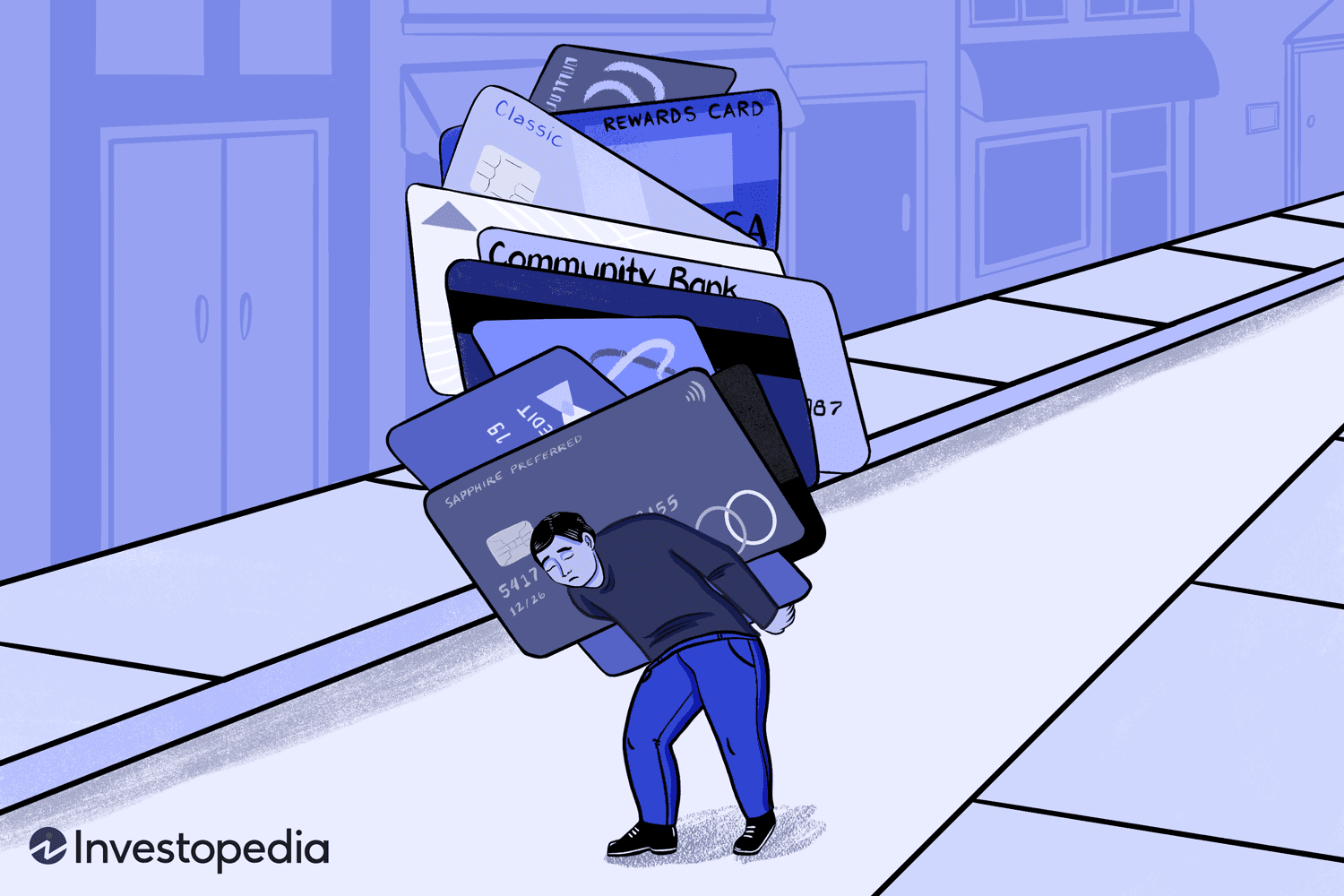
In the past two decades alone, student debt and loans have reached approximately $1.6 trillion which slightly surpassed credit card debt in America which stands at $1.03 trillion in the second quarter of 2023 according to the Federal Reserve Bank of New York. “In addition to poverty, financial debt and loans are significantly associated with increased psychological distress and poor mental health status.” (From: Ryu S, fan L. The Relationship Between Financial Worries and Psychological Distress Among U.S. Adults) As financial debt accumulates, a person may find themselves withdrawing from hanging out with friends or family and becoming avoidant of places, people, and even their financial struggles. If someone continuously avoids their bills they continue to accumulate and seeing the amount of the accumulated bills can take a serious toll on a person’s mental health.

Other problems may also emerge when someone is experiencing anxiety due to financial stress, these could include poor sleeping habits, overspending, avoidance, and poor eating habits. Someone that has a spending problem or someone who is in financial worry would benefit from speaking to a therapist who would help them cope with their unhealthy habits in better ways. A therapist can help in creating a patient budget and manage their money in better ways including a personalized budgeting plan or setting up financial goals. A therapist can also help individuals identify the underlying causes of their financial stress and develop strategies for managing it. Along with anxiety and stress, financial worry can cause feelings of shame and guilt and a therapist is able to provide a safe, non-judgmental space to explore these feelings and how to develop strategies to overcome them. A person may also experience difficulty in communicating their financial struggles and/or negative beliefs and behaviors related to money with their loved ones. A therapist can aid in more effective communication with loved ones about financial struggles and challenge negative beliefs related to money by developing more positive patterns of thought and behavior related to finances. Additionally, an individual who suffered financial trauma such as bankruptcy, foreclosure, or identity theft may benefit from therapy in order to address the emotional and psychological impact of these experiences.

If you or someone you know is struggling with their mental health, or has anxiety/stress please contact our psychotherapy offices in New York or New Jersey to talk to one of our licensed professional psychologists, psychiatrists, psychiatric nurse practitioners, or psychotherapists at Arista Counseling & Psychotherapy. Contact our Paramus, NJ or Manhattan, NY offices respectively, at (201) 368-3700 or (212) 722-1920 to set up an appointment. For more information, please visit http://www.counselingpsychotherapynjny.com/

Sources

https://www.lendingtree.com/credit-cards/credit-card-debt-statistics/

Ryu S, Fan L. The Relationship Between Financial Worries and Psychological Distress Among U.S. Adults. J Fam Econ Issues. 2023;44(1):16-33. doi: 10.1007/s10834-022-09820-9. Epub 2022 Feb 1. PMID: 35125855; PMCID: PMC8806009.

Types Of Therapy For Financial Stress And Money Issues

mantracare.org

Anxiety: An Everyday Occurrence


Anxiety: An Everyday Occurrence

By: Daniela Vargas

“One-third of adults in the U.S. will grapple with out-of-control anxiety at some point during their lifetime” It is common for people to get anxiety before an upcoming event like the first day of classes or before giving a presentation, however when you are anxious constantly and have excessive stress you might have an anxiety disorder.

Living in constant fear can stop you from living your everyday life. Your work, school and personal life can all be affected. It can affect you when you’re going to a party where there will be a lot of people, or getting into an elevator. In extreme cases being scared when leaving your house. Reasons that could have led to anxiety can be early trauma, parents being overprotective or even social media. Both therapy and medication can help relieve your everyday anxiety.

Types of Therapy:

Cognitive behavioral therapy (CBT): This form of therapy is very commonly used treat anxiety. It examines your negative thoughts and how you react to certain situations that can give you anxiety.

Exposure Therapy: This type of therapy exposes you to the situations that make you anxious and by repeating them your anxiety starts to diminish and you start to feel control over your body and thoughts. This can be done in real life or through imagination.

Exercising and relaxation techniques can help reduce anxiety as well.

Medication:

Benzodiazepines: These types of medication can help relax your muscles and mind. Some sedatives are Xanax, Valium and Librium.

Buspirone: This medication can help to regulate chemicals in your brain. This medication is for both short and long-term anxiety.

If you or someone you know is struggling with anxiety, please contact our psychotherapy offices in New York or New Jersey to talk to one of our licensed professional psychologists, psychiatrists, psychiatric nurse practitioners, or psychotherapists at Arista Counseling & Psychotherapy. Contact our Paramus, NJ or Manhattan, NY offices respectively, at (201) 368-3700 or (212) 722-1920 to set up an appointment. For more information, please visit http://www.counselingpsychotherapynjny.com/.

Sources:

https://www.helpguide.org/articles/anxiety/therapy-for-anxiety-disorders.htm

https://www.psychologytoday.com/us/basics/anxiety

https://www.healthline.com/health/anxiety-drugs#betablockers

Image: https://www.google.com/search?q=anxiety&rlz=1C5CHFA_enUS752US752&source=lnms&tbm=isch&sa=X&ved=2ahUKEwii94fc1KjuAhXyQ98KHSY3Al8Q_AUoAnoECBgQBA&biw=1434&bih=687#imgrc=k-Z_yXWvwrZaNM


Assertiveness and Anxiety: How Expressing Yourself Can Lead to a Happier Self

By: Sanjita Ekhelikar

“Communication is key” is a phrase we are all familiar with, yet many struggle with actually acting on it. The most effective form of communication is through assertiveness, which involves expressing one’s views in a straightforward manner, and in standing up for one’s needs while still being considerate of others. This differs from aggressiveness in that it does not involve being outwardly emotional or insulting to others, and differs from passivity in that the individual clearly states their feelings and desires. Being assertive involves open communication, which can be difficult to engage in, especially for people struggling with anxiety. However, through practicing and learning assertiveness, people with anxiety can actually feel less worry and more confident in themselves.

Anxiety describes the uncomfortable feelings of turmoil and dread that one might have in anticipation that results in physical sensations such as rapid heartbeat, sweating, and rumination. For many who struggle with anxiety, the thought of being assertive with others makes them anxious. They often worry that being assertive will come off as being mean, creating conflict, and being inconsiderate. Therefore, many choose passive communication, and never voice their views or feelings. This worsens their state of worry, as they are not properly understood by those around them and can easily be taken advantage of. They are often misunderstood which increases their worry. Others often take advantage of them because of their meek manner and visible anxiety.

Contrary to what those with anxiety believe, assertiveness can actually help them feel better. Often times, those with anxiety create situations in their mind about everything that will go wrong if they voice themselves to another person. However, such a form of open communication can create a better understanding between two people. It allows the person with anxiety to be properly understood, to dispel the fearful thoughts in their head, and become more confident in themselves and their views.

How can people with anxiety begin working towards being more assertive? By stating their views using “I,” individuals can avoid putting blame on others by expressing their own opinions. In addition, reminding themselves that their fears are not rational and that it is their anxiety talking to them can help them become increasingly comfortable with being assertive. Finally, practice makes perfect – keep trying and speak up!

If you or someone you know is suffering from anxiety, please contact our psychotherapy offices in New York or New Jersey to talk to one of our licensed professional psychologists, psychiatrists, psychiatric nurse practitioners, or psychotherapists at Arista Counseling & Psychotherapy. Contact our Paramus, NJ or Manhattan, NY offices respectively, at (201) 368-3700 or (212) 722-1920 to set up an appointment. For more information, please visit http://www.counselingpsychotherapynjny.com/.