COVID-19: Anxiety

COVID-19: Anxiety

By: Alexa Greenbaum

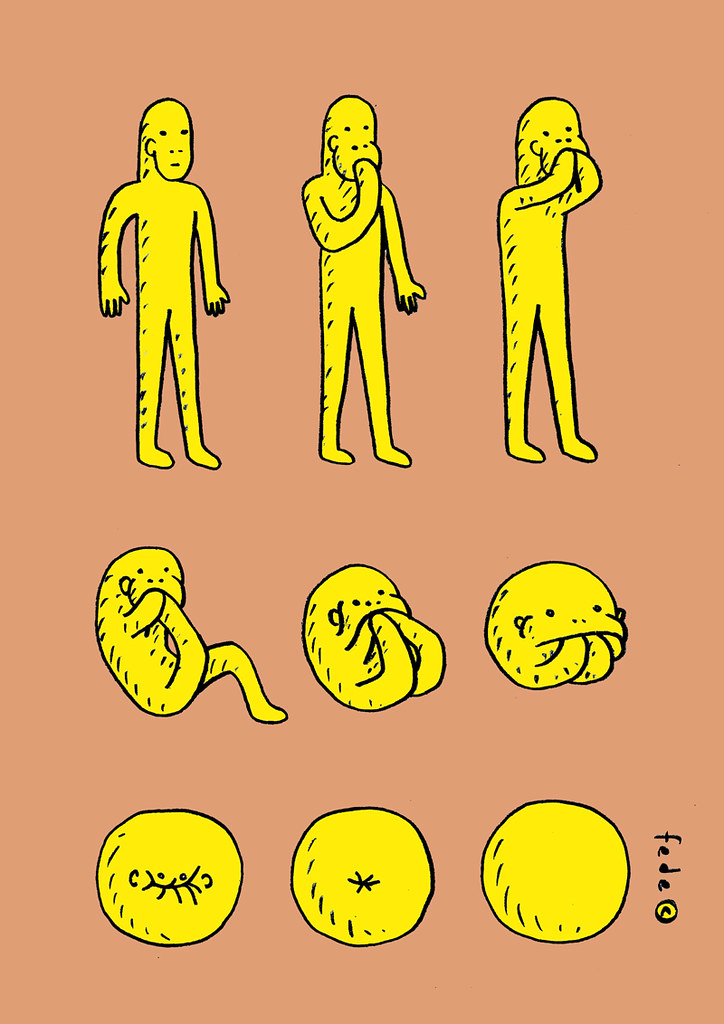
Reported rates of anxiety have increased since the COVID-19 pandemic. The number of people reporting anxiety and fear symptoms is well above historical norms. Polls have found that nearly half of Americans report the coronavirus crisis is harming their mental health. Hotlines have seen consistent results. During April alone, a month in which most Americans were in quarantine, the federal government’s distress hotline increased text rates more than 1,000 percent. In addition, dozens of states and locally run distress hotlines have reported sizeable increases in call volume as well. If you are experiencing anxiety during this time, you are not alone.

Americans who are in quarantine and sheltering in place are suffering. Outbreaks are stressful and symptoms of anxiety can include:

•    Fear and worry about your health and the health of your loved ones.

•    Changes in sleep or eating patterns.

•    Difficulty sleeping or concentrating.

•    Worsening of chronic health problems.

•    Worsening of mental health conditions.

•    Increased use of alcohol, tobacco, or other drugs. 

In particular, those who have reported high rates of fear and anxiety include:

•    Minorities

•    Women

•    Older people and people with preexisting health conditions who are at higher risk for severe illness from COVID-19 as well as people who have mental health conditions including problems with substance abuse

•    Adults under the age of 34 (children and teens)

•    People who are helping with the response to COVID-19 (doctors, health care providers, and first responders

During this time, it is more important than ever to take care of your mental health. Asking for and accepting help is a sign of strength. Call your health care provider if you are experiencing stress or anxiety. Health care providers can help you by providing a procedure and referrals.

If you or someone you know is experiencing anxiety  from COVID-19 or another crisis, please contact our psychotherapy offices in New York or New Jersey to talk to one of our licensed professional psychologists, psychiatrists, psychiatric nurse practitioners, or psychotherapists at Arista Counseling & Psychotherapy. Contact our Paramus, NJ or Manhattan, NY offices respectively, at (201) 368-3700 or (212) 722-1920 to set up an appointment. For more information, please visit http://www.counselingpsychotherapynjny.com/ .

Sources:

https://www.cdc.gov/coronavirus/2019-ncov/daily-life-coping/managing-stress-anxiety.html

https://www.healthline.com/health-news/what-covid-19-is-doing-to-our-mental-health

Image Source:

https://www.vox.com/identities/2020/4/16/21219693/coronavirus-anxiety-depression-mental-health-ptsd-covid

COVID-19: How to Cope with Stress During COVID-19

COVID-19: How to Cope with Stress During COVID-19

By: Alexa Greenbaum

In crisis situations, it is normal to feel overwhelmed with emotions. The COVID-19 pandemic can feel threatening, as there are many unknowns. For example, published information from reputable sources, such as in the media, news, articles, journals, government officials, and specialists in relevant fields of work often contradict one another. It is important to note that everyone deals with stress differently, nonetheless, focusing on being resilient in response to COVID-19 will help minimize stressors and allow growth from traumatic experiences.

In this time of many uncertainties and conflicting information, it can be difficult to be calm. Feeling a lack of control, fears, and ruminating on stressors can escalate undesirable emotions. These stressors can feel or be traumatic and as a result, especially in isolation, cause people to consciously think about how COVID-19 is stressful.

It is difficult to stay calm but to subside unwanted stress, taking a step back and identifying your fears and putting emotions into perspective is a great way to start the process of becoming resilient to chaotic situations. It is important to understand and accept that there are a number of things that are out of control in life and emotions cannot prevent stressful situations. As a result, growth is associated with reflection and cognitive processing.

In effort to overcome stress about COVID-19, some pathways to resilience include focusing on positive relationships, positive emotions, and hardiness. Connecting and not isolating yourself by supporting loved-ones, focusing on what is in your control, and connecting with larger social networks such as your communities can provide emotional and instrumental support. Communicating with others can also elicit positive emotions such as laughter and optimism and can influence the belief that one can grow from negative events.

Taking care of yourself during a time of crisis is of upmost importance. To do so, take time to unwind and give yourself a break from looking at the news, create a routine, and take care of your body and mental health.

If you or someone you know is experiencing uncontrollable stress from COVID-19 or another crisis, please contact our psychotherapy offices in New York or New Jersey to talk to one of our licensed professional psychologists, psychiatrists, psychiatric nurse practitioners, or psychotherapists at Arista Counseling & Psychotherapy. Contact our Paramus, NJ or Manhattan, NY offices respectively, at (201) 368-3700 or (212) 722-1920 to set up an appointment. For more information, please visit http://www.counselingpsychotherapynjny.com/ .

Sources:

https://www.cdc.gov/coronavirus/2019-ncov/daily-life-coping/managing-stress-anxiety.html

https://yalehealth.yale.edu/covid-19-managing-stress

https://www.forbes.com/sites/amymorin/2017/05/13/6-ways-to-stop-stressing-about-things-you-cant-control/#7529342630db

Image Source:

https://www.nysut.org/news/2020/april/stress-management

Shyness and Introversion

Shyness and Introversion

By Crystal Tsui

We all know someone who prefers to stay in rather than go out and party or someone who barely talk in a group setting. We may call them shy, quiet, or maybe socially awkward. But they may just be an introvert. Introversion and shyness are often times used together. However, shyness revolves around the fear of negative judgment while introversion is the preference for quiet, minimally stimulating environments. So it is possible for a person to be a shy extrovert, where the individual is afraid to speak up, fearing negative judgment, more so than exhausted in a certain social situation.

Despite the difference, there is also an overlap between shyness and introversion, e.i. many shy people are introverted. Some people are born with “high-reactive” temperaments that predispose them to both shyness and introversion. A shy person may become more introverted over time, motivated to discover the pleasures of solitude, other minimally stimulating social environments, and to move away from judgments. On the other hand, an introvert may become shy after continually receiving the message that there’s something wrong with them.

There’s a shared bias in our society against both shyness and introversion. Neither trait is welcomed in our society because studies have shown that we rank the fast and frequent talkers as more competent, likeable, and even smarter than slow and quiet talkers.

Here are 5 ways introverts can spend time that is deeply fulfilling and socially connected:

  1. Reading. Books transcend time and place. Studies have shown that reading fiction increases empathy and social skills.
  2. Enter a state of “flow” by doing work or a hobby that you love. Flow is the transcendent state of being, in which you feel totally engaged in an activity. People in flow don’t tend to wear the broad smiles of enthusiasm. When you watch them in action, the words “joy” and “excitement” don’t come to mind. But the words “engagement,” “absorption,” and “curiosity” do.
  3. Keep an informal quota system of how many times per week/month/year you plan to go out to social events and how often you get to stay home. This way you can plan which parties or get-togethers you can truly enjoy and which you don’t. So you are less likely to drive yourself mad thinking you should’ve stayed home.
  4. Have meaningful conversations.
  5. Spend time and show affection to the ones you love, whose company is so dear and comfortable that you feel neither over-stimulated nor anxious in their presence.

If you or someone you know is dealing with social anxiety or suffering from a disruption of their social life, please contact our psychotherapy offices in New York or New Jersey to talk to one of our licensed professional psychologists, psychiatrists, psychiatric nurse practitioners, or psychotherapists at Arista Counseling & Psychotherapy. Contact our Paramus, NJ or Manhattan, NY offices respectively, at (201) 368-3700 or (212) 722-1920 to set up an appointment. For more information, please visit http://www.counselingpsychotherapynjny.com/ .

Sources:

https://www.quietrev.com/wp-content/uploads/2015/05/QR_ebookMay8-2015.pdf

https://www.nytimes.com/2012/01/15/opinion/sunday/the-rise-of-the-new-groupthink.html?_r=0

https://live.staticflickr.com/627/21427437162_910d54e08e_b.jpg

Mental Health Awareness

Mental Health Awareness

By Lauren Hernandez

               It is important to recognize how mental illness affects many people’s lives. Mental health awareness promotes the understanding and respect towards those who suffer from mental illnesses. It is important that we make attempts to normalize and destigmatize those struggling with mental illness. If you know of someone struggling with mental health issues, there are a multitude of resources that can help.

Available resources:

National Alliance on Mental Illness (NAMI): www.nami.org

NAMI StigmaBusters is “a network of dedicated advocates across the country and around the world who seek to fight inaccurate and hurtful representations of mental illness”. NAMI StigmaBusters

Suicide.org – Suicide prevention, awareness, and support: www.suicide.org

National Institute of Mental Health (NIMH): www.nimh.nih.gov

Substance Abuse and Mental Health Services Administration (SAMHSA): www.samhsa.gov

National Suicide Prevention Lifeline: 1-800-273-TALK (8255) www.suicidepreventionlifeline.org

Children and Adults with Attention Deficit Hyperactivity Disorder (CHADD): www.chadd.org

Child and Adolescent Bipolar Foundation: www.bpkids.org

The Trevor Project (LGBT mental health/suicide prevention): www.trevorproject.org

Anxiety Disorders Association of America: www.adaa.org

National Eating Disorders Association: www.nationaleatingdisorders.org

Alcoholics Anonymous: www.aa.org

Narcotics Anonymous: www.na.org

Gamblers Anonymous: www.gamblersanonymous.org

Alzheimer’s Association: www.alz.org

Depression and Bipolar Support Alliance: www.dbsalliance.org

National Autism Association: www.nationalautismassociation.org

Veterans Crisis Line (U.S. Department of Veterans Affairs): 1-800-273-8255 (press 1)

U.S. Department of Veterans Affairs – Mental Health: www.mentalhealth.va.gov

Mental Health America: www.mentalhealthamerica.net

If you or someone you know is struggling with any type of mental illness, please contact our psychotherapy offices in New York or New Jersey to talk to one of our licensed professional psychologists, psychiatrists, psychiatric nurse practitioners, or psychotherapists at Arista Counseling & Psychotherapy. Contact our Paramus, NJ or Manhattan, NY offices respectively, at (201) 368-3700 or (212) 722-1920 to set up an appointment. For more information, please visit http://www.counselingpsychotherapynjny.com/ .


Sources:

https://www.psychologytoday.com/us/blog/here-there-and-everywhere/201105/mental-health-awareness-month-resources

https://www.psychologytoday.com/us/blog/when-your-adult-child-breaks-your-heart/201705/mental-health-awareness-month

Image Source: https://www.bing.com/images/search?view=detailV2&id=9714F039483EC40A08B372F59E3C5D5C556378C8&thid=OIP.ex7QOQol-OoPT6G8NSkiUgFZC1&mediaurl=https%3A%2F%2Fnamibv.org%2Fwp-content%2Fuploads%2Fsites%2F21%2F2018%2F03%2Fmay-mental-health.png&exph=630&expw=1200&q=mental+health+awareness+month&selectedindex=3&ajaxhist=0&vt=0&eim=1,2,6